











The Role of ESP Collecting Plates in Industrial Air Quality Management: Enhancing Efficiency and Performance
Oct 21,2025
The Role of ESP Collecting Plates in Industrial Air Quality Management
Introduction to Air Quality Management in Industrial Settings
In today's industrial landscape, ensuring optimal **air quality** is not just a regulatory requirement; it is essential for the health and safety of employees and the surrounding environment. Industrial operations often produce various airborne pollutants, including
The Role of ESP Collecting Plates in Industrial Air Quality Management
Introduction to Air Quality Management in Industrial Settings
In today's industrial landscape, ensuring optimal **air quality** is not just a regulatory requirement; it is essential for the health and safety of employees and the surrounding environment. Industrial operations often produce various airborne pollutants, including particulate matter, which can have significant negative impacts. Herein lies the critical role of **Electrostatic Precipitators (ESPs)** and their collecting plates in achieving effective air quality management.
Understanding the Mechanism of Electrostatic Precipitators
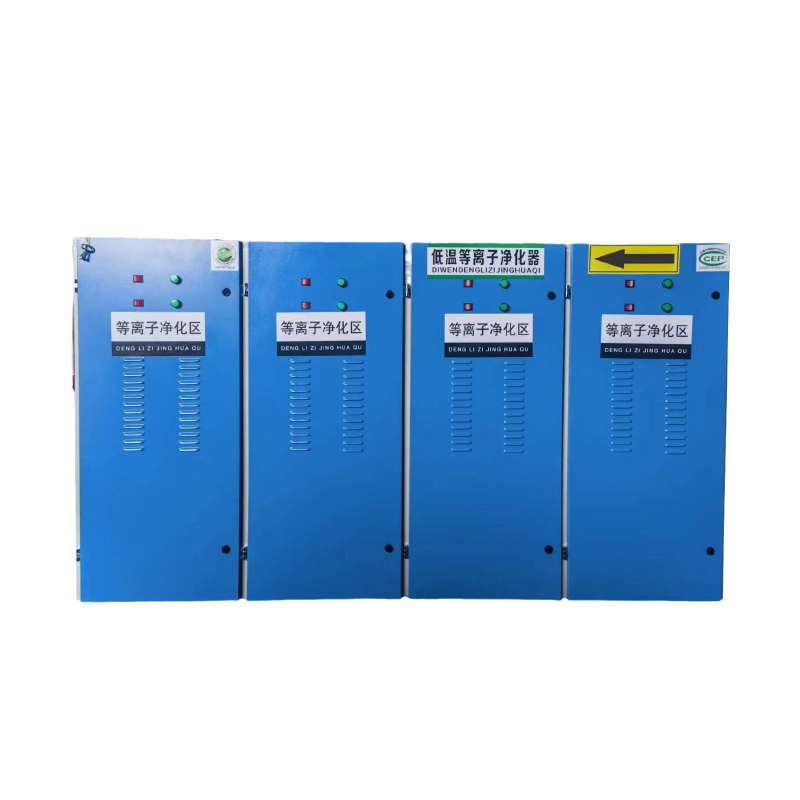
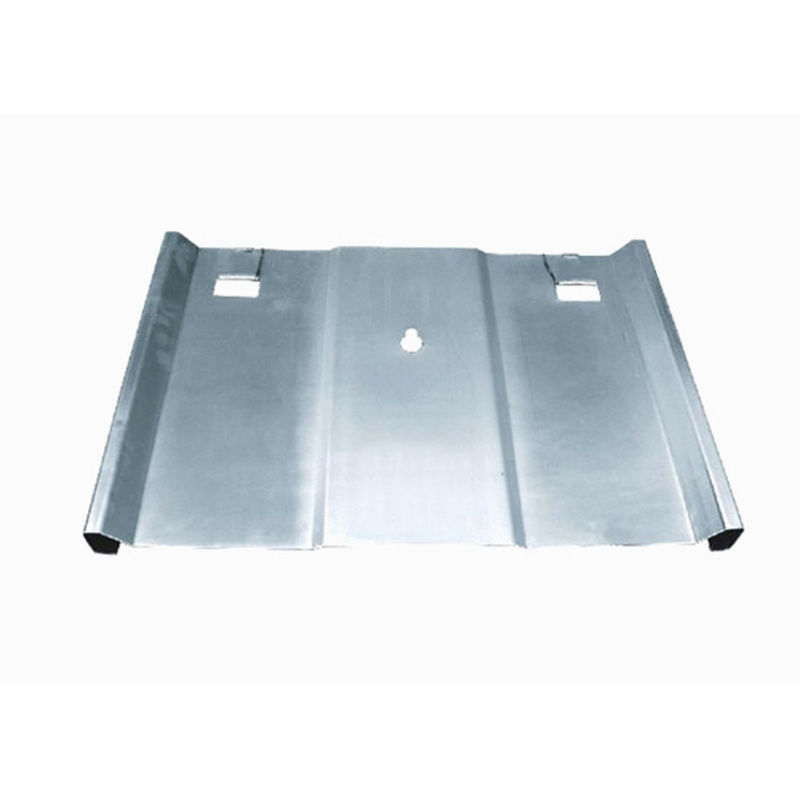
ESP systems utilize electrical fields to separate particulates from gases. The **collecting plates** are vital components of this process. When dust-laden gas passes through the ESP, it is ionized, allowing particles to adhere to the oppositely charged collecting plates. This mechanism not only captures contaminants but also enhances overall operational efficiency.
Components of an ESP System
1. **Ionization Unit**: This component charges the particles.
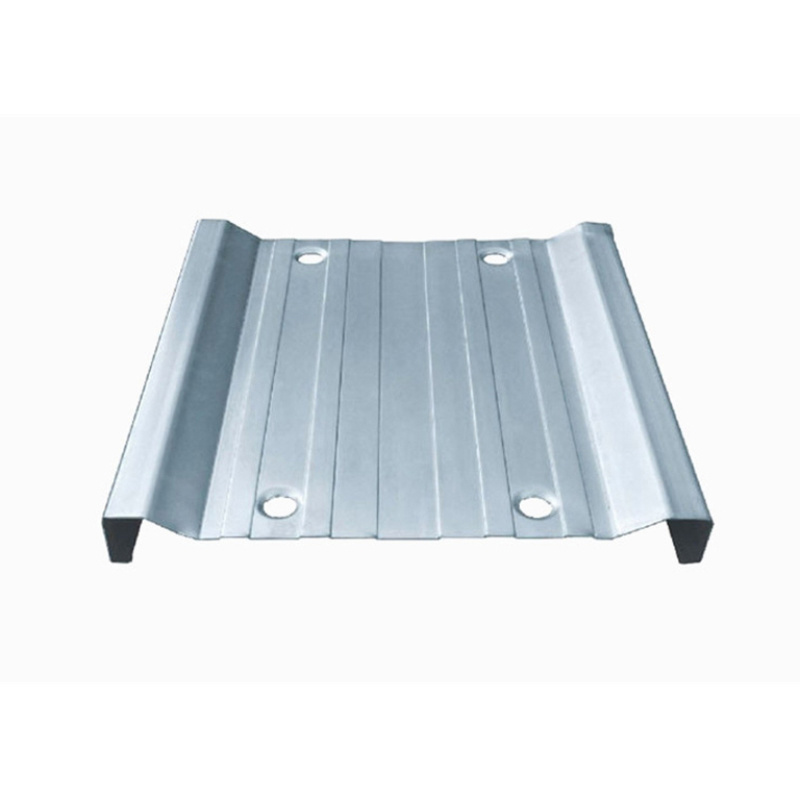
2. **Collecting Plates**: These plates capture the charged particles.
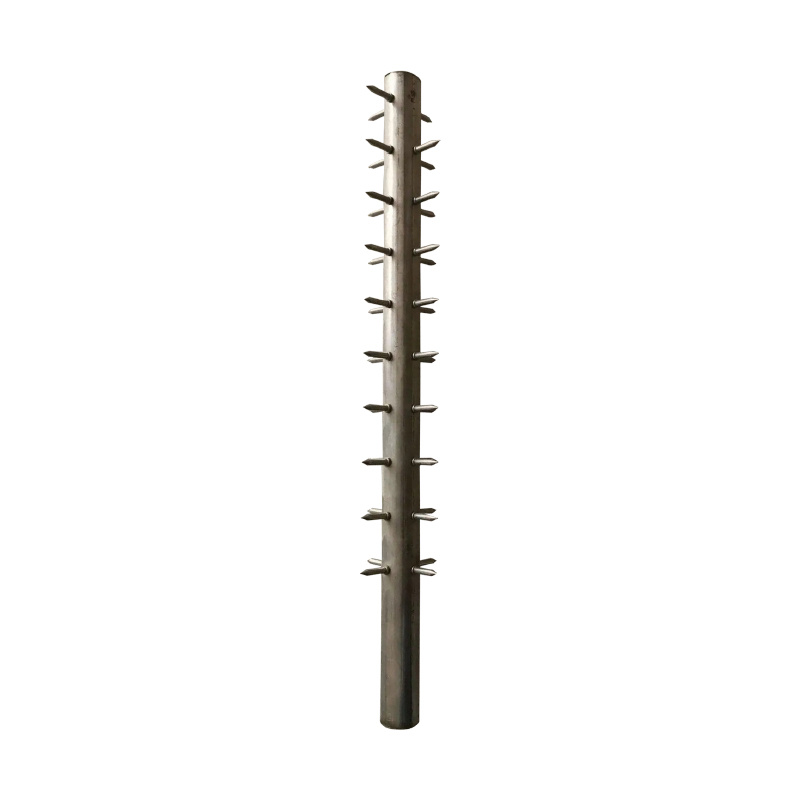
3. **Discharge Electrodes**: Responsible for creating the electric field necessary for ionization.
4. **Dust Collection System**: Ensures that accumulated particulates are safely removed from the system.
The Importance of Collecting Plates in ESP Systems
Collecting plates directly impact the **efficiency of particulate removal**. Their design, material, and surface characteristics greatly influence how well ESPs function. High-quality collecting plates enhance particle adhesion, leading to improved air quality management outcomes.
Key Benefits of Using ESP Collecting Plates
1. Enhanced Air Quality Compliance
Industries face stringent regulations concerning air quality. Utilizing efficient ESP collecting plates helps organizations meet these regulations effectively, thus **avoiding fines and improving public perception**.
2. Operational Cost Savings
An efficient ESP system, bolstered by high-performance collecting plates, can lead to significant operational cost savings. By minimizing energy consumption and reducing maintenance needs, businesses can allocate resources more effectively.
3. Health and Safety Improvements
By significantly reducing airborne particulate matter, collecting plates contribute to a healthier work environment. This leads to increased employee productivity and lower healthcare costs associated with respiratory illnesses.
4. Environmental Protection
Effective air quality management through ESP technology and collecting plates helps reduce environmental pollution, contributing to sustainability goals and protecting local ecosystems.
Choosing the Right Collecting Plates for Your ESP System
Selecting suitable collecting plates is crucial for optimizing ESP performance. Consider the following factors:
1. Material Composition
The material of collecting plates affects both durability and efficiency. Common materials include stainless steel and aluminum, each offering different levels of resistance to corrosion and wear.
2. Plate Configuration
The design and configuration of collecting plates can impact particulate capture efficiency. Options include flat or corrugated plates, with each type offering distinct advantages in specific applications.
3. Surface Properties
The surface characteristics of collecting plates, such as texture and coating, can enhance particle adhesion. Plates with specialized coatings may provide better performance in certain industrial environments.
Maintenance Practices for ESP Collecting Plates
To ensure optimal performance and longevity of collecting plates, regular maintenance is paramount.
1. Regular Inspections
Routine inspections help identify wear and tear, contamination, or electrical malfunctions. Early detection of issues can prevent costly downtime and repairs.
2. Cleaning Protocols
Accumulated dust can lead to decreased efficiency. Establishing a cleaning schedule and employing appropriate cleaning methods (such as ultrasonic cleaning) can maintain collecting plate performance.
3. Monitoring Performance Metrics
Monitoring key performance indicators (KPIs) such as **collection efficiency** and **energy consumption** allows operators to make informed decisions about maintenance and upgrades.
Technological Innovations in ESP Collecting Plates
The field of air quality management is continuously evolving. Recent innovations in **collecting plate technology** have led to improved efficiency and durability.
1. Advanced Coatings
New coatings designed to improve particle adhesion and resistance to corrosion are becoming commonplace. These innovations can significantly extend the life of collecting plates.
2. Smart Monitoring Systems
Integration of IoT-based monitoring systems allows for real-time data collection on ESP performance, enabling proactive maintenance and operational adjustments.
3. Modular Designs
Modular collecting plate designs facilitate easier upgrades and replacements, ensuring that systems remain efficient over time without requiring complete overhauls.
Case Studies: Successful Implementation of ESP Collecting Plates
Exploring real-world applications can provide valuable insights into the effectiveness of ESP collecting plates.
1. Manufacturing Facility (Automotive Industry)
A leading automotive manufacturer implemented high-efficiency ESP collecting plates, achieving a 30% reduction in particulate emissions while reducing energy costs by 15%. This case exemplifies how targeted investments can yield substantial returns.
2. Chemical Processing Plant
A chemical processing plant faced challenges with regulatory compliance due to excessive emissions. The installation of advanced collecting plates not only brought the facility into compliance but also improved operational efficiency, demonstrating the critical role of technology in air quality management.
Future Trends in ESP Collecting Plates
The future of ESP collecting plates is poised for exciting advancements.
1. Increased Automation
Automation in monitoring and maintenance will likely become standard, reducing the need for manual intervention and enhancing operational efficiency.
2. Environmental Regulations
As regulations regarding air quality become even more stringent, the demand for advanced ESP solutions, including high-performance collecting plates, will continue to grow.
3. Sustainability Initiatives
Organizations will increasingly seek environmentally friendly options, driving innovation in materials and technologies used for collecting plates.
Conclusion
ESP collecting plates are integral to managing industrial air quality effectively. By investing in high-quality collecting plates, organizations can enhance compliance, reduce operational costs, and contribute positively to employee health and environmental sustainability. As technology advances, it will be essential for industries to keep pace and adapt their air quality management strategies accordingly. Through ongoing innovation and commitment to best practices, we can ensure cleaner air and a safer industrial environment for generations to come.
FAQs
1. What are ESP collecting plates?
ESP collecting plates are components of electrostatic precipitators that capture charged particulate matter from industrial emissions, playing a crucial role in air quality management.
2. How do ESP collecting plates work?
They operate by using electrical fields to charge particles in the gas stream, causing them to adhere to oppositely charged collecting plates, thereby removing them from the air.
3. What materials are used for ESP collecting plates?
Common materials include stainless steel and aluminum, each chosen for their durability and resistance to environmental factors.
4. How often should ESP collecting plates be maintained?
Regular maintenance, including inspections and cleaning, should be conducted based on operational demands, typically every few months.
5. What are the benefits of upgrading to advanced collecting plates?
Upgrading can lead to increased efficiency, lower energy consumption, better compliance with regulations, and overall improved air quality management.
Hot Tags:
PREVIOUS:


Contact Us
Tel:
WeChat:
WhatsApp:
E-mail:
Address:
338 National Road South, Longfengdian Village, Botou City, Hebei Province, China
JiuznTomine is expertly delivering technically complicated projects in markets & provides custom solutions for their customized need.


CONTACT INFO
Tel: +86 18531710311
WeChat: +86-18531710311
338 National Road South, Longfengdian Village, Botou City, Hebei Province, China