













Understanding the Role and Importance of ESP Discharge Electrodes in Industrial Air Purification
Oct 23,2025
Electrostatic Precipitators (ESPs) are widely recognized in the industrial sector for their efficiency in controlling air pollution by removing particulate matter from exhaust gases. Central to the functionality of these systems are ESP discharge electrodes, which play a pivotal role in the charging and collection of particulates. Understanding the importance of these components can significantly
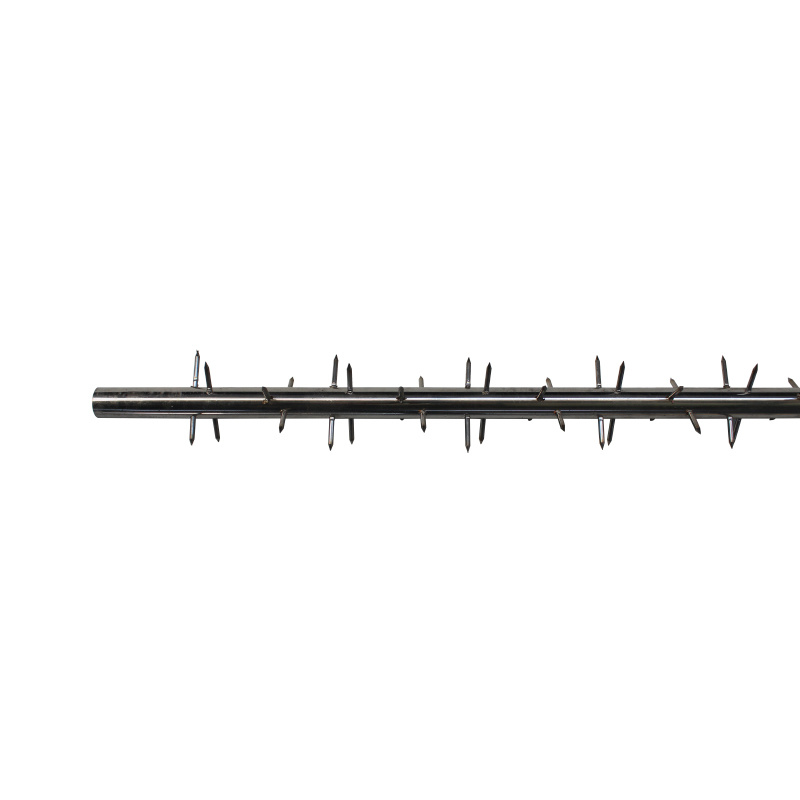
Electrostatic Precipitators (ESPs) are widely recognized in the industrial sector for their efficiency in controlling air pollution by removing particulate matter from exhaust gases. Central to the functionality of these systems are ESP discharge electrodes, which play a pivotal role in the charging and collection of particulates. Understanding the importance of these components can significantly enhance the performance of air purification systems in industrial settings.
ESP discharge electrodes, typically made from conductive materials, serve to generate an electric field that ionizes the particles in the gas stream. When the particles become charged, they are attracted to the oppositely charged collection plates, effectively removing them from the airflow. This process is crucial for maintaining compliance with environmental regulations and ensuring the safety and health of workers in industrial facilities.
The design and maintenance of ESP discharge electrodes can greatly influence the overall efficiency of an electrostatic precipitator. Factors such as the spacing, shape, and material of the electrodes must be carefully considered to optimize performance. Regular maintenance of these electrodes is also essential, as the accumulation of dust and debris can impede their function, resulting in decreased efficiency and increased operational costs.
One of the significant advantages of using ESP discharge electrodes is their ability to handle large volumes of gas at high temperatures, making them ideal for heavy-duty applications in industries such as power generation, cement manufacturing, and metal production. Additionally, ESP systems equipped with high-quality discharge electrodes can achieve exceptionally low emission levels, contributing to improved air quality and reduced environmental impact.
Furthermore, the implementation of advanced technologies in the design of ESP discharge electrodes can lead to innovations that enhance their performance. For instance, the use of new conductive materials and improved geometries can result in better particle charging efficiency, thus increasing the overall dust collection rates.
In summary, ESP discharge electrodes are integral to the successful operation of electrostatic precipitators in industrial air purification systems. Their role in ionizing and collecting particulate matter not only facilitates compliance with environmental standards but also ensures a healthier workplace. By prioritizing the selection, design, and maintenance of these critical components, industrial facilities can enhance their air quality management strategies, ultimately leading to better operational efficiency and environmental stewardship.
ESP discharge electrodes, typically made from conductive materials, serve to generate an electric field that ionizes the particles in the gas stream. When the particles become charged, they are attracted to the oppositely charged collection plates, effectively removing them from the airflow. This process is crucial for maintaining compliance with environmental regulations and ensuring the safety and health of workers in industrial facilities.
The design and maintenance of ESP discharge electrodes can greatly influence the overall efficiency of an electrostatic precipitator. Factors such as the spacing, shape, and material of the electrodes must be carefully considered to optimize performance. Regular maintenance of these electrodes is also essential, as the accumulation of dust and debris can impede their function, resulting in decreased efficiency and increased operational costs.
One of the significant advantages of using ESP discharge electrodes is their ability to handle large volumes of gas at high temperatures, making them ideal for heavy-duty applications in industries such as power generation, cement manufacturing, and metal production. Additionally, ESP systems equipped with high-quality discharge electrodes can achieve exceptionally low emission levels, contributing to improved air quality and reduced environmental impact.
Furthermore, the implementation of advanced technologies in the design of ESP discharge electrodes can lead to innovations that enhance their performance. For instance, the use of new conductive materials and improved geometries can result in better particle charging efficiency, thus increasing the overall dust collection rates.
In summary, ESP discharge electrodes are integral to the successful operation of electrostatic precipitators in industrial air purification systems. Their role in ionizing and collecting particulate matter not only facilitates compliance with environmental standards but also ensures a healthier workplace. By prioritizing the selection, design, and maintenance of these critical components, industrial facilities can enhance their air quality management strategies, ultimately leading to better operational efficiency and environmental stewardship.
Hot Tags:


Contact Us
Tel:
WeChat:
WhatsApp:
E-mail:
Address:
338 National Road South, Longfengdian Village, Botou City, Hebei Province, China
JiuznTomine is expertly delivering technically complicated projects in markets & provides custom solutions for their customized need.


CONTACT INFO
Tel: +86 18531710311
WeChat: +86-18531710311
338 National Road South, Longfengdian Village, Botou City, Hebei Province, China