












The Benefits of Utilizing Galvanized Materials in Dust Removal Skeletons
Oct 25,2025
The Advantages of Using Galvanized Materials in Dust Removal Skeletons
Dust removal systems are essential in various industrial sectors, particularly in facilities that produce high levels of airborne particulates. In this regard, the skeleton or framework of dust removal equipment plays a critical role in maintaining efficiency and durability. One material that has gained prominence in the constr

The Advantages of Using Galvanized Materials in Dust Removal Skeletons
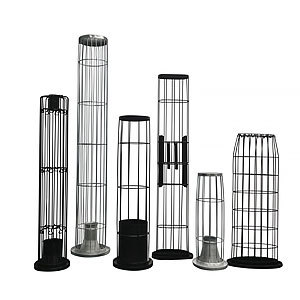
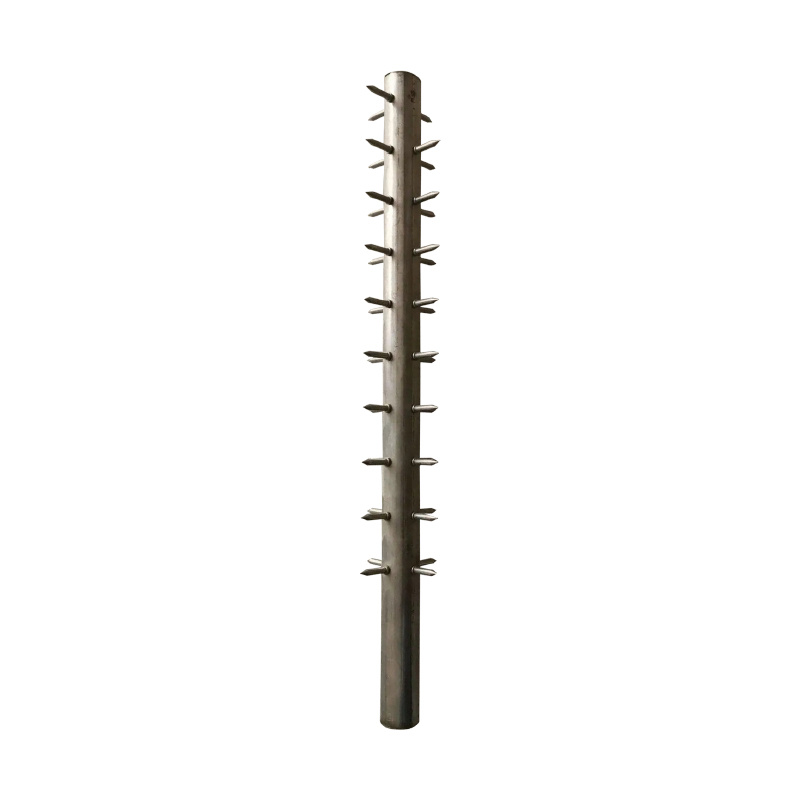
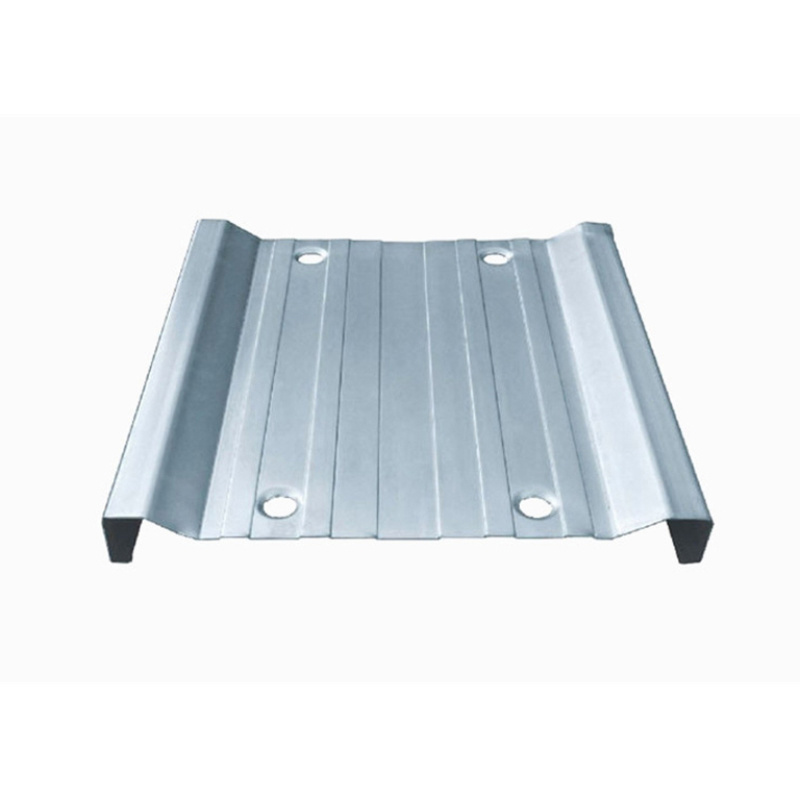
Dust removal systems are essential in various industrial sectors, particularly in facilities that produce high levels of airborne particulates. In this regard, the skeleton or framework of dust removal equipment plays a critical role in maintaining efficiency and durability. One material that has gained prominence in the construction of such frameworks is galvanized steel. This article explores the myriad advantages of using galvanized materials in dust removal skeletons, detailing why industry professionals prefer them over other options.
Understanding Galvanization: A Brief Overview
Galvanization is the process of applying a protective zinc coating to steel or iron to prevent rusting. This technique enhances the durability and lifespan of materials exposed to harsh environments, such as industrial settings where dust and moisture can lead to significant wear and tear. The galvanized coating creates a barrier that protects the underlying metal from corrosion, thereby extending its life.
The Galvanization Process Explained
The galvanization process typically involves either hot-dip galvanizing or electro-galvanizing. Hot-dip galvanizing immerses the steel in molten zinc, forming a thick, robust coating. In contrast, electro-galvanizing uses an electrochemical process to apply a thinner layer of zinc. Both methods result in improved corrosion resistance, but hot-dip galvanizing is often preferred for heavy-duty applications.
Key Advantages of Using Galvanized Materials in Dust Removal Skeletons
Incorporating galvanized materials into dust removal skeletons offers numerous advantages that contribute to improved operational efficiency and cost savings.
1. Enhanced Corrosion Resistance
One of the most significant benefits of galvanized steel is its remarkable resistance to corrosion. In environments where dust and moisture are prevalent, traditional steel frameworks can quickly succumb to rust and decay. Galvanized materials, however, maintain their integrity over time, ensuring that dust removal systems operate effectively without frequent replacements or repairs.
2. Increased Durability and Longevity
Galvanized materials are known for their strength and durability. The protective zinc coating not only prevents rust but also provides additional toughness against physical damage. This resilience is particularly important in dust removal systems, which may experience vibrations, impacts, and other stressors during operation. By choosing galvanized steel, businesses can expect their equipment to last longer and require fewer maintenance interventions.
3. Cost-Effectiveness Over Time
While the initial investment in galvanized materials may be higher than other options, the long-term savings are substantial. The durability and corrosion resistance translate to lower maintenance costs, reduced downtime, and fewer replacements. When evaluating the total cost of ownership, galvanized dust removal skeletons often prove to be more economical in the long run.
4. Eco-Friendly Option
Galvanized steel is also an environmentally friendly choice. The zinc used in the galvanization process is recyclable, making it a sustainable material option. Furthermore, the longevity of galvanized components reduces waste and the need for new materials, contributing to a lower carbon footprint for industrial operations.
5. Easy Maintenance and Repair
In the event that maintenance is required, galvanized materials are relatively easy to repair. Minor scratches or damages to the zinc coating can be addressed through touch-up paints, restoring the protective barrier without needing to replace entire components. This ease of repair further enhances the cost-effectiveness of using galvanized materials in dust removal systems.
Applications of Galvanized Materials in Industrial Dust Removal Systems
Galvanized steel's unique properties make it suitable for various dust removal systems across multiple industries.
1. Cement and Concrete Manufacturing
In cement plants, the production process generates significant dust. Galvanized materials are ideal for dust collection systems because they can withstand the corrosive nature of cement dust and the moisture found in such environments.
2. Woodworking and Lumber Processing
Woodworking facilities produce fine dust that can be harmful to both equipment and worker health. Using galvanized steel in dust collection systems ensures that these frameworks remain intact despite exposure to wood particles and potential moisture from the materials being processed.
3. Metal Fabrication and Machining
In metal fabrication environments, the machining processes produce a variety of metal shavings and dust. Using galvanized materials in dust removal frameworks provides durability and corrosion resistance, crucial for maintaining operational efficiency in these demanding settings.
4. Food Processing
Hygiene and cleanliness are paramount in the food processing industry. Galvanized materials can withstand exposure to moisture and various cleaning chemicals, making them suitable for dust collection systems without compromising the safety of food products.
Factors to Consider When Choosing Galvanized Materials
When selecting galvanized materials for dust removal skeletons, several factors should be considered to ensure optimal performance and compatibility with the specific operational environment.
1. Thickness of the Galvanized Coating
The thickness of the zinc coating can significantly influence the performance of galvanized steel. Thicker coatings provide better corrosion resistance and enhance durability, particularly in more aggressive environments. Selecting the appropriate thickness based on the operational conditions is essential.
2. Environmental Conditions
Understanding the specific environmental conditions where the dust removal system will operate is critical. Factors such as humidity, temperature fluctuations, and the type of dust being handled can help determine the most suitable galvanized materials for the application.
3. Compliance with Industry Standards
Ensure that the galvanized materials meet relevant industry standards and regulations. Compliance with safety and quality standards not only guarantees performance but also protects the health and safety of workers.
Maintenance Tips for Galvanized Dust Removal Skeletons
To maximize the lifespan and efficiency of galvanized dust removal systems, regular maintenance is essential.
1. Routine Inspections
Conduct regular inspections of the galvanized components to identify any signs of wear, damage, or corrosion. Early detection allows for timely repairs and prevents more extensive damage from occurring.
2. Cleaning and Debris Removal
Keep the dust removal system clean by removing accumulated dust and debris from the framework. Regular cleaning prevents the buildup of materials that could lead to corrosion or blockages in the system.
3. Touch-Up Coating
If the galvanized coating is scratched or damaged, apply a touch-up coating of zinc-rich paint to restore the protective barrier. This simple maintenance step can significantly extend the life of the materials.
Frequently Asked Questions (FAQs)
1. What is the lifespan of galvanized materials in dust removal systems?
Galvanized materials can last up to 50 years or more, depending on the environmental conditions and the thickness of the zinc coating.
2. Are galvanized materials safe for food processing applications?
Yes, galvanized materials are safe for food processing, provided they comply with relevant industry standards and regulations.
3. How do I maintain galvanized dust removal skeletons?
Regular inspections, cleaning, and touch-up coatings are essential for maintaining galvanized dust removal systems.
4. Can galvanized materials be repaired if damaged?
Yes, minor damages can be easily repaired with touch-up paint, restoring the protective coating.
5. What industries benefit most from galvanized materials in dust removal systems?
Industries such as cement manufacturing, woodworking, metal fabrication, and food processing benefit significantly from using galvanized materials in dust removal systems.
Conclusion
The advantages of using galvanized materials in dust removal skeletons are compelling, offering enhanced corrosion resistance, durability, and cost-effectiveness. As industries continue to prioritize efficiency and sustainability, galvanized steel stands out as an ideal choice for dust removal applications. By understanding the benefits and taking the necessary maintenance steps, businesses can ensure their dust removal systems operate at peak performance, protecting both their equipment and the health of their workers. Embracing galvanized materials is not just a choice; it’s a commitment to quality, longevity, and environmental responsibility in the realm of industrial dust removal.
Hot Tags:


Contact Us
Tel:
WeChat:
WhatsApp:
E-mail:
Address:
338 National Road South, Longfengdian Village, Botou City, Hebei Province, China
JiuznTomine is expertly delivering technically complicated projects in markets & provides custom solutions for their customized need.


CONTACT INFO
Tel: +86 18531710311
WeChat: +86-18531710311
338 National Road South, Longfengdian Village, Botou City, Hebei Province, China