













Understanding Baghouse Dust Collectors: Essential Insights for Industrial Air Quality Management
Oct 19,2025
---
Baghouse dust collectors are integral components in various industrial applications that require efficient dust and particulate matter removal from the air. These systems are designed to manage air quality and ensure compliance with environmental regulations while protecting both workers and equipment from harmful pollutants. Understanding how baghouse dust collectors work and their benefits c
---
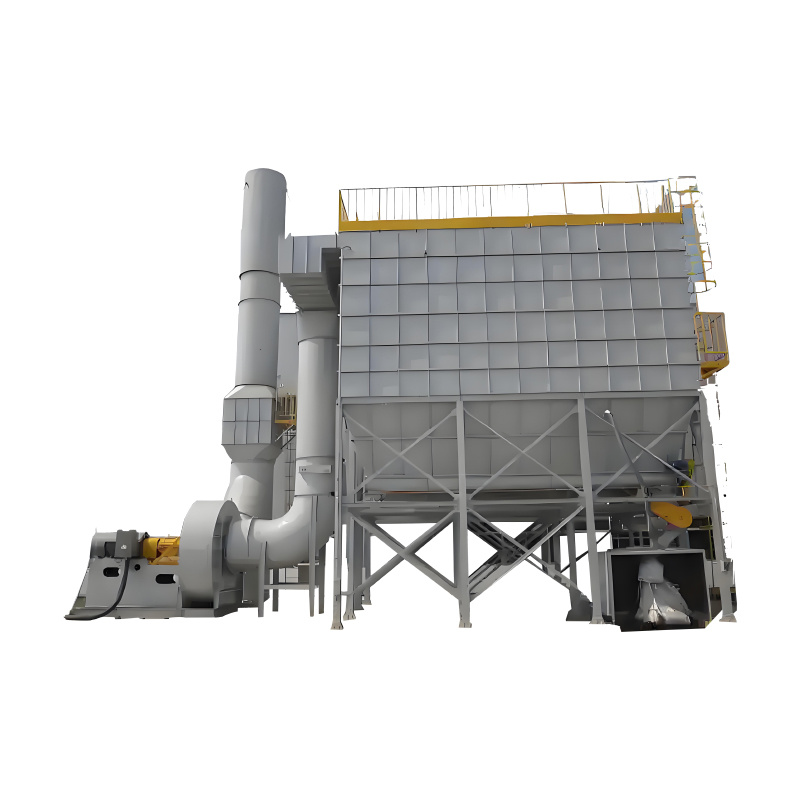
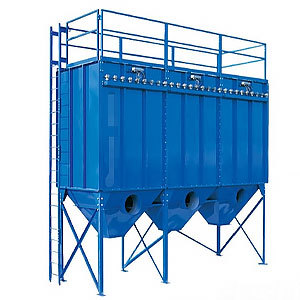
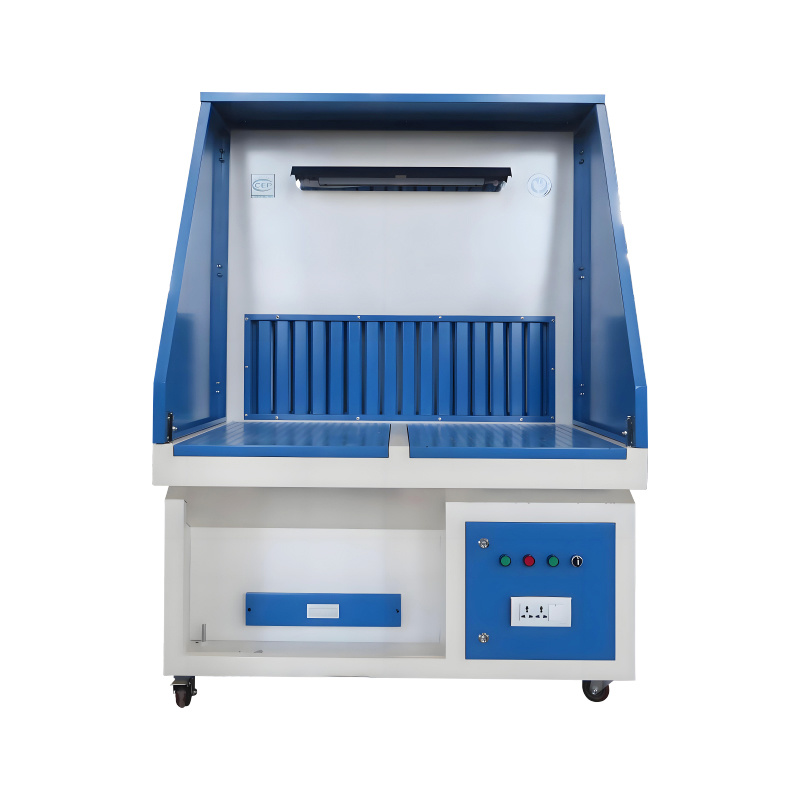
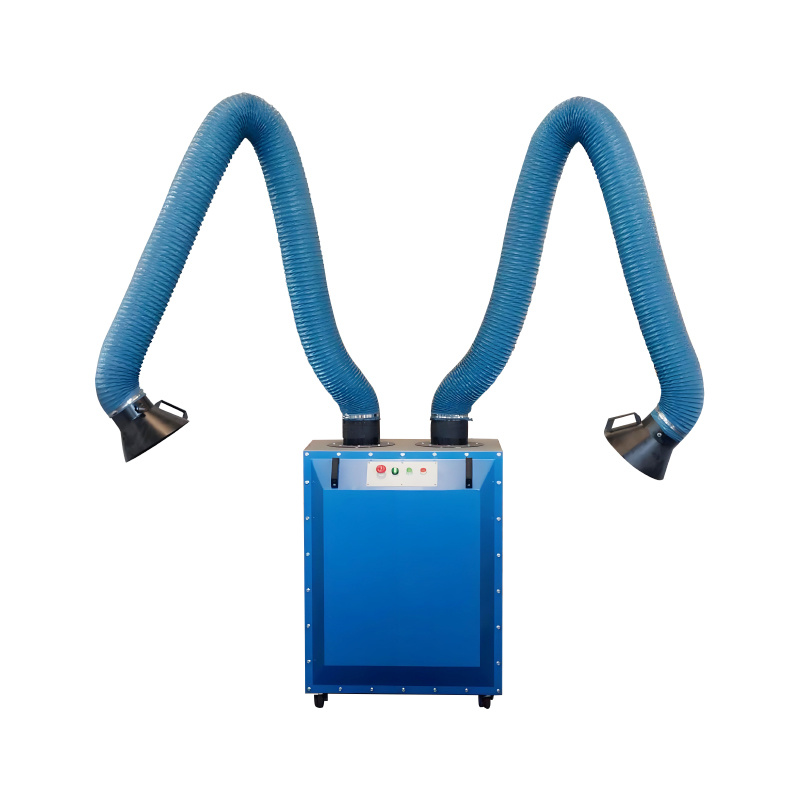
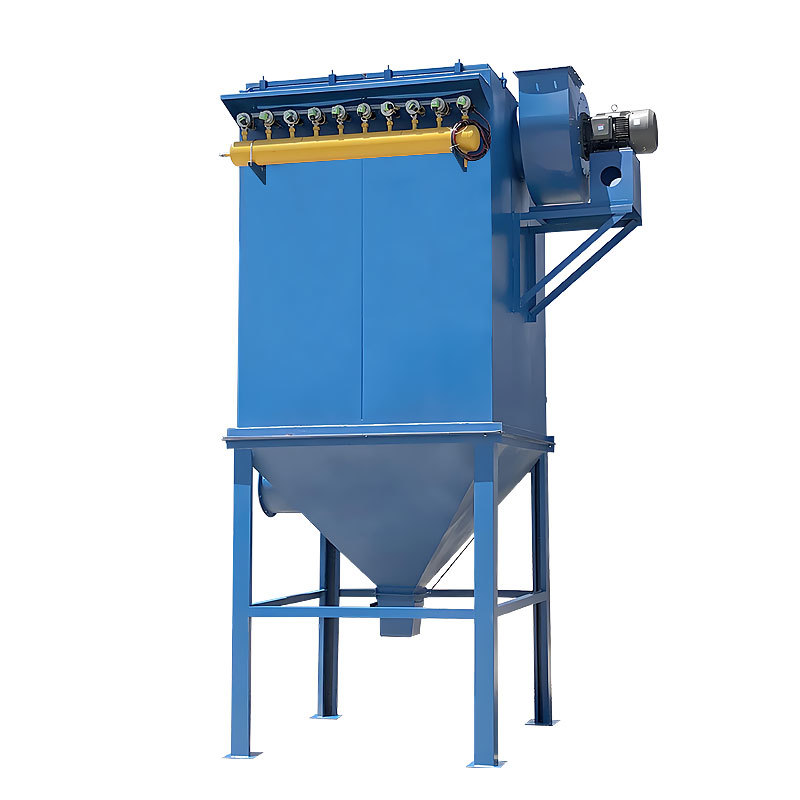
Baghouse dust collectors are integral components in various industrial applications that require efficient dust and particulate matter removal from the air. These systems are designed to manage air quality and ensure compliance with environmental regulations while protecting both workers and equipment from harmful pollutants. Understanding how baghouse dust collectors work and their benefits can help industries make better choices regarding air purification.
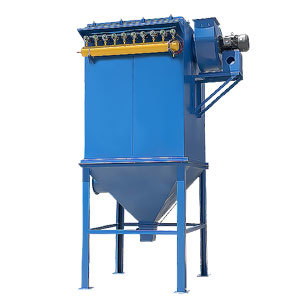
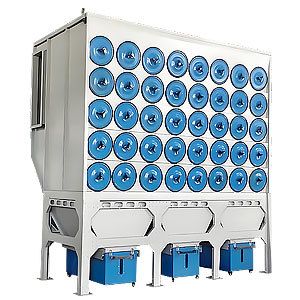
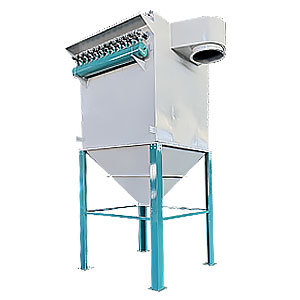
A baghouse dust collector operates on a simple yet effective principle: it utilizes fabric filter bags to capture airborne particles. As contaminated air passes through the baghouse, dust and particulates are trapped inside the filter bags while clean air is allowed to escape. This process not only helps in improving air quality but also reduces the risk of respiratory issues among workers exposed to harmful dust.
One of the significant advantages of baghouse dust collectors is their versatility. They can be tailored to meet the specific needs of various industries, including manufacturing, woodworking, food processing, and pharmaceuticals. Additionally, these systems can handle different types of dust, from fine particles to larger debris, making them suitable for a range of applications.
Maintaining a baghouse dust collector is crucial for its efficiency and longevity. Regular inspection and cleaning are essential to ensure that the filter bags operate effectively. Over time, dust accumulation can lead to decreased airflow and efficiency, resulting in higher energy consumption and increased operational costs. Implementing a scheduled maintenance program can help identify any issues early on and prolong the lifespan of the dust collector.
Moreover, investing in advanced baghouse technology can further enhance performance. Features like automated cleaning systems, real-time monitoring, and energy-efficient designs contribute to operational efficiency and can lead to significant cost savings over time.
In summary, baghouse dust collectors play a pivotal role in maintaining air quality within industrial settings. By effectively capturing dust and particulates, these systems not only safeguard employee health but also promote compliance with environmental standards. Understanding their operation, benefits, and maintenance is essential for industries seeking to improve their air purification processes. Fostering a clean and safe work environment is not just a regulatory requirement; it is a commitment to the well-being of both employees and the surrounding community.
Baghouse dust collectors are integral components in various industrial applications that require efficient dust and particulate matter removal from the air. These systems are designed to manage air quality and ensure compliance with environmental regulations while protecting both workers and equipment from harmful pollutants. Understanding how baghouse dust collectors work and their benefits can help industries make better choices regarding air purification.
A baghouse dust collector operates on a simple yet effective principle: it utilizes fabric filter bags to capture airborne particles. As contaminated air passes through the baghouse, dust and particulates are trapped inside the filter bags while clean air is allowed to escape. This process not only helps in improving air quality but also reduces the risk of respiratory issues among workers exposed to harmful dust.
One of the significant advantages of baghouse dust collectors is their versatility. They can be tailored to meet the specific needs of various industries, including manufacturing, woodworking, food processing, and pharmaceuticals. Additionally, these systems can handle different types of dust, from fine particles to larger debris, making them suitable for a range of applications.
Maintaining a baghouse dust collector is crucial for its efficiency and longevity. Regular inspection and cleaning are essential to ensure that the filter bags operate effectively. Over time, dust accumulation can lead to decreased airflow and efficiency, resulting in higher energy consumption and increased operational costs. Implementing a scheduled maintenance program can help identify any issues early on and prolong the lifespan of the dust collector.
Moreover, investing in advanced baghouse technology can further enhance performance. Features like automated cleaning systems, real-time monitoring, and energy-efficient designs contribute to operational efficiency and can lead to significant cost savings over time.
In summary, baghouse dust collectors play a pivotal role in maintaining air quality within industrial settings. By effectively capturing dust and particulates, these systems not only safeguard employee health but also promote compliance with environmental standards. Understanding their operation, benefits, and maintenance is essential for industries seeking to improve their air purification processes. Fostering a clean and safe work environment is not just a regulatory requirement; it is a commitment to the well-being of both employees and the surrounding community.
Hot Tags:


Contact Us
Tel:
WeChat:
WhatsApp:
E-mail:
Address:
338 National Road South, Longfengdian Village, Botou City, Hebei Province, China
JiuznTomine is expertly delivering technically complicated projects in markets & provides custom solutions for their customized need.


CONTACT INFO
Tel: +86 18531710311
WeChat: +86-18531710311
338 National Road South, Longfengdian Village, Botou City, Hebei Province, China