













Top Benefits of Using a Bag Dust Collector in Manufacturing
Oct 17,2025
Top Benefits of Using a Bag Dust Collector in Manufacturing
Table of Contents
Introduction to Bag Dust Collectors in Manufacturing
1. Improved Air Quality and Workplace Safety
2. Enhanced Compliance with Environmental Regulations
3. Increased Operational Efficiency
4. Cost-Effectiveness and Longevity
5. Versatile Applications Across Industries
Maintenance Tips for Bag
Top Benefits of Using a Bag Dust Collector in Manufacturing
Table of Contents
- Introduction to Bag Dust Collectors in Manufacturing
- 1. Improved Air Quality and Workplace Safety
- 2. Enhanced Compliance with Environmental Regulations
- 3. Increased Operational Efficiency
- 4. Cost-Effectiveness and Longevity
- 5. Versatile Applications Across Industries
- Maintenance Tips for Bag Dust Collectors
- Frequently Asked Questions
- Conclusion
Introduction to Bag Dust Collectors in Manufacturing
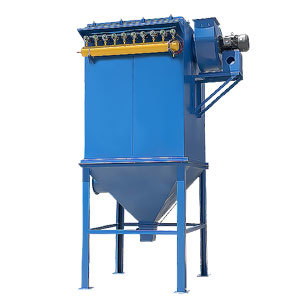
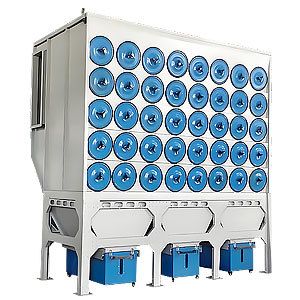
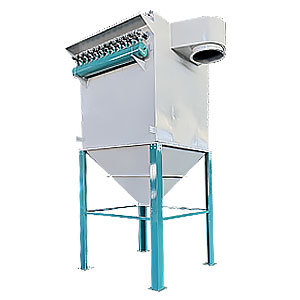
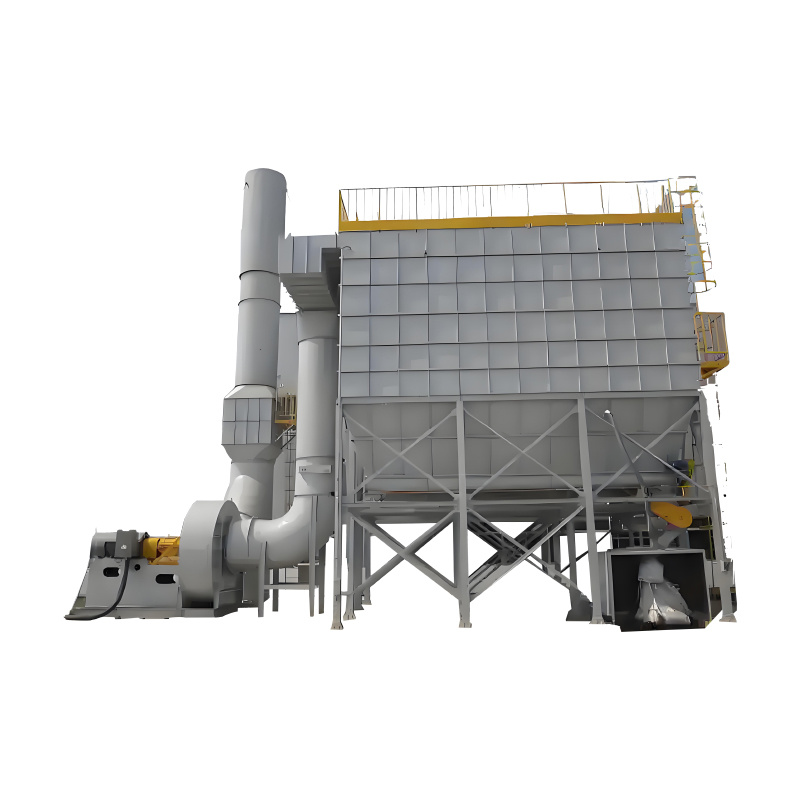
In the manufacturing sector, **air quality** is a critical aspect that directly affects both employee health and operational efficiency. With the increasing awareness of environmental concerns and workplace safety, companies are turning to advanced solutions like **bag dust collectors**. These systems are designed to capture airborne dust and particulate matter generated during various manufacturing processes, thereby ensuring cleaner air quality.
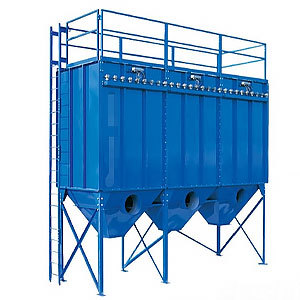
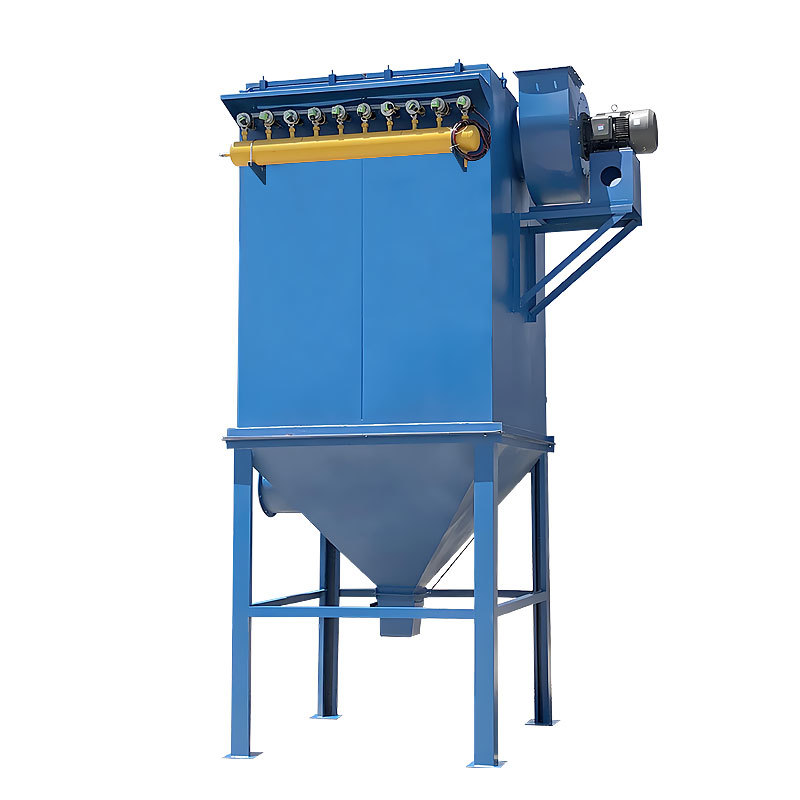
Bag dust collectors utilize a series of fabric filters or bags to trap dust particles while allowing clean air to be released back into the environment. This not only helps in maintaining a safe workplace but also aids in compliance with stringent environmental regulations. In this article, we will delve into the various benefits of using bag dust collectors in manufacturing, highlighting their essential role in modern industrial operations.
1. Improved Air Quality and Workplace Safety
One of the foremost benefits of implementing a bag dust collector system is the **improvement of air quality** within the manufacturing facility. Dust and particulate matter can severely impact the respiratory health of employees. By effectively capturing these airborne pollutants, bag dust collectors significantly reduce the risk of **respiratory diseases** and improve overall workplace safety.
Moreover, maintaining a clean environment helps in enhancing employee morale and productivity. When workers are not exposed to hazardous dust, they are likely to experience fewer health-related issues, leading to reduced absenteeism and increased efficiency.
2. Enhanced Compliance with Environmental Regulations
Manufacturing plants are subject to a myriad of **environmental regulations** aimed at minimizing pollution and protecting public health. Bag dust collectors are instrumental in helping facilities comply with these regulations by effectively controlling emissions. This not only prevents legal repercussions but also enhances the company's reputation as a responsible corporate citizen.
Failure to meet these standards can result in heavy fines and operational restrictions. Thus, investing in a reliable bag dust collector can shield businesses from potential liabilities and ensure adherence to local and national environmental laws.
3. Increased Operational Efficiency
Bag dust collectors are designed with efficiency in mind. Many modern systems feature advanced technologies that optimize airflow and dust collection processes. This leads to reduced energy consumption and operational costs. By keeping machinery clean from dust buildup, these systems also prolong the lifespan of equipment and reduce maintenance needs.
Additionally, a properly functioning dust collection system enhances the overall efficiency of manufacturing operations. Clean machinery operates better, resulting in fewer breakdowns and more consistent production output.
4. Cost-Effectiveness and Longevity
Investing in a bag dust collector may seem significant initially, but the long-term savings are noteworthy. By reducing health-related costs, minimizing equipment wear, and ensuring compliance with regulations, these systems offer excellent return on investment (ROI).
The filters used in bag dust collectors are designed for longevity and can be replaced or cleaned, depending on the system. This means lower replacement costs over time, making them a financially sound option for manufacturers looking to improve air quality without breaking the bank.
5. Versatile Applications Across Industries
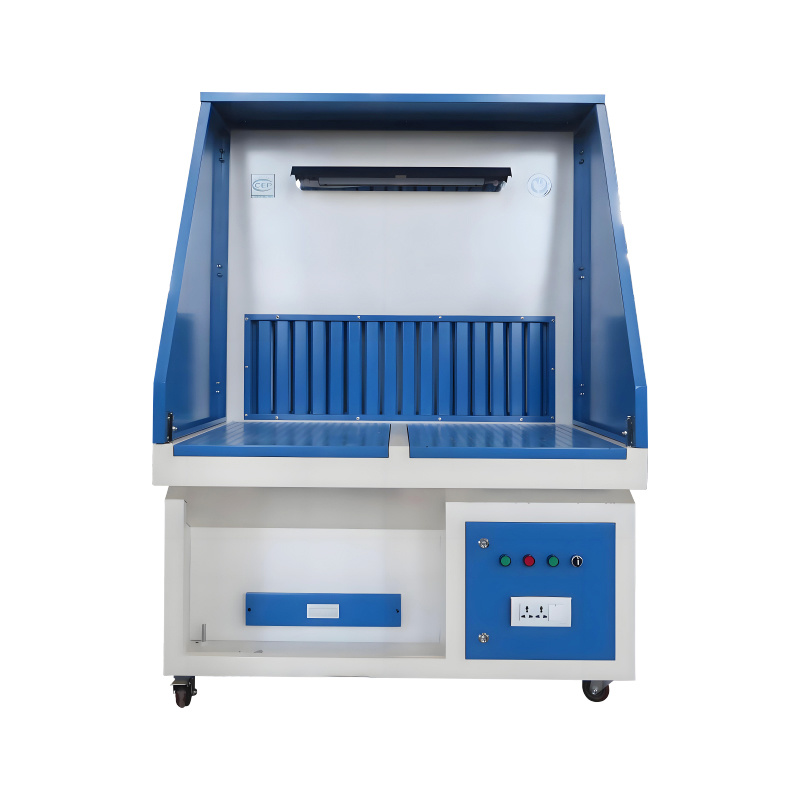
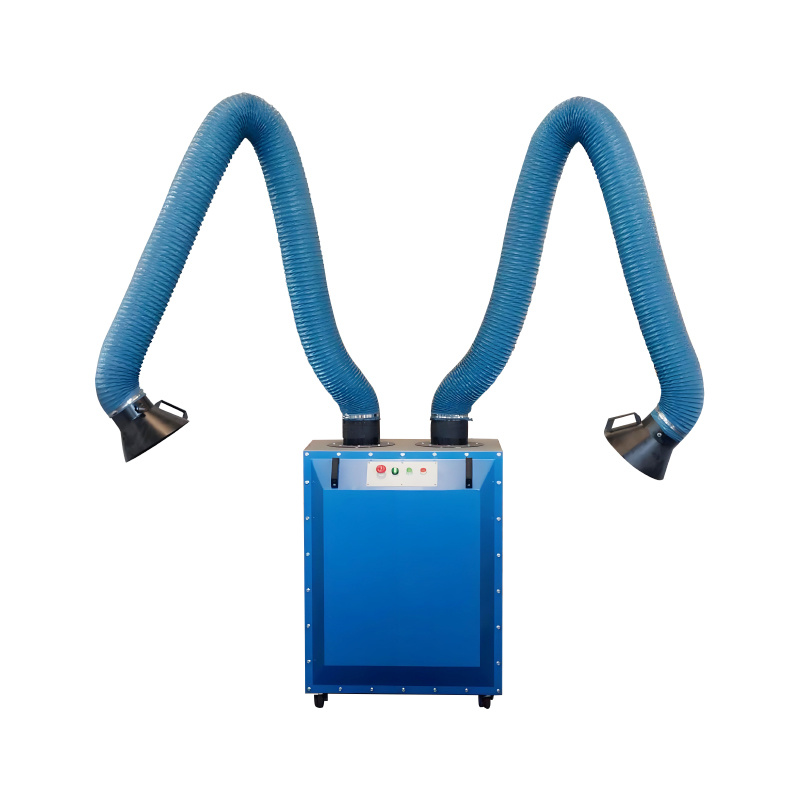
Bag dust collectors are not limited to a single type of manufacturing process. Their versatility allows them to be used across various industries, including woodworking, metalworking, food processing, and pharmaceuticals.
Whether it's capturing fine wood dust or metallic shavings, bag dust collectors can be tailored to meet the specific needs of different manufacturing environments. This adaptability makes them a valuable asset for manufacturers looking to optimize their operations and maintain a safe workplace.
Maintenance Tips for Bag Dust Collectors
To ensure maximum efficiency and longevity of bag dust collectors, regular maintenance is crucial. Here are some essential maintenance tips:
1. Regular Filter Inspection and Replacement
Check filters frequently for signs of wear or clogging. Clean or replace them as needed to maintain optimal airflow.
2. System Cleaning
Periodically clean the entire dust collection system, including ducts and hoppers, to prevent dust buildup that can hinder performance.
3. Monitor Pressure Drops
Keep an eye on pressure gauges to detect any significant pressure drops, which could indicate a problem with the filters or airflow.
4. Schedule Professional Maintenance
Consider having a professional technician conduct regular inspections to identify potential issues before they become serious problems.
5. Document Maintenance Activities
Keep a log of all maintenance activities, including inspections, repairs, and part replacements, to track the system's performance over time.
Frequently Asked Questions
1. What is a bag dust collector?
A bag dust collector is an air pollution control device that captures dust and particulates from the air using fabric filters or bags.
2. How do bag dust collectors work?
These systems pull contaminated air through a series of fabric filters that trap dust particles, allowing clean air to be released back into the environment.
3. What industries benefit from bag dust collectors?
Bag dust collectors are used across various industries, including woodworking, metalworking, pharmaceuticals, food processing, and more.
4. How often should bag filters be replaced?
The frequency of filter replacement depends on usage and the type of dust collected. Regular inspections will help determine the right schedule.
5. Are bag dust collectors environmentally friendly?
Yes, they help reduce airborne pollutants and ensure compliance with environmental regulations, contributing to a cleaner and healthier workplace.
Conclusion
The benefits of using a bag dust collector in manufacturing are extensive and multifaceted. From enhancing air quality and ensuring employee safety to improving operational efficiency and compliance with regulations, these systems play a critical role in modern manufacturing. By investing in a reliable bag dust collector, companies not only protect their workforce but also contribute to a sustainable and environmentally responsible manufacturing process. The versatility and cost-effectiveness of bag dust collectors further solidify their status as essential components in successful manufacturing operations.
Hot Tags:
PREVIOUS:


Contact Us
Tel:
WeChat:
WhatsApp:
E-mail:
Address:
338 National Road South, Longfengdian Village, Botou City, Hebei Province, China
JiuznTomine is expertly delivering technically complicated projects in markets & provides custom solutions for their customized need.


CONTACT INFO
Tel: +86 18531710311
WeChat: +86-18531710311
338 National Road South, Longfengdian Village, Botou City, Hebei Province, China