













Understanding Baghouse Dust Collection Systems: Key Benefits and Features
Aug 22,2025
Baghouse dust collection systems are essential components in various industrial applications, primarily designed to control and remove particulate matter from the air. These systems play a critical role in maintaining air quality, ensuring compliance with environmental regulations, and safeguarding worker health. The efficiency of a baghouse dust collection system hinges on its design, operation,

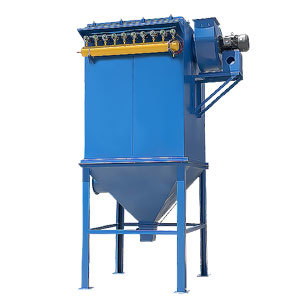
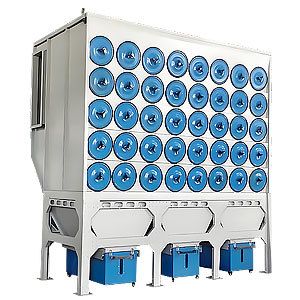
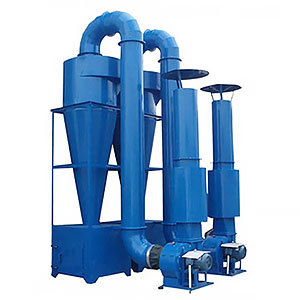
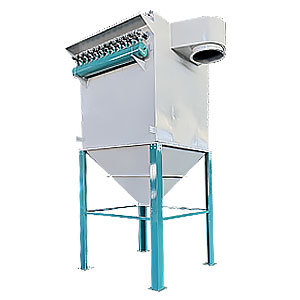
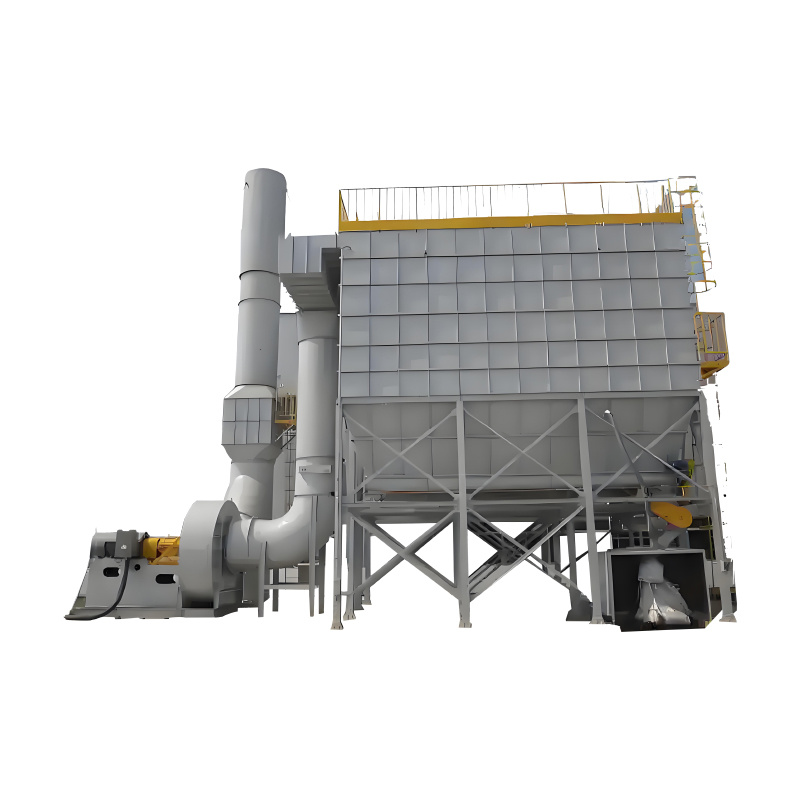
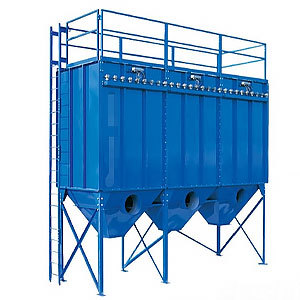
Baghouse dust collection systems are essential components in various industrial applications, primarily designed to control and remove particulate matter from the air. These systems play a critical role in maintaining air quality, ensuring compliance with environmental regulations, and safeguarding worker health. The efficiency of a baghouse dust collection system hinges on its design, operation, and maintenance, making it vital for professionals in the field to understand how these systems function and their numerous advantages.
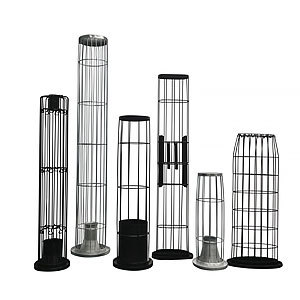
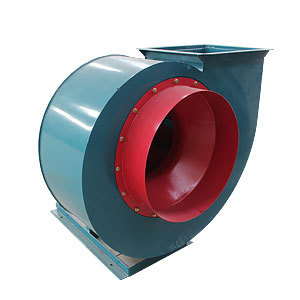
At their core, baghouse dust collection systems utilize a series of filter bags to capture dust and particulate matter from the air. The process typically begins with a fan that draws contaminated air into the system. As the air passes through the filter bags, larger particles are trapped on the surface, while cleaner air is expelled back into the environment. This not only helps maintain air quality but also protects equipment and reduces the risk of fire hazards associated with dust accumulation.
One of the primary benefits of baghouse dust collection systems is their versatility. They can be customized to accommodate various dust types and volumes, making them suitable for a range of industries, including manufacturing, construction, and mining. Additionally, these systems can be integrated into existing processes, enhancing overall performance without requiring substantial modifications to infrastructure.
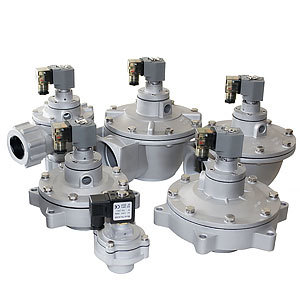
Maintenance is another critical aspect to consider. Regular inspection and cleaning of filter bags ensure optimal performance and extend the lifespan of the system. Many baghouse systems are equipped with automatic cleaning mechanisms that utilize reverse air or pulse jet technology to dislodge accumulated dust from the bags, minimizing downtime and maintenance efforts.
The efficiency of a baghouse dust collection system can be measured by its dust collection efficiency and air-to-cloth ratio. High-quality systems can achieve over 99% dust collection efficiency, significantly reducing airborne particulate levels. The air-to-cloth ratio, which indicates the amount of air processed relative to the filter area, is also crucial. A lower ratio typically indicates a more effective system, but it is essential to balance efficiency with the capacity to manage the specific dust load of an application.
In conclusion, understanding the fundamentals of baghouse dust collection systems is essential for industrial professionals aiming to enhance air quality and comply with regulatory standards. By choosing the right system and ensuring proper maintenance, industries can effectively manage dust emissions, protect their workforce, and contribute to a cleaner environment.
At their core, baghouse dust collection systems utilize a series of filter bags to capture dust and particulate matter from the air. The process typically begins with a fan that draws contaminated air into the system. As the air passes through the filter bags, larger particles are trapped on the surface, while cleaner air is expelled back into the environment. This not only helps maintain air quality but also protects equipment and reduces the risk of fire hazards associated with dust accumulation.
One of the primary benefits of baghouse dust collection systems is their versatility. They can be customized to accommodate various dust types and volumes, making them suitable for a range of industries, including manufacturing, construction, and mining. Additionally, these systems can be integrated into existing processes, enhancing overall performance without requiring substantial modifications to infrastructure.
Maintenance is another critical aspect to consider. Regular inspection and cleaning of filter bags ensure optimal performance and extend the lifespan of the system. Many baghouse systems are equipped with automatic cleaning mechanisms that utilize reverse air or pulse jet technology to dislodge accumulated dust from the bags, minimizing downtime and maintenance efforts.
The efficiency of a baghouse dust collection system can be measured by its dust collection efficiency and air-to-cloth ratio. High-quality systems can achieve over 99% dust collection efficiency, significantly reducing airborne particulate levels. The air-to-cloth ratio, which indicates the amount of air processed relative to the filter area, is also crucial. A lower ratio typically indicates a more effective system, but it is essential to balance efficiency with the capacity to manage the specific dust load of an application.
In conclusion, understanding the fundamentals of baghouse dust collection systems is essential for industrial professionals aiming to enhance air quality and comply with regulatory standards. By choosing the right system and ensuring proper maintenance, industries can effectively manage dust emissions, protect their workforce, and contribute to a cleaner environment.
Hot Tags:


Contact Us
Tel:
WeChat:
WhatsApp:
E-mail:
Address:
338 National Road South, Longfengdian Village, Botou City, Hebei Province, China
JiuznTomine is expertly delivering technically complicated projects in markets & provides custom solutions for their customized need.


CONTACT INFO
Tel: +86 18531710311
WeChat: +86-18531710311
338 National Road South, Longfengdian Village, Botou City, Hebei Province, China