













How a Durable Baghouse Dust Collector Enhances Workplace Safety: Key Benefits and Features
Aug 17,2025
How a Durable Baghouse Dust Collector Improves Workplace Safety
Introduction to Baghouse Dust Collectors
In various industrial environments, the presence of airborne dust particles poses significant health risks to employees. The implementation of a **durable baghouse dust collector** serves as a vital solution to enhance workplace safety. By effectively removing harmful particulate matter from th
How a Durable Baghouse Dust Collector Improves Workplace Safety
Introduction to Baghouse Dust Collectors
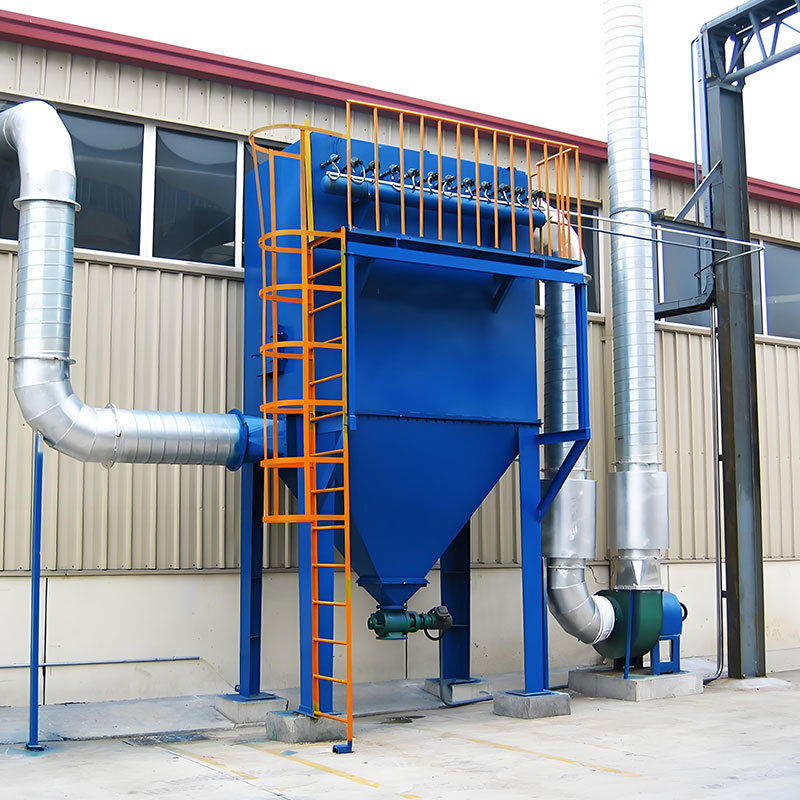
In various industrial environments, the presence of airborne dust particles poses significant health risks to employees. The implementation of a **durable baghouse dust collector** serves as a vital solution to enhance workplace safety. By effectively removing harmful particulate matter from the air, these systems ensure cleaner air and a healthier work environment.
The Importance of Workplace Safety in Industrial Settings
Ensuring worker safety is paramount in industrial settings where dust and other contaminants are prevalent. The repercussions of neglecting air quality can lead to serious health issues, including respiratory problems and long-term illnesses. Investing in a **high-quality baghouse dust collector** is essential for protecting employees while optimizing operational efficiency.
Understanding the Mechanism of a Baghouse Dust Collector
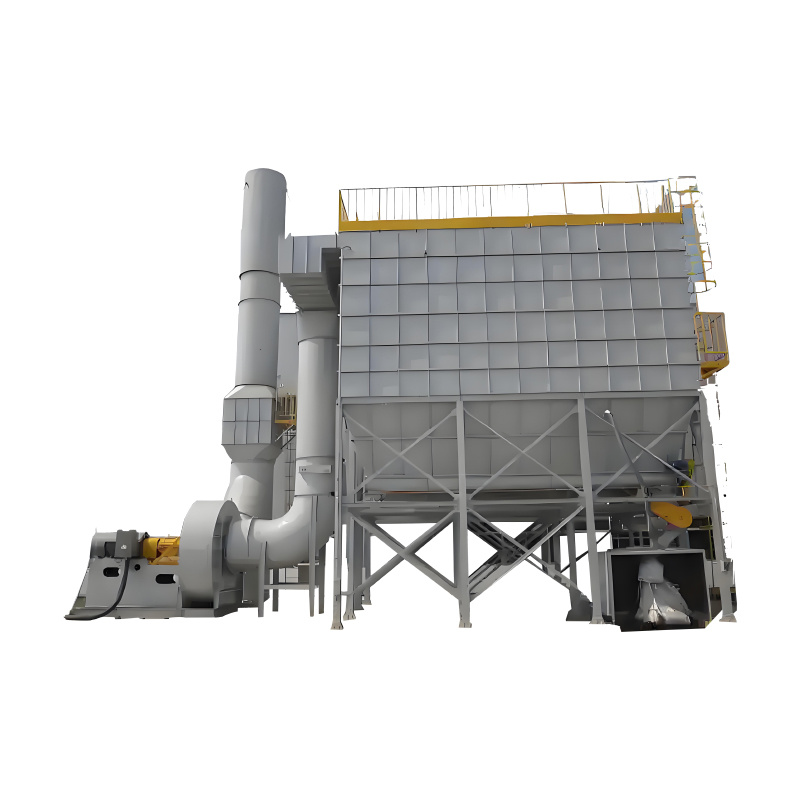
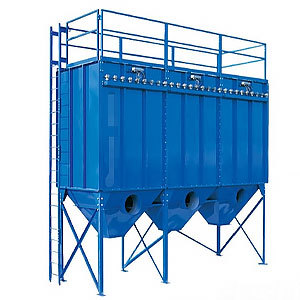
A baghouse dust collector employs a series of fabric filters that capture airborne dust particles. The system works through several stages:
1. Airflow and Capture
As contaminated air enters the baghouse, it is directed through a series of filters. The fabric material effectively captures particulate matter, allowing clean air to flow back into the environment.
2. Filter Maintenance and Cleaning
Scheduled maintenance is crucial for optimal performance. Many baghouse dust collectors feature automatic cleaning systems that reverse the airflow to dislodge collected dust from the filters. This ensures consistent air quality and prolongs filter lifespan.
3. Disposal of Collected Dust
The collected dust is then funneled into a disposal system, which can either be recycled or discarded safely, minimizing environmental impact.
Key Benefits of a Durable Baghouse Dust Collector
Investing in a durable baghouse dust collector yields numerous benefits that directly contribute to improved workplace safety.
1. Enhanced Air Quality
Implementing a baghouse system significantly reduces airborne dust levels, ensuring that employees breathe cleaner air. Improved air quality leads to fewer respiratory issues, reducing sick leave among workers.
2. Compliance with Health Regulations
Many industries are subject to stringent regulations regarding air quality. A durable baghouse dust collector helps businesses maintain compliance with OSHA and EPA standards, avoiding fines and potential legal repercussions.
3. Increased Worker Productivity
A clean work environment contributes to higher employee morale and productivity. Workers are less distracted by dust-related issues, which can lead to increased efficiency and output.
4. Long-Term Cost Savings
While the initial investment in a baghouse dust collector may seem significant, the long-term savings related to health care costs, regulatory fines, and increased productivity make it a wise choice for any business.
5. Versatility in Application
Baghouse dust collectors are adaptable to various industrial settings, including woodworking, metalworking, food processing, and more. Their versatility makes them an ideal choice for companies operating in multiple sectors.
Choosing the Right Baghouse Dust Collector
Selecting the most suitable baghouse dust collector for your facility requires careful consideration of several factors.
1. Airflow Requirements
Assessing your facility’s airflow requirements is crucial for selecting a collector capable of handling the volume of air and dust produced during operations.
2. Type of Dust Collected
Different types of dust require specific filtration technologies. Understanding the nature of the dust your operation generates will help in choosing the appropriate filtration media.
3. Space and Configuration
Evaluating the available space in your facility will guide you in selecting a baghouse design that fits seamlessly into your operational layout. Options range from horizontal to vertical configurations.
4. Maintenance Needs
Consider the maintenance demands of the collector. Automatic cleaning systems can reduce the need for manual intervention and ensure consistent performance.
5. Budget and Investment
Establishing a budget for your dust collector is vital. Weigh the upfront costs against long-term benefits, focusing on quality over initial price to ensure a worthwhile investment.
Common Misconceptions About Baghouse Dust Collectors
Several misconceptions surround baghouse dust collectors that can cloud decision-making.
1. They are Too Expensive
While initial costs may be high, the long-term savings and health benefits far outweigh the initial investment.
2. They Require Constant Supervision
Modern baghouse systems are designed for efficiency and often include automated features that minimize the need for constant monitoring.
3. They Are Only for Large Operations
Baghouse dust collectors are available in various sizes and can be tailored to fit small to large operations equally well.
Best Practices for Maintaining a Baghouse Dust Collector
To maximize the effectiveness of your baghouse dust collector, adhering to best maintenance practices is essential.
1. Regular Inspections
Perform routine inspections to identify potential issues before they escalate.
2. Timely Filter Replacement
Changing out filters according to the manufacturer’s recommendations ensures optimal performance and air quality.
3. Monitoring Airflow Patterns
Keeping track of airflow changes can signal filter clogging or mechanical issues.
4. Clean the Collector Regularly
Scheduled cleanings prolong the life of the system and maintain air quality.
Frequently Asked Questions (FAQs)
1. What type of dust can a baghouse dust collector handle?
Baghouse dust collectors can accommodate various types of dust, including wood dust, metal shavings, and fine particles from food processing.
2. How often should I clean the filters?
Filter cleaning frequency depends on the dust load, but generally, it should be done regularly, with many systems featuring automatic cleaning cycles.
3. Can I retrofit an existing dust collection system with a baghouse?
Yes, many existing systems can be upgraded to include baghouse technology, enhancing efficiency and air quality.
4. What is the lifespan of a baghouse dust collector?
With proper maintenance, a baghouse dust collector can last between 10-20 years, depending on usage and environmental conditions.
5. How do I know if my baghouse is performing effectively?
Monitoring airflow rates, checking for excessive pressure drops, and evaluating air quality will indicate the performance of your baghouse dust collector.
Conclusion
Investing in a **durable baghouse dust collector** is not merely a compliance measure; it is a significant step toward ensuring workplace safety and improving air quality. The numerous benefits, from enhanced health and safety to increased productivity and cost savings, underscore the importance of this equipment in industrial settings. By understanding their mechanisms, choosing the right model, and adhering to best maintenance practices, companies can create a healthier work environment while fostering operational excellence.
Hot Tags:


Contact Us
Tel:
WeChat:
WhatsApp:
E-mail:
Address:
338 National Road South, Longfengdian Village, Botou City, Hebei Province, China
JiuznTomine is expertly delivering technically complicated projects in markets & provides custom solutions for their customized need.


CONTACT INFO
Tel: +86 18531710311
WeChat: +86-18531710311
338 National Road South, Longfengdian Village, Botou City, Hebei Province, China