












Maximizing Efficiency and Safety with Grinding Platform Dust Collectors
Nov 30,2024
In industrial environments, especially those involving grinding processes, controlling airborne dust is crucial for ensuring safety and maintaining productivity. Grinding platform dust collectors serve as essential equipment designed to capture and remove harmful dust particles generated during grinding operations. These dust collectors not only help in keeping the workspace clean but also play a

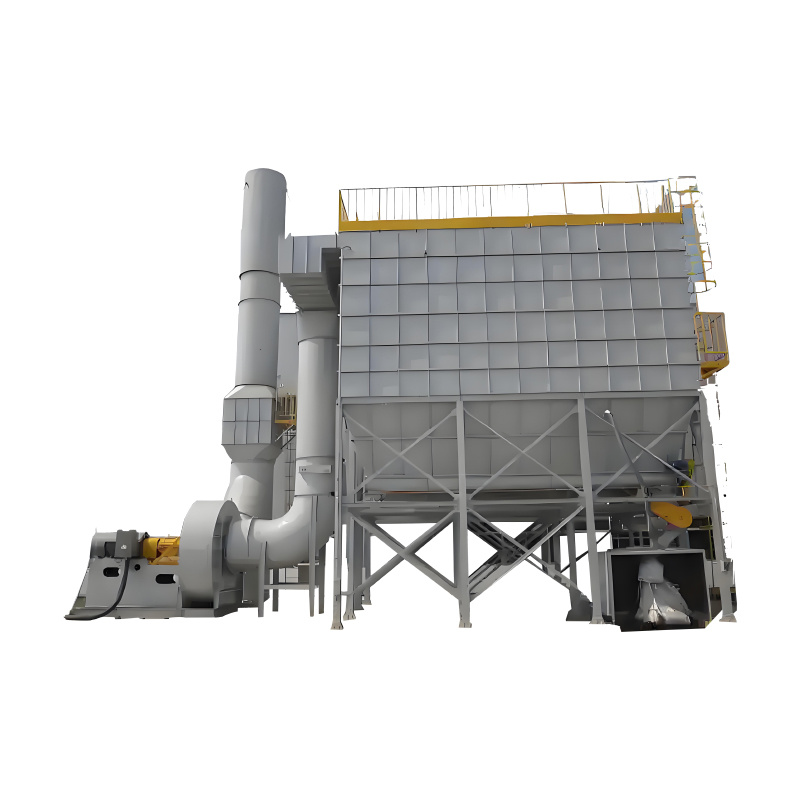
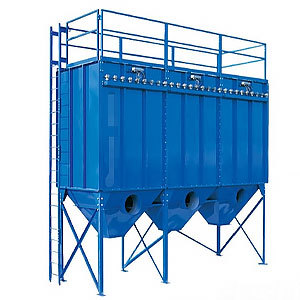
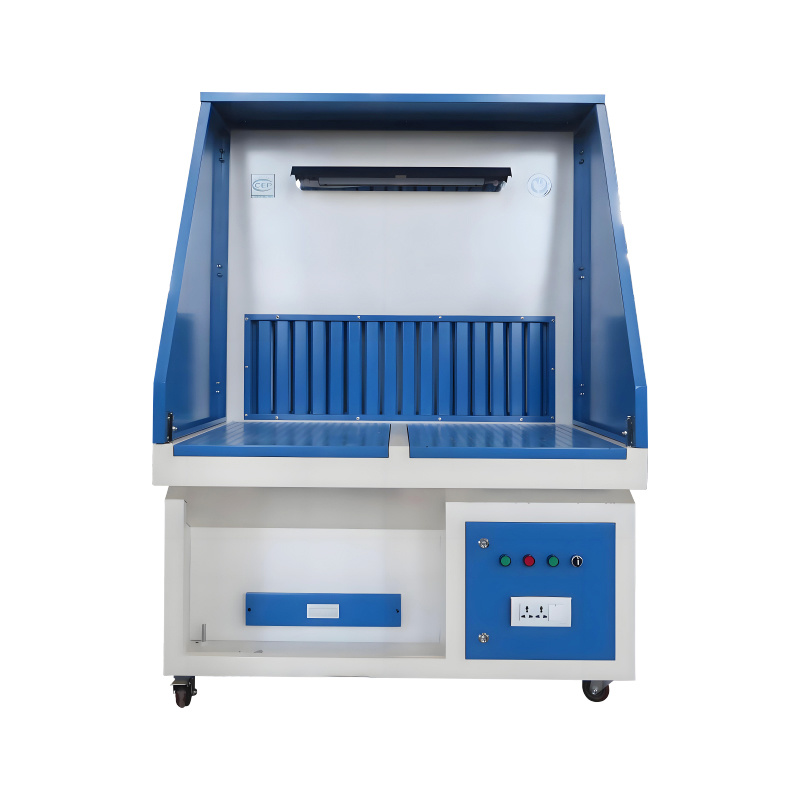
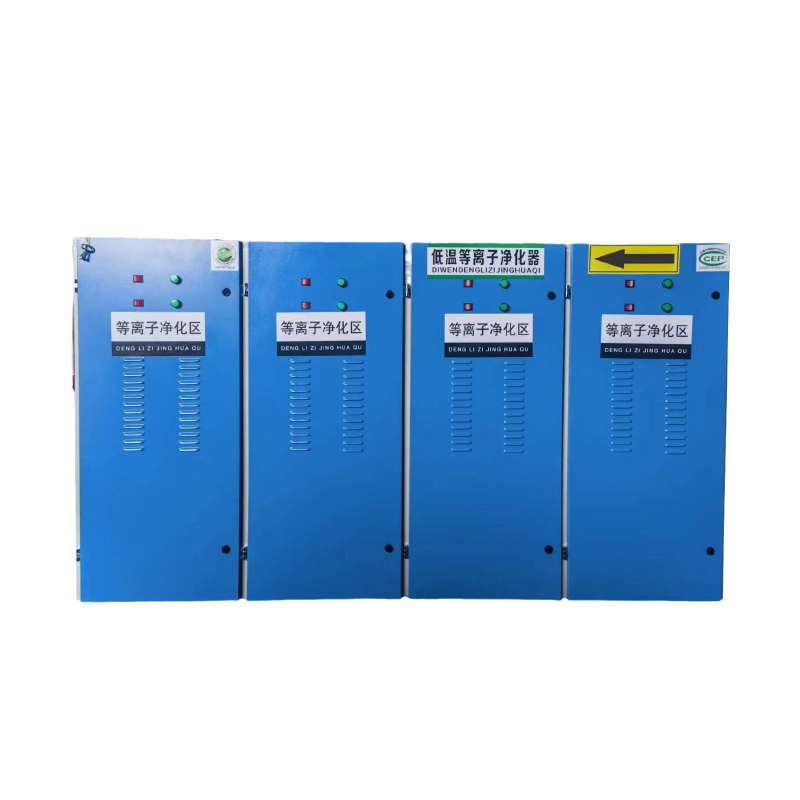
In industrial environments, especially those involving grinding processes, controlling airborne dust is crucial for ensuring safety and maintaining productivity. Grinding platform dust collectors serve as essential equipment designed to capture and remove harmful dust particles generated during grinding operations. These dust collectors not only help in keeping the workspace clean but also play a significant role in protecting workers' health and prolonging equipment life.
One of the primary functions of a grinding platform dust collector is to capture fine particulate matter that can lead to respiratory issues when inhaled. These dust collectors are equipped with advanced filtration systems that efficiently trap dust particles, preventing them from entering the air and ensuring a healthier work environment. By employing a dust collector, companies can comply with occupational health and safety regulations, thereby mitigating risks associated with dust exposure.
When selecting a grinding platform dust collector, there are several factors to consider. First and foremost is the type of material being processed. Different materials generate varying amounts of dust and require specific filtration capabilities. For instance, metal grinding produces different dust characteristics compared to wood or plastic grinding. Understanding the nature of the dust generated will guide you in choosing a collector with the appropriate filtration media and efficiency.
Another critical consideration is the airflow requirements. A dust collector must have adequate airflow to efficiently capture dust at the source. This is often measured in cubic feet per minute (CFM). Analyzing the size of the grinding operation and the volume of dust produced will help in determining the necessary CFM and the size of the dust collector needed.
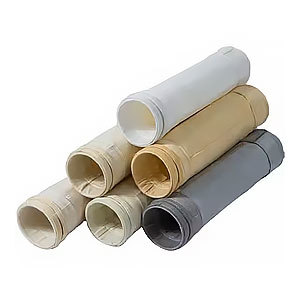
Maintenance of the grinding platform dust collector is also vital for its longevity and performance. Regular filter inspections and replacements are necessary to ensure optimal operation. Additionally, checking for clogs and proper cleaning of the system will help maintain airflow and filtration efficiency.
Moreover, the installation location of the dust collector can significantly impact its effectiveness. Positioning it closer to the source of dust generation minimizes the distance dust has to travel, leading to better capture rates. In some cases, portable dust collectors may be an ideal solution, providing flexibility to be moved to various grinding stations as needed.
In conclusion, grinding platform dust collectors are indispensable in industrial settings where grinding occurs. They ensure a safer work environment, enhance operational efficiency, and comply with health regulations. By considering factors such as material type, airflow requirements, maintenance needs, and installation location, you can select the most effective dust collector for your operations. Investing in a reliable dust collection system is a proactive approach to safeguarding both workers and the workplace.
One of the primary functions of a grinding platform dust collector is to capture fine particulate matter that can lead to respiratory issues when inhaled. These dust collectors are equipped with advanced filtration systems that efficiently trap dust particles, preventing them from entering the air and ensuring a healthier work environment. By employing a dust collector, companies can comply with occupational health and safety regulations, thereby mitigating risks associated with dust exposure.
When selecting a grinding platform dust collector, there are several factors to consider. First and foremost is the type of material being processed. Different materials generate varying amounts of dust and require specific filtration capabilities. For instance, metal grinding produces different dust characteristics compared to wood or plastic grinding. Understanding the nature of the dust generated will guide you in choosing a collector with the appropriate filtration media and efficiency.
Another critical consideration is the airflow requirements. A dust collector must have adequate airflow to efficiently capture dust at the source. This is often measured in cubic feet per minute (CFM). Analyzing the size of the grinding operation and the volume of dust produced will help in determining the necessary CFM and the size of the dust collector needed.
Maintenance of the grinding platform dust collector is also vital for its longevity and performance. Regular filter inspections and replacements are necessary to ensure optimal operation. Additionally, checking for clogs and proper cleaning of the system will help maintain airflow and filtration efficiency.
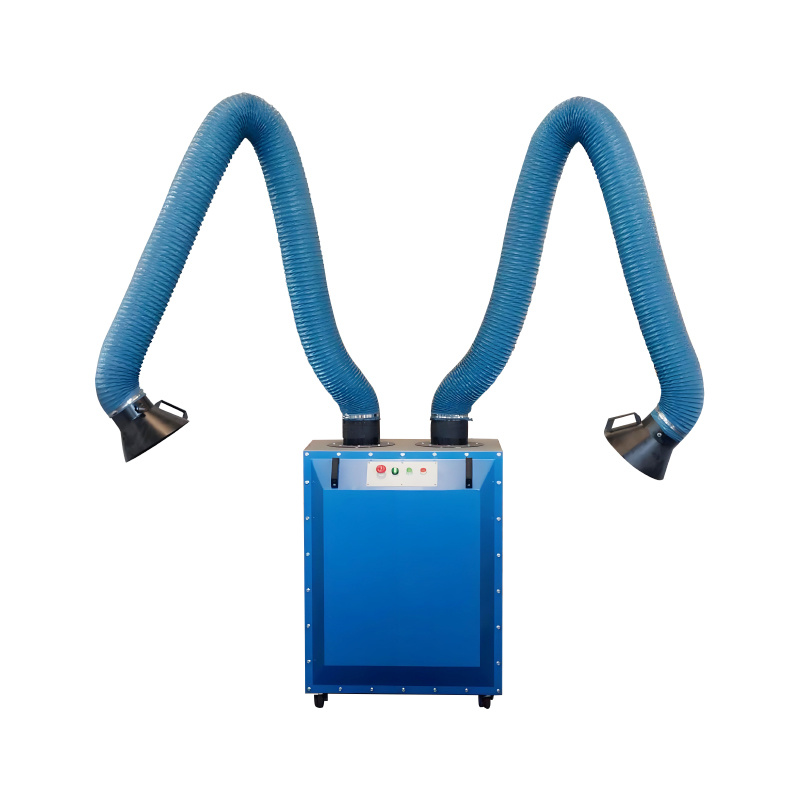
Moreover, the installation location of the dust collector can significantly impact its effectiveness. Positioning it closer to the source of dust generation minimizes the distance dust has to travel, leading to better capture rates. In some cases, portable dust collectors may be an ideal solution, providing flexibility to be moved to various grinding stations as needed.
In conclusion, grinding platform dust collectors are indispensable in industrial settings where grinding occurs. They ensure a safer work environment, enhance operational efficiency, and comply with health regulations. By considering factors such as material type, airflow requirements, maintenance needs, and installation location, you can select the most effective dust collector for your operations. Investing in a reliable dust collection system is a proactive approach to safeguarding both workers and the workplace.
Hot Tags:


Contact Us
Tel:
WeChat:
WhatsApp:
E-mail:
Address:
338 National Road South, Longfengdian Village, Botou City, Hebei Province, China
JiuznTomine is expertly delivering technically complicated projects in markets & provides custom solutions for their customized need.


CONTACT INFO
Tel: +86 18531710311
WeChat: +86-18531710311
338 National Road South, Longfengdian Village, Botou City, Hebei Province, China