











The Crucial Link Between Galvanized Dust Removal Skeletons and System Reliability in Industrial Equipment
Nov 29,2024
The Crucial Link Between Galvanized Dust Removal Skeletons and System Reliability in Industrial Equipment
Understanding Galvanized Dust Removal Skeletons
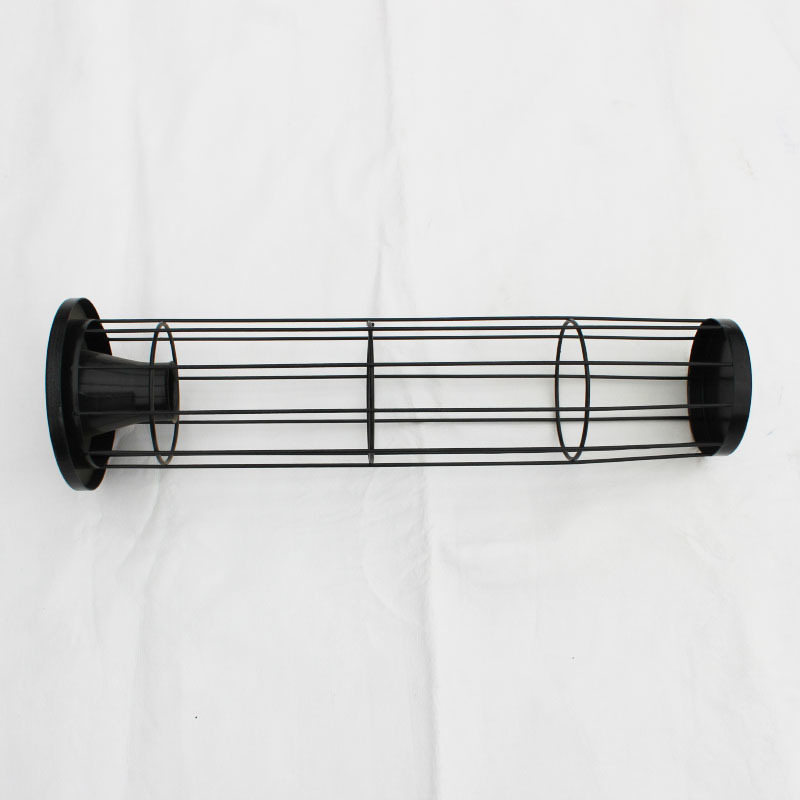
To appreciate the significance of galvanized dust removal skeletons, we must first comprehend what they are and their role in industrial settings. In essence, these skeletons serve as structural frameworks within dust collection systems, providin
The Crucial Link Between Galvanized Dust Removal Skeletons and System Reliability in Industrial Equipment
Understanding Galvanized Dust Removal Skeletons
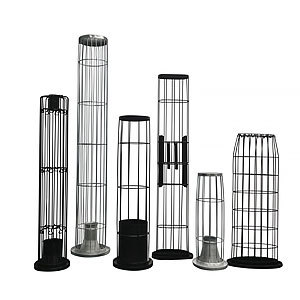
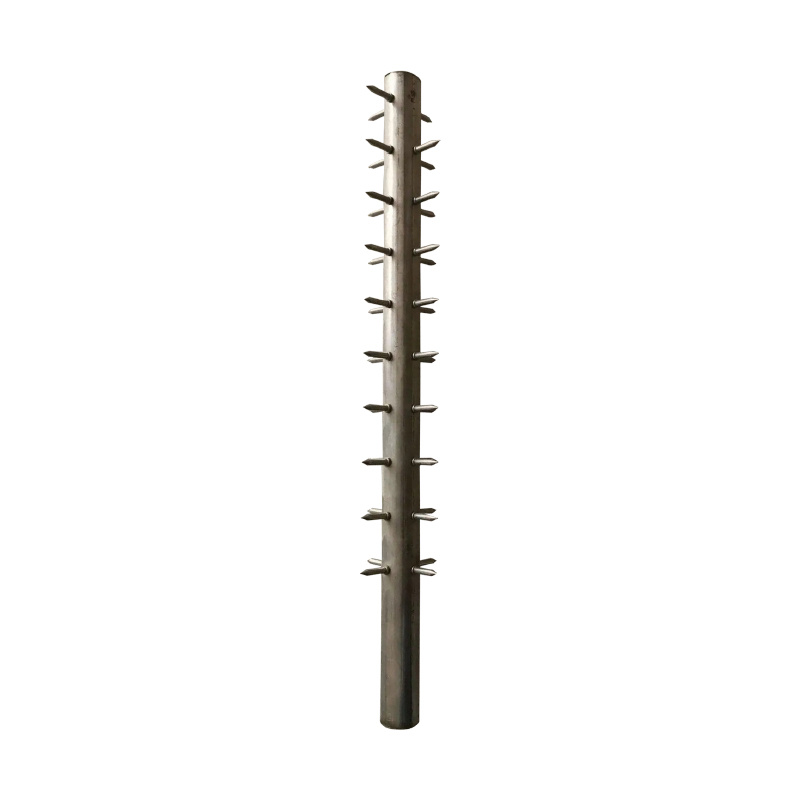
To appreciate the significance of galvanized dust removal skeletons, we must first comprehend what they are and their role in industrial settings. In essence, these skeletons serve as structural frameworks within dust collection systems, providing support for filters and other essential components.
The term "galvanized" refers to the coating process that involves applying a protective layer of zinc to steel or iron. This protective layer is vital, as it not only enhances the skeleton's durability and resistance to corrosion but also ensures a longer lifespan, particularly in environments prone to moisture and other corrosive elements.
Why System Reliability Matters in Industrial Equipment
System reliability is paramount in industrial operations. A reliable dust removal system ensures that particulate matter is effectively captured, minimizing contamination risks and maintaining air quality. This reliability directly affects machinery performance, operational costs, and overall productivity.
When dust removal systems fail, the consequences can be severe—ranging from equipment damage and increased maintenance costs to potential health hazards for workers. Thus, understanding how galvanized dust removal skeletons contribute to system reliability is essential for any industrial operation.
The Role of Galvanized Skeletons in Enhancing System Reliability
Galvanized dust removal skeletons play a crucial role in the overall efficiency and reliability of dust collection systems. Here are some key aspects of this relationship:
1. Corrosion Resistance
The galvanized coating provides a protective barrier against moisture and chemicals, preventing rust and deterioration. This is particularly important in environments where dust and debris can retain moisture, leading to corrosion of non-galvanized components. A corrosion-resistant skeleton ensures that the dust collection system remains operational for an extended period without the need for frequent replacements.
2. Structural Integrity
The structural integrity of the dust removal system is heavily reliant on the strength of its skeleton. Galvanized materials offer superior strength-to-weight ratios, which means they can withstand heavy loads and vibrations without compromising the system's functionality. This structural reliability minimizes the risk of system failures that could disrupt operations.
3. Flexibility and Customization
Galvanized dust removal skeletons can be easily customized to fit various industrial applications. This flexibility allows for tailored solutions that meet specific needs, whether for high- or low-volume dust collection. A well-designed skeleton enhances system reliability by ensuring optimal fitting and performance.
Best Practices for Maintaining System Reliability
Maintaining the reliability of dust removal systems requires diligent attention to several best practices:
1. Regular Inspections
Routine inspections of the galvanized skeleton and other components can help identify potential issues before they escalate. Look for signs of wear, corrosion, or structural damage, and address these problems immediately to maintain system reliability.
2. Scheduled Maintenance
Implementing a scheduled maintenance program is crucial for ensuring that all components of the dust removal system, including the galvanized skeleton, are functioning optimally. Regular cleaning, lubrication, and part replacements can prevent unexpected breakdowns.
3. Training Personnel
Educating employees about the importance of maintaining dust removal systems and the specific roles of the galvanized skeleton can foster a culture of proactive maintenance. Training sessions should cover operational best practices, safety considerations, and troubleshooting techniques.
Case Studies: Successful Implementation of Galvanized Dust Removal Skeletons
To illustrate the effectiveness of galvanized dust removal skeletons, let’s explore some real-world examples from various industries.
1. Manufacturing Industry
A large manufacturing facility struggled with dust accumulation, leading to frequent equipment failures and safety hazards. By upgrading to a galvanized dust removal system, they experienced a significant reduction in downtime, improved air quality, and enhanced worker safety. The corrosion-resistant skeleton held its integrity even in the face of harsh conditions, proving invaluable to the company's operational success.
2. Pharmaceutical Industry
In a pharmaceutical manufacturing facility, maintaining clean air is critical to product quality. The implementation of a galvanized dust removal skeleton allowed for efficient particulate capture without compromising airflow. This upgrade minimized the risk of contamination, thus ensuring compliance with stringent health regulations.
Comparing Galvanized to Non-Galvanized Skeletons
When evaluating dust removal skeletons, the choice between galvanized and non-galvanized options can significantly influence system reliability.
Corrosion Resistance
As previously discussed, galvanized skeletons offer superior corrosion resistance compared to their non-galvanized counterparts. In environments where moisture is prevalent, opting for galvanized materials can lead to substantial long-term savings by reducing replacement costs.
Longevity
The longevity of galvanized skeletons is another significant advantage. Non-galvanized options may require more frequent repairs or replacements, which can disrupt operations and lead to increased downtime.
Cost Considerations
While galvanized skeletons may have a higher upfront cost, their durability and reduced maintenance needs often result in lower total costs over time. Businesses must weigh initial investments against ongoing maintenance and replacement expenses to make informed decisions.
Future Trends in Dust Removal Systems
As industrial processes continue to evolve, so do dust removal technologies. Here are some emerging trends to watch for:
1. Smart Technology Integration
The integration of smart technologies into dust removal systems is on the rise. Sensors that monitor air quality, dust levels, and system performance can provide valuable data to optimize operations and maintenance schedules.
2. Sustainable Materials
With a growing emphasis on sustainability, manufacturers are exploring eco-friendly materials for dust removal systems. Galvanized options may see enhancements in their production processes to further reduce environmental impact.
3. Enhanced Filter Technologies
The development of advanced filter technologies is paramount in improving dust removal efficiency. When paired with robust galvanized skeletons, these filters can greatly improve overall system performance.
FAQs
1. What are galvanized dust removal skeletons?
Galvanized dust removal skeletons are structural frameworks made from steel or iron coated with zinc to prevent corrosion, supporting filters and other components in dust collection systems.
2. How do galvanized skeletons enhance system reliability?
They provide corrosion resistance, structural integrity, and customization options that contribute to the overall performance and longevity of dust removal systems.
3. What maintenance practices should be implemented for dust removal systems?
Regular inspections, scheduled maintenance, and personnel training are essential practices to maintain the reliability of dust removal systems.
4. Can galvanized skeletons withstand harsh environments?
Yes, the galvanized coating offers protection against moisture and chemicals, making these skeletons suitable for demanding industrial environments.
5. Are there cost benefits to using galvanized dust removal skeletons?
While the initial cost may be higher, the long-term savings from reduced maintenance, lower replacement rates, and enhanced reliability often justify the investment.
Conclusion
The relationship between galvanized dust removal skeletons and system reliability cannot be overstated. By investing in high-quality galvanized components, industrial operations can enhance their dust removal systems, bolstering overall performance, reducing maintenance costs, and ensuring a safer working environment. As we move toward more advanced technologies and sustainable practices, understanding this relationship will be key to navigating the future of industrial equipment.
Hot Tags:


Contact Us
Tel:
WeChat:
WhatsApp:
E-mail:
Address:
338 National Road South, Longfengdian Village, Botou City, Hebei Province, China
JiuznTomine is expertly delivering technically complicated projects in markets & provides custom solutions for their customized need.


CONTACT INFO
Tel: +86 18531710311
WeChat: +86-18531710311
338 National Road South, Longfengdian Village, Botou City, Hebei Province, China