











Understanding the Role of ESP Collecting Plates in Air Pollution Control
Nov 28,2024
Electrostatic precipitators (ESPs) are crucial components in modern air pollution control systems, widely used in various industrial applications to minimize particulate emissions. A vital part of these systems is the ESP collecting plate, which plays a significant role in the overall efficiency and performance of dust collection processes.
The ESP collecting plate operates based on the principles
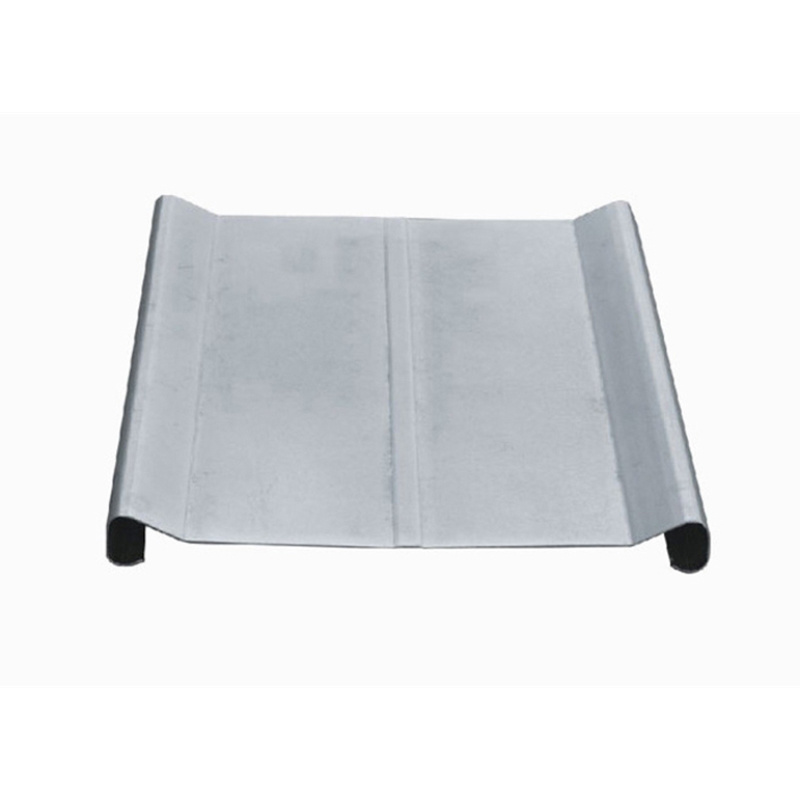
Electrostatic precipitators (ESPs) are crucial components in modern air pollution control systems, widely used in various industrial applications to minimize particulate emissions. A vital part of these systems is the ESP collecting plate, which plays a significant role in the overall efficiency and performance of dust collection processes.
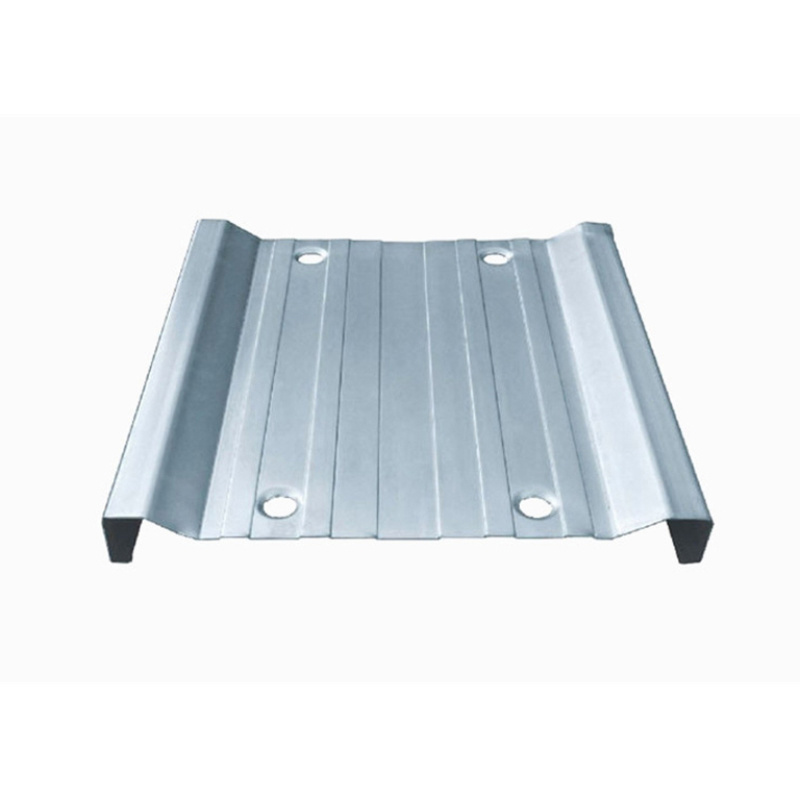
The ESP collecting plate operates based on the principles of electrostatics. In essence, the principle of an ESP involves charging dust particles as they pass through an ionized section of the precipitator. These charged particles are then attracted to the collecting plates, which are grounded and designed to capture these particles effectively. The efficiency of this process depends significantly on the design and material of the collecting plates.
One of the primary advantages of ESP collecting plates is their ability to handle large volumes of gas while maintaining high collection efficiency. This is particularly important in industries such as power generation, cement manufacturing, and metal production, where significant dust emissions occur. By using collecting plates that are optimally designed, facilities can achieve compliance with stringent environmental regulations, ultimately reducing their environmental footprint.
Material selection for ESP collecting plates is another critical factor influencing performance. Plates are typically made from materials that offer high resistivity and durability, ensuring they can withstand the harsh conditions often found in industrial settings. The surface texture and coating of the plates can also be tailored to enhance particle adhesion, further improving collection efficiency.
Regular maintenance and cleaning of ESP collecting plates are essential to ensure they operate at peak performance. Over time, accumulated dust can hinder the collection efficiency of the system. Therefore, implementing a routine inspection and cleaning schedule can prevent significant efficiency losses and extend the lifespan of the equipment.
In addition to their functional benefits, ESP collecting plates contribute to energy savings. By effectively collecting particulate matter, these plates reduce the load on downstream pollution control devices, which may require more energy to operate if the ESP is not functioning optimally. This energy efficiency aspect is crucial for industries aiming to reduce operational costs and enhance sustainability.
In summary, ESP collecting plates are integral to the performance of electrostatic precipitators in industrial air purification systems. Their design, material, and maintenance significantly affect the overall efficiency of dust collection, helping industries comply with environmental regulations while promoting energy conservation. Understanding the role of these collecting plates can lead to improved operational practices and a greater commitment to reducing air pollution.
The ESP collecting plate operates based on the principles of electrostatics. In essence, the principle of an ESP involves charging dust particles as they pass through an ionized section of the precipitator. These charged particles are then attracted to the collecting plates, which are grounded and designed to capture these particles effectively. The efficiency of this process depends significantly on the design and material of the collecting plates.
One of the primary advantages of ESP collecting plates is their ability to handle large volumes of gas while maintaining high collection efficiency. This is particularly important in industries such as power generation, cement manufacturing, and metal production, where significant dust emissions occur. By using collecting plates that are optimally designed, facilities can achieve compliance with stringent environmental regulations, ultimately reducing their environmental footprint.
Material selection for ESP collecting plates is another critical factor influencing performance. Plates are typically made from materials that offer high resistivity and durability, ensuring they can withstand the harsh conditions often found in industrial settings. The surface texture and coating of the plates can also be tailored to enhance particle adhesion, further improving collection efficiency.
Regular maintenance and cleaning of ESP collecting plates are essential to ensure they operate at peak performance. Over time, accumulated dust can hinder the collection efficiency of the system. Therefore, implementing a routine inspection and cleaning schedule can prevent significant efficiency losses and extend the lifespan of the equipment.
In addition to their functional benefits, ESP collecting plates contribute to energy savings. By effectively collecting particulate matter, these plates reduce the load on downstream pollution control devices, which may require more energy to operate if the ESP is not functioning optimally. This energy efficiency aspect is crucial for industries aiming to reduce operational costs and enhance sustainability.
In summary, ESP collecting plates are integral to the performance of electrostatic precipitators in industrial air purification systems. Their design, material, and maintenance significantly affect the overall efficiency of dust collection, helping industries comply with environmental regulations while promoting energy conservation. Understanding the role of these collecting plates can lead to improved operational practices and a greater commitment to reducing air pollution.
Hot Tags:


Contact Us
Tel:
WeChat:
WhatsApp:
E-mail:
Address:
338 National Road South, Longfengdian Village, Botou City, Hebei Province, China
JiuznTomine is expertly delivering technically complicated projects in markets & provides custom solutions for their customized need.


CONTACT INFO
Tel: +86 18531710311
WeChat: +86-18531710311
338 National Road South, Longfengdian Village, Botou City, Hebei Province, China