











Understanding the Importance of a Welding Fume Dust Collector in Industrial Settings
Nov 27,2024
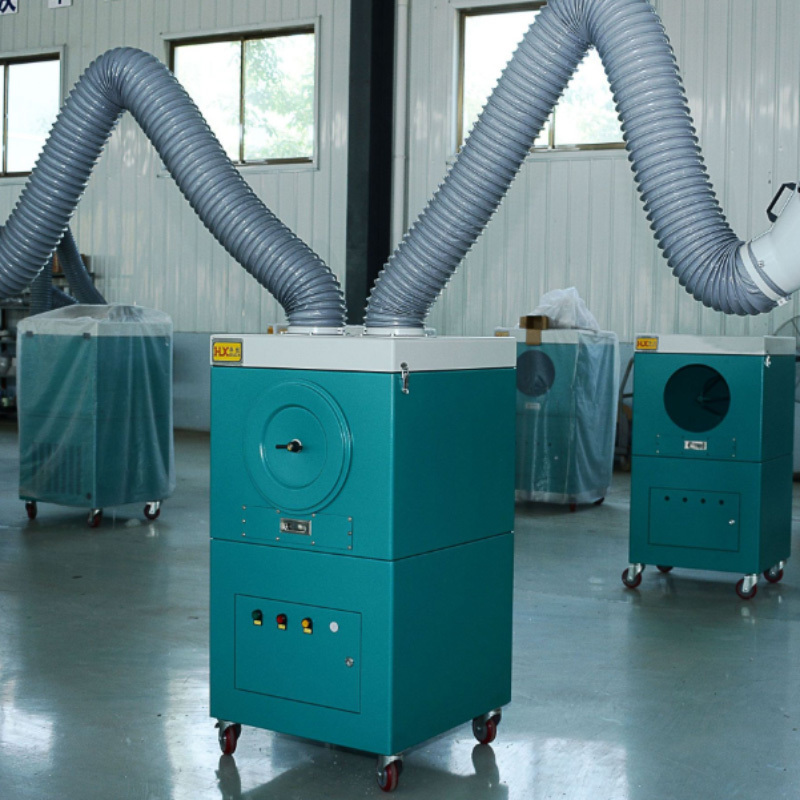
Understanding the Importance of a Welding Fume Dust Collector in Industrial Settings
In industrial settings, the health and safety of workers are paramount. One critical aspect of ensuring a safe working environment is managing airborne contaminants generated during processes like welding. A welding fume dust collector serves as an essential solution to this issue, capturing harmful particles and improving air quality. In this article, we will delve into the importance of these devices and how they contribute to a healthier workplace.
What is a Welding Fume Dust Collector?
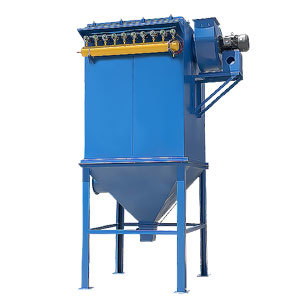
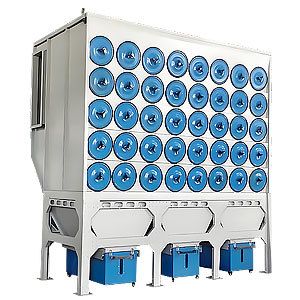
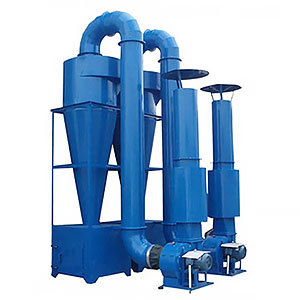
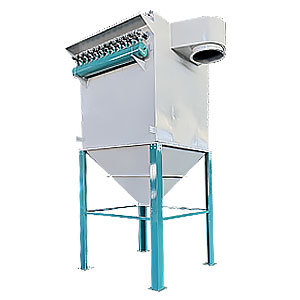
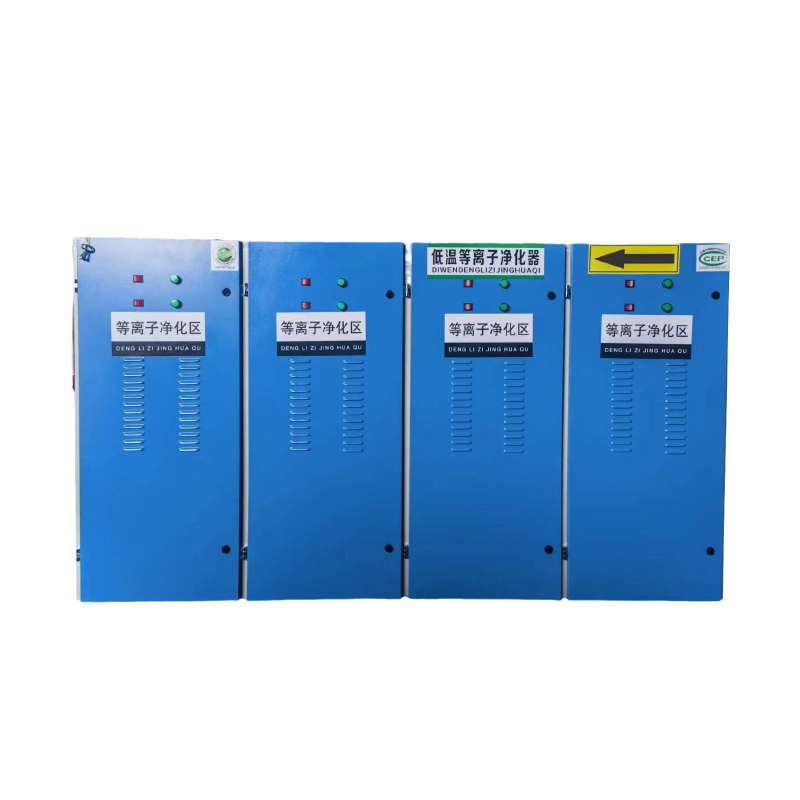
A welding fume dust collector is a specialized piece of industrial equipment designed to extract and filter hazardous fumes, dust, and particulates generated during welding operations. These collectors utilize various technologies, including mechanical filters, electrostatic precipitators, and scrubbers, to effectively capture and remove contaminants from the air.
The Need for a Welding Fume Dust Collector
Welding processes produce a range of harmful substances, including metallic fumes, gases, and particulate matter. Exposure to these contaminants can lead to serious health issues for workers, including respiratory problems, skin irritation, and long-term diseases like lung cancer. Implementing a welding fume dust collector is vital for:
- Protecting Worker Health: By filtering harmful particles, these collectors reduce the risk of occupational illnesses.
- Compliance with Regulations: Many industries must adhere to strict health and safety regulations. Effective dust collection helps companies stay compliant.
- Enhancing Productivity: Clean air improves worker efficiency and morale, contributing to overall productivity.
How Welding Fume Dust Collectors Work
Understanding how welding fume dust collectors operate can help in selecting the right system for specific needs. Here’s a breakdown of the fundamental components and functions of these collectors:
Key Components of Welding Fume Dust Collectors
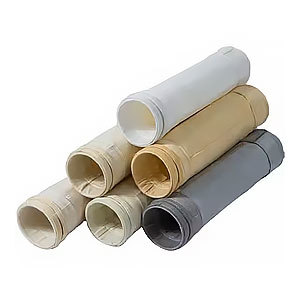
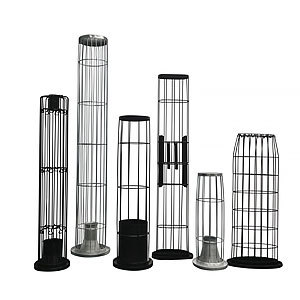
- Filtration System: The heart of any dust collector, responsible for trapping contaminants. Filters may be constructed from various materials and designed for different particle sizes.
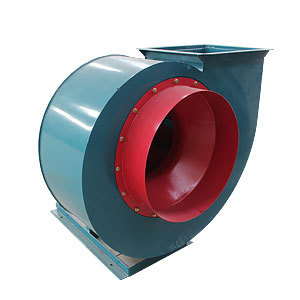
- Fan and Motor: These components create airflow, drawing contaminated air into the collector and through the filtration system.
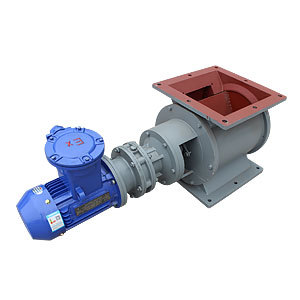
- Collection Bin: Captured dust and particulates accumulate in a dedicated bin for easy disposal.
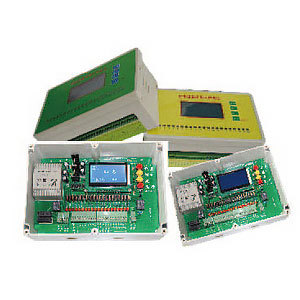
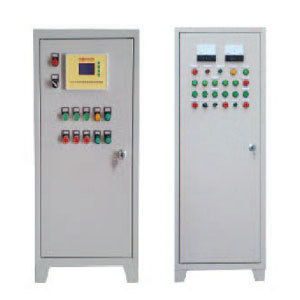
- Control Panel: Modern collectors often feature automated controls for monitoring and optimizing performance.
Types of Welding Fume Dust Collectors
Welding fume dust collectors come in various types, each suited for specific applications. Here are the most common types:
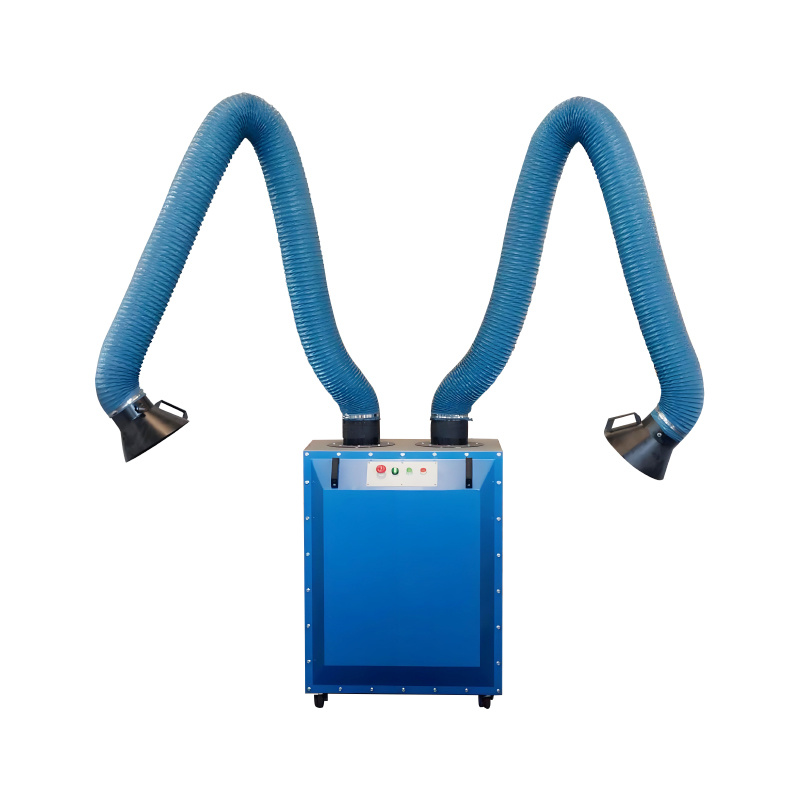
1. Portable Dust Collectors
Designed for flexibility, portable dust collectors can be moved to different work locations as needed. They are particularly useful for small workshops or job sites where space is limited.
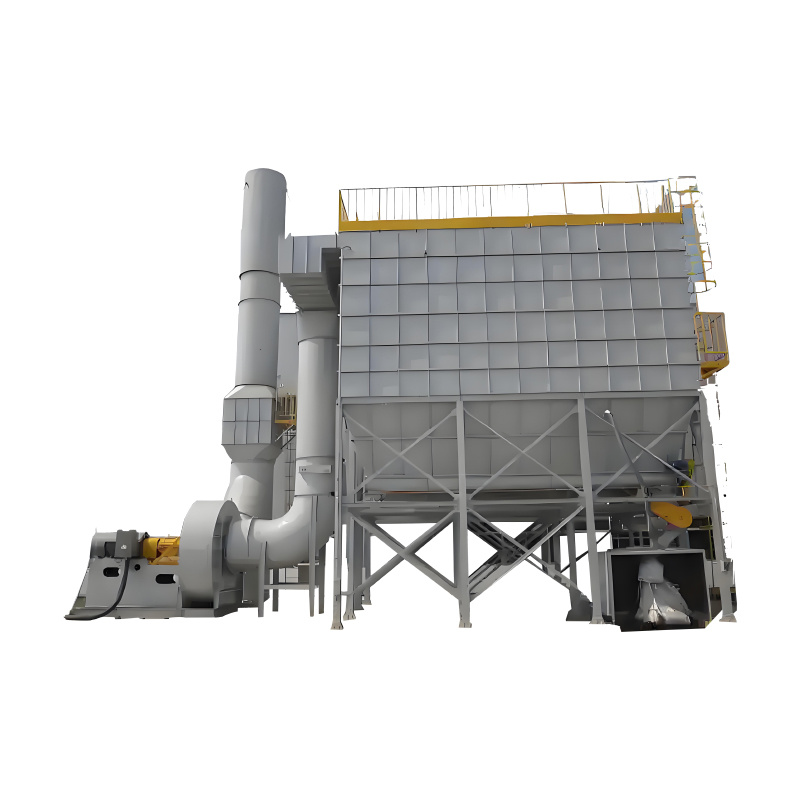
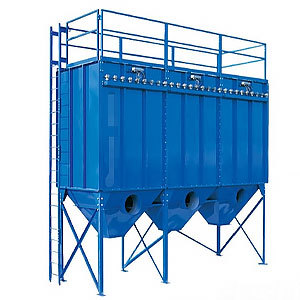
2. Centralized Dust Collection Systems
These systems are installed in larger facilities and connect to multiple welding stations. They provide a comprehensive solution for managing fume extraction across various work areas.
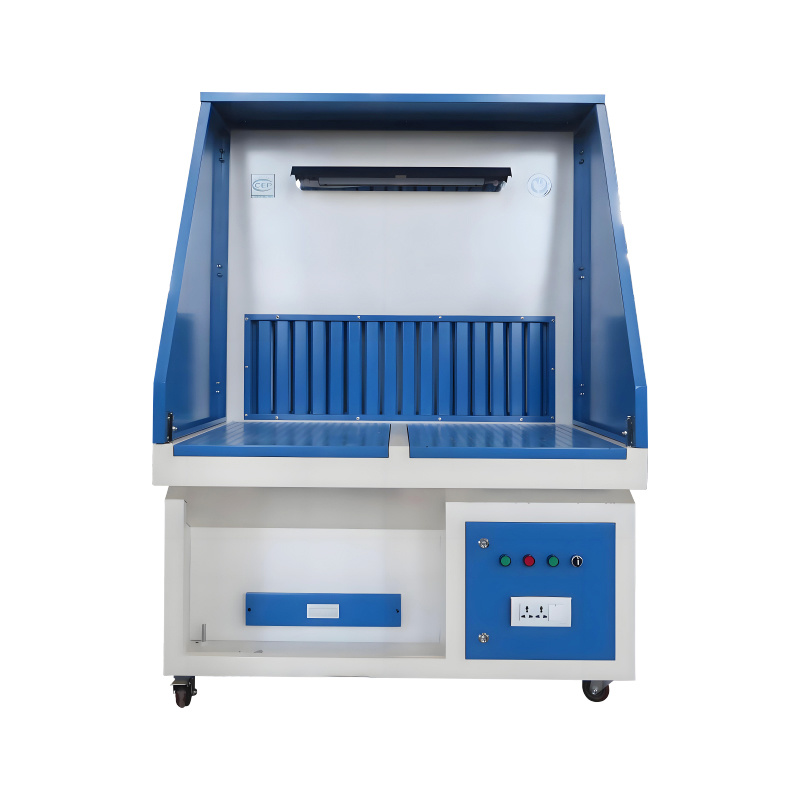
3. Downdraft Tables
Downdraft tables integrate a work surface with built-in ventilation. They effectively capture fumes directly at the source, making them ideal for tasks that generate significant airborne contaminants.
Benefits of a Welding Fume Dust Collector
The advantages of employing a welding fume dust collector extend beyond compliance. Here are some key benefits:
Improved Worker Safety and Health
By efficiently capturing harmful fumes and dust, these systems significantly reduce the risk of respiratory illnesses and other health complications. This commitment to worker safety fosters a positive workplace culture.
Compliance with Health and Safety Standards
Employers must comply with various occupational health and safety regulations. Utilizing a welding fume dust collector not only meets regulatory requirements but also demonstrates a commitment to worker welfare.
Cost-Effective Air Quality Management
Investing in a welding fume dust collector can lead to long-term savings by reducing healthcare costs, minimizing absenteeism, and preventing costly fines associated with regulatory violations.
Choosing the Right Welding Fume Dust Collector
Selecting the appropriate dust collector for your operations requires careful consideration of several factors:
1. Type of Welding Processes
Different welding methods generate varying levels of fumes and particulates. Assessing the specific processes used in your facility will help determine the necessary filtration capabilities.
2. Workplace Environment
The physical layout and size of the workspace can influence the choice of collector. Portable models may be suitable for smaller areas, while larger facilities may benefit from centralized systems.
3. Airflow Requirements
The efficiency of a dust collector is often measured by its airflow capacity. It’s crucial to choose a unit that can handle the volume of air needed to maintain a safe and clean environment.
4. Maintenance and Operating Costs
Regular maintenance is essential for optimal performance. Consider the ease of cleaning and replacing filters, as well as the ongoing operational costs associated with the selected system.
Best Practices for Maintaining a Welding Fume Dust Collector
1. Regular Inspections
Conduct routine inspections to identify any wear and tear or potential issues before they escalate into larger problems. Check filters, fans, and collection bins for proper functionality.
2. Timely Filter Replacement
Filters are essential for capturing contaminants. Regularly replace filters according to the manufacturer's recommendations to maintain optimal performance.
3. Proper Training for Workers
Ensure that all workers are trained on how to operate and maintain the dust collector correctly. Understanding how to use the equipment effectively will enhance its performance and lifespan.
Frequently Asked Questions (FAQs)
1. What are the health risks associated with welding fumes?
Welding fumes can contain harmful metals and gases that pose serious health risks, including respiratory problems, lung disease, and even cancer over prolonged exposure.
2. How often should I replace the filters in my dust collector?
Filter replacement frequency depends on usage and the type of dust collector. Generally, inspect filters monthly and replace them every 3 to 6 months, or as recommended by the manufacturer.
3. Can I use a welding fume dust collector for other types of dust?
While welding fume dust collectors are designed for specific contaminants, many can handle other types of dust and particulates. Ensure compatibility based on the materials being processed.
4. What is the average lifespan of a welding fume dust collector?
The lifespan of a welding fume dust collector varies widely based on usage and maintenance practices. With proper care, many units can last 10 years or more.
5. Are portable dust collectors effective for large-scale operations?
Portable dust collectors are generally suitable for smaller operations or specific tasks. For large-scale operations, centralized systems are often more effective in managing fume extraction.
Conclusion
In the industrial landscape, worker safety and air quality should never be compromised. A welding fume dust collector plays a pivotal role in creating a safe and healthy work environment by efficiently removing harmful contaminants from the air. By investing in the right system, adhering to maintenance best practices, and ensuring compliance with regulations, organizations can protect their most valuable asset—their workforce. As we continue to prioritize workplace safety, understanding and implementing effective fume management solutions will become increasingly important in the years to come.
Hot Tags:


Contact Us
Tel:
WeChat:
WhatsApp:
E-mail:
Address:
338 National Road South, Longfengdian Village, Botou City, Hebei Province, China
JiuznTomine is expertly delivering technically complicated projects in markets & provides custom solutions for their customized need.


CONTACT INFO
Tel: +86 18531710311
WeChat: +86-18531710311
338 National Road South, Longfengdian Village, Botou City, Hebei Province, China