











The Essential Guide to Sintered Plate Dust Collectors: Enhancing Industrial Air Quality
Nov 26,2024
Sintered plate dust collectors are advanced air filtration devices commonly used in various industrial applications to enhance air quality and ensure compliance with environmental regulations. These collectors utilize a unique sintered plate technology that effectively captures and separates particulate matter from the air. The sintered plates are made from porous materials, allowing for efficient
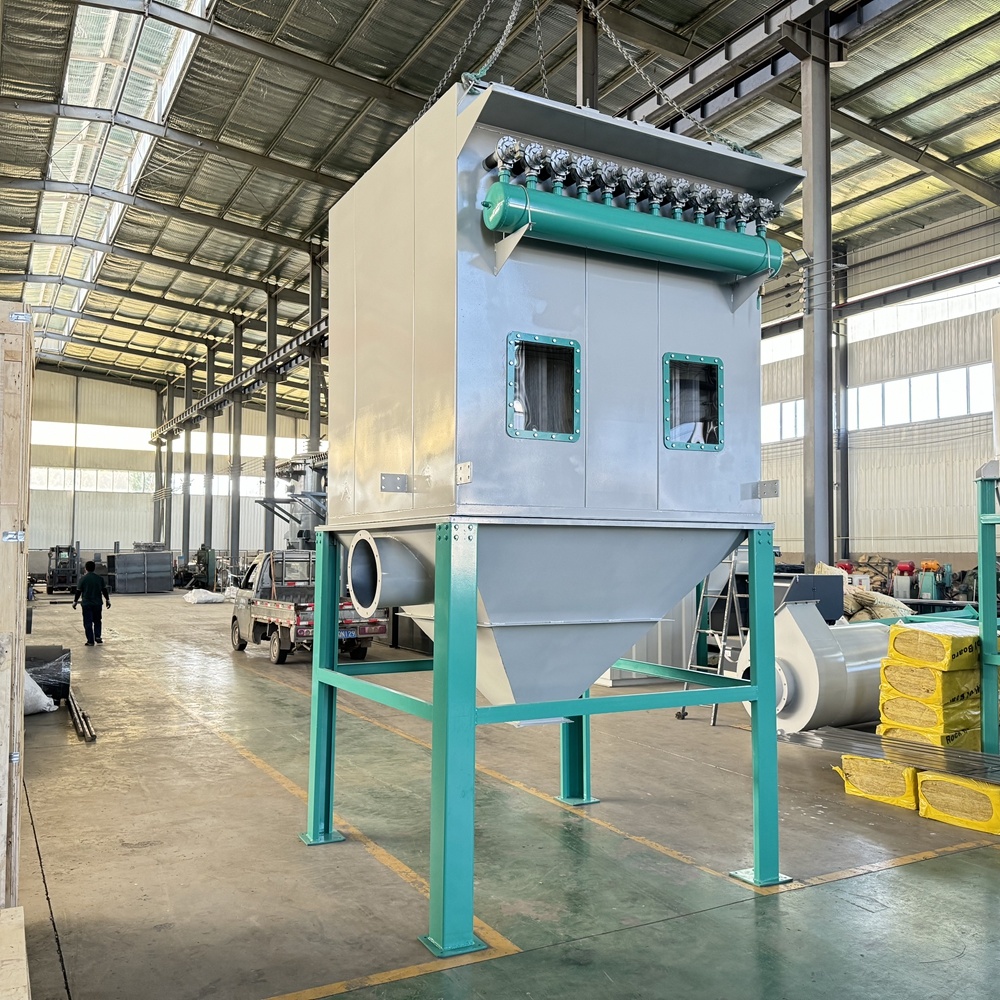
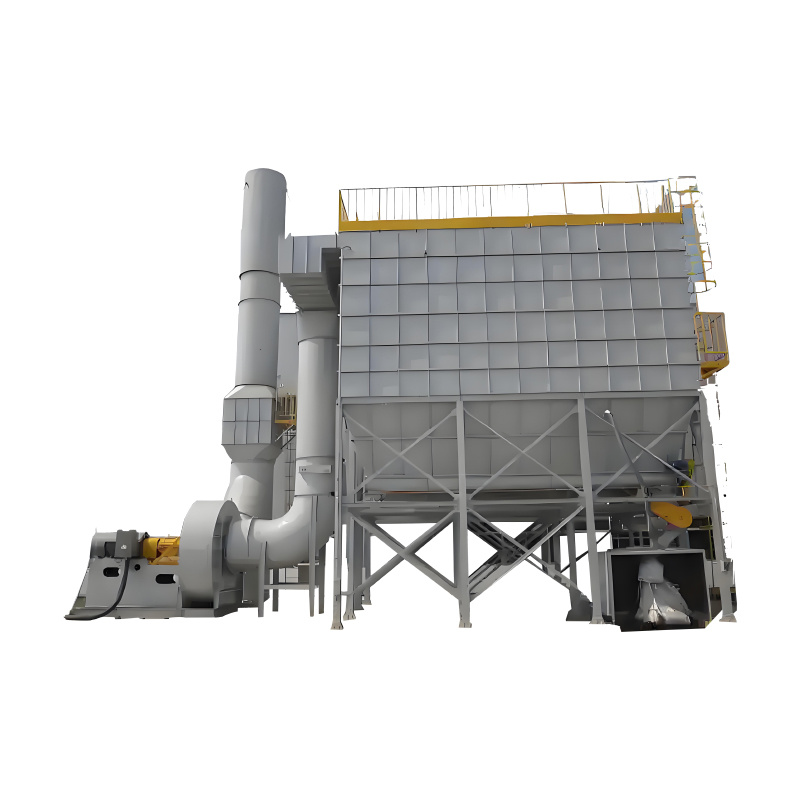
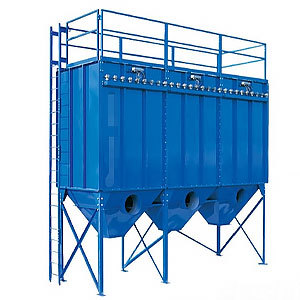
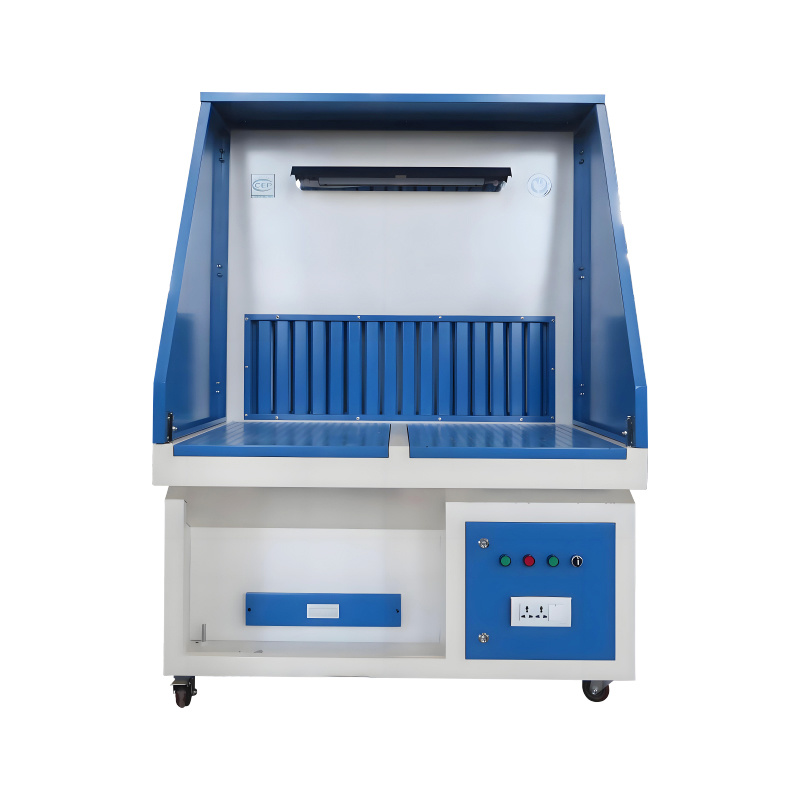
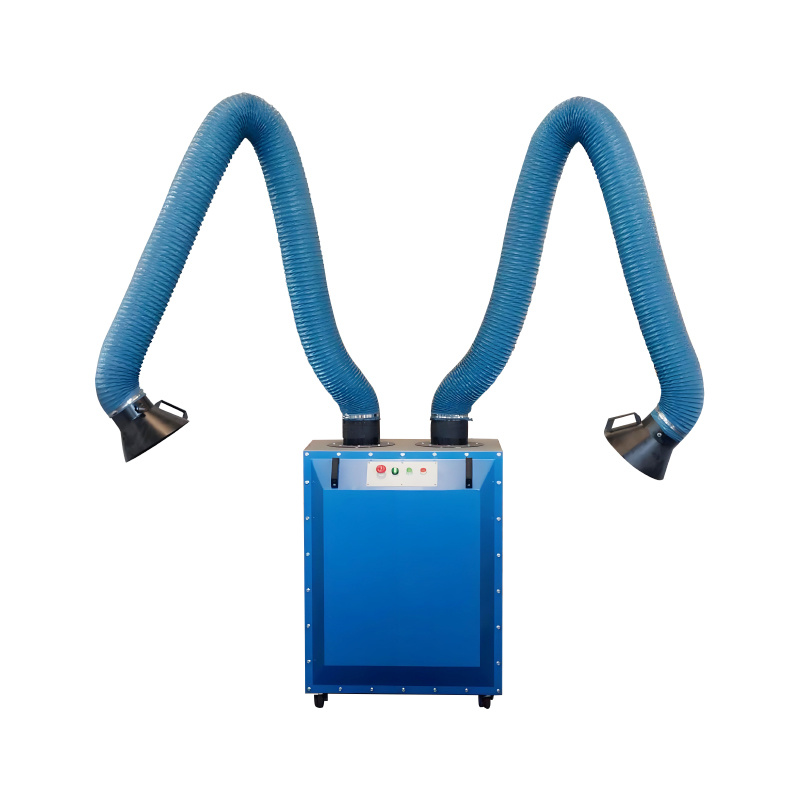
Sintered plate dust collectors are advanced air filtration devices commonly used in various industrial applications to enhance air quality and ensure compliance with environmental regulations. These collectors utilize a unique sintered plate technology that effectively captures and separates particulate matter from the air. The sintered plates are made from porous materials, allowing for efficient airflow while preventing dust and other contaminants from returning to the atmosphere.
One of the primary advantages of sintered plate dust collectors is their ability to handle high volumes of dust-laden air while maintaining a low pressure drop. This characteristic is crucial for industrial processes where energy efficiency is a concern. By minimizing energy consumption and maintaining optimal airflow, these dust collectors can significantly reduce operational costs in the long run.
In addition to energy efficiency, sintered plate dust collectors are known for their durability and low maintenance requirements. The robust materials used in their construction can withstand harsh operating conditions, making them suitable for industries such as manufacturing, woodworking, food processing, and metalworking. Their self-cleaning mechanisms, often integrated into the system, further reduce the need for manual intervention, allowing companies to focus on their core operations.
The effectiveness of sintered plate dust collectors extends beyond mere dust capture. By improving air quality in industrial environments, they contribute to a healthier workplace for employees. Reduced exposure to airborne contaminants can lead to fewer health-related issues, thereby enhancing employee morale and productivity.
Another key benefit of sintered plate dust collectors is their versatility. They can be tailored to meet specific operational needs and installed in various configurations to suit different layouts and processes. This adaptability makes them a popular choice among industries looking for customized solutions to their air quality challenges.
From an environmental perspective, implementing sintered plate dust collectors helps industries comply with stringent air quality regulations. By effectively capturing harmful particulates before they are released into the atmosphere, these collectors play a vital role in reducing the overall environmental impact of industrial operations.
In conclusion, sintered plate dust collectors represent a crucial component in modern industrial air purification systems. Their ability to efficiently handle dust-laden air, coupled with their durability and low maintenance requirements, makes them an essential investment for businesses looking to enhance air quality, promote employee health, and comply with environmental standards. As industries continue to prioritize sustainable practices, the role of sintered plate dust collectors will undoubtedly become more prominent in the quest for cleaner air in the workplace.
One of the primary advantages of sintered plate dust collectors is their ability to handle high volumes of dust-laden air while maintaining a low pressure drop. This characteristic is crucial for industrial processes where energy efficiency is a concern. By minimizing energy consumption and maintaining optimal airflow, these dust collectors can significantly reduce operational costs in the long run.
In addition to energy efficiency, sintered plate dust collectors are known for their durability and low maintenance requirements. The robust materials used in their construction can withstand harsh operating conditions, making them suitable for industries such as manufacturing, woodworking, food processing, and metalworking. Their self-cleaning mechanisms, often integrated into the system, further reduce the need for manual intervention, allowing companies to focus on their core operations.
The effectiveness of sintered plate dust collectors extends beyond mere dust capture. By improving air quality in industrial environments, they contribute to a healthier workplace for employees. Reduced exposure to airborne contaminants can lead to fewer health-related issues, thereby enhancing employee morale and productivity.
Another key benefit of sintered plate dust collectors is their versatility. They can be tailored to meet specific operational needs and installed in various configurations to suit different layouts and processes. This adaptability makes them a popular choice among industries looking for customized solutions to their air quality challenges.
From an environmental perspective, implementing sintered plate dust collectors helps industries comply with stringent air quality regulations. By effectively capturing harmful particulates before they are released into the atmosphere, these collectors play a vital role in reducing the overall environmental impact of industrial operations.
In conclusion, sintered plate dust collectors represent a crucial component in modern industrial air purification systems. Their ability to efficiently handle dust-laden air, coupled with their durability and low maintenance requirements, makes them an essential investment for businesses looking to enhance air quality, promote employee health, and comply with environmental standards. As industries continue to prioritize sustainable practices, the role of sintered plate dust collectors will undoubtedly become more prominent in the quest for cleaner air in the workplace.
Hot Tags:


Contact Us
Tel:
WeChat:
WhatsApp:
E-mail:
Address:
338 National Road South, Longfengdian Village, Botou City, Hebei Province, China
JiuznTomine is expertly delivering technically complicated projects in markets & provides custom solutions for their customized need.


CONTACT INFO
Tel: +86 18531710311
WeChat: +86-18531710311
338 National Road South, Longfengdian Village, Botou City, Hebei Province, China