













Maximizing Efficiency: The Role of Grinding Platform Dust Collectors in Your Workshop
Nov 25,2024
Maximizing Efficiency: The Role of Grinding Platform Dust Collectors in Your Workshop
Introduction to Grinding Platform Dust Collectors
In the realm of industrial equipment and components, **dust collection** plays a pivotal role in maintaining both **workshop efficiency** and employee health. Grinding platforms, often the hub of production, generate significant amounts of dust and particulate mat

Maximizing Efficiency: The Role of Grinding Platform Dust Collectors in Your Workshop
Introduction to Grinding Platform Dust Collectors
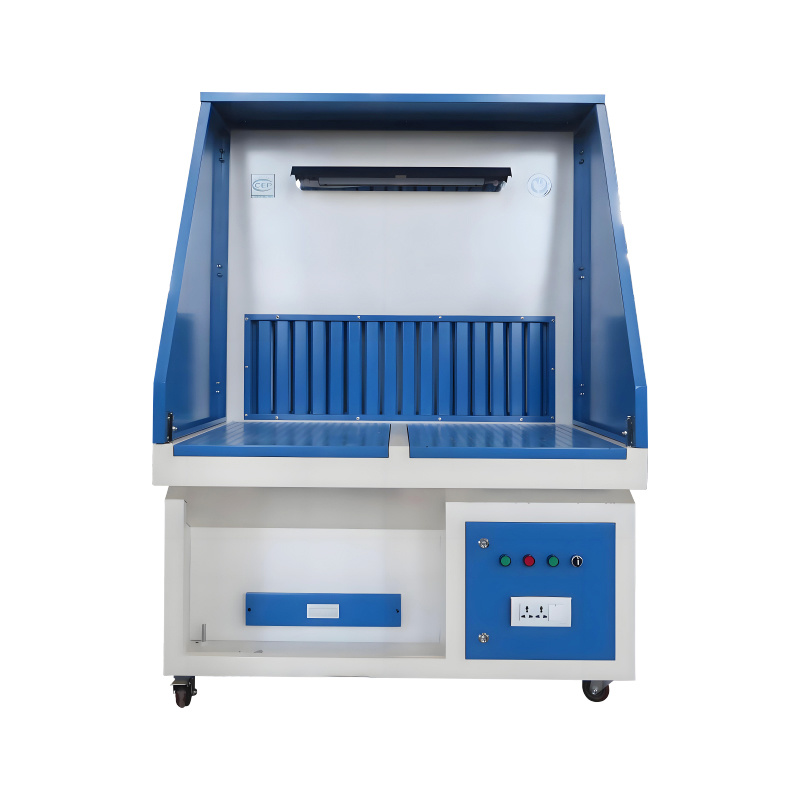
In the realm of industrial equipment and components, **dust collection** plays a pivotal role in maintaining both **workshop efficiency** and employee health. Grinding platforms, often the hub of production, generate significant amounts of dust and particulate matter during operations. This is where the importance of **dust collectors** becomes apparent. In this article, we will explore how grinding platform dust collectors contribute to maximizing efficiency in your workshop.
The Importance of Dust Collection in Industrial Settings
Understanding the Hazards of Dust
Industrial dust is not just a nuisance; it poses serious health risks to employees. Prolonged exposure can lead to respiratory issues, skin problems, and even chronic conditions. Implementing a robust dust collection system helps mitigate these risks, creating a safer work environment.
Enhancing Workshop Efficiency
A clean workspace is synonymous with increased productivity. Dust and debris can hinder machinery performance and lead to frequent maintenance. By employing grinding platform dust collectors, businesses can ensure a more efficient workflow and reduce downtime associated with machinery cleaning and repairs.
Types of Grinding Platform Dust Collectors
Baghouse Dust Collectors
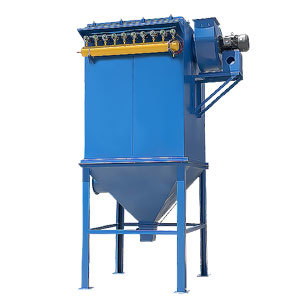
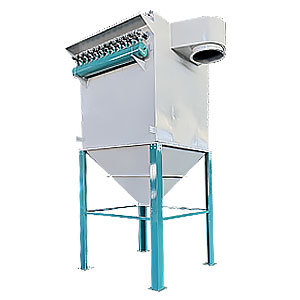
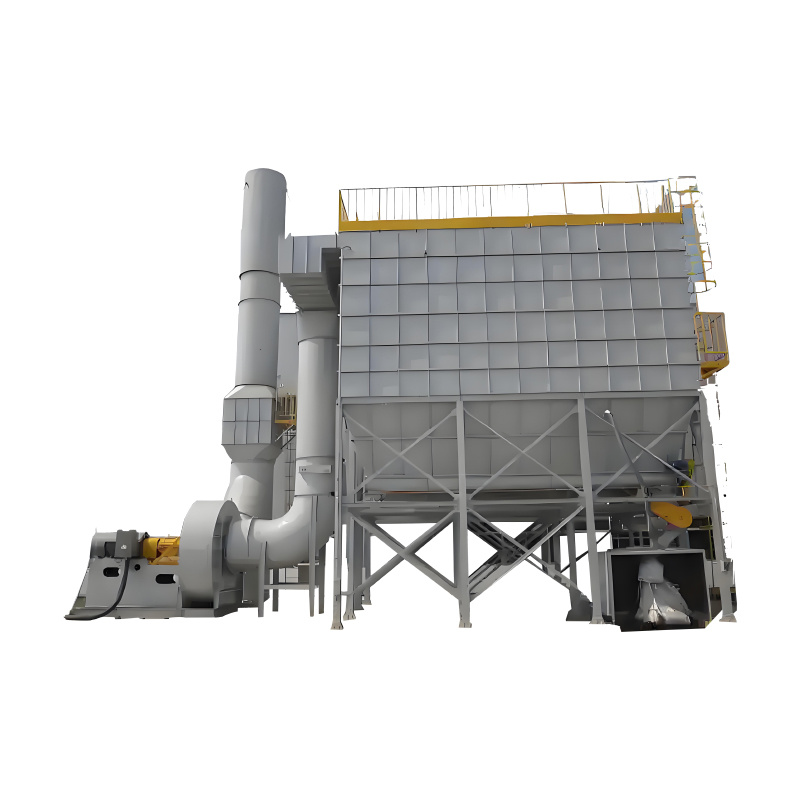
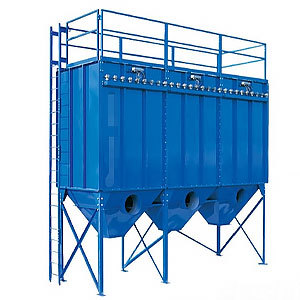
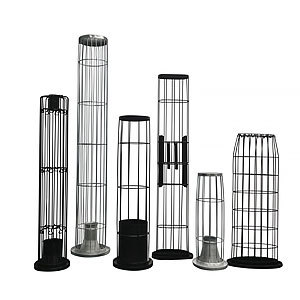
Baghouse dust collectors are widely used in industrial applications due to their high efficiency. These systems utilize fabric filter bags to capture dust particles, making them ideal for grinding operations. They can handle large volumes of air and are effective in removing fine particulates.
Cyclone Dust Collectors
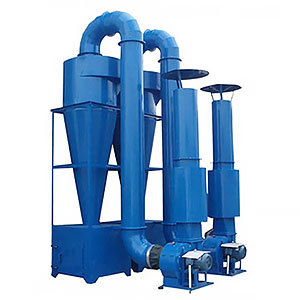
Cyclone dust collectors utilize centrifugal force to separate dust from the air stream. While they may not capture the finest particles as effectively as baghouse systems, they are excellent for pre-separation, reducing the load on downstream filters and improving overall system efficiency.
HEPA Filter Dust Collectors
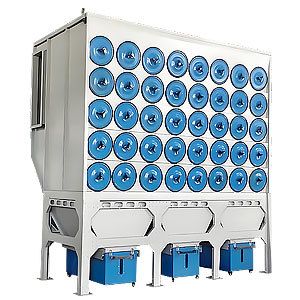
For operations requiring a high level of air quality, HEPA (High-Efficiency Particulate Air) filter dust collectors are essential. These systems can trap particles down to 0.3 microns in size, making them suitable for workshops that handle hazardous materials or require stringent air quality standards.
Key Features to Look for in a Dust Collector
Airflow Capacity
The airflow capacity of a dust collector is a crucial factor to consider. It determines how efficiently the system can remove dust from the workshop. Ensure that the collector can handle the specific requirements of your grinding platform.
Filtration Efficiency
Check the filtration efficiency of the dust collector. Higher efficiency means more dust capture and a cleaner working environment. Look for systems with multiple stages of filtration for optimal performance.
Noise Levels
In addition to efficiency, consider the noise levels of the dust collector. A quieter system contributes to a better working atmosphere, reducing the risk of hearing damage in employees.
Installation and Maintenance of Dust Collectors
Strategic Placement in the Workshop
The effectiveness of dust collectors largely depends on their placement within the workshop. Install dust collection systems close to the source of dust generation, such as grinding machines, to maximize efficiency.
Regular Maintenance Practices
To ensure long-term performance, regular maintenance is essential. Clean filters, inspect for leaks, and check the overall system integrity. Scheduled maintenance reduces the risk of unexpected breakdowns and prolongs the life of the equipment.
Cost-Effectiveness of Dust Collection Systems
Initial Investment vs. Long-Term Savings
While the upfront cost of installing a dust collection system can be significant, the long-term savings often outweigh this initial investment. By reducing health risks, minimizing downtime, and prolonging the life of machinery, a dust collector can prove to be a financially sound decision for any workshop.
Energy Efficiency
Modern dust collectors are designed with energy efficiency in mind. Opt for systems that use variable speed drives and energy-efficient motors to reduce operational costs while maintaining optimal performance.
Case Studies: Successful Implementations
Case Study 1: Automotive Workshop
An automotive workshop implemented a baghouse dust collector system, resulting in a noticeable reduction in airborne particulate matter. Employees reported improved air quality and decreased respiratory issues, leading to fewer sick days and increased productivity.
Case Study 2: Metal Fabrication Facility
A metal fabrication facility adopted a cyclone dust collector as a pre-separation system. This reduced the load on their HEPA filters, extending their lifespan and reducing replacement costs. The facility experienced improved air quality and an overall more efficient operation.
Frequently Asked Questions (FAQs)
1. What size dust collector do I need for my workshop?
The size of the dust collector required depends on the airflow needs of your workshop. Consult with a professional to determine the appropriate capacity based on your specific equipment and dust generation levels.
2. How often should I clean my dust collector filters?
The frequency of cleaning depends on the volume of dust produced. Regular inspections should be conducted, with filters cleaned or replaced as needed to maintain efficiency.
3. Can I use a dust collector for multiple machines?
Yes, dust collectors can be designed to serve multiple machines. However, ensure that the system is appropriately sized to handle the cumulative dust generation.
4. Are there any regulatory requirements for dust collection in my industry?
Yes, many industries have specific regulations governing air quality and dust control. Be sure to familiarize yourself with local regulations and ensure that your dust collection system complies.
5. What are the signs that my dust collector needs maintenance?
Signs that maintenance is needed include decreased airflow, increased noise levels, and visible dust accumulation around the collector. Regular monitoring can help detect these issues early.
Conclusion
In conclusion, grinding platform dust collectors are indispensable tools for maximizing efficiency in any workshop. They not only enhance productivity by keeping work areas clean but also protect the health of employees by minimizing hazardous dust exposure. Investing in a quality dust collection system tailored to your specific needs can lead to significant long-term savings and a safer, more efficient working environment. By understanding the different types of dust collectors, their key features, and best practices for installation and maintenance, businesses can create a cleaner and more productive workspace that meets both operational and regulatory standards.
Hot Tags:


Contact Us
Tel:
WeChat:
WhatsApp:
E-mail:
Address:
338 National Road South, Longfengdian Village, Botou City, Hebei Province, China
JiuznTomine is expertly delivering technically complicated projects in markets & provides custom solutions for their customized need.


CONTACT INFO
Tel: +86 18531710311
WeChat: +86-18531710311
338 National Road South, Longfengdian Village, Botou City, Hebei Province, China