












Understanding Galvanized Dust Removal Skeletons in Air Purification Systems
Nov 24,2024
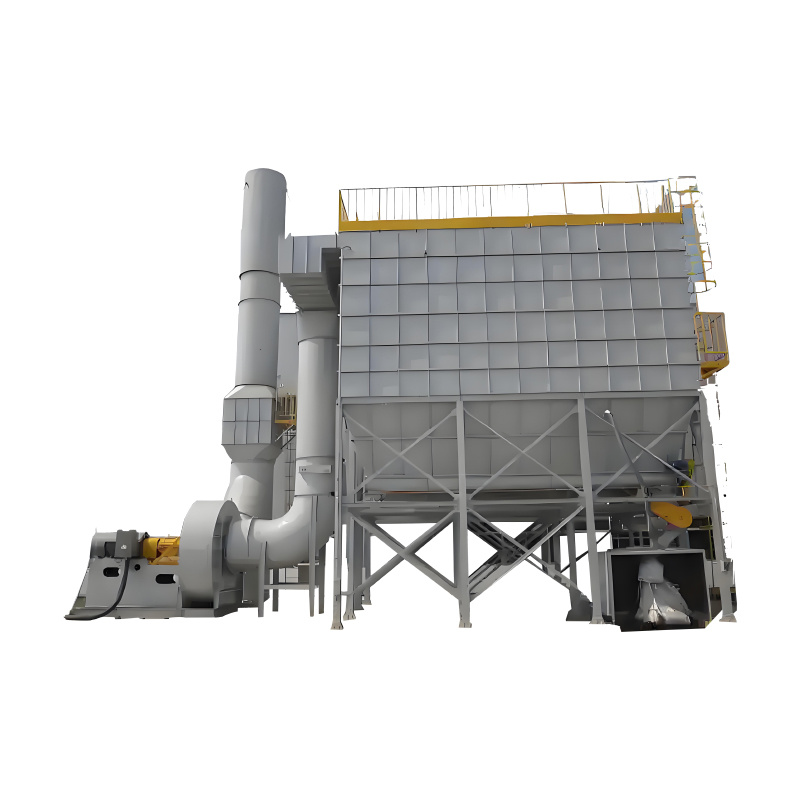
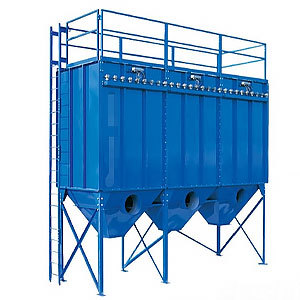
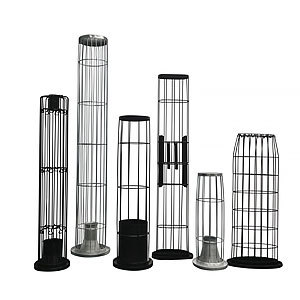
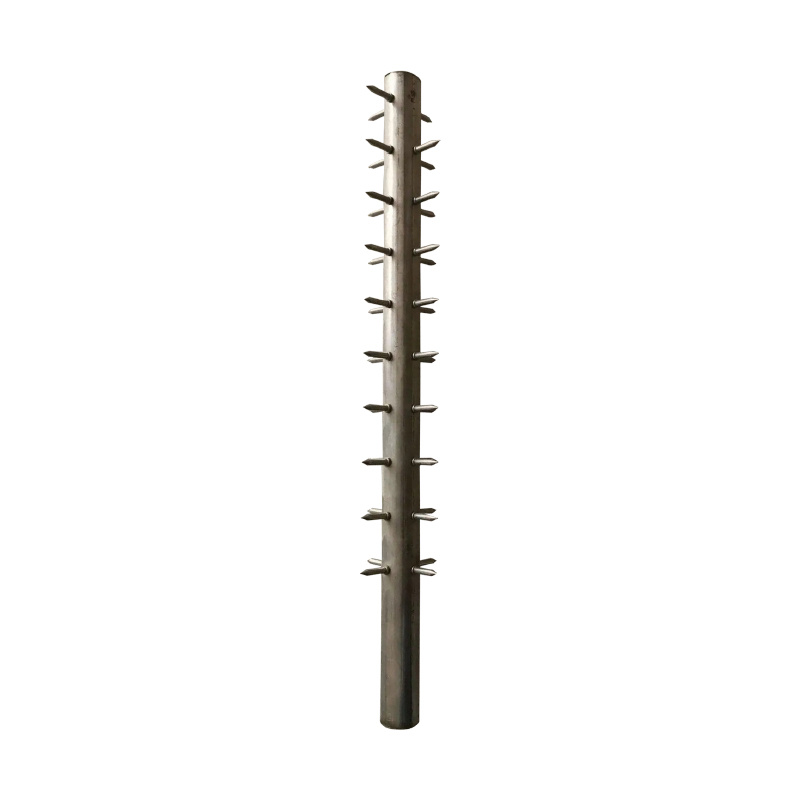
In the realm of industrial equipment and components, particularly within air purification systems, the term "galvanized dust removal skeleton" refers to a structural component integral to dust collection systems. These skeletons typically serve as a framework that supports various filtration media, ensuring that dust and particulate matter are effectively captured from the air.
Galvanization, the

In the realm of industrial equipment and components, particularly within air purification systems, the term "galvanized dust removal skeleton" refers to a structural component integral to dust collection systems. These skeletons typically serve as a framework that supports various filtration media, ensuring that dust and particulate matter are effectively captured from the air.
Galvanization, the process of applying a protective zinc coating to steel or iron, plays a crucial role in enhancing the durability of the dust removal skeleton. This coating provides a barrier against corrosion, which is particularly important in environments where dust and moisture might cause traditional steel structures to deteriorate over time. The longevity of galvanized dust removal skeletons means reduced maintenance and replacement costs, making them a cost-effective choice for many industries.
One of the significant benefits of using galvanized dust removal skeletons is their lightweight nature. This characteristic allows for easier installation and mobility within dust collection systems. When combined with a well-designed filtration system, the galvanized skeleton can improve airflow and enhance the overall efficiency of dust removal processes. As a result, industries that rely on clean air, such as manufacturing, pharmaceuticals, and food processing, can maintain high standards for air quality while ensuring operational efficiency.
Moreover, the use of galvanized materials in dust removal skeletons contributes to environmental sustainability. By improving the efficiency of dust collection systems, these structures minimize the release of harmful particles into the atmosphere, thus playing a vital role in protecting both worker health and environmental integrity.
In terms of design, galvanized dust removal skeletons can be tailored to meet the specific needs of various applications. Factors such as the type of dust being collected, the volume of air needing filtration, and the overall layout of the dust collection system can all influence the design and implementation of these skeletons. Manufacturers often collaborate with engineers to customize solutions that enhance performance while adhering to industry standards.
In summary, galvanized dust removal skeletons are essential components in the air purification landscape. Their corrosion-resistant properties, lightweight design, and customizable features make them an invaluable asset for maintaining clean air in industrial settings. By understanding the functionality and advantages of these components, industries can optimize their dust collection systems, ensuring a cleaner and healthier working environment.
Galvanization, the process of applying a protective zinc coating to steel or iron, plays a crucial role in enhancing the durability of the dust removal skeleton. This coating provides a barrier against corrosion, which is particularly important in environments where dust and moisture might cause traditional steel structures to deteriorate over time. The longevity of galvanized dust removal skeletons means reduced maintenance and replacement costs, making them a cost-effective choice for many industries.
One of the significant benefits of using galvanized dust removal skeletons is their lightweight nature. This characteristic allows for easier installation and mobility within dust collection systems. When combined with a well-designed filtration system, the galvanized skeleton can improve airflow and enhance the overall efficiency of dust removal processes. As a result, industries that rely on clean air, such as manufacturing, pharmaceuticals, and food processing, can maintain high standards for air quality while ensuring operational efficiency.
Moreover, the use of galvanized materials in dust removal skeletons contributes to environmental sustainability. By improving the efficiency of dust collection systems, these structures minimize the release of harmful particles into the atmosphere, thus playing a vital role in protecting both worker health and environmental integrity.
In terms of design, galvanized dust removal skeletons can be tailored to meet the specific needs of various applications. Factors such as the type of dust being collected, the volume of air needing filtration, and the overall layout of the dust collection system can all influence the design and implementation of these skeletons. Manufacturers often collaborate with engineers to customize solutions that enhance performance while adhering to industry standards.
In summary, galvanized dust removal skeletons are essential components in the air purification landscape. Their corrosion-resistant properties, lightweight design, and customizable features make them an invaluable asset for maintaining clean air in industrial settings. By understanding the functionality and advantages of these components, industries can optimize their dust collection systems, ensuring a cleaner and healthier working environment.
Hot Tags:


Contact Us
Tel:
WeChat:
WhatsApp:
E-mail:
Address:
338 National Road South, Longfengdian Village, Botou City, Hebei Province, China
JiuznTomine is expertly delivering technically complicated projects in markets & provides custom solutions for their customized need.


CONTACT INFO
Tel: +86 18531710311
WeChat: +86-18531710311
338 National Road South, Longfengdian Village, Botou City, Hebei Province, China