











Discover the Benefits of Using an ESP Collecting Plate in Air Purification
Nov 23,2024
Discover the Benefits of Using an ESP Collecting Plate in Air Purification
Table of Contents
1. Introduction to ESP Collecting Plates
2. Understanding Electrostatic Precipitators (ESPs)
3. How ESP Collecting Plates Work in Air Purification
4. Key Benefits of Using ESP Collecting Plates
4.1 Improved Efficiency
4.2 Cost-Effectiveness
4.3
Discover the Benefits of Using an ESP Collecting Plate in Air Purification
Table of Contents
- 1. Introduction to ESP Collecting Plates
- 2. Understanding Electrostatic Precipitators (ESPs)
- 3. How ESP Collecting Plates Work in Air Purification
- 4. Key Benefits of Using ESP Collecting Plates
- 5. Applications of ESP Collecting Plates in Various Industries
- 6. Maintaining Your ESP Collecting Plates for Optimal Performance
- 7. Common Issues and Solutions Related to ESP Collecting Plates
- 8. Frequently Asked Questions
- 9. Conclusion
1. Introduction to ESP Collecting Plates
In the pursuit of cleaner air, industries worldwide are increasingly turning to advanced technologies. One such innovation is the **ESP collecting plate**, a critical component in **electrostatic precipitator systems**. These plates play a pivotal role in separating particulate matter from gases, making them essential for effective air purification. In this article, we will delve into the numerous benefits of using ESP collecting plates, how they function, and their various applications across different sectors.
2. Understanding Electrostatic Precipitators (ESPs)
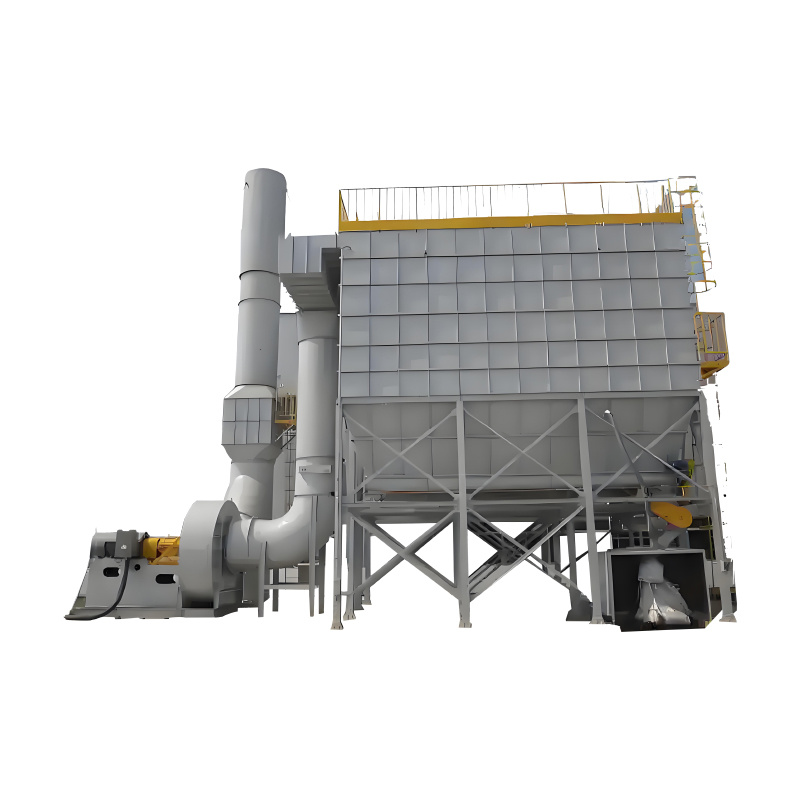
Electrostatic precipitators are devices designed to capture airborne particles from exhaust gases using electrostatic forces. These systems operate on the principle of charging particles as they pass through an electric field. The charged particles are then attracted to oppositely charged collecting plates, effectively removing them from the air stream. By maintaining high efficiency, **ESPs** contribute significantly to reducing air pollution, particularly in industrial settings where emissions can be substantial.
3. How ESP Collecting Plates Work in Air Purification
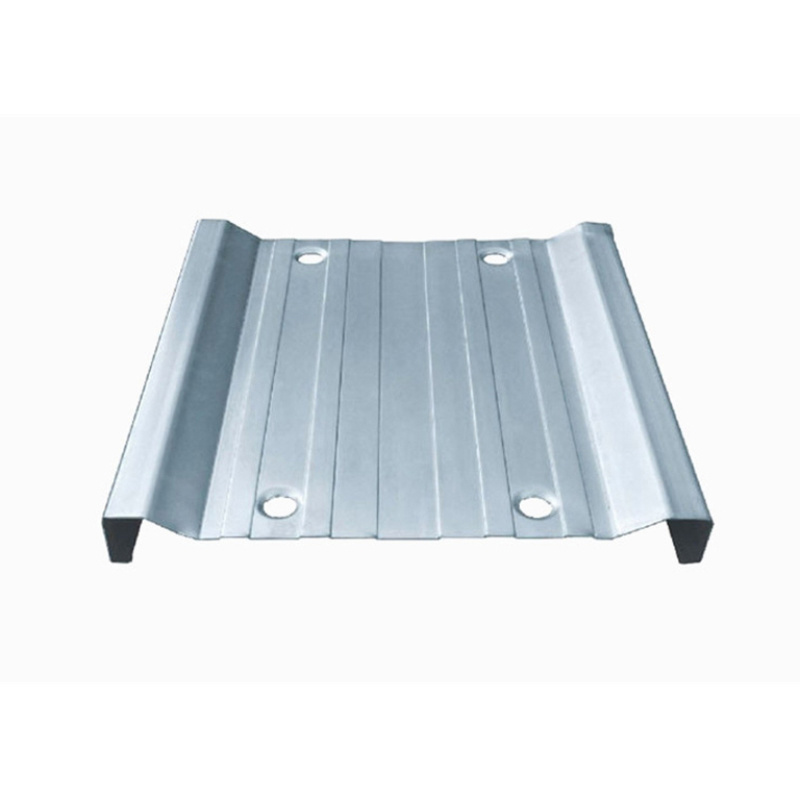
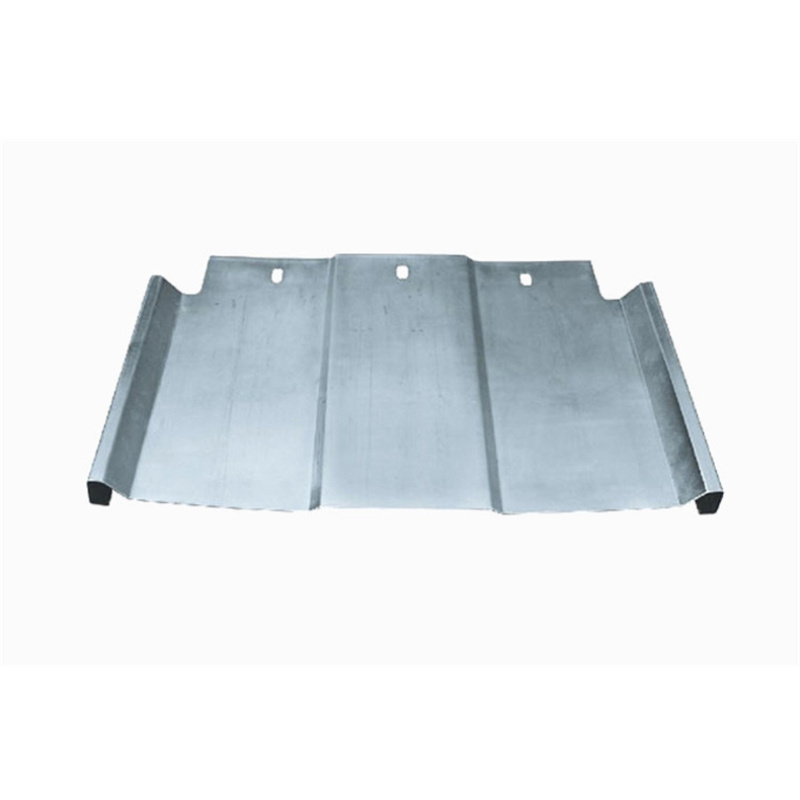
ESP collecting plates are typically made of conductive materials and are arranged in parallel within the precipitator unit. Here's how they work:
1. **Ionization Process**: As the polluted air enters the ESP, it first passes through an ionization section where high-voltage electrodes generate an electric field. This field ionizes the particles in the air, giving them a positive charge.
2. **Collection Phase**: After ionization, the charged particles move towards the collecting plates, which are negatively charged. As they collide with the plates, they adhere to the surface, effectively removing them from the air stream.
3. **Clean Air Exit**: The cleansed air then exits the system, significantly reducing the particulate matter released into the atmosphere.
This efficient separation process is what makes ESP collecting plates a vital component in modern air purification technology.
4. Key Benefits of Using ESP Collecting Plates
Using ESP collecting plates brings several advantages that enhance both air quality and operational efficiency in various industrial settings.
4.1 Improved Efficiency
One of the most significant benefits of ESP collecting plates is their ability to achieve high collection efficiencies, often exceeding 99% for certain types of particulate matter. This translates into cleaner emissions and a healthier environment, ensuring compliance with stringent air quality regulations.
4.2 Cost-Effectiveness
While the initial investment in an ESP system may be substantial, the long-term savings can be considerable. ESP collecting plates require minimal maintenance and have a long operational life. Their efficiency in removing particulate matter reduces the costs associated with air pollution control devices, energy consumption, and potential fines for non-compliance with environmental regulations.
4.3 Positive Environmental Impact
By significantly reducing particulate emissions, ESP collecting plates contribute to a cleaner atmosphere. This leads to improved public health, as lower air pollution levels are linked to reduced respiratory issues and other health problems. Furthermore, cleaner air enhances the overall quality of life, making it an essential consideration for industries aiming to operate sustainably.
5. Applications of ESP Collecting Plates in Various Industries
ESP collecting plates are versatile components used across multiple industries where air quality is a concern. Some prominent applications include:
1. **Power Generation**: In coal-fired power plants, ESPs effectively control emissions, ensuring compliance with environmental regulations.
2. **Cement Manufacturing**: The production process generates significant dust and particulate matter, making ESP collecting plates essential for maintaining air quality.
3. **Metallurgical Industries**: The smelting and refining processes release harmful particles; ESPs help capture these emissions effectively.
4. **Waste Incineration**: ESPs are crucial in controlling the emissions from waste incinerators, reducing the environmental impact of burning waste.
6. Maintaining Your ESP Collecting Plates for Optimal Performance
To ensure that ESP collecting plates continue to operate efficiently, regular maintenance is essential. Here are some tips:
- **Routine Inspections**: Schedule regular inspections to check for wear and tear, ensuring that the plates remain in optimal condition.
- **Cleaning**: Depending on the application, cleaning the plates periodically may be necessary to prevent buildup that can hinder performance.
- **Monitoring Performance**: Keep track of the system's efficiency and emissions levels to identify any potential issues before they become significant problems.
By adhering to these maintenance practices, industries can ensure that their ESP systems continue to function effectively, maximizing the benefits of the collecting plates.
7. Common Issues and Solutions Related to ESP Collecting Plates
Like any technological system, ESP collecting plates can encounter challenges. Here are some common issues and their solutions:
1. **Reduced Efficiency**: If the collection efficiency drops, inspect for dust buildup on the plates. A thorough cleaning can often restore performance.
2. **Electrical Failures**: Ensure that the electrical components are regularly tested and maintained. Proper grounding and insulation can prevent many electrical issues.
3. **Mechanical Failures**: Regular checks on the structural integrity of the plates can prevent mechanical failures that could disrupt operations.
Addressing these issues promptly can help maintain the effectiveness of the ESP collecting plates and overall air purification system.
8. Frequently Asked Questions
1. What materials are ESP collecting plates made of?
ESP collecting plates are typically made from conductive materials such as stainless steel or aluminum, which enhance their efficiency in collecting charged particles.
2. How often should ESP collecting plates be cleaned?
The frequency of cleaning depends on the application and the level of particulate matter. Generally, routine inspections every few months can help determine when cleaning is necessary.
3. Can ESP collecting plates be recycled?
Yes, many materials used in ESP collecting plates can be recycled, making them an environmentally friendly option for air purification.
4. What is the lifespan of ESP collecting plates?
With proper maintenance, ESP collecting plates can last several years, often outlasting many other components of the air purification system.
5. Are ESPs effective for all types of particulate matter?
While ESPs are highly effective for many types of particulate matter, their effectiveness may vary based on the size and charge of the particles. It's essential to evaluate the specific needs of your application.
9. Conclusion
In conclusion, the use of **ESP collecting plates** in air purification systems offers numerous benefits, from improved efficiency and cost-effectiveness to significant positive environmental impacts. As industries continue to prioritize sustainability and air quality, understanding and utilizing these advanced technologies will be crucial. By implementing proper maintenance and addressing common issues, organizations can maximize the effectiveness of their ESP systems, ensuring cleaner air for all.
Hot Tags:


Contact Us
Tel:
WeChat:
WhatsApp:
E-mail:
Address:
338 National Road South, Longfengdian Village, Botou City, Hebei Province, China
JiuznTomine is expertly delivering technically complicated projects in markets & provides custom solutions for their customized need.


CONTACT INFO
Tel: +86 18531710311
WeChat: +86-18531710311
338 National Road South, Longfengdian Village, Botou City, Hebei Province, China