












Maximizing Industrial Efficiency with Sintered Plate Dust Collection Systems
Dec 01,2024
Maximizing Industrial Efficiency with Sintered Plate Dust Collection Systems
Introduction to Sintered Plate Dust Collection Systems
In today’s industrial landscape, efficient dust collection is paramount for maintaining productivity, ensuring worker safety, and adhering to environmental regulations. **Sintered plate dust collection systems** are at the forefront of this evolution. These innovati
Maximizing Industrial Efficiency with Sintered Plate Dust Collection Systems
Introduction to Sintered Plate Dust Collection Systems
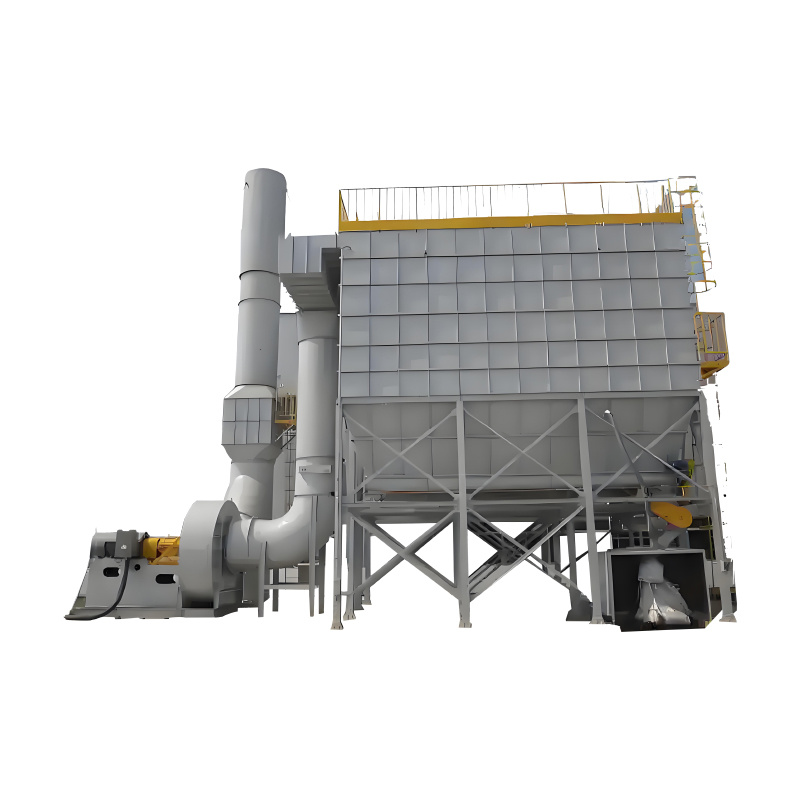
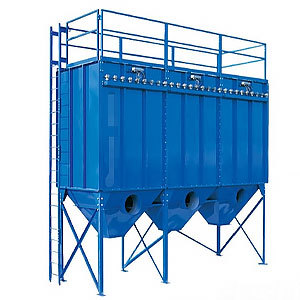
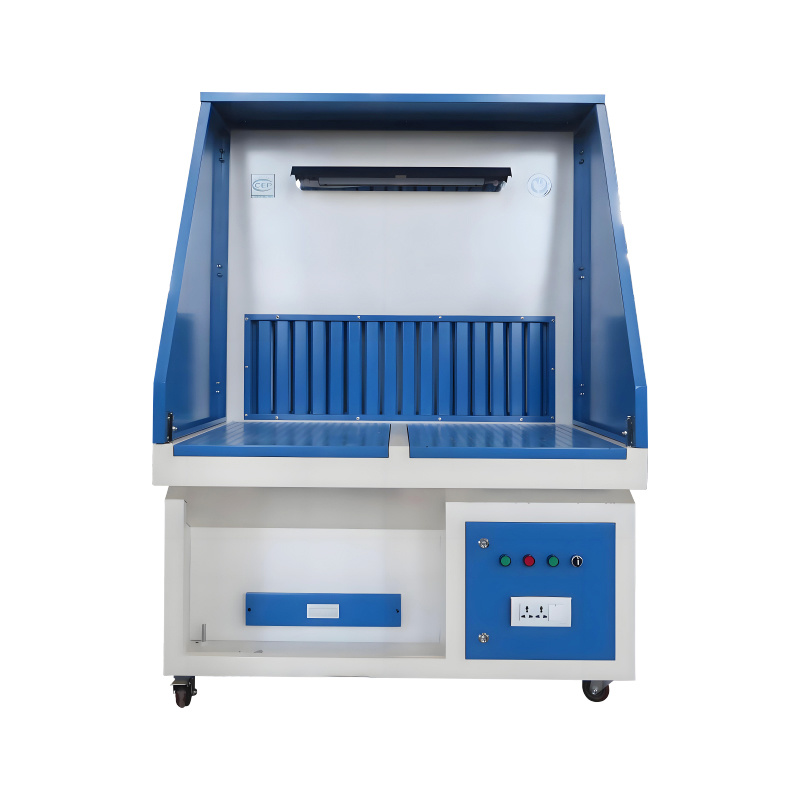
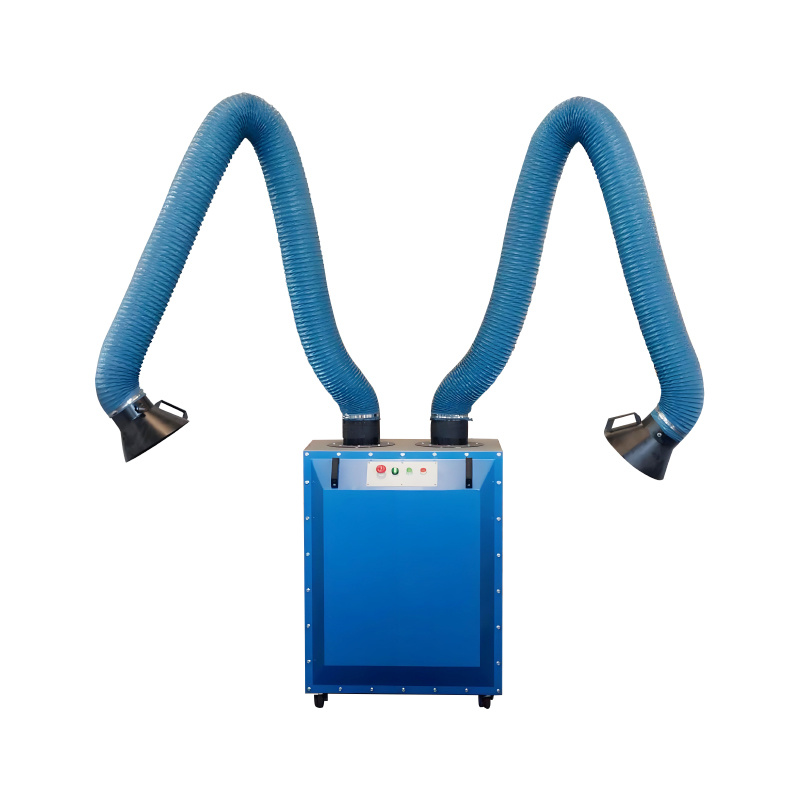
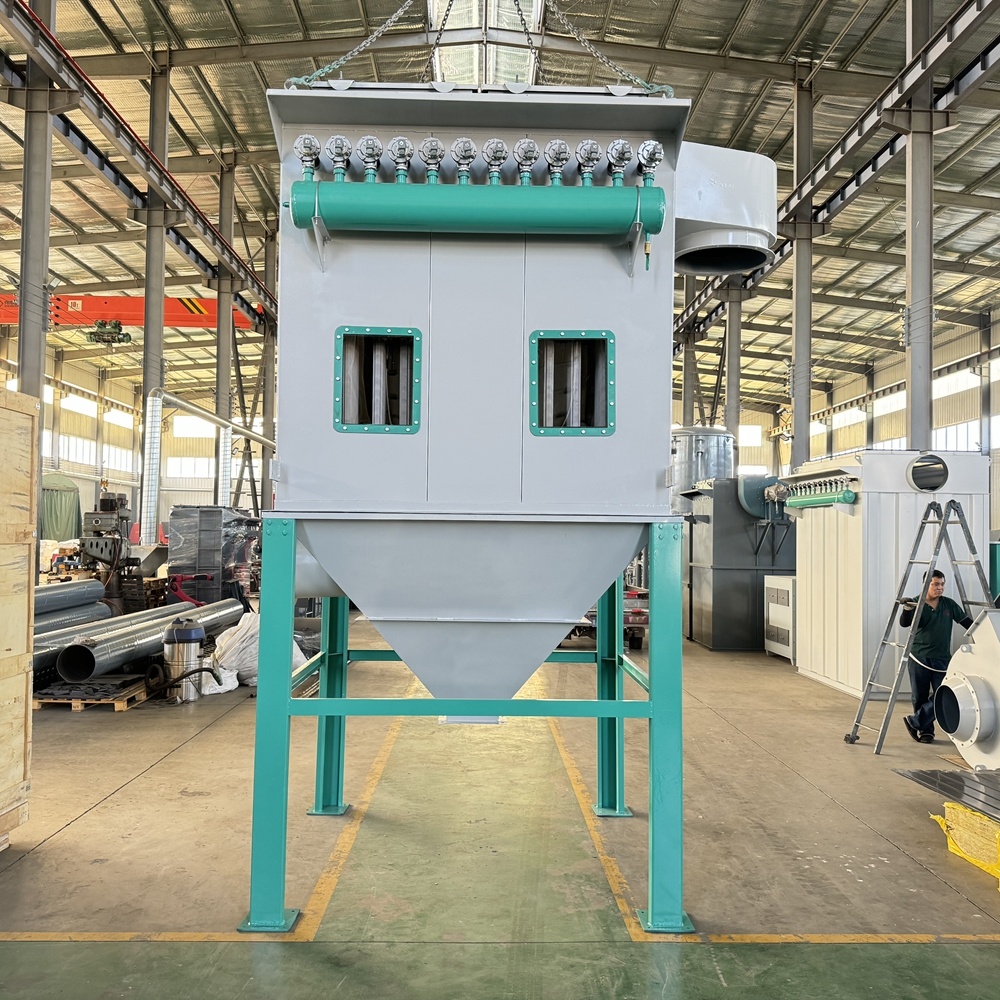
In today’s industrial landscape, efficient dust collection is paramount for maintaining productivity, ensuring worker safety, and adhering to environmental regulations. **Sintered plate dust collection systems** are at the forefront of this evolution. These innovative systems utilize advanced filtration technology to optimize air quality and enhance operational efficiencies across various industries.
Understanding Sintered Plate Technology
Sintered plates are unique porous materials engineered to meet the demands of industrial dust collection. The sintering process involves compressing and heating material particles to form a solid structure with fine pores. The benefits of using sintered plates for dust collection include:
1. High Filtration Efficiency
Sintered plates can capture particles as small as 0.3 microns, ensuring that airborne contaminants are effectively removed from the work environment. This high-level filtration is crucial for industries where air quality directly impacts product quality and worker health.
2. Long-lasting Durability
Unlike traditional filter media that degrade over time, sintered plates are incredibly durable. Their robust structure allows them to withstand harsh conditions, including high-temperature applications, reducing the need for frequent replacements.
Key Features of Sintered Plate Dust Collection Systems
Understanding the key features of sintered plate dust collection systems helps in recognizing their impact on industrial efficiency.
1. Modular Design
Sintered plate systems can be designed in a modular fashion, allowing businesses to customize configurations based on specific operational needs. This modularity enhances flexibility and scalability, making it easier to expand or modify the system as demands change.
2. Minimal Maintenance Requirements
One of the most significant advantages of sintered plate technology is its low maintenance requirement. Traditional dust collectors necessitate frequent cleaning and replacement, driving up operating costs. In contrast, sintered plates can often be cleaned and reused, promoting a more sustainable and cost-effective approach.
3. Energy Efficiency
Sintered plate dust collection systems are designed to operate efficiently, minimizing energy consumption. By optimizing airflow and resistance, these systems not only reduce operational costs but also contribute to a lower carbon footprint.
Benefits of Implementing Sintered Plate Systems in Industrial Settings
Integrating sintered plate dust collection systems into industrial operations offers numerous advantages that directly impact efficiency, safety, and compliance.
1. Enhanced Product Quality
In industries such as pharmaceuticals and food processing, maintaining stringent quality standards is non-negotiable. By ensuring clean air and minimizing contamination risks, sintered plate systems directly enhance product quality, leading to fewer defects and recalls.
2. Improved Worker Safety
Dust accumulation poses significant health risks to workers. Sintered plate dust collection systems effectively reduce airborne particulate matter, contributing to a safer workplace. This improvement not only protects employees but also reduces liability for the company.
3. Compliance with Environmental Regulations
As environmental regulations become increasingly strict, businesses must adapt to sustainability measures. Sintered plate systems help organizations comply with air quality standards, avoiding penalties and enhancing their public image as environmentally responsible entities.
Comparison with Traditional Dust Collection Systems
When evaluating the efficiency of sintered plate systems, it’s essential to compare them with traditional dust collection solutions.
1. Filtration Performance
Traditional bag filters often struggle with fine particles, leading to inefficiencies and potential product contamination. In contrast, sintered plates provide superior filtration, ensuring cleaner air and a more controlled environment.
2. Cost of Ownership
While the initial investment in sintered plate systems may be higher, the long-term savings from reduced maintenance and energy costs make them a more economical choice. Traditional systems, with their frequent filter changes and higher energy demands, can lead to escalating operational expenses.
3. Sustainability Factors
Sintered plate systems align with the growing demand for sustainable industrial practices. Their reusability and lower energy consumption contribute to a reduced environmental impact compared to traditional systems that often end up in landfills.
Implementing Sintered Plate Dust Collection Systems: Best Practices
To maximize the benefits of sintered plate dust collection systems, organizations should adhere to several best practices during implementation.
1. Conduct a Thorough Needs Assessment
Before selecting a dust collection system, it’s crucial to conduct a comprehensive evaluation of the specific dust types, particle sizes, and air quality requirements of the facility. Tailoring the system to meet these needs ensures optimal performance.
2. Consider System Size and Configuration
Proper sizing and configuration of the dust collection system are essential for achieving maximum efficiency. An undersized system can lead to overloading and increased pressure drop, while an oversized system may not operate effectively at lower loads.
3. Regular Monitoring and Maintenance
Although sintered plate systems require less maintenance than traditional systems, regular monitoring is still essential to identify potential issues early. Implementing a proactive maintenance schedule can prevent downtime and ensure consistent performance.
Case Studies: Successful Implementation of Sintered Plate Systems
Numerous companies have successfully transitioned to sintered plate dust collection systems, demonstrating measurable improvements in efficiency and compliance.
1. Manufacturing Facility A
A large manufacturing facility faced challenges with dust accumulation, leading to safety concerns and production inefficiencies. After implementing a sintered plate system, they reported a 40% reduction in airborne dust levels, a significant increase in worker satisfaction, and compliance with local air quality regulations.
2. Food Processing Plant B
A food processing plant struggled with contamination issues due to insufficient dust collection. By upgrading to sintered plates, they improved product quality, reduced recalls by 25%, and enhanced their reputation for safety and cleanliness.
Future Trends in Dust Collection Technology
The landscape of dust collection technology continues to evolve, influenced by advancements in materials science and smart technology integration.
1. Smart Dust Collection Systems
The future of dust collection systems lies in smart technology. Integrating IoT devices and sensors allows for real-time monitoring of system performance, enabling predictive maintenance and further enhancing efficiency.
2. Sustainable Materials and Practices
As industries strive for greater sustainability, future dust collection systems may prioritize the use of eco-friendly materials and practices, further reducing their environmental impact.
FAQs about Sintered Plate Dust Collection Systems
1. What industries benefit most from sintered plate dust collection systems?
Sintered plate systems are particularly advantageous in industries such as pharmaceuticals, food processing, metalworking, and woodworking, where air quality and contamination control are critical.
2. How does a sintered plate dust collection system compare in cost to traditional systems?
While the initial investment might be higher for sintered plate systems, the long-term savings from reduced maintenance and energy costs make them more economical overall.
3. What maintenance is required for sintered plate systems?
Sintered plate systems are low maintenance. Regular inspection and periodic cleaning are sufficient to ensure optimal performance.
4. Can sintered plate systems be customized for specific applications?
Yes, sintered plate systems can be designed in modular configurations to meet the unique needs of different industrial applications.
5. How do sintered plate systems contribute to safety in the workplace?
By effectively reducing airborne dust and particulate matter, sintered plate systems improve air quality, thereby enhancing worker safety and health.
Conclusion
Sintered plate dust collection systems represent a significant advancement in the pursuit of industrial efficiency and safety. By leveraging their high filtration capabilities, durability, and low maintenance requirements, businesses can not only comply with stringent regulations but also enhance product quality and worker safety. As industries continue to evolve, embracing innovative solutions like sintered plate technology will be crucial for maintaining a competitive edge in a rapidly changing market.
Hot Tags:


Contact Us
Tel:
WeChat:
WhatsApp:
E-mail:
Address:
338 National Road South, Longfengdian Village, Botou City, Hebei Province, China
JiuznTomine is expertly delivering technically complicated projects in markets & provides custom solutions for their customized need.


CONTACT INFO
Tel: +86 18531710311
WeChat: +86-18531710311
338 National Road South, Longfengdian Village, Botou City, Hebei Province, China