











Can dust removal equipment pass environmental impact assessment? What is the standard dust removal efficiency
Jun 03,2026
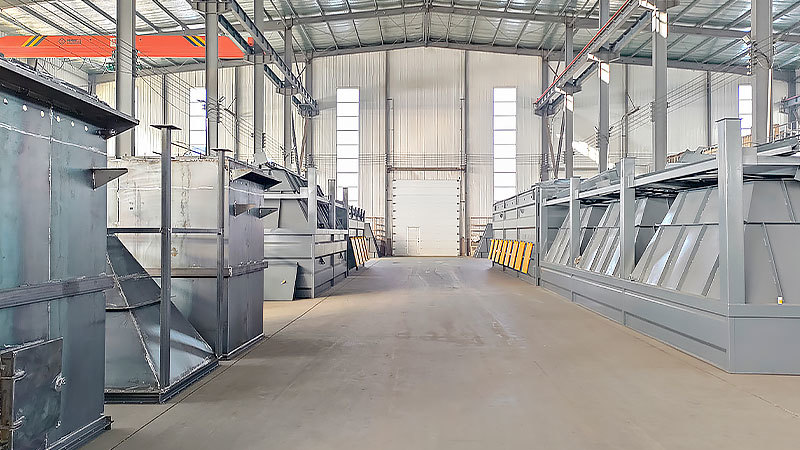
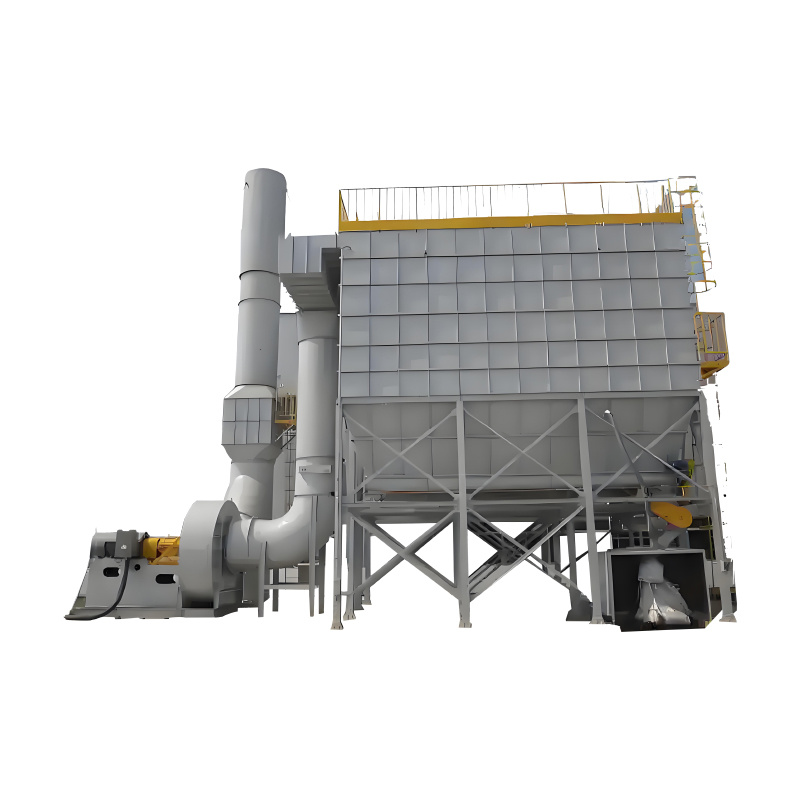
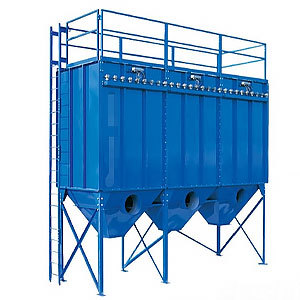
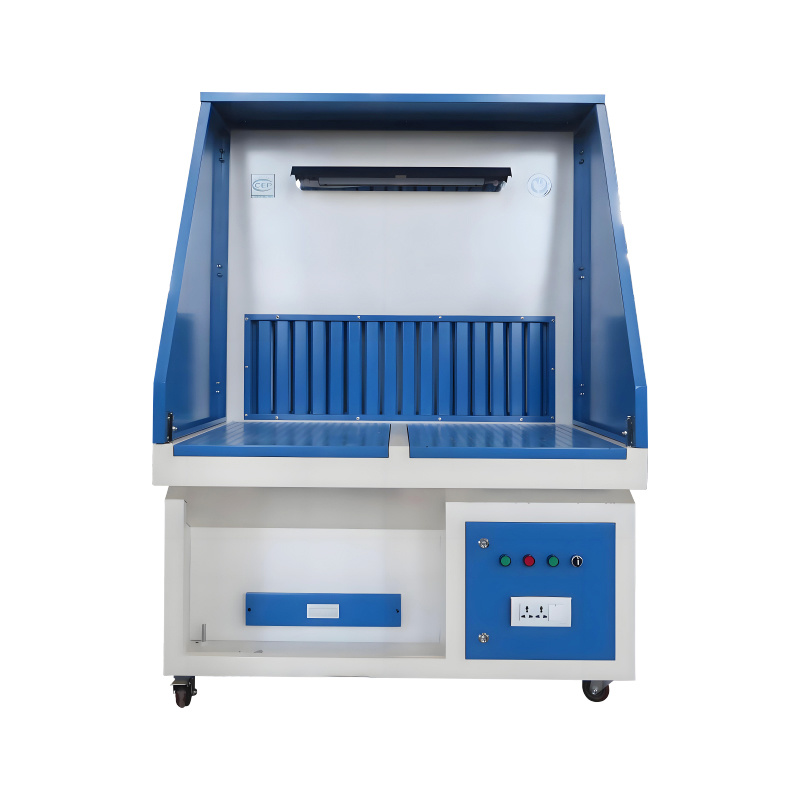
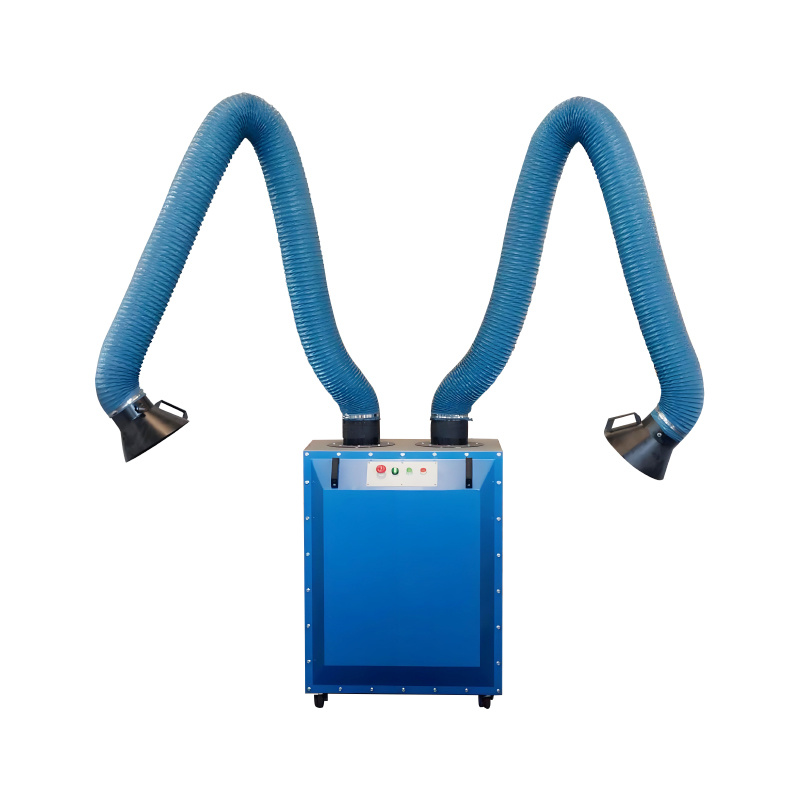
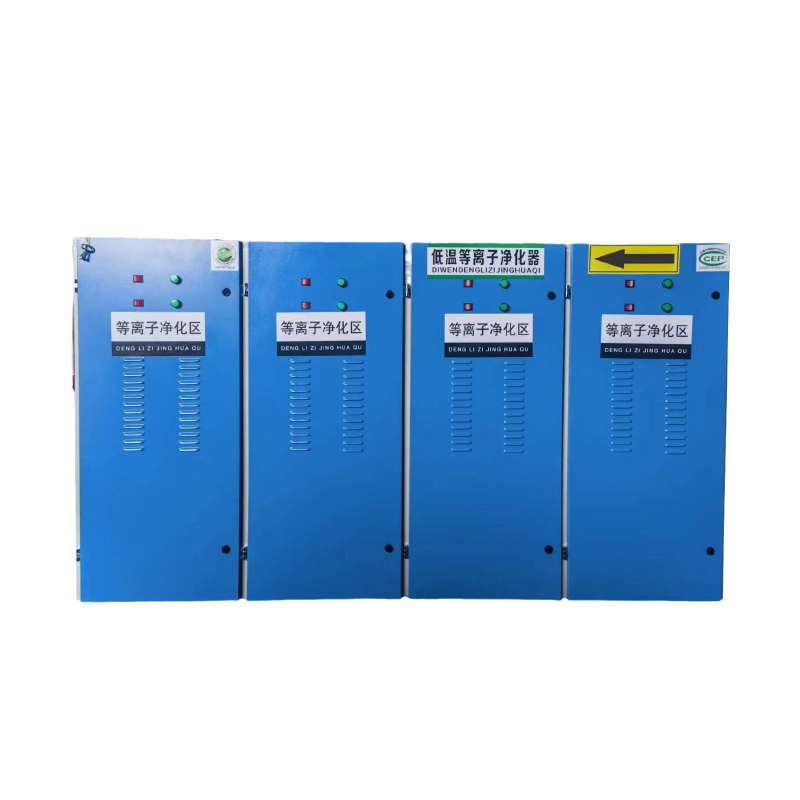
In the field of industrial waste gas treatment, many enterprises commonly have a misconception: they believe that as long as dust removal equipment is installed, they can successfully pass the environmental impact assessment (EIA) acceptance. In fact, the selection and operational efficiency of dust removal equipment are the core links of environmental protection review. Whether the equipment can pass the standards depends not only on its hardware performance, but also on whether its comprehensive treatment effect under actual working conditions strictly complies with national and local emission standards.
The standard threshold for dust removal efficiency
There is no universally applicable fixed value for determining the standard dust removal efficiency. It must be comprehensively judged based on specific industry attributes, dust characteristics, and environmental policies in the region. According to the current Comprehensive Emission Standards for Air Pollutants and relevant technical specifications, the emission concentration limit for conventional industrial dust is usually required to be controlled below 10mg/m ³; In key controlled areas or specific heavy polluting industries, this standard has been further tightened to 5mg/m ³ or even lower.
From a technical perspective, if the initial concentration of dusty gas is high, in order to meet the strict emission limits mentioned above, the comprehensive filtration efficiency of the dust collector usually needs to reach 99.5% or more. For fine particles with a particle size of ≥ 1 μ m, the filtration efficiency of high-efficiency dust removal equipment needs to reach 99.9% to ensure compliance. In addition, some regions have explicitly defined "dust removal efficiency of over 99%" as a mandatory indicator for defining high-efficiency dust removal facilities for specific pollution sources such as biomass boilers. Therefore, when purchasing equipment, enterprises should not only be satisfied with the rough filtration capacity of 80% -90% of ordinary equipment, but should calculate in reverse based on their own inlet dust concentration to ensure that the theoretical and measured efficiency of the selected equipment can cross the compliance red line.
Multidimensional factors determining the success or failure of environmental impact assessment
In addition to a single dust removal efficiency, environmental impact assessment acceptance is actually a comprehensive examination of the entire dust control system. Firstly, the processing capacity of the equipment must match the actual production scale. If the air volume calculation is too small, it will result in ineffective dust capture, while if it is too large, it will cause energy waste and make it difficult to maintain a reasonable filtering air speed. Secondly, the airtightness of the system is crucial, and the air leakage rate of dust removal equipment is usually strictly controlled within 4% (some high standard projects require less than 3%). Once the air leakage rate exceeds the standard, it not only dilutes the airflow, leading to a decrease in dust removal efficiency, but may also cause low-temperature condensation or secondary dust problems.
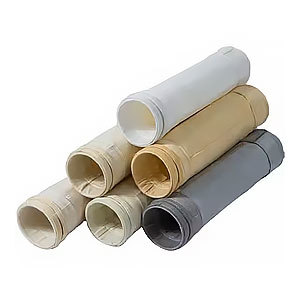
Meanwhile, the standardization of installation is also a key focus of on-site inspection. This includes the scientific layout of the pipeline, the effective capture of unorganized emissions by the vacuum hood, and whether details such as the flatness of the flower board and the spacing between filter bags comply with engineering standards. Finally, daily supervision cannot be ignored. In subsequent spot checks, the environmental protection department will focus on checking the stable operation of equipment, records of filter material replacement, and continuous monitoring reports issued by third parties. Unauthorized shutdown of equipment, missing operation and maintenance records, or falsification of self-monitoring data can all lead to serious compliance risks.
In summary, whether the dust removal equipment can pass the environmental impact assessment is essentially a systematic engineering verification process. Enterprises should not limit their focus to a single isolated parameter, but should establish a full process compliance system from source control, systematic dust collection to long-term dust reduction. Only by accurately matching dust removal efficiency, strictly controlling system air leakage rate, and implementing standardized operation and maintenance management can we truly achieve a win-win situation between environmental standards and production benefits.
Hot Tags:
PREVIOUS:
Contact Us
Tel:
WeChat:
WhatsApp:
E-mail:
Address:
338 National Road South, Longfengdian Village, Botou City, Hebei Province, China
JiuznTomine is expertly delivering technically complicated projects in markets & provides custom solutions for their customized need.


CONTACT INFO
Tel: +86 18531710311
WeChat: +86-18531710311
338 National Road South, Longfengdian Village, Botou City, Hebei Province, China