











Industrial dust collector ultra-low emission selection, meeting environmental acceptance standards
Jun 03,2026
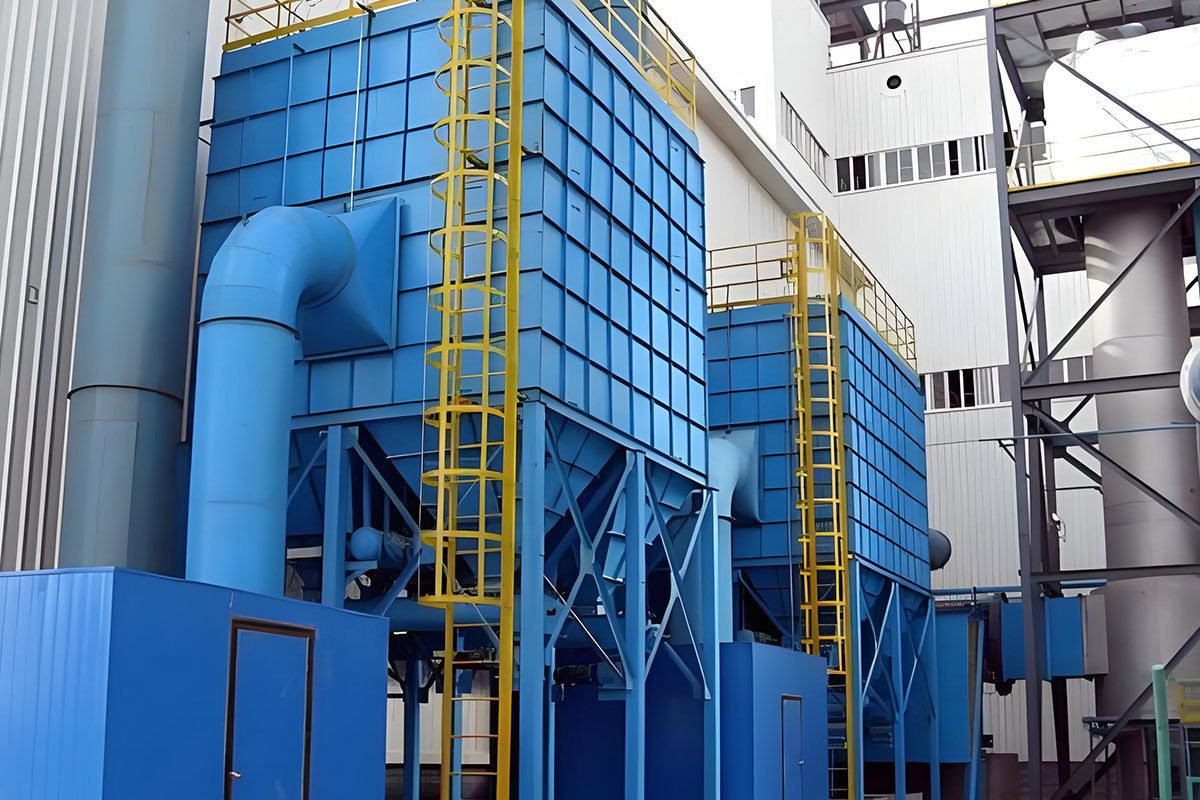
With the continuous tightening of global environmental regulations, "ultra-low emissions" have extended from the thermal power industry to heavy pollution areas such as steel, cement, and chemical industry. Against the backdrop of strict particle emission limits of 5mg/m ³ or even lower in many regions, traditional extensive dust removal equipment is no longer able to pass rigorous environmental inspections. To achieve true emissions standards, companies must abandon the mindset of relying solely on end interception and conduct systematic and precise selection from multiple dimensions such as filter material upgrading, flow field optimization, and intelligent control.
Technological upgrade of core filtration media
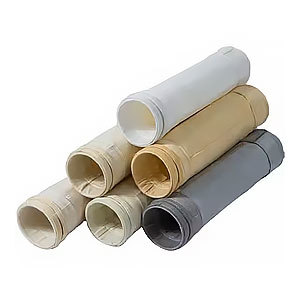
Under ultra-low emission conditions, the physical structure of the filter material directly determines the final emission concentration. Conventional needle punched felt is prone to fine dust penetration due to its deep filtration properties. Therefore, when selecting, the filter material must be upgraded to PTFE film or ePTFE film material. The pore size of this surface filtration technology is usually less than 2 μ m, which can form a dense barrier layer on the surface of the filter bag, intercepting the vast majority of fine particles (including PM2.5) and easily achieving a capture efficiency of over 99.9%. In addition, for high temperature or high humidity environments, it is necessary to simultaneously select special fiber substrates with hydrolysis and corrosion resistance characteristics to ensure stable filtration performance in complex flue gas for a long time.
Reduce filtering wind speed and strengthen skeleton protection
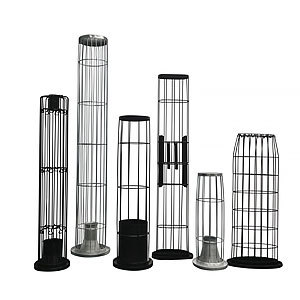
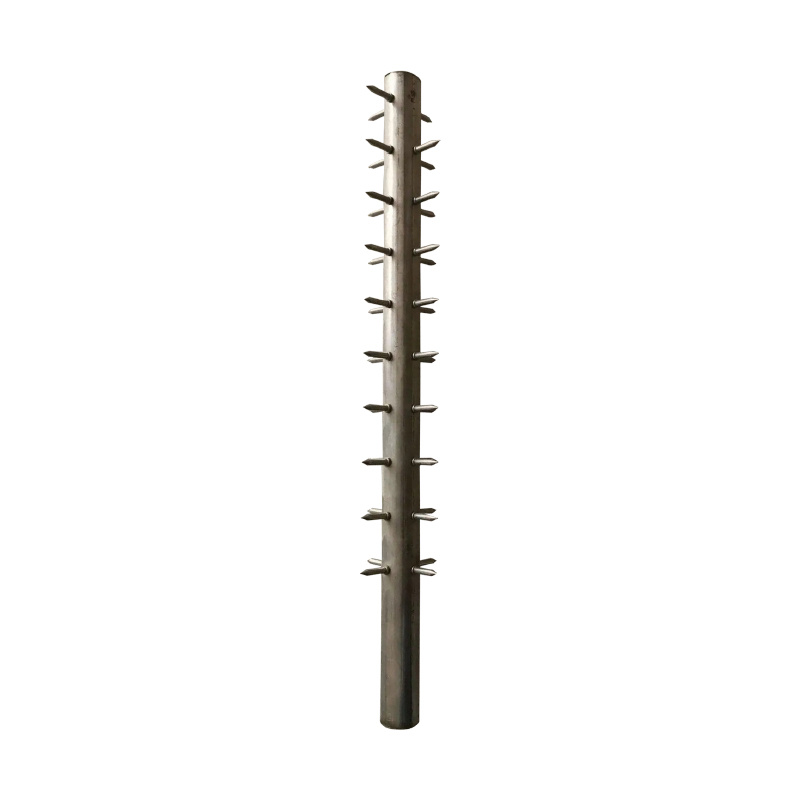
Many companies blindly increase the filtration air speed in pursuit of equipment compactness, which is often the root cause of excessive emissions and damaged filter bags. In ultra-low emission projects, it is necessary to strictly control the filtration wind speed: for non viscous dust, it is recommended to take a value not exceeding 1.0m/min; For high concentration or viscous dust, it should be further reduced to 0.6-0.8m/min. Lower wind speeds can not only significantly reduce system resistance, but also extend the cleaning cycle. At the same time, in order to cope with the mechanical stress caused by high-pressure pulse blowing, the design of the bag cage (skeleton) also needs to be upgraded synchronously. The number of vertical bars should be increased to 12-16 to enhance the overall rigidity, prevent the filter bag from colliding and wearing during high-frequency dust cleaning, and avoid instantaneous emission rebound caused by local bag breakage.
Preprocessing mechanism and intelligent operation and maintenance system
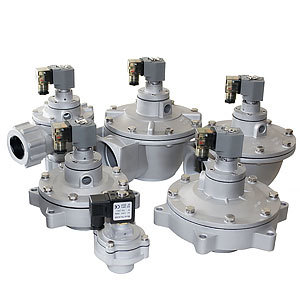
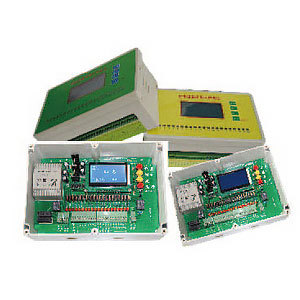
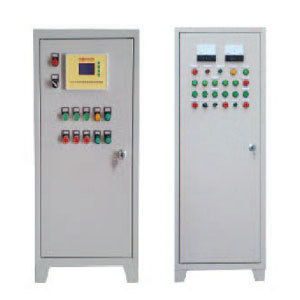
Faced with the risk of oil fume adhesion during boiler ignition or low load operation, simple dry filtration is often insufficient. When selecting, consideration should be given to adding a pre spraying device. By pre covering the surface of the filter bag with a layer of limestone powder or clinker powder, an initial protective layer should be established to effectively isolate the blockage of the filter hole by oily substances. In terms of control system, the traditional single timed dust cleaning mode can no longer meet the requirements of refined management, and must be upgraded to a dual-mode linkage control of "differential pressure+timing". By combining PLC intelligent algorithms with IoT remote monitoring functions, the system can automatically adjust the blowing frequency and pulse width based on real-time resistance, avoiding energy waste caused by excessive dust cleaning and ensuring that the equipment always operates in a low resistance and efficient stable state.
The ultra-low emission selection of industrial dust collectors is a systematic engineering that covers materials science, fluid mechanics, and automation control. Only by breaking away from the procurement mindset of a single device, comprehensively considering the application of membrane filter media, reasonable filtration wind speed settings, and intelligent operation and maintenance guarantees, can enterprises truly cross the increasingly stringent environmental acceptance red line. This rational selection strategy based on full lifecycle costs and compliance risks is not only a manifestation of corporate social responsibility, but also a core cornerstone for ensuring long-term stable operation.
Hot Tags:
PREVIOUS:
Contact Us
Tel:
WeChat:
WhatsApp:
E-mail:
Address:
338 National Road South, Longfengdian Village, Botou City, Hebei Province, China
JiuznTomine is expertly delivering technically complicated projects in markets & provides custom solutions for their customized need.


CONTACT INFO
Tel: +86 18531710311
WeChat: +86-18531710311
338 National Road South, Longfengdian Village, Botou City, Hebei Province, China