

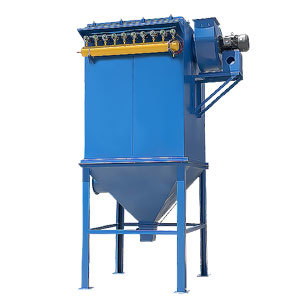
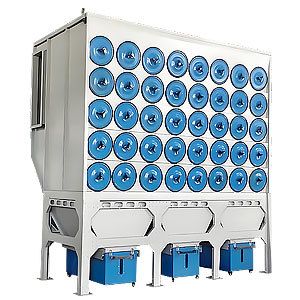
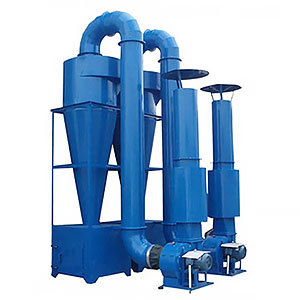

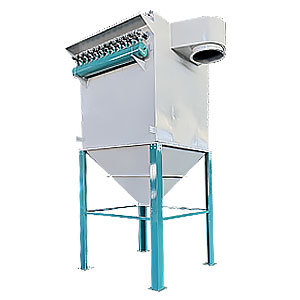
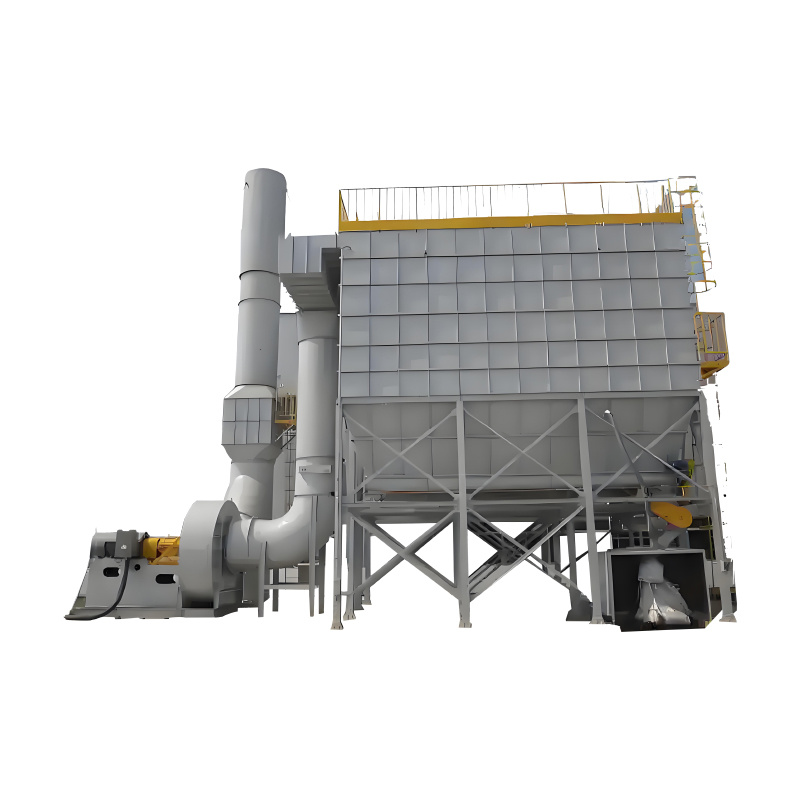
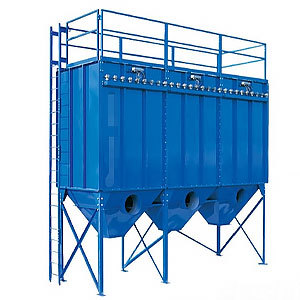
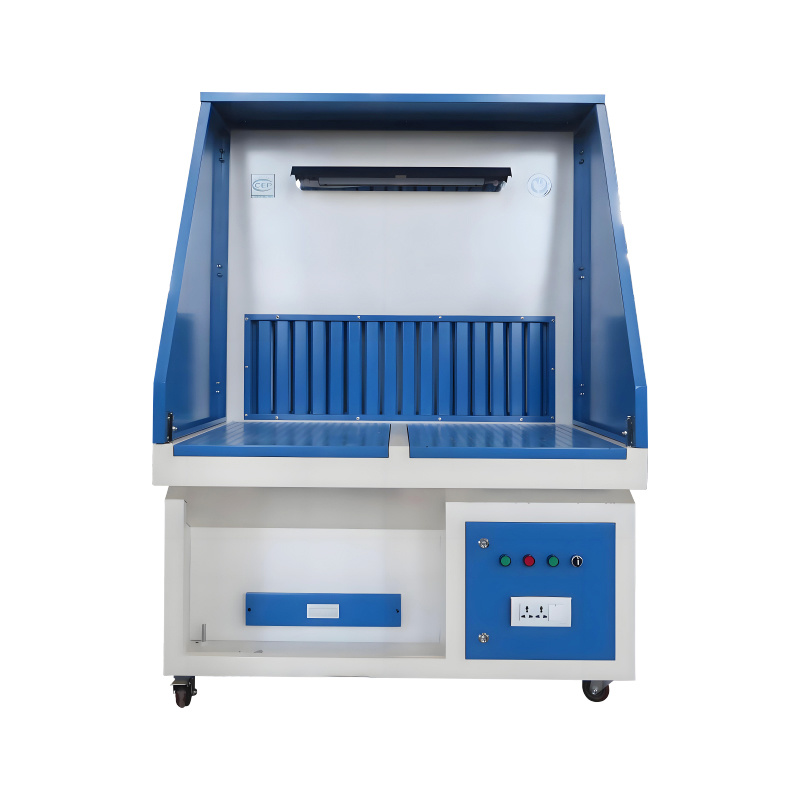
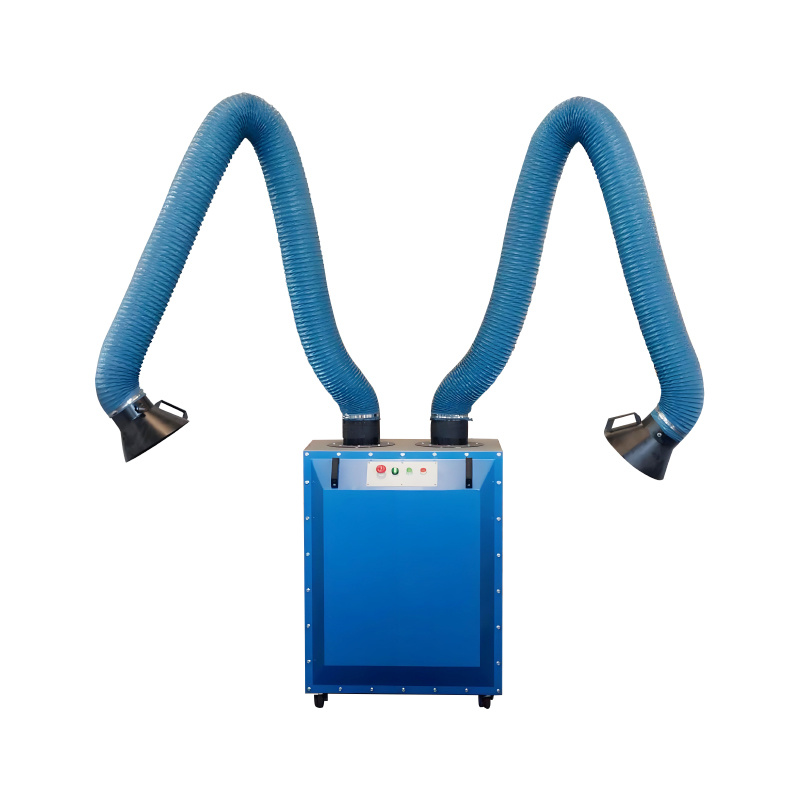
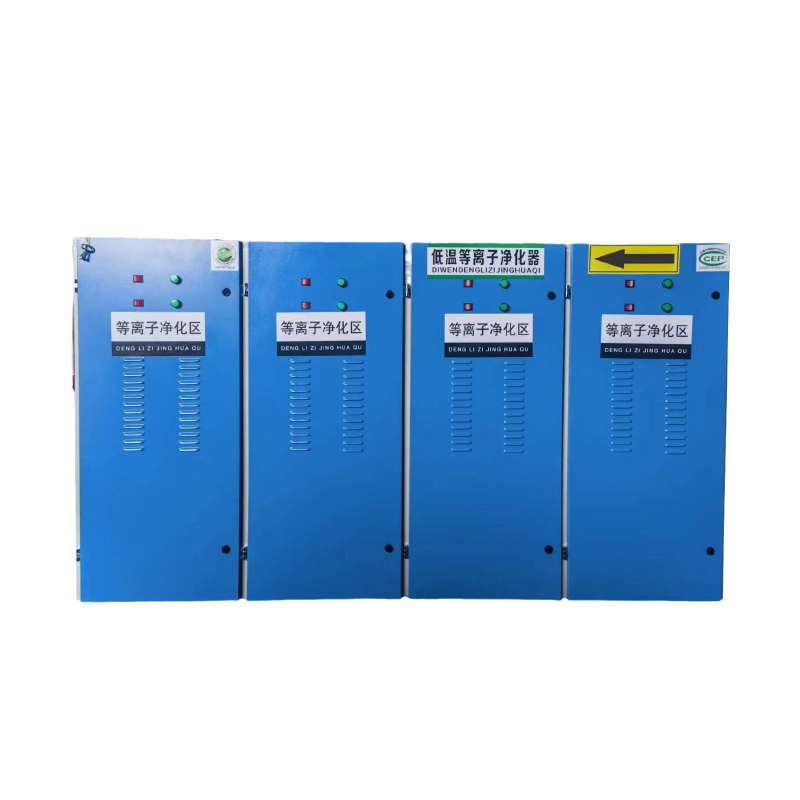
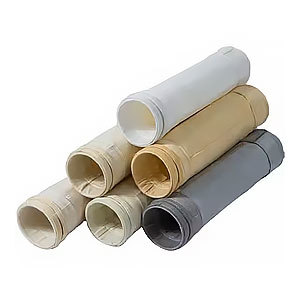
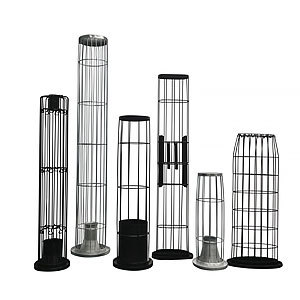
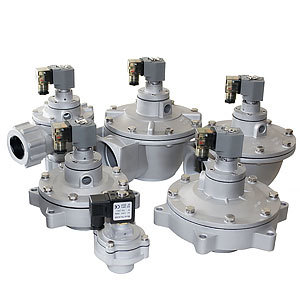









The filter cartridge dust collector matching workshop has passed the environmental impact assessment and acceptance smoothly
Jun 02,2026

With the continuous tightening of environmental regulations and the popularization of "ultra-low emission" standards, filter cartridge dust collectors have become the preferred equipment for many manufacturing enterprises to cope with environmental impact assessments due to their extremely high filtration accuracy and compact space advantages. However, successfully passing the environmental impact assessment and acceptance cannot be achieved solely by purchasing a dust removal host. It requires enterprises to accurately match the entire process from air volume accounting, working condition adaptation to daily ledger management. The following are the core technologies and management points to ensure project compliance and implementation.
1、 Accurate calculation of air volume and optimization of capture system
The primary assessment indicators for environmental impact assessment acceptance are the actual collection rate and emission concentration of dust. In the selection stage, enterprises must abandon empirical estimation and scientifically calculate the processing air volume based on the actual layout of workshop dust production points, and reserve a surplus of 10% to 20% to cope with production load fluctuations. For dispersed workstations such as laser cutting and polishing, universal suction arms or mobile telescopic welding smoke rooms should be reasonably configured to ensure that the air speed at the suction hood mouth meets the standard (usually ≥ 2m/s) and achieve efficient capture of smoke and dust generation at the moment; For large-scale workpiece operation scenarios such as heavy machinery, a centralized pipeline air distribution system can be used. Only by ensuring that unorganized emissions are effectively converted into organized emissions can the limit requirements for particulate matter concentration at the factory be fundamentally met.
2、 Strictly control core parameters and adapt to filter conditions
The hardware parameters of the device directly determine whether it can meet strict emission standards. It is recommended to strictly control the filtration wind speed between 0.6-1.0m/min to avoid the penetration of fine dust through the filter material due to high wind speed, especially for ordinary industries with particle size ≤ 10mg/m ³ and even key industries with particle size ≤ 5mg/m ³. In the selection of filter media, customized matching must be based on the characteristics of dust: when facing sub micron level metal oxides generated by welding, PTFE coated filter cartridges should be used to achieve interception efficiency of over 99.9%; If the working conditions involve high temperature or high humidity environments, special fibers that are resistant to high temperature and hydrolysis should be selected to prevent excessive resistance and emissions caused by bag sticking due to condensation. At the same time, explosion dust scenes must be equipped with anti-static filter materials and explosion-proof pressure relief devices to meet safety production standards.
3、 Intelligent operation and compliance ledger construction
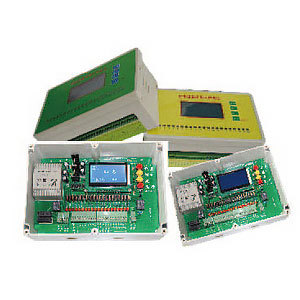
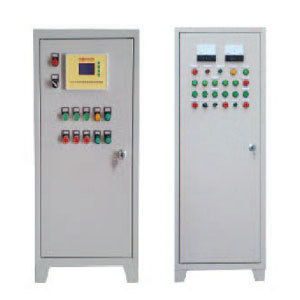
The acceptance of environmental impact assessment not only depends on the initial installation quality, but also on the long-term stable operation capability. Modern dust removal systems should come standard with PLC intelligent control modules and differential pressure sensors to achieve adaptive pulse cleaning based on real-time resistance, ensuring long-term stability of emission data and significantly reducing energy consumption. In addition, the environmental protection department pays close attention to the self-monitoring and ledger management of enterprises in daily supervision. Enterprises need to establish comprehensive environmental protection records, detailing the start and stop time, maintenance status, and third-party testing data of equipment. Some advanced dust removal systems now support IoT functionality, which can automatically generate operational reports and directly transmit emission data to the monitoring platform. This transparent and traceable data management system is a powerful guarantee for successfully passing environmental inspections.
The perfect match between the filter cartridge dust collector and the workshop is a systematic engineering that integrates fluid mechanics, materials science, and compliance management. Only by adhering to the principle of selecting products according to local conditions, strictly controlling key process parameters, and implementing refined full life cycle operation and maintenance management, can enterprises navigate the increasingly strict environmental regulatory environment with ease. This not only ensures the smooth production and acceptance of the project, but also builds a long-term and stable green safety defense line for the factory.
Hot Tags:
PREVIOUS:

Contact Us
Tel:
WeChat:
WhatsApp:
E-mail:
Address:
338 National Road South, Longfengdian Village, Botou City, Hebei Province, China
JiuznTomine is expertly delivering technically complicated projects in markets & provides custom solutions for their customized need.


CONTACT INFO
Tel: +86 18531710311
WeChat: +86-18531710311
338 National Road South, Longfengdian Village, Botou City, Hebei Province, China