

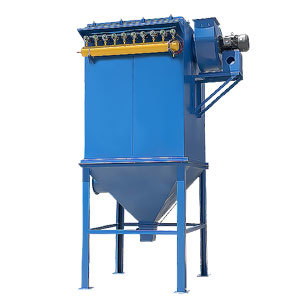
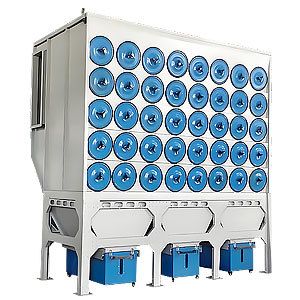
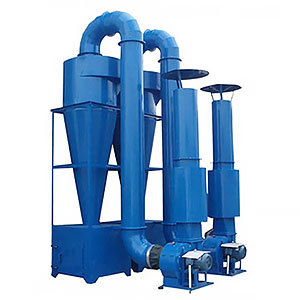

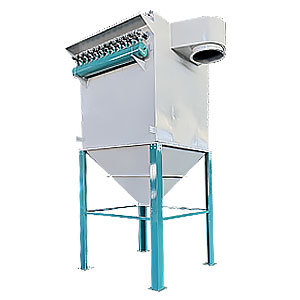
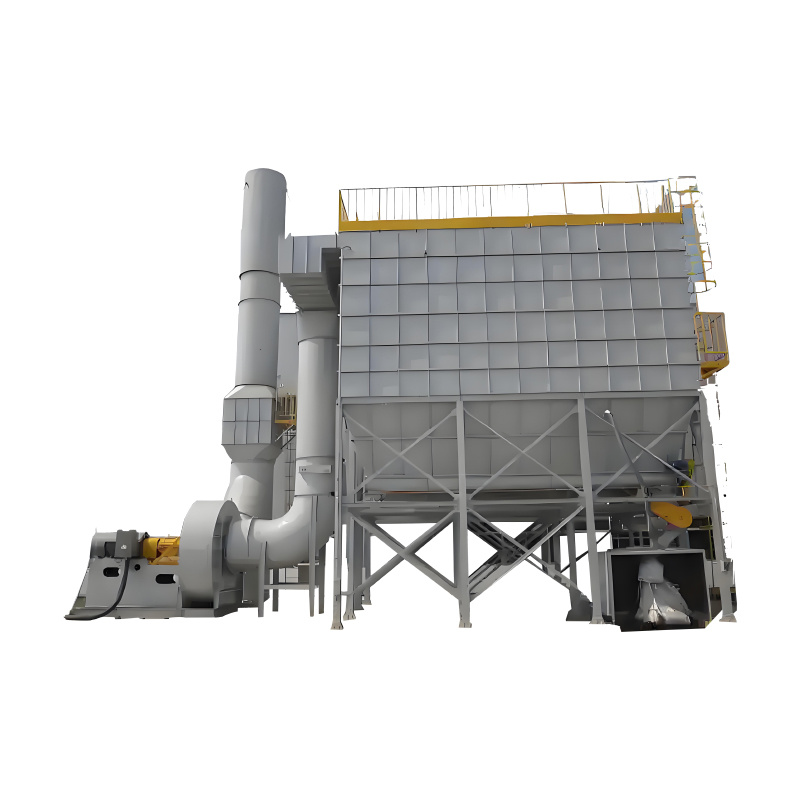
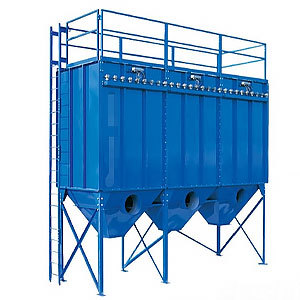
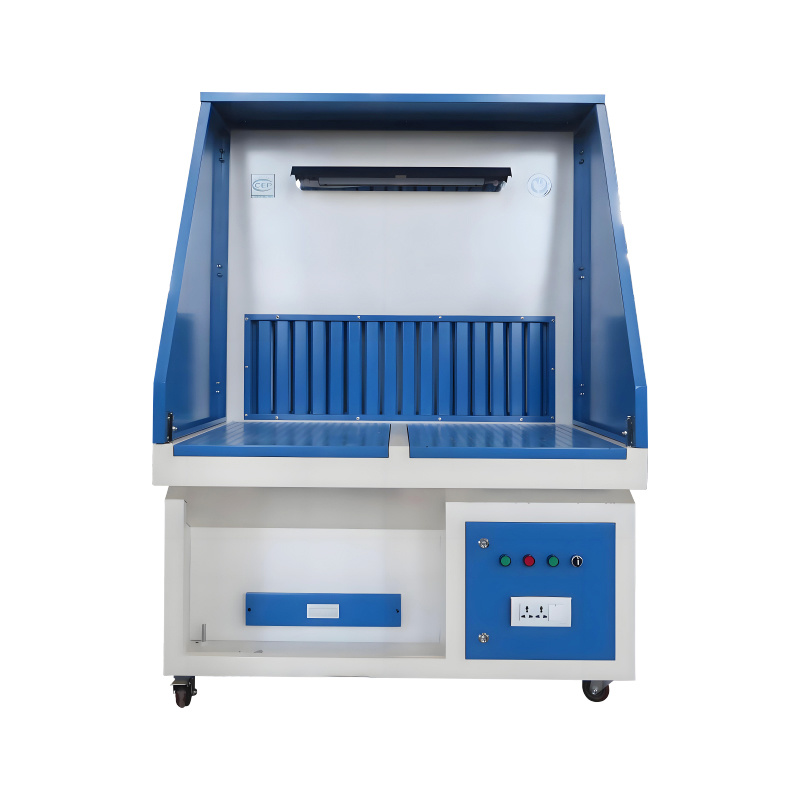
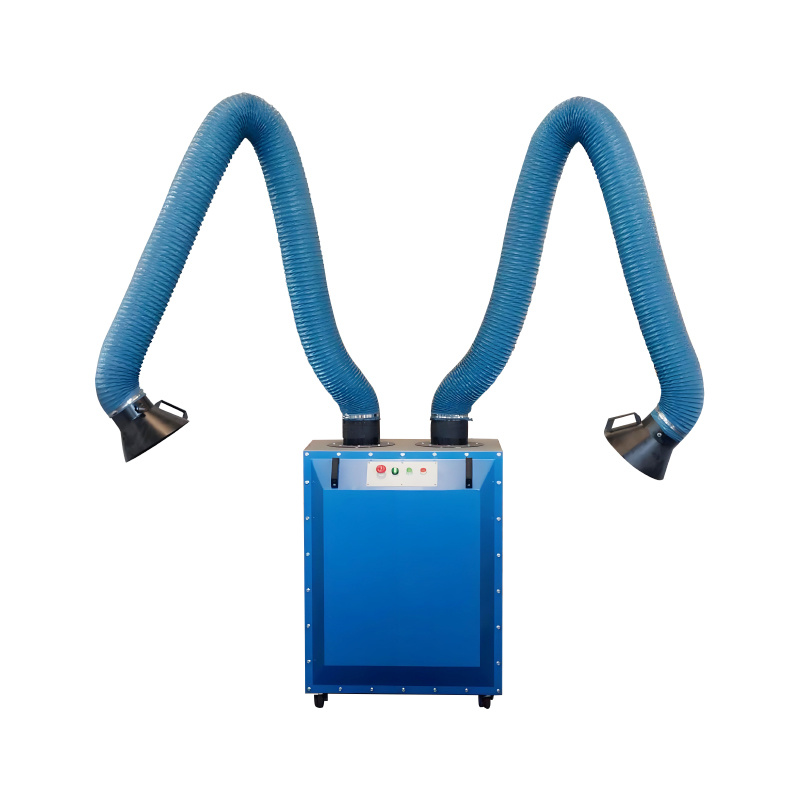










Multi industry scenarios paired with bag filters for easy compliance with emission standards
Jun 02,2026

With the continuous upgrading of global environmental regulations, industrial dust emission limits are constantly tightening (such as many places implementing ultra-low standards for particulate matter concentration ≤ 5mg/m ³). Among numerous dry dust removal technologies, bag filters have become the core equipment that crosses the compliance red line of heavy pollution industries such as mining, boilers, and casting due to their excellent physical interception mechanism and extremely high adaptability to working conditions. Accurately matching the process pain points of different industries is the key to achieving stable and compliant emissions.
1、 Mining and building materials industry: solving the problem of fine particle capture and explosion prevention
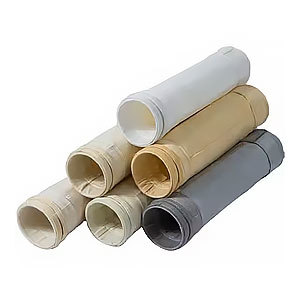
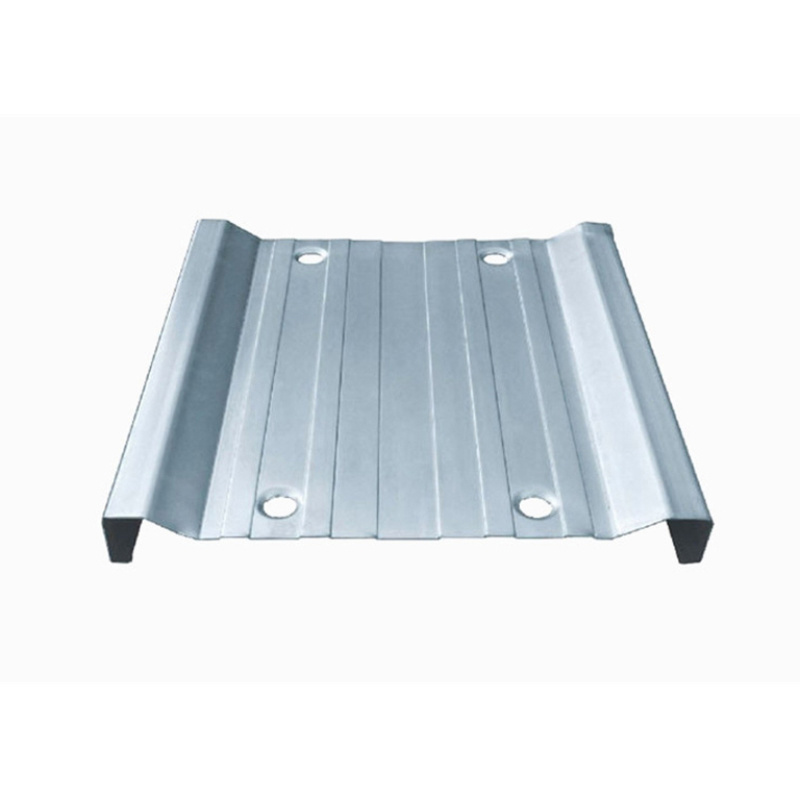
The particle size distribution of dust generated during mining crushing, vibration screening, and material transportation is extremely wide, and coal powder or metal ore powder often carries the risk of static electricity accumulation. For such working conditions, an air box pulse bag filter is an ideal choice. By optimizing the structure of the intake guide plate, the dusty airflow can first settle large particles, and then uniformly filter fine respiratory dust (PM2.5), effectively avoiding the scouring of the filter bag by local high-speed airflow. At the same time, stainless steel conductive fibers must be implanted in the filter bag base fabric to control the surface resistance within a safe range, and to cooperate with the overall grounding of the equipment to completely eliminate the hidden danger of static electricity explosion. By using anti-static coated polyester filter bags, not only can ultra-low emissions be achieved, but the lifespan of consumables can also be significantly extended.
2、 Boiler flue gas treatment: resist high temperature corrosion and hydrolysis aging
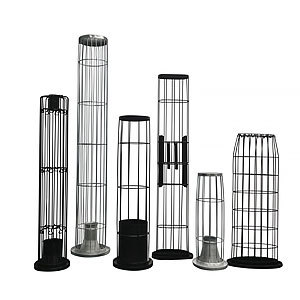
The tail gas treatment of coal-fired or biomass boilers faces severe challenges of large temperature fluctuations and complex composition (including sulfur, alkali, and water). Conventional filter materials are prone to hydrolysis aging or acid corrosion in such acidic wet flue gas, leading to brittle cracking and crushing. Therefore, the chemical tolerance of the filter material is the core of selection. For high sulfur coal-fired boilers, it is recommended to use PPS filter bags impregnated with PTFE lotion, whose oxidation resistance and acid resistance are significantly improved; For biomass boilers with a high concentration of alkaline substances, P84 or PTFE based composite filter media should be preferred. In addition, a silicone coating skeleton is used to resist corrosion, and a gravity settling chamber and over temperature bypass protection are added at the front end of the system to ensure that the dust concentration at the outlet remains stable below 5mg/m ³ for a long time.
3、 Casting and Machining: Overcoming Adhesive Dust and Condensation Paste Bags
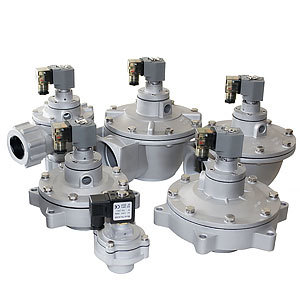
The dust generated by sand treatment, casting and other processes in the foundry workshop contains strong viscous components such as resin and wax. In addition, the high humidity of the flue gas can easily cause condensation inside the dust collector, resulting in the dust firmly adhering to the surface of the filter bag to form a "paste bag", causing the system resistance to soar or even collapse. The solution to this pain point lies in the combination of anti condensation design and water and oil repellent technology. On the one hand, it is necessary to install rock wool insulation layer and configure electric tracing device for the dust collector box to prevent low-temperature condensation; On the other hand, it is necessary to use water and oil repellent polyester needle punched felt treated with fluorine-containing finishing agents to make it difficult for water and oil to infiltrate the filter material. By using a pulse valve with an increased diameter to enhance dust cleaning, it can effectively remove viscous dust and ensure continuous low resistance operation of the system in harsh environments such as winter.
Bag filter is not a universal standardized product, and its excellent performance in different industrial scenarios stems from highly customized system design. Only by deeply analyzing the physical and chemical characteristics, temperature and humidity conditions, and safety requirements of their own dust, scientifically matching the corresponding filter material, shell structure, and dust cleaning methods, can enterprises truly break through the efficiency bottleneck of traditional dust removal equipment. This tailored and refined governance strategy is not only a necessary path for enterprises to meet strict environmental standards, but also a solid foundation for promoting the transformation of the manufacturing industry towards green, low-carbon, and sustainable directions.
Hot Tags:

Contact Us
Tel:
WeChat:
WhatsApp:
E-mail:
Address:
338 National Road South, Longfengdian Village, Botou City, Hebei Province, China
JiuznTomine is expertly delivering technically complicated projects in markets & provides custom solutions for their customized need.


CONTACT INFO
Tel: +86 18531710311
WeChat: +86-18531710311
338 National Road South, Longfengdian Village, Botou City, Hebei Province, China