

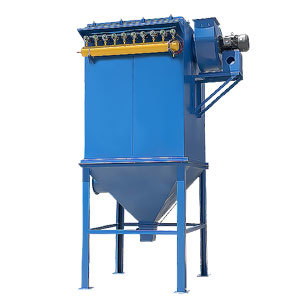
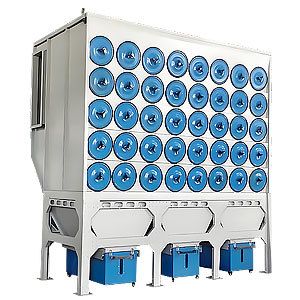
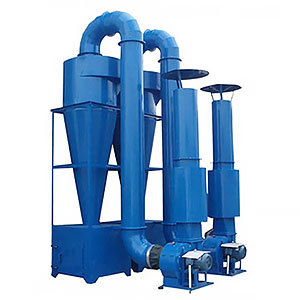

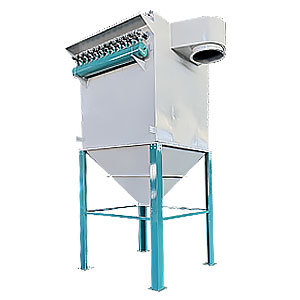
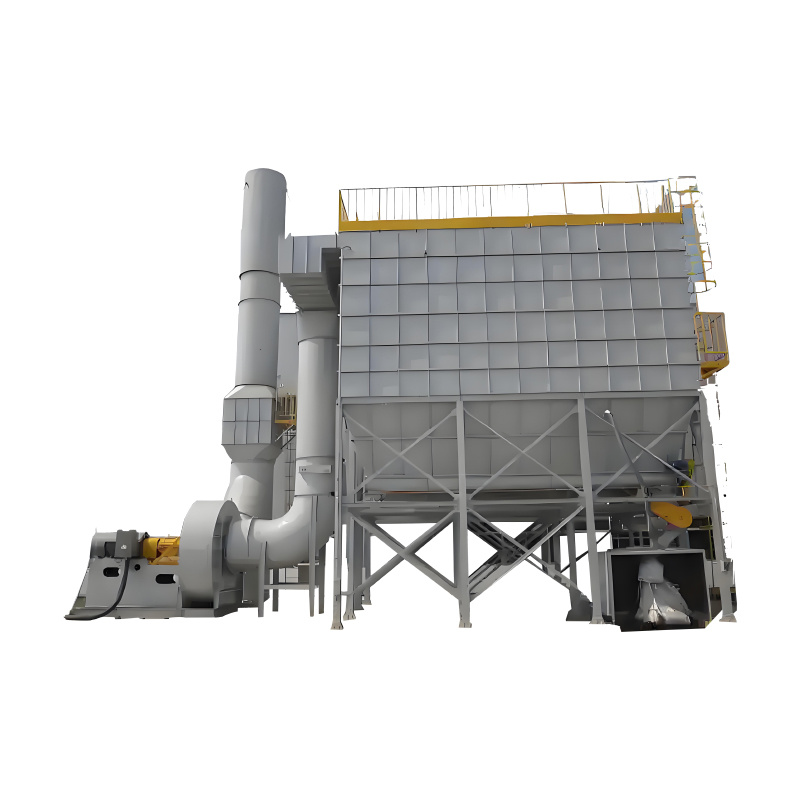
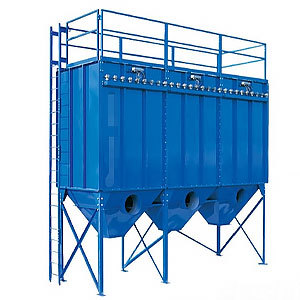
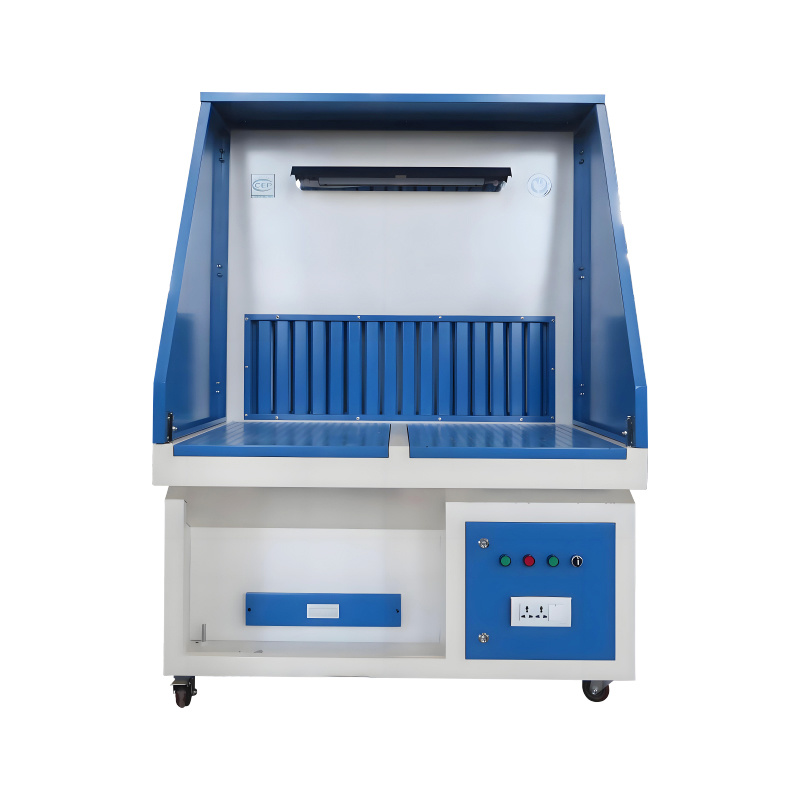
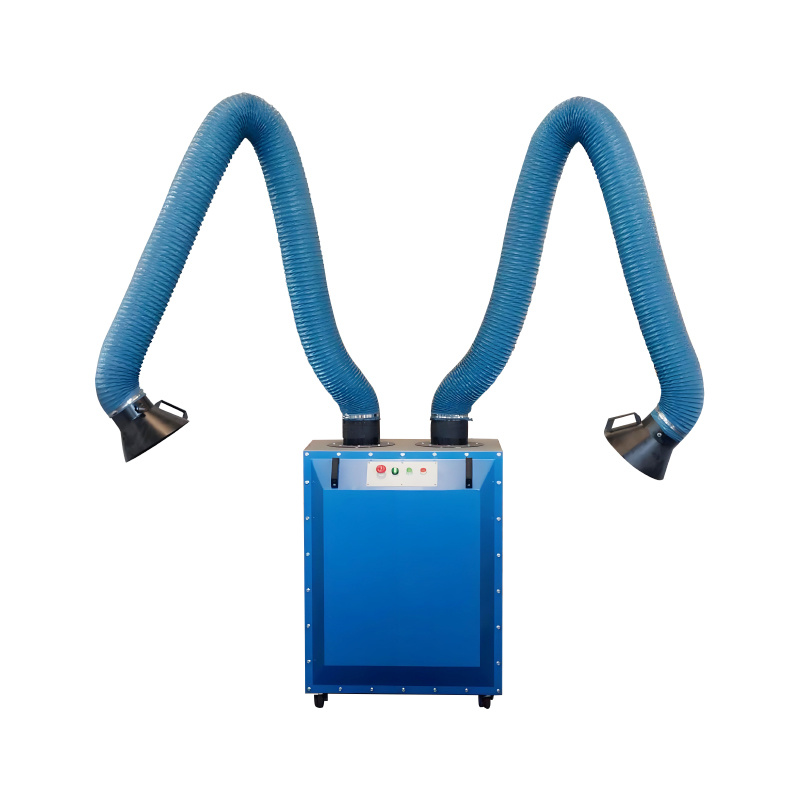









Detailed explanation of key components of bag filter in one article
Jun 10,2025
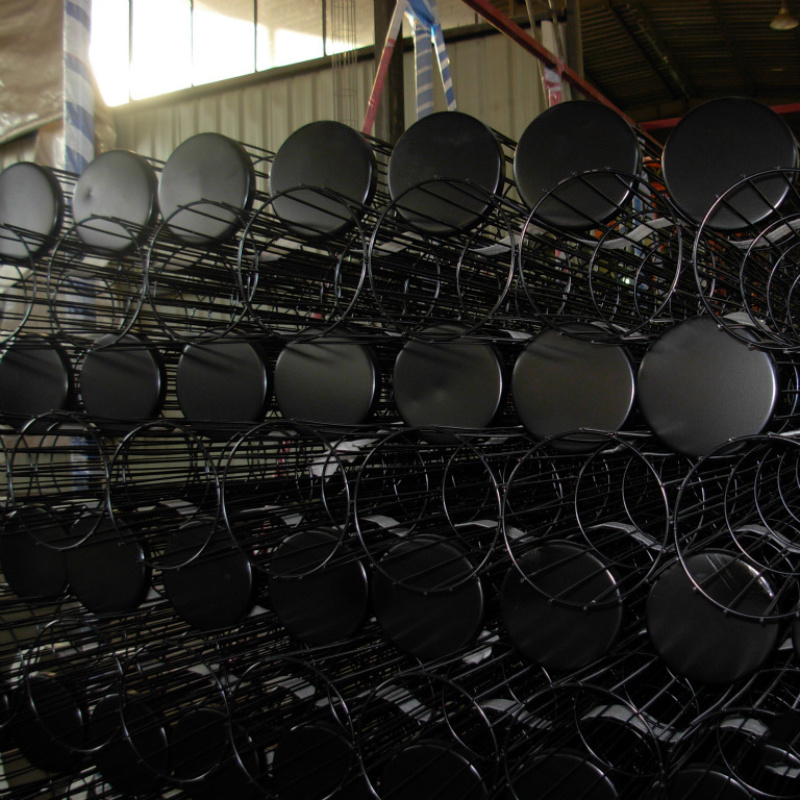
The efficient operation of bag filter relies on the collaborative work of various accessories. These accessories not only ensure stable equipment performance, but also directly affect the dust removal effect and service life. The following is an introduction to the core components and functions of the bag filter:
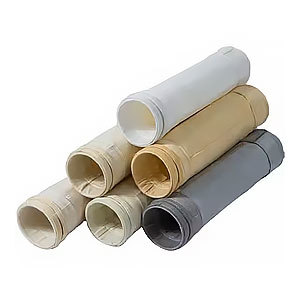
1. Dust bag
As the "heart" of the dust collector, the dust bag directly determines the dust removal efficiency. It is made of fiber materials such as polyester, aramid, and polytetrafluoroethylene (PTFE), and different materials are suitable for different working conditions. Polyester filter bags are suitable for room temperature and non corrosive dust; High temperature resistant aramid filter bags are suitable for high-temperature industries such as metallurgy and cement; PTFE filter bags can cope with high humidity and strong acid-base environments. The surface treatment process (such as film coating, water and oil repellent) can further improve the filtration performance and dust removal effect.
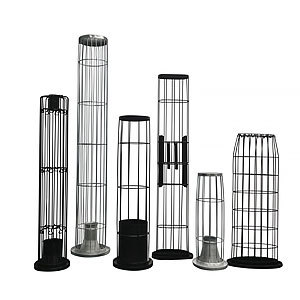
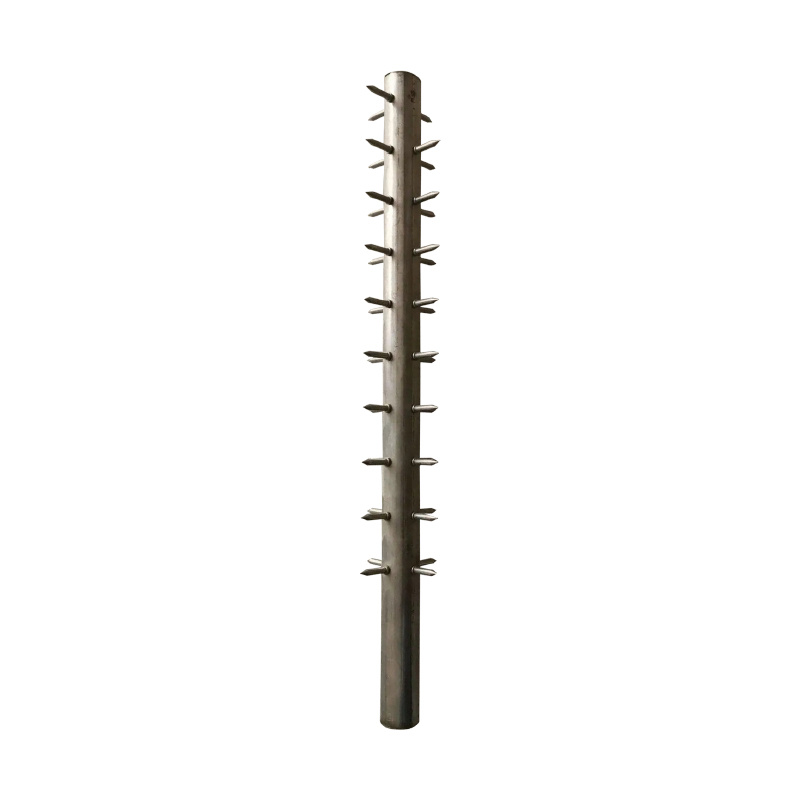
2. Skeleton
The skeleton provides support for the dust bag to prevent it from collapsing under negative pressure. The high-quality skeleton is made of carbon steel or stainless steel material, and the surface is treated with spray coating and galvanizing, which has good corrosion resistance and wear resistance. The structural design of the skeleton, such as the number of longitudinal bars and the shape of the Venturi tube, will affect the distribution of airflow and cleaning efficiency. Fine welding techniques can prevent burrs from scratching the filter bag.
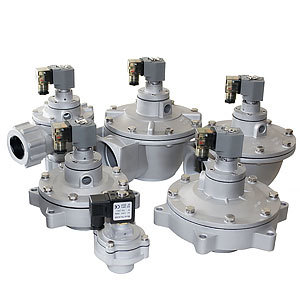
3. Pulse valve
The pulse valve is a key component of the dust cleaning system, which achieves efficient dust cleaning of the bag by controlling the injection of compressed air. It uses a diaphragm as the opening and closing element, which instantly opens upon receiving an electrical signal, releasing high-pressure air to impact the bag. The pulse valve with excellent performance has sensitive response and good sealing, which can ensure timely dust cleaning and low gas consumption, extending the service life of the bag.
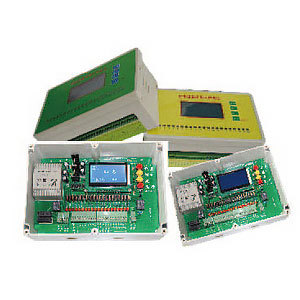
4. Electromagnetic pulse controller
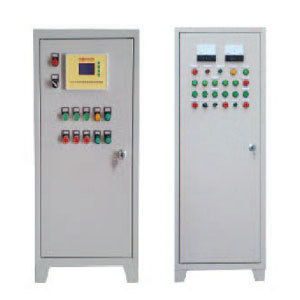
The electromagnetic pulse controller is used to adjust the injection time and cycle of the pulse valve. Users can flexibly set parameters based on dust concentration, filtration wind speed, and other working conditions to achieve precise dust cleaning. The intelligent controller also has fault diagnosis and remote monitoring functions, making it easy to grasp the real-time operation status of the equipment and optimize the cleaning effect.
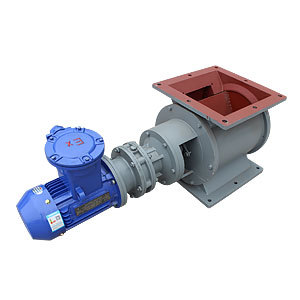
5. Unloader
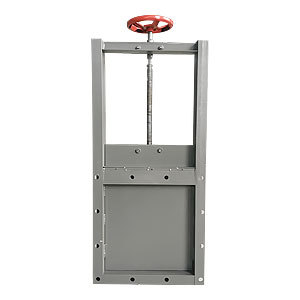
The unloader is responsible for timely discharging the dust in the ash hopper to prevent dust accumulation from affecting the operation of the dust collector. Common types include star shaped unloaders, heavy hammer flap valves, etc. The star shaped unloader evenly unloads through the rotating impeller, with good sealing and avoiding air leakage; The heavy hammer flap valve relies on the gravity of dust to open and is suitable for handling large particles and high concentration dust.
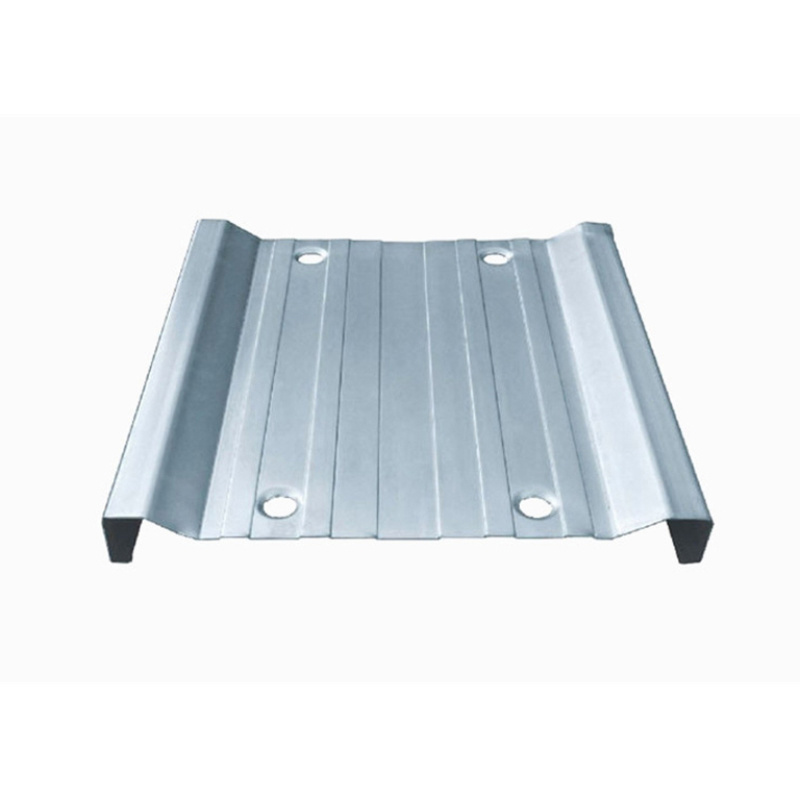
6. Flower board
Flower board is an important component that separates the upper and middle boxes of the dust collector, used to fix the dust bag. Its surface is flat and smooth, with high aperture accuracy, ensuring tight installation of the bag and preventing unfiltered discharge of dust containing gases. High quality flower boards adopt laser cutting technology, which can effectively reduce dust leakage and improve overall dust removal efficiency.
Understanding these key components can help companies better maintain bag filters, select suitable spare parts, ensure long-term stable operation of equipment, and achieve efficient dust removal goals.
Hot Tags:


Contact Us
Tel:
WeChat:
WhatsApp:
E-mail:
Address:
338 National Road South, Longfengdian Village, Botou City, Hebei Province, China
JiuznTomine is expertly delivering technically complicated projects in markets & provides custom solutions for their customized need.


CONTACT INFO
Tel: +86 18531710311
WeChat: +86-18531710311
338 National Road South, Longfengdian Village, Botou City, Hebei Province, China