











Tips for meeting the emission standards of bag filter exhaust gas, a must see for environmental acceptance
Apr 20,2026

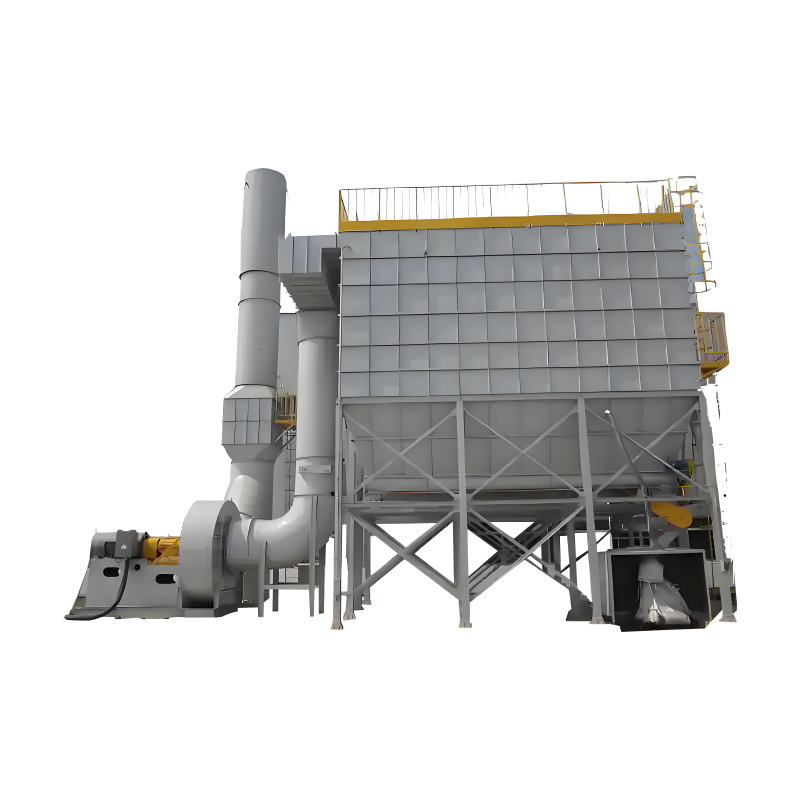
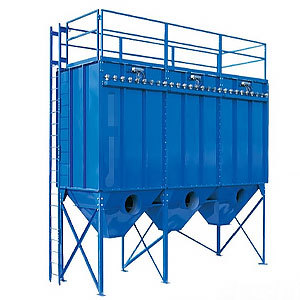
As the core equipment for industrial exhaust gas treatment, the emission standard of bag filter is directly related to the success or failure of environmental protection acceptance. Highly practical compliance techniques cover key aspects such as equipment selection, operation control, maintenance management, etc., accurately adapting to the core requirements of environmental protection acceptance, helping enterprises efficiently pass acceptance, while achieving stable compliance with emissions standards.
1、 Pre selection: Avoiding compliance risks from the source
Improper selection can easily lead to excessive emissions in the later stage. Before environmental acceptance, two key points need to be confirmed and controlled from the source:
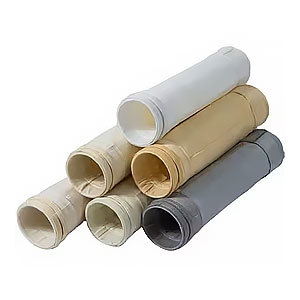
1. Filter bag adaptation conditions: Based on the particle size, concentration, temperature and humidity, and corrosiveness of exhaust dust, select the corresponding filter bag material - polyester filter bag is selected for non corrosive conditions at room temperature, fiberglass filter bag is selected for high temperature, and PTFE coated filter bag is selected for high humidity viscous dust to avoid damage and dust penetration caused by filter bag intolerance.
2. Equipment specification matching: The filtration area needs to meet the actual exhaust gas treatment capacity, and the filtration wind speed should be controlled at 0.8-1.2m/min. If the wind speed is too high, it is easy for dust to penetrate, and if it is too low, it cannot meet the treatment requirements; At the same time, a suitable dust cleaning system should be installed to avoid excessive emissions caused by incomplete dust cleaning.
2、 Operation regulation: Real time control of key parameters that meet standards
During the environmental acceptance period, stable operating parameters are the core of achieving standards, with a focus on regulating three points:
1. Optimization of dust cleaning system: The spraying pressure is controlled at 0.3-0.5MPa, and the spraying interval is adjusted according to the viscosity of the dust to avoid insufficient dust cleaning leading to filter bag blockage, increased emissions, or excessive dust cleaning damaging the filter bag.
2. Exhaust gas pretreatment: If the exhaust gas contains high humidity, high temperature, or corrosive substances, cooling, dehumidification, and desulfurization devices should be installed in advance to ensure that the exhaust parameters entering the dust collector meet the requirements of the filter bag, prevent the filter bag from sticking or being damaged, and avoid excessive emissions.
3. Air volume and negative pressure control: Keep the fan running stably, ensure that the negative pressure of the dust collector is within a reasonable range, and the fluctuation of air volume does not exceed 10%, to avoid excessive air volume causing dust penetration or insufficient air volume affecting the treatment effect.
3、 Maintenance Management: Key Points for Inspection Before Acceptance
Comprehensive maintenance before environmental acceptance is the key to avoiding excessive emissions, with a focus on conducting three inspections:
1. Filter bag inspection: Check the filter bags one by one for damage, aging, and detachment, and replace them immediately if any problems are found; At the same time, clean the surface dust of the filter bag to avoid excessive dust accumulation and reduce filtration efficiency, ensuring a 100% integrity rate of the filter bag.
2. Sealing inspection: Focus on checking the sealing condition of the box body, maintenance door, flange, filter bag and flower plate connection to prevent air leakage - an air leakage rate exceeding 5% will directly lead to an increase in emission concentration, and the sealing components need to be replaced and the connection should be reinforced in a timely manner.
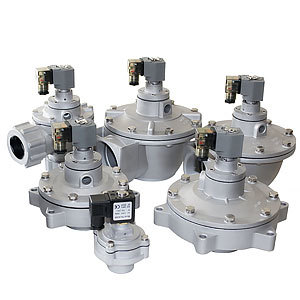
3. Auxiliary system inspection: Clean the dust accumulation in the ash hopper to avoid excessive dust overflow; Check the operation status of the pulse valve and solenoid valve to ensure the normal operation of the dust cleaning system; Calibrate online monitoring equipment to ensure accurate monitoring data and compliance with acceptance requirements.
4、 Emergency acceptance: Quickly resolve sudden exceedance issues
If there are emissions exceeding the standard during the acceptance process, three emergency measures can be taken in a targeted manner to quickly rectify:
1. If the monitoring data suddenly increases, check whether the filter bag is damaged, immediately replace the damaged filter bag, and check the sealing condition to prevent air leakage.
2. If the emissions continue to be high, adjust the cleaning parameters, shorten the blowing interval, increase the blowing pressure appropriately, clean the accumulated dust in the filter bag, and restore the filtration efficiency.
3. If the moisture content of the exhaust gas is too high and causes bag sticking, start the dehumidification device, pause the equipment operation, clean or replace the bag filter bag, and restart after the exhaust gas parameters meet the standards.
5、 Core Summary
The core of achieving the standard for exhaust emissions of bag filters lies in "source selection and adaptation, stable operating parameters, and proper maintenance and investigation". Before environmental acceptance, simply focus on the above techniques, accurately control the quality of filter bags, operating parameters, and equipment sealing, which can effectively avoid potential hazards of exceeding standards, pass the acceptance smoothly, and achieve long-term stable emission standards, reducing environmental risks.
Hot Tags:


Contact Us
Tel:
WeChat:
WhatsApp:
E-mail:
Address:
338 National Road South, Longfengdian Village, Botou City, Hebei Province, China
JiuznTomine is expertly delivering technically complicated projects in markets & provides custom solutions for their customized need.


CONTACT INFO
Tel: +86 18531710311
WeChat: +86-18531710311
338 National Road South, Longfengdian Village, Botou City, Hebei Province, China