











Guidelines for Improving the Efficiency of Filter Cartridge Dust Collectors: Understanding These Influencing Factors First
Apr 20,2026

The dust removal efficiency of a filter cartridge dust collector is not fixed and its fluctuations are influenced by multiple factors such as the equipment itself, operating conditions, and maintenance management. To effectively improve efficiency, there is no need to blindly modify equipment. By accurately grasping the following core influencing factors, targeted optimization can be achieved to achieve stable and efficient operation.
1、 The characteristics of the filter cartridge itself: the core foundation of efficiency
The filter cartridge is the core component of dust removal, and its performance directly determines the dust interception ability. The key influencing points are concentrated in three points:
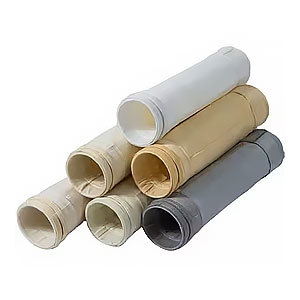
1. Filter material and treatment: Different materials are suitable for different working conditions. Polyester fiber is suitable for low viscosity dust at room temperature, PTFE coated filter material has a filtration efficiency of 99.99% for 0.3 μ m fine dust, and is waterproof and anti stick. Fiberglass filter material is suitable for high temperature flue gas scenes. Surface waterproofing, anti-static and other modification treatments can avoid efficiency decline caused by dust adhesion and static electricity accumulation.
2. Filter cartridge structure: The number of folding layers should be reasonable. Excessive folding can lead to uneven airflow distribution, while insufficient folding can result in insufficient filtering area; The sealing performance between the filter cartridge and the flower plate is crucial. Poor sealing can cause short circuits in dusty airflow, directly reducing overall efficiency.
3. Filter cartridge loss: In long-term use, the filter material will age and be damaged by dust erosion, high temperature, or chemical corrosion. After the appearance of holes, the dust penetration rate will suddenly increase, and it needs to be replaced in a timely manner to maintain efficiency.
2、 Equipment structure design: avoid waste of airflow and dust escape
Unreasonable structural design can lead to the discharge of dusty airflow without sufficient filtration, or accelerate the loss of filter materials. The core influencing factors include:
1. Airflow distribution: Improper design of the air inlet and lack of guide plates can lead to excessive local airflow velocity, scouring the filter material and carrying dust through; Uneven arrangement of filter cartridges can also cause airflow deviation and reduce local filtration efficiency. It is recommended to install deflectors or flow equalization nets to optimize distribution.
2. Dust cleaning system: The spraying pressure, frequency, and nozzle position directly affect the dust cleaning effect. Insufficient pressure and excessive spacing can cause dust agglomeration, while excessive pressure can easily damage the filter material; Improper spacing between the nozzle and the filter cartridge can result in incomplete dust cleaning and residual dust hindering filtration.
3. Sealing: If the sealing of the box, maintenance door, and flange connection is not tight, it will suck in external dusty air. A 5% air leakage rate can increase the emission concentration by 10% -15%. It is necessary to strengthen the sealing treatment to avoid efficiency loss.
3、 Operating parameter control: balancing efficiency and equipment loss
Reasonable regulation of operating parameters is the key to maintaining efficient operation, with a focus on four core parameters:
1. Filtering wind speed: The conventional reasonable range is 0.6-1.2m/min. If the wind speed is too high, it will increase the probability of dust penetration, while if it is too low, it will increase equipment costs. It needs to be adjusted according to the particle size and concentration of dust. For fine dust, a lower wind speed is recommended.
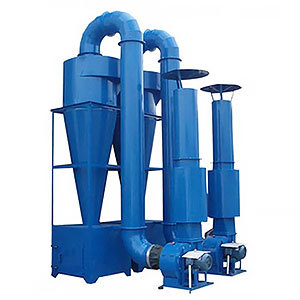
2. Dust concentration and particle size: If the inlet dust concentration is too high, it will accelerate the clogging of the filter cartridge. The higher the proportion of fine dust, the higher the precision requirements for the filter material. In high concentration scenarios, a cyclone separator can be added for pre-treatment to remove coarse dust particles.
3. Temperature and humidity: Exceeding the temperature resistance limit of the filter material can cause carbonization and damage, and high humidity environments can easily cause dust to bond and form "paste bags", reducing efficiency by more than 50%. It is necessary to control the flue gas temperature 10-15 ℃ above the dew point to avoid condensation.
4. Dust cleaning cycle: It needs to be dynamically adjusted according to the characteristics of dust, and the cycle of sticky dust should be shortened to avoid dust accumulation; At the same time, avoiding excessive cleaning and retaining 1-2mm initial filter cake can improve the interception efficiency of fine dust. Excessive cleaning can lead to a 10% -20% decrease in efficiency.
4、 Maintenance management: the key to extending the efficiency stability period
Most efficiency declines are caused by improper maintenance, and the following three points can be effectively avoided:
1. Regular inspection and replacement of filter cartridges: The service life of filter cartridges is usually 2-4 years, which can be shortened to 4000-6000 hours under harsh working conditions. If any damage or aging is found, they should be replaced immediately. A single damaged filter cartridge can reduce the overall efficiency from 99.9% to below 95%.
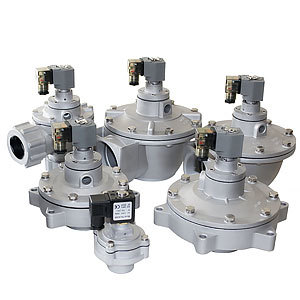
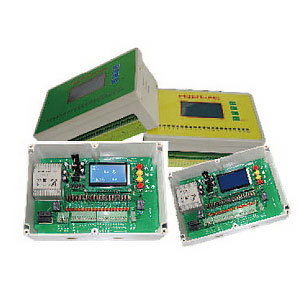
2. Maintenance of dust cleaning system: Regularly clean impurities in pulse valves and spray pipes, check the operation status of solenoid valves, ensure stable spray pressure, and avoid filter cartridge blockage caused by dust cleaning failure.
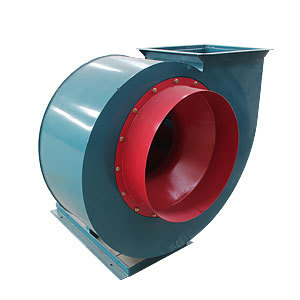
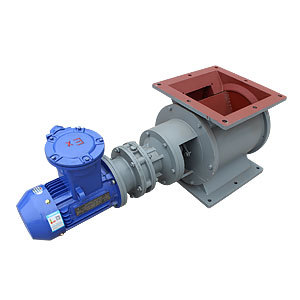
3. Daily inspection: Regularly check the sealing components and the operation status of the fan, clean the dust accumulation in the ash hopper, and avoid problems such as air leakage and insufficient air volume that affect the filtration efficiency. It is recommended to conduct a comprehensive inspection once a month.
5、 Core Summary
The core logic for improving the efficiency of a filter cartridge dust collector is to use a filter cartridge that is adapted to the working conditions as the basis, optimize the equipment structure to reduce airflow waste, accurately regulate operating parameters to balance filtration and dust removal effects, and then cooperate with standardized maintenance to extend the effective life of the filter material. In practical applications, there is no need to pursue complex modifications. By first investigating the above influencing factors and optimizing them in a targeted manner, stable dust removal efficiency can be achieved while reducing operating costs.
Hot Tags:


Contact Us
Tel:
WeChat:
WhatsApp:
E-mail:
Address:
338 National Road South, Longfengdian Village, Botou City, Hebei Province, China
JiuznTomine is expertly delivering technically complicated projects in markets & provides custom solutions for their customized need.


CONTACT INFO
Tel: +86 18531710311
WeChat: +86-18531710311
338 National Road South, Longfengdian Village, Botou City, Hebei Province, China