











Guidelines for standardized replacement and causes of burr wire loss in electrostatic precipitators
Apr 18,2026

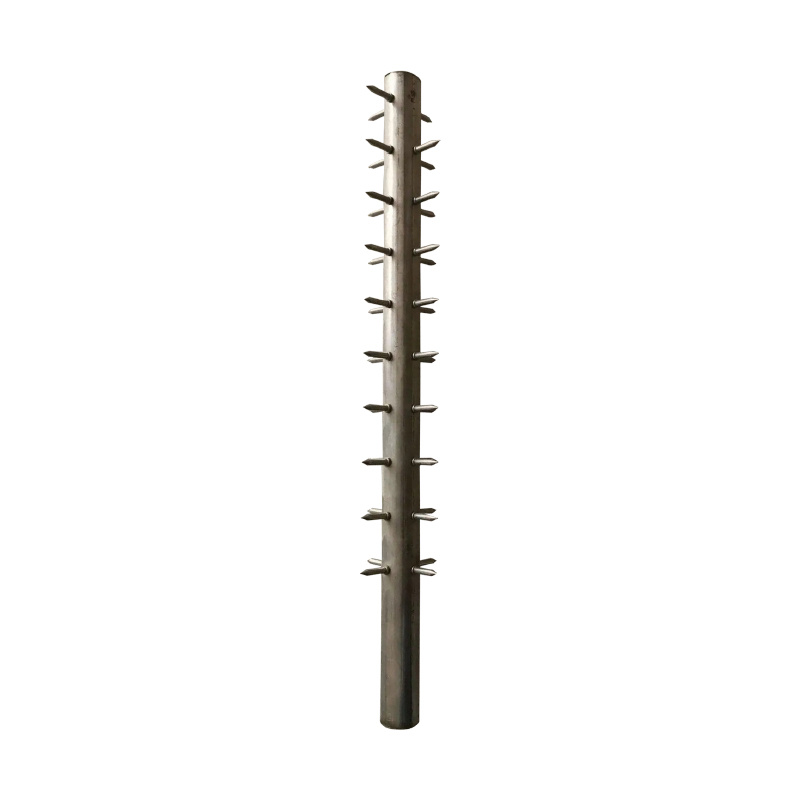
Mangci wire is the core discharge component of electrostatic precipitator, and its integrity directly affects the discharge efficiency and dust removal effect of the equipment. It is prone to wear and tear under high temperature, high corrosion, and high dust conditions for a long time. Standardized replacement is the key to ensuring the stable operation of electrostatic precipitator.
1、 The core cause of filigree loss
The main causes of wire wear and tear are improper adaptation to working conditions, abnormal operation, and lack of maintenance. The core causes are divided into four categories, and there is no redundant description:
1. Corrosion of working condition medium: When dealing with high-temperature and highly corrosive flue gas, if the material of the barbed wire is not suitable, it is prone to high-temperature oxidation and acid-base corrosion, which can cause the barbed wire to become thinner and break. Especially in scenarios where the flue gas contains sulfur and chlorine, the loss rate is significantly accelerated.
2. Abnormal discharge losses: Unstable high-voltage power supply and unreasonable discharge spacing can lead to excessive partial discharge of the spike wire, causing arc burns and leading to wear and detachment of the spike tip; On the contrary, insufficient discharge can easily cause dust to adsorb on the surface of the spikes, forming dust accumulation. Long term compression can damage the spike structure.
3. Mechanical wear and collision: The vibration and airflow impact during equipment operation can cause friction and collision between the barbed wire and the electrode plate, as well as other components; If not firmly fixed during installation, long-term shaking will exacerbate wear and eventually lead to burr breakage and wire deformation.
4. Failure to maintain in a timely manner: Failure to regularly clean the dust and condensation on the surface of the barbed wire can exacerbate discharge abnormalities and corrode the wire body after the dust accumulates and hardens; Failure to promptly inspect loose and deformed parts can lead to continued expansion of wear and tear, shortening their service life.
2、 Guidelines for standardized replacement of barbed wire (highly practical)
(1) Preparation before replacement
1. Safety preparation: Cut off the main power supply and high-voltage power supply of the electrostatic precipitator, hang the "No Switching on, Under Maintenance" sign, and ensure proper grounding protection; Wear insulated, dust-proof, and high-temperature protective equipment to avoid electric shock and dust hazards.
2. Material and tool preparation: Prepare barbed wires of appropriate models and materials (matching with dust collector plates and power supply parameters), as well as wrenches, screwdrivers, insulated gloves, tape measures, cleaning tools, etc; Clean up the accumulated dust and debris in the installation area of the barbed wire in advance.
3. Fault confirmation: Check the damaged barbed wire again, confirm the range of loss (single, multiple or partial), mark the damaged location, and avoid missing or incorrect replacement.
(2) Standardized replacement process
1. Disassemble the old barbed wire: Use tools to loosen the fixing bolts and clamps at both ends of the barbed wire, gently remove the old wire, and avoid excessive force that may damage the electrode plate and other components; Record the installation position and fixing method during the disassembly process to facilitate the installation of new lines.
2. Install new barbed wire: Accurately install the new barbed wire in its original position, adjust the verticality and levelness of the wire body, and ensure that the tip of the barbed wire is evenly spaced from the electrode plate (in accordance with equipment design standards); Tighten the fixing bolts and clamps to ensure they are securely fixed without any shaking.
3. Post installation inspection: Check the newly installed burrs one by one to confirm that there is no looseness or deformation, and that the burrs are not damaged or detached; Check if the discharge spacing is uniform to avoid excessive or insufficient spacing affecting the discharge effect; Clean up tools and debris in the installation area.
(3) Commissioning and precautions after replacement
1. Debugging: Restore the equipment power supply, conduct no-load trial operation, check whether the discharge of the spike wire is normal, and there are no abnormal arcs or noises; Monitor dust removal efficiency and confirm stable equipment operation.
2. Precautions: The replaced barbed wire material must be suitable for the working conditions (high-temperature resistant material is used for high temperature, and corrosion-resistant material is used for corrosive working conditions); It is strictly prohibited to perform replacement operations without power off to avoid electric shock; Regular inspections should be conducted after replacement to promptly clean up accumulated dust and prevent further wear and tear.
Summary: The loss of barbed wire is closely related to working conditions, operation, and maintenance. Accurately identifying the causes of loss can reduce the frequency of loss; Following the standardized replacement process can ensure the quality of replacement and quickly restore equipment operation, ensuring the dust removal efficiency and stability of electrostatic precipitators, and adapting to the actual needs of industrial dust control.
Hot Tags:


Contact Us
Tel:
WeChat:
WhatsApp:
E-mail:
Address:
338 National Road South, Longfengdian Village, Botou City, Hebei Province, China
JiuznTomine is expertly delivering technically complicated projects in markets & provides custom solutions for their customized need.


CONTACT INFO
Tel: +86 18531710311
WeChat: +86-18531710311
338 National Road South, Longfengdian Village, Botou City, Hebei Province, China