












Solution to excessive dust at the outlet of industrial dust collectors, essential for meeting environmental standards
Apr 22,2026
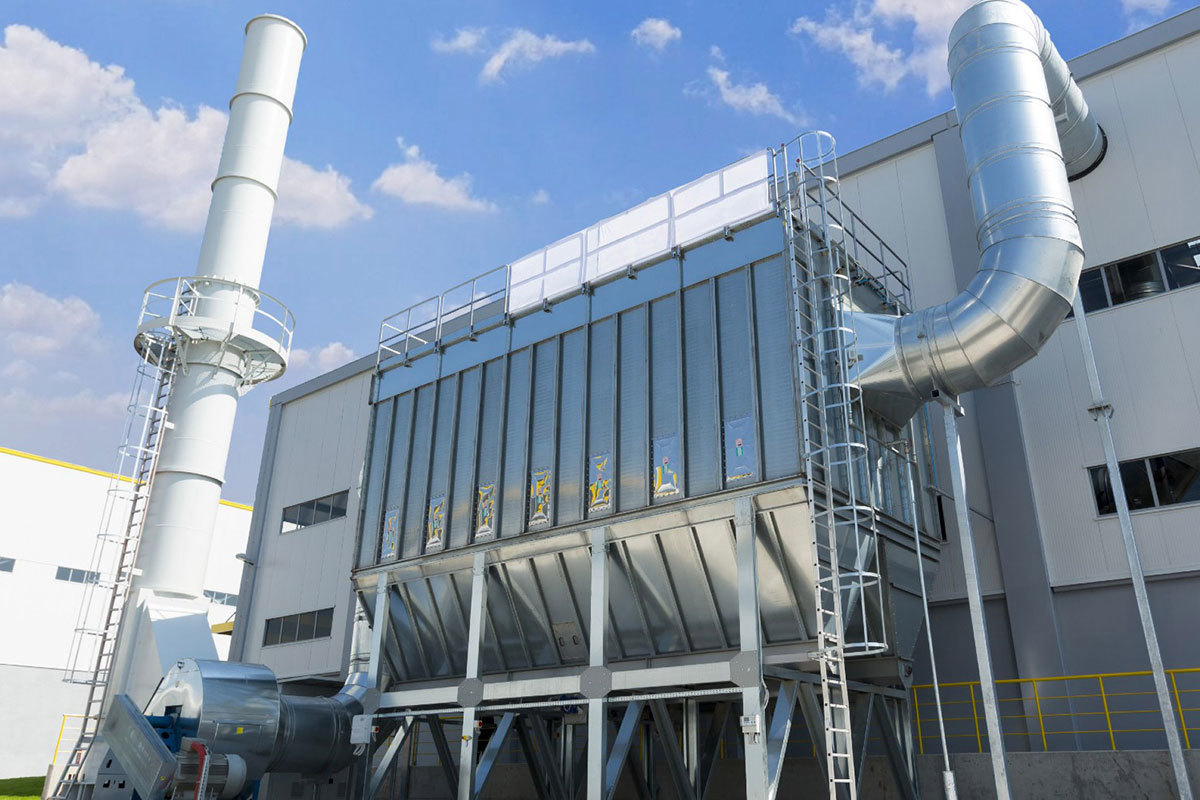
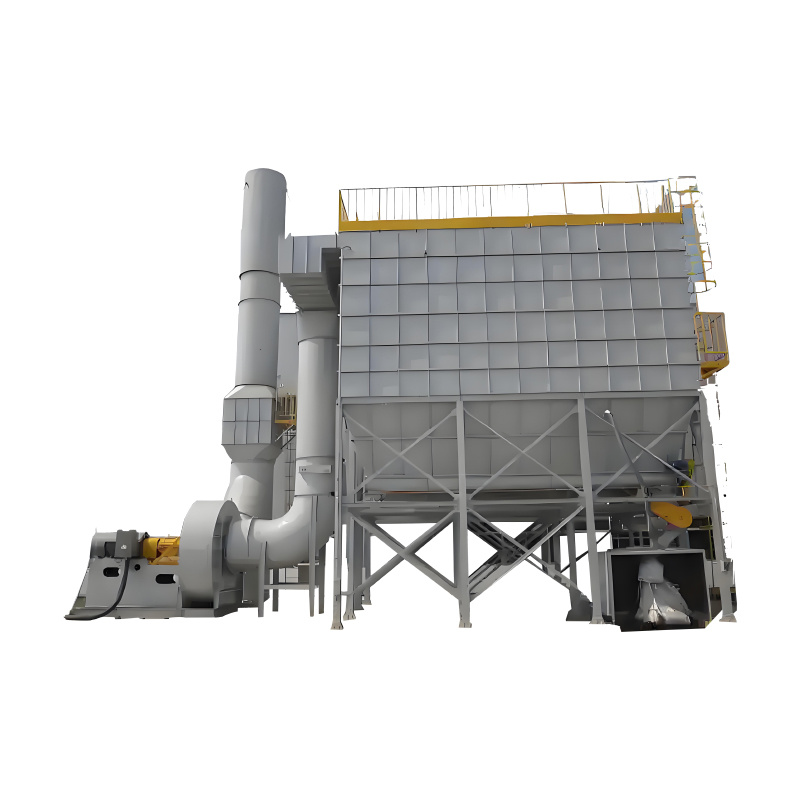
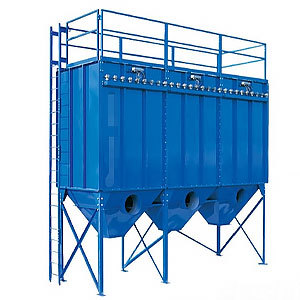
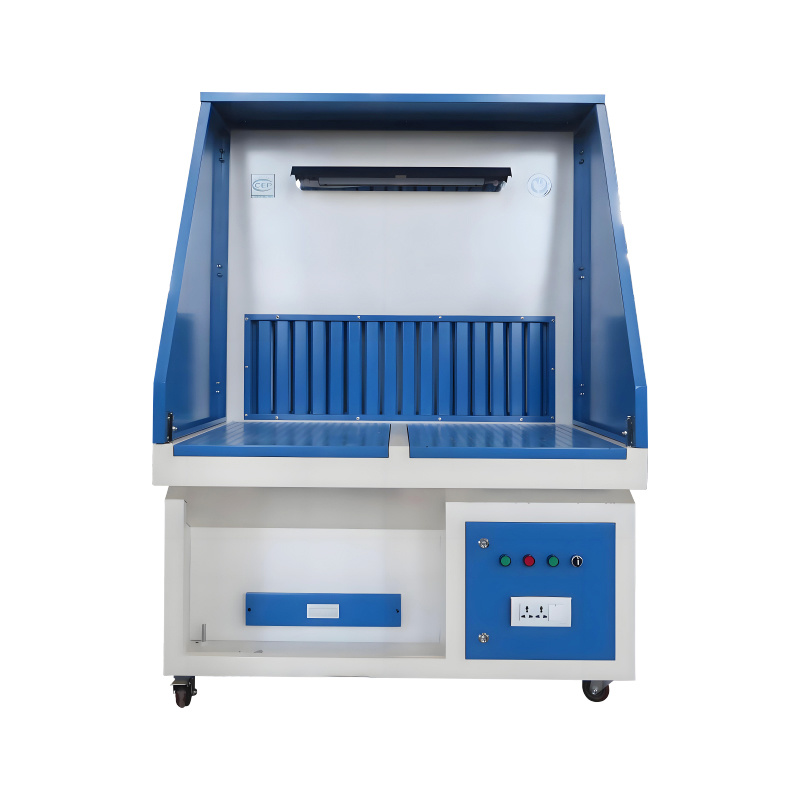
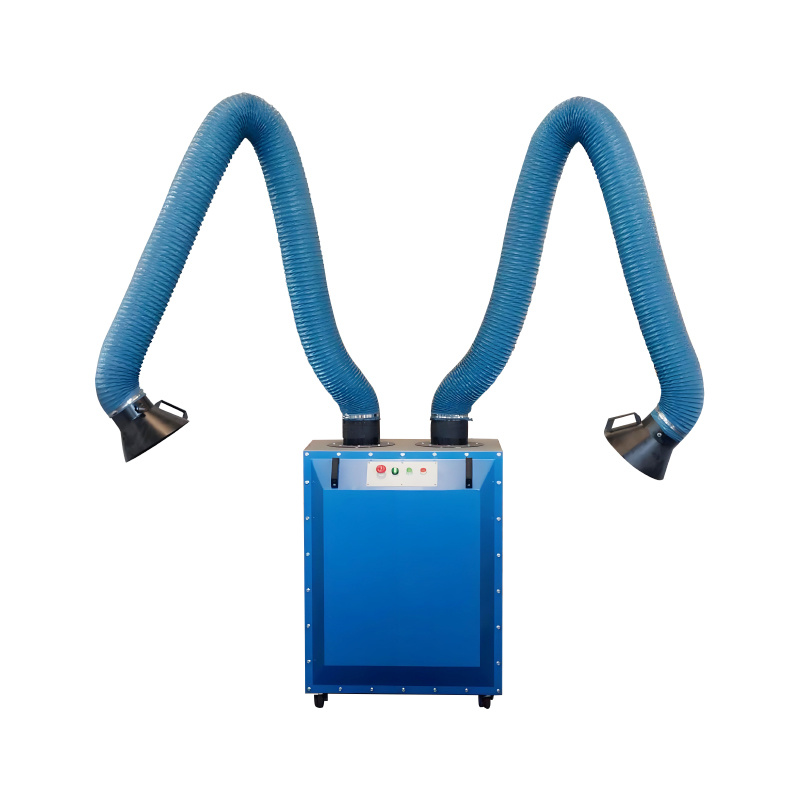
The excessive export dust of industrial dust collectors is a core pain point for environmental protection acceptance and daily compliance operation of enterprises, which directly affects production compliance and environmental risks. This article focuses on the common and individual issues of dust exceeding standards in various industrial dust collectors (such as bags, filter cartridges, static electricity, etc.).
1、 Core investigation steps for dust exceeding standards
After exceeding the standard, there is no need to blindly rectify. First, follow the three-step process to accurately identify the cause and avoid ineffective operations:
1. Confirm the degree of exceedance (slight fluctuations/continuous exceedance), check whether the online monitoring equipment is calibrated, and eliminate data errors;
2. Check the operating parameters such as inlet and outlet pressure difference, air volume, and dust cleaning frequency of the dust collector, and compare them with normal working conditions to find abnormalities;
3. Disassemble and inspect the core components (filter material, seals, dust cleaning system, etc.) to locate the source of the fault.
2、 Common issues of exceeding standards and their solutions
Regardless of the type of dust collector, the following three types of problems are the main causes of exceeding standards, and rectification is simple and easy to implement:
1. Poor sealing and dust escape: The phenomenon is that the dust concentration at the outlet slightly exceeds the standard, and the pressure difference between the inlet and outlet is abnormally low. Cause: The sealing components at the connection between the box, maintenance door, flange, filter material, and flower plate are aging, damaged, or loose, resulting in short circuit escape of dusty airflow. Response: Replace aging seals and reinforce connection bolts; Regularly check the sealing parts to avoid air leakage exceeding 5%.
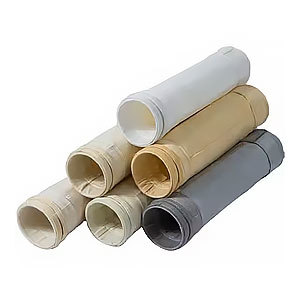
2. Filter material failure (blockage, damage): The phenomenon is a sudden increase in dust at the outlet and a sustained high pressure difference between the inlet and outlet. Cause: Filter material aging, damage, bag sticking, or blockage caused by excessive dust viscosity, unable to effectively intercept dust. Response: Emergency replacement of damaged or aged filter materials, cleaning of clogged filter material surface dust; The fundamental solution requires selecting filter materials that are suitable for the working conditions and optimizing the pre-treatment system.
3. Operational parameter imbalance: The phenomenon is that the dust concentration fluctuates beyond the standard, and after cleaning, it briefly meets the standard and quickly exceeds it. Cause: Excessive filtering wind speed, unreasonable ash cleaning cycle, or large fluctuations in air volume. Response: Adjust the filtering wind speed to a reasonable range and optimize the cleaning parameters based on the characteristics of the dust; Stabilize the operation of the fan and control the air volume fluctuation to not exceed 10%.
3、 Individual exceedance issues and countermeasures for different types of dust collectors
By combining various core structures of dust collectors, targeted solutions are provided to address exclusive exceedance issues with precision and efficiency
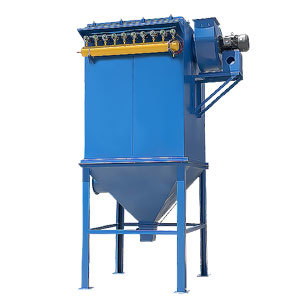
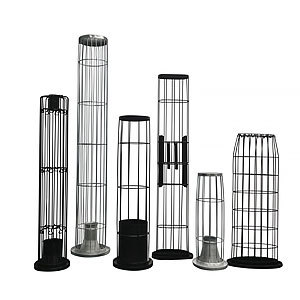
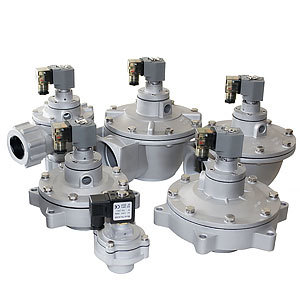
1. Bag filter: Additional common causes include improper installation of filter bags and uneven blowing of the dust cleaning system. Response: Reinstall the filter bag in a standardized manner to ensure a tight fit with the flower board; Check the pulse valve and spray pipe, clean the clogged nozzle, adjust the spray pressure, and ensure even dust cleaning.
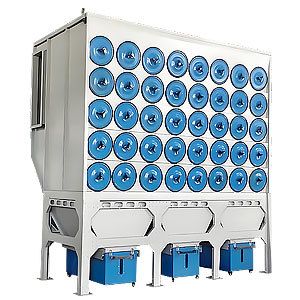
2. Filter cartridge dust collector: Additional common causes - dust accumulation at the folding of the filter cartridge and airflow deviation. Response: Regularly clean the dust accumulation in the folding gaps of the filter cartridge, install deflectors and flow equalization nets, optimize airflow distribution, and avoid dust penetration caused by high local wind speed.
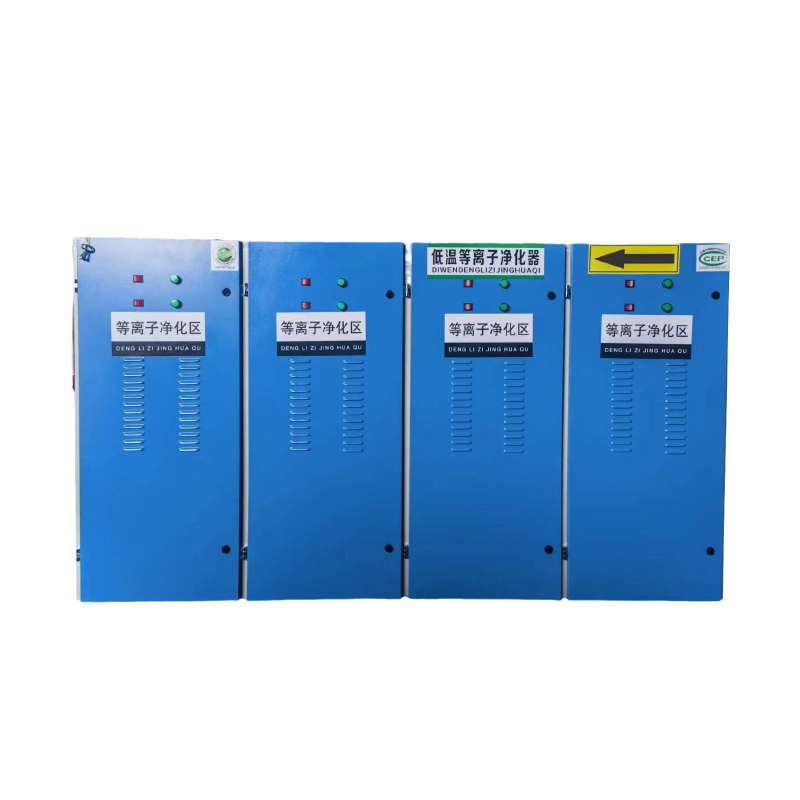
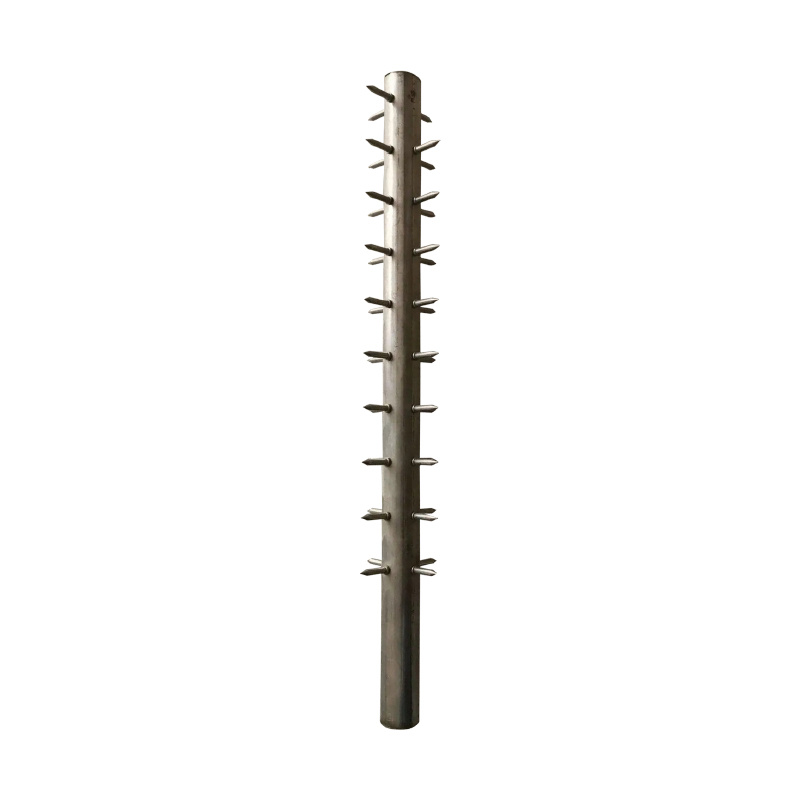
3. Electrostatic precipitator: additional common causes - electric field failure, damaged barbed wire, abnormal dust specific resistance. Response: Correct the electrode spacing and replace damaged barbed wires; Install a flue gas conditioning device, adjust the dust specific resistance, ensure stable electric field, and avoid dust escape caused by uneven discharge.
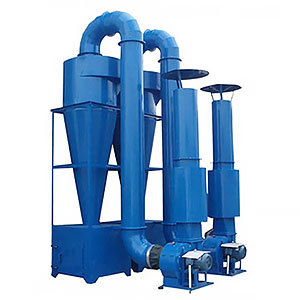
4. Cyclone dust collector: Additional common causes - equipment specification mismatch, dust accumulation and blockage. Response: Replace the equipment with the appropriate processing capacity, regularly clean the accumulated ash in the ash hopper, and avoid discharging coarse dust particles before separation.
5. Combination of spray tower and dust collector: additional common causes - poor spray effect and insufficient dust pretreatment. Response: Optimize the proportion of spray agents, clean up clogged spray nozzles, add cyclone separators for pre-treatment, remove coarse dust particles before entering the dust collector.
4、 Environmental acceptance emergency rectification skills
During the acceptance period, if there is a sudden exceedance, three emergency measures can be taken to quickly restore compliance:
1. Immediately replace all suspected damaged or aged filter materials, strengthen sealing treatment, and temporarily reduce the filtration air speed;
2. Adjust the cleaning cycle, shorten the blowing interval, ensure thorough cleaning, and avoid excessive cleaning;
3. Calibrate online monitoring equipment, clean up accumulated ash in the flue and ash hopper, ensure stable equipment operating parameters, and synchronously record the rectification process for future reference.
5、 Core Summary
The core solution to the problem of excessive dust at the outlet of industrial dust collectors is to first identify the cause, and then rectify it based on commonalities and individualities. In daily operation and maintenance, the focus is on replacing filter materials, conducting sealing inspections, adjusting parameters, and conducting regular inspections and calibrations to effectively avoid exceeding standards; During the acceptance period, if there is a sudden exceedance, targeted emergency measures can be taken to quickly meet the standards. Without the need for complex modifications, precise control of core points can achieve long-term compliance and reduce environmental risks.
Hot Tags:

Contact Us
Tel:
WeChat:
WhatsApp:
E-mail:
Address:
338 National Road South, Longfengdian Village, Botou City, Hebei Province, China
JiuznTomine is expertly delivering technically complicated projects in markets & provides custom solutions for their customized need.


CONTACT INFO
Tel: +86 18531710311
WeChat: +86-18531710311
338 National Road South, Longfengdian Village, Botou City, Hebei Province, China