


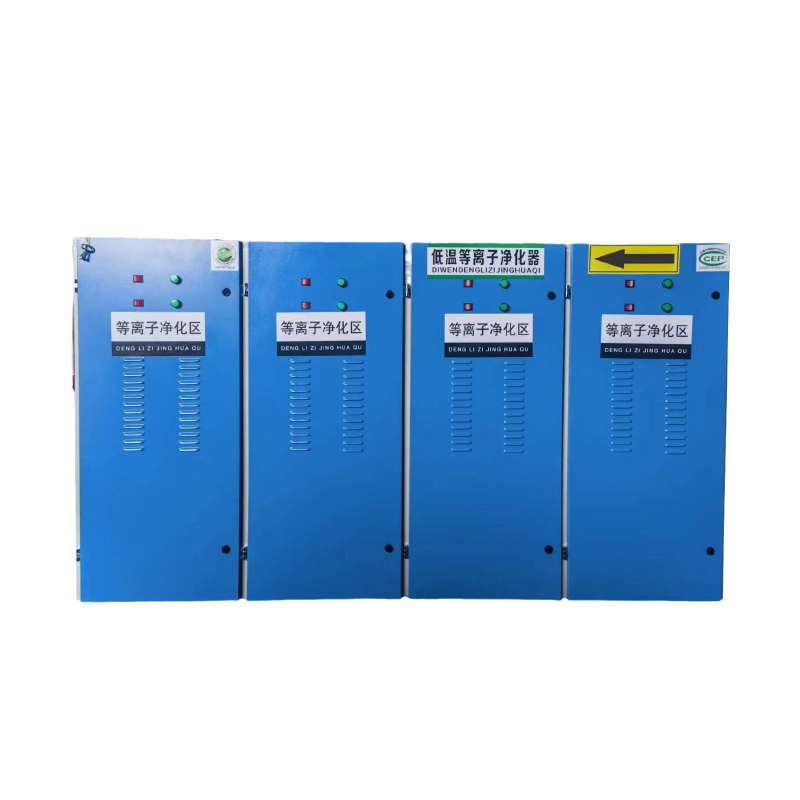









Common faults and countermeasures of electrostatic precipitators, essential for meeting environmental standards
Apr 22,2026

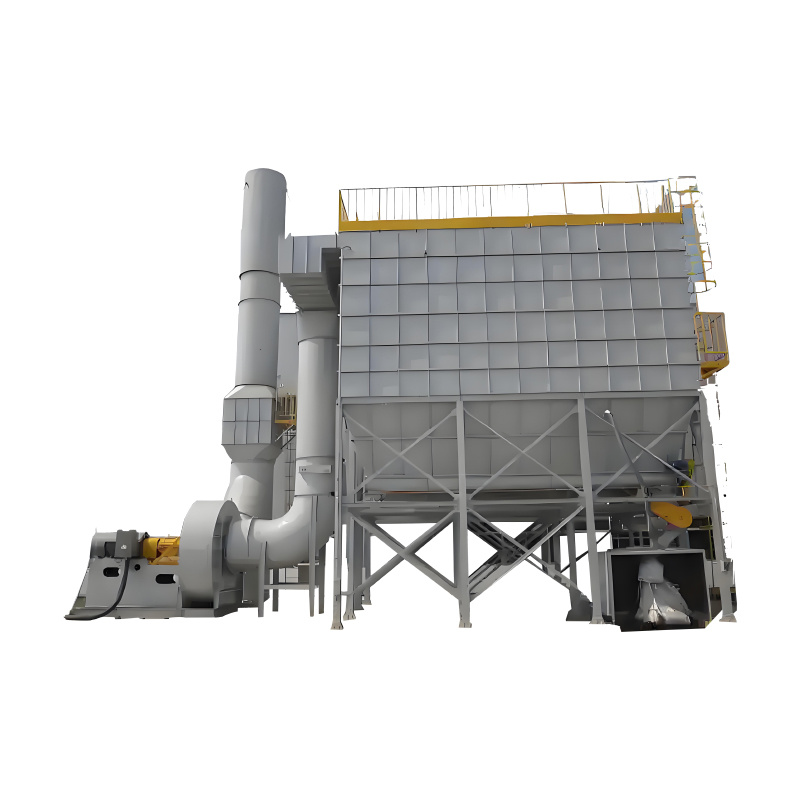
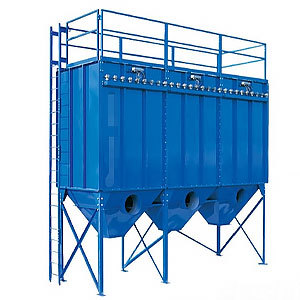
As the core equipment for industrial high flow exhaust gas treatment, the stable operation of electrostatic precipitators is directly related to environmental compliance and production compliance.
1、 Preconditions for troubleshooting core faults
Troubleshooting requires a clear understanding of two core prerequisites to avoid blind operation:
1. Confirm the operating parameters of the equipment (electric field voltage, current, flue gas temperature and humidity, dust concentration), and compare them with normal working conditions to find abnormalities;
2. Distinguish the types of faults (electric field faults, dust cleaning faults, sealing faults, etc.), prioritize identifying core issues that affect emission standards, and then deal with secondary faults.
2、 Common faults and corresponding response strategies
Combining the core structure of electrostatic precipitators (electric field, dust cleaning system, power supply system, etc.), sorting out high-frequency faults and targeted solutions, adapting to various industrial application scenarios:
(1) Electric field failure (most common, directly leading to excessive emissions)
1. Fault phenomenon: Low electric field voltage, zero current or large fluctuations, sudden increase in dust concentration at the outlet, and environmental monitoring data exceeding the standard.
Core causes: electrode spacing deviation, damaged/detached burrs, excessive dust accumulation on the electrode plate, abnormal specific resistance of dust in the flue gas.
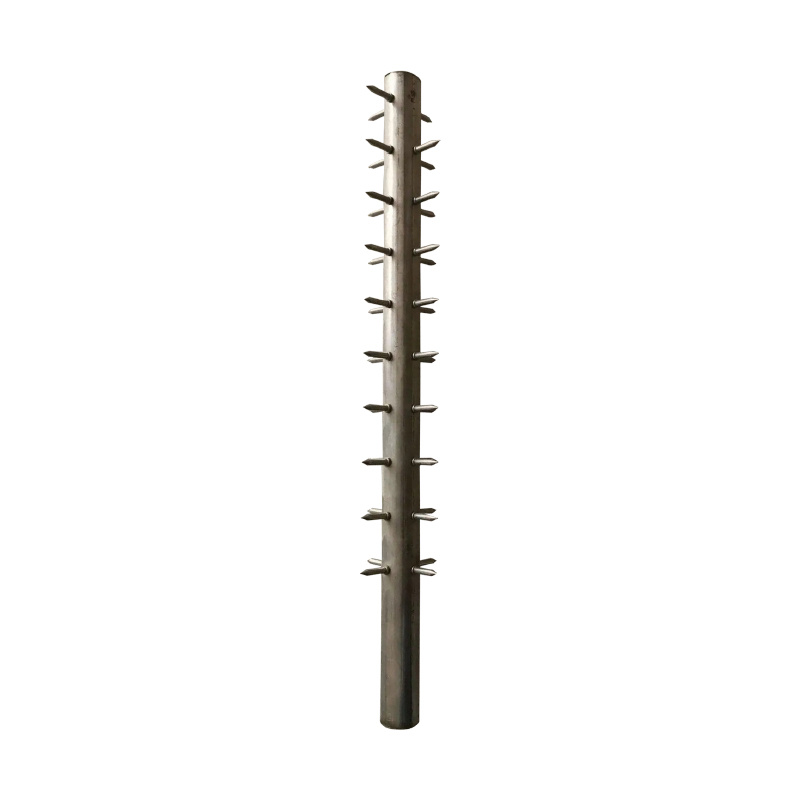
Response strategy: Shutdown inspection, calibrate electrode spacing, replace damaged or fallen barbed wires; Clean up the accumulated dust on the electrode plate, install a flue gas conditioning device, adjust the dust specific resistance to a reasonable range, and ensure stable discharge of the electric field.
2. Fault phenomenon: Frequent flashover and tripping of the electric field, inability to increase voltage normally, and significant decrease in dust removal efficiency.
Core causes: high humidity of flue gas, condensation of electrode plates/barbed wires, or contamination or damage of insulation components, leading to electrical leakage.
Response strategy: Raise the flue gas temperature to avoid condensation; Clean the surface oil and dust of insulation components, replace damaged insulation components, provide insulation protection, and reduce the risk of electrical leakage.
(2) Dust cleaning system malfunction (indirectly causing excessive emissions and accelerating equipment wear and tear)
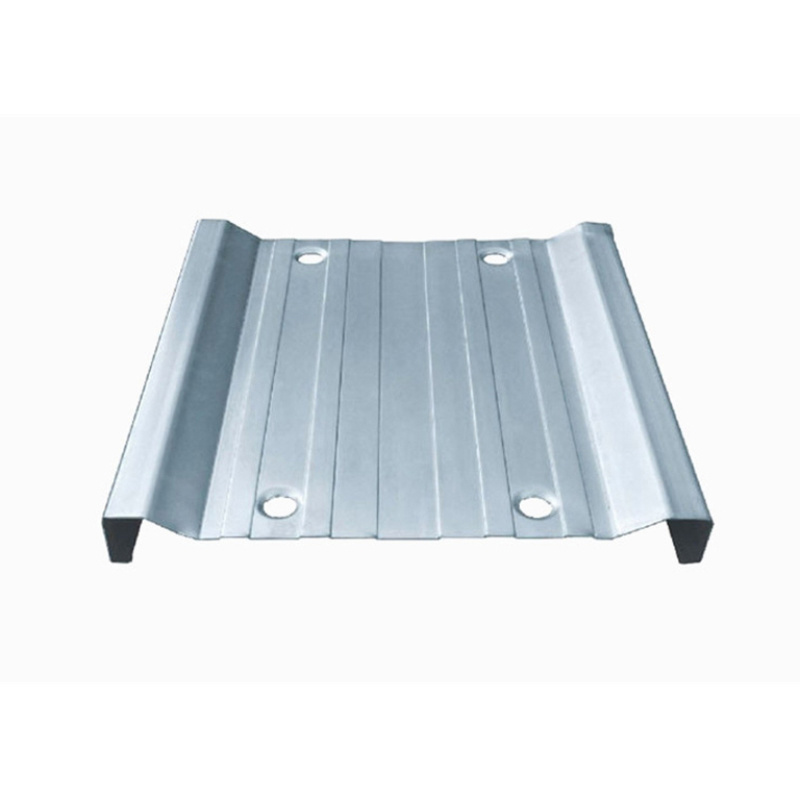
1. Fault phenomenon: serious dust accumulation on the electrode plate and barbed wire, increased electric field pressure difference, and continuous decrease in dust removal efficiency.
Core causes: malfunction of the dust cleaning device, insufficient frequency and intensity of dust cleaning, or uneven dust cleaning.
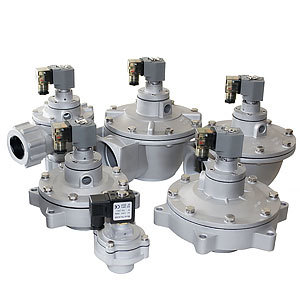
Response strategy: Check the hammer head and bearings of the vibration device, replace worn parts; Adjust the frequency and intensity of dust cleaning to ensure even cleaning; Clean the nozzle blockage of the blowing system, check the operation status of the pulse valve, and ensure the normal operation of the dust cleaning system.
2. Fault symptoms: excessive dust cleaning, fluctuation of electric field voltage, secondary dust flying, and high outlet concentration.
Core causes: Short cleaning cycle and high blowing pressure result in insufficient settling of dust on the electrode plate before it is blown up.
Response strategy: Optimize the cleaning parameters, extend the cleaning cycle, reduce the blowing pressure, avoid secondary dust flying, and balance the cleaning effect and dust removal efficiency.
(3) Power supply system malfunction (equipment cannot operate normally, directly affecting compliance)
1. Fault phenomenon: The high-voltage power supply device has no output, trips, the equipment cannot start, or the output voltage is unstable.
Core causes: damage to high-voltage silicon rectifier, control cabinet failure, poor line contact, overload.
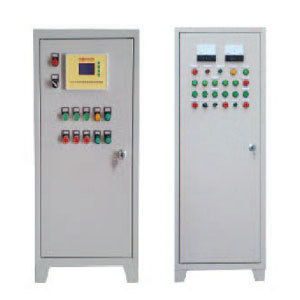
Response strategy: Stop the machine and check the power supply line, tighten loose joints; Troubleshooting high-voltage silicon rectifiers and control cabinets, replacing damaged components, ensuring stable power supply, and avoiding overload operation.
2. Fault phenomenon: The power supply device alarms, the electric field current is abnormally high, and the equipment cannot operate normally.
Core causes: electrode short circuit, insulation damage and leakage, or presence of conductive dust in the flue gas.
Response strategy: Investigate electrode contact, adjust electrode spacing, and eliminate short circuits; Replace damaged insulation components, clean conductive dust, and install pre-treatment devices if necessary.
(4) Other common faults (easily overlooked, indirectly affecting compliance)
1. Poor sealing: The dust at the outlet slightly exceeds the standard, and the electric field pressure difference is low. The cause is the aging and damage of the box, maintenance door, and flange seals. Response: Replace aging seals, reinforce connections, and control air leakage rate to no more than 5%.
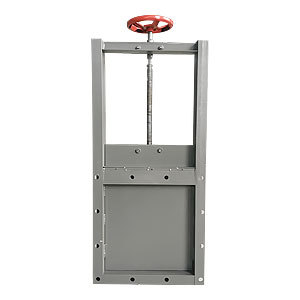
2. Ash accumulation and blockage in the ash hopper: The ash hopper overflows, causing secondary dust to fly. The cause is a malfunction of the ash unloading device and excessive ash accumulation. Response: Inspect the ash unloading device, clean the accumulated ash in the ash hopper, ensure smooth ash unloading, and avoid ash overflow.
3. Abnormal flue gas parameters: The dust removal efficiency fluctuates greatly, and the cause is that the flue gas temperature, humidity, and dust concentration exceed the equipment's adaptation range. Response: Install a pre-treatment device and adjust the flue gas parameters to the equipment adaptation range.
3、 Emergency response to environmental inspection failures
During the acceptance period, if a sudden malfunction leads to excessive emissions, three emergency measures can be taken:
1. Prioritize the inspection of the electric field and dust removal system, quickly replace damaged barbed wires and seals, adjust dust removal and power supply parameters, temporarily reduce the amount of flue gas treatment, and ensure emissions meet standards;
2. Calibrate online monitoring equipment, clean up the accumulated dust on the electrode plates and ash hopper, synchronously record the troubleshooting and rectification process, and keep it for future reference;
3. If the fault cannot be quickly resolved, start the backup processing equipment to avoid rejection of acceptance.
4、 Core Summary
The common faults of electrostatic precipitators are concentrated in the three major systems of electric field, dust cleaning, and power supply. The core response logic is to "accurately locate the cause and make targeted improvements". In daily operation and maintenance, the focus is on inspecting and replacing electrodes, barbed wires, and insulation components, optimizing dust cleaning and power supply parameters, and regularly inspecting sealing and dust unloading systems to effectively reduce the occurrence of faults; During the acceptance period, if there is a sudden malfunction, it can be quickly handled according to emergency strategies to ensure environmental compliance. Without the need for complex modifications, by controlling the core points, stable operation and long-term compliance of the equipment can be achieved.
Hot Tags:
PREVIOUS:
Contact Us
Tel:
WeChat:
WhatsApp:
E-mail:
Address:
338 National Road South, Longfengdian Village, Botou City, Hebei Province, China
JiuznTomine is expertly delivering technically complicated projects in markets & provides custom solutions for their customized need.


CONTACT INFO
Tel: +86 18531710311
WeChat: +86-18531710311
338 National Road South, Longfengdian Village, Botou City, Hebei Province, China