












Don't panic when the dust bag is clogged: a practical manual from emergency dredging to long-term prevention
Apr 15,2026

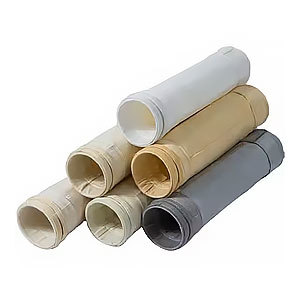
The dust removal bag is the core filtering component of the bag filter. Long term filtration of industrial dust is prone to clogging problems, which directly leads to increased equipment resistance and decreased dust removal efficiency, affecting continuous production operation.
1、 Emergency dredging: Quickly alleviate blockages and reduce downtime losses
After the bag is blocked, emergency measures should be taken first to quickly restore equipment operation. The operation should be standardized and safe to avoid damaging the bag:
1. Strengthen the dust cleaning system: If the blockage is light, there is no need to dismantle the bag. Start the equipment dust cleaning system, increase the blowing pressure appropriately, shorten the blowing cycle, and continuously blow for 10-15 minutes. Use compressed air to impact the surface of the bag and remove shallow dust accumulation.
2. Manual assisted dredging: When the blockage is severe, cut off the power supply of the equipment, wear protective equipment, remove the blocked cloth bag, use compressed air to blow outwards from the inside of the bag, or gently brush the surface dust with a soft bristled brush, clean and reinstall to ensure proper sealing.
3. Temporary replacement: If the cloth bag is severely clogged and cannot be quickly cleared, a spare cloth bag can be replaced to ensure the normal operation of the equipment. The clogged cloth bag will be thoroughly cleaned or replaced later.
2、 Cause investigation of blockage: Identify the root cause and avoid repeated blockages
After emergency clearance, it is necessary to investigate the root cause of the blockage, solve the problem from the source, focus on four core causes, and streamline without redundancy:
1. Inappropriate adaptation of dust characteristics: Dust with high humidity, high viscosity, or fine particle size is prone to adsorb on the surface of the bag, forming clumps and blockages, which often occur in chemical, food processing and other working conditions.
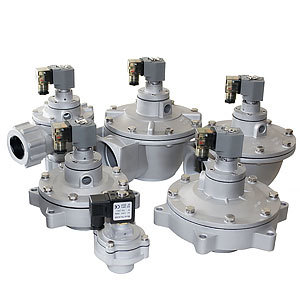
2. Abnormal dust cleaning system: Insufficient blowing pressure, long blowing cycle, or electromagnetic pulse valve failure, blockage of blowing pipe, resulting in incomplete dust cleaning and long-term accumulation of dust, leading to blockage.
3. Improper selection or installation of cloth bags: The material of the cloth bag does not match the characteristics of the dust, or the tension and sealing of the cloth bag are insufficient during installation, resulting in dust leakage and accumulation, exacerbating blockage.
4. Abnormal operating parameters of the equipment: The fan has excessive air volume and high filtration speed, causing dust to quickly accumulate on the surface of the bag, exceeding the processing capacity of the dust cleaning system and forming blockages.
3、 Long term prevention: standardize operation and maintenance, reduce blockages from the root
Based on the investigation of the causes, develop a normalized prevention strategy to reduce the incidence of blockage and ensure the long-term stable operation of the bag. The practical points are summarized as follows:
1. Selection and adaptation: Based on the humidity, viscosity, temperature, and particle size of the dust, select the appropriate material for the bag to avoid blockage caused by improper selection.
2. Optimize dust cleaning parameters: Adjust the blowing pressure and blowing cycle according to the dust concentration, regularly check the dust cleaning system, clean the blockage of the blowing pipe, replace the faulty electromagnetic pulse valve, and ensure that the dust cleaning efficiency meets the standard.
3. Standardized operation and maintenance: Conduct daily inspections of the appearance of the cloth bag and the resistance of equipment operation, and promptly clean up the accumulated dust inside the equipment; Check the tension and sealing of the bag every week to avoid dust leakage; Conduct a comprehensive inspection of the cloth bag once a month, promptly clean lightly clogged bags, and replace damaged or aged bags in a timely manner.
4. Pre treatment of working conditions: If the dust humidity and viscosity are too high, a pre-treatment device can be added at the front end of the dust collector to reduce the dust humidity and viscosity, and reduce the probability of bag blockage.
Summary: Blockage of dust removal bags is a common fault of bag filters. Mastering emergency dredging methods can quickly alleviate the shutdown problem, identify the cause of blockage, and implement long-term prevention strategies to reduce the occurrence of blockage from the root. Standardized operation and maintenance can not only extend the service life of the bag, but also ensure the stable operation of the dust collector, ensuring that industrial dust control meets standards.
Hot Tags:


Contact Us
Tel:
WeChat:
WhatsApp:
E-mail:
Address:
338 National Road South, Longfengdian Village, Botou City, Hebei Province, China
JiuznTomine is expertly delivering technically complicated projects in markets & provides custom solutions for their customized need.


CONTACT INFO
Tel: +86 18531710311
WeChat: +86-18531710311
338 National Road South, Longfengdian Village, Botou City, Hebei Province, China