











Analysis of the causes of wire wear and standardized replacement technology guidelines
Apr 15,2026

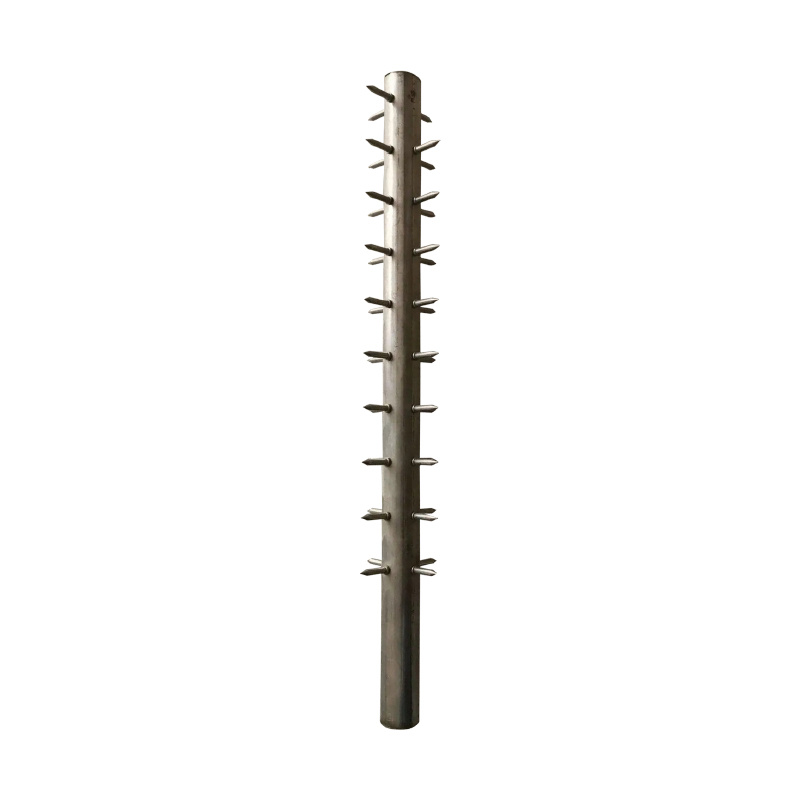
As the core discharge component of electrostatic precipitators, the operation status of the barbed wire directly affects the dust removal efficiency and stability of the equipment. It is prone to wear and tear under high temperature, high corrosion, and high dust conditions for a long time. If replaced improperly, it will further shorten the equipment life and reduce the dust removal effect.
1、 Core causes of filigree wire loss
The loss of barbed wire is not caused by a single factor, but is mainly related to the working environment, equipment operation, and its own material. The focus is on four core causes, and there is no need to overly elaborate on irrelevant details:
1. Dust abrasion: Industrial dust (especially large particles and high hardness dust) can erode the tips and wires of burrs for a long time, causing burrs to wear, become dull, and even have gaps, affecting the discharge effect. This is the most common cause of abrasion.
2. Corrosion loss: In industries such as chemical and metallurgical, acidic and alkaline substances contained in flue gas can cause corrosion to the material of barbed wire, leading to rusting and thinning of the wire body, and in severe cases, fracture, especially under high temperature and high humidity conditions, which can accelerate corrosion.
3. Discharge burnout: If the high-voltage power supply of the electrostatic precipitator is abnormal and the discharge spacing is unreasonable, it will cause excessive discharge at the tip of the spike wire, generate high-temperature arcs, burn the spike tip, and even melt the wire body, affecting the discharge stability.
4. Improper installation and operation: Insufficient tension and unstable fixation of the barbed wire during installation, shaking and collision during operation, can accelerate local wear and tear; Failure to clean up the accumulated dust on the barbed wire in a timely manner during daily operation and maintenance has led to the accumulation of dust and clumping, exacerbating losses.
2、 Technical guide for standardized replacement of barbed wire
(1) Preparation before replacement
1. Safety preparation: Cut off the main power supply and high-voltage power supply of the electrostatic precipitator, hang the "No Switching on, Under Maintenance" sign, wear protective equipment such as insulated gloves and dust masks to avoid electric shock and dust hazards.
2. Preparation of tools and spare parts: Prepare tools such as barbed wire, wrench, screwdriver, tension meter, insulation tape, etc. that are compatible with the model, and check the appearance of the spare parts for any damage or rust.
3. On site cleaning: Clean up the dust accumulation inside the electrostatic precipitator, check whether the electrode plates and barbed wire installation brackets are intact, investigate whether the brackets are corroded or deformed, and avoid affecting the quality of replacement.
(2) Standardized replacement process
1. Dismantling of old parts: Use tools to loosen the fixing bolts at both ends of the barbed wire, gently remove the old barbed wire, and avoid pulling hard to cause deformation of the bracket; During the dismantling process, record the installation position and tension parameters of the old barbed wire to provide reference for the installation of new parts.
2. Installation of new parts: Fix the two ends of the new barbed wire on the bracket, adjust the tension of the wire body, tighten the fixing bolts, ensure that the wire body is vertical and not offset, and the tip of the barbed wire is facing the same direction.
3. Spacing calibration: Calibrate the spacing between the spike wire and the electrode plate, as well as adjacent spike wires, to ensure compliance with equipment design requirements and avoid uneven spacing leading to abnormal discharge.
4. On site cleaning: After installation, clean up the internal tools and debris of the equipment, check for any remaining items, and then close the equipment maintenance door.
(3) Testing and precautions after replacement
1. Testing and debugging: Connect the power supply, run the equipment without load, check whether the discharge of the spike wire is normal, whether the wire body is shaking, monitor the high-voltage power supply parameters to ensure compliance with operating standards, and ensure that there are no discharge abnormalities, abnormal noises, or other issues.
2. Precautions: The replaced barbed wire material should be suitable for the working conditions; Avoid mixing old and new barbed wires to prevent uneven force distribution; Make records after replacement, indicating the replacement time and spare part model, for easy traceability in subsequent operation and maintenance.
3、 Loss prevention and maintenance supplementation
1. Regular inspection: Check the appearance, tension, and dust accumulation of the barbed wire every week, clean up the dust accumulation in a timely manner, and avoid dust agglomeration; Check discharge parameters monthly, adjust high-voltage power supply and spacing in a timely manner, and reduce burning and wear.
2. Material adaptation: Select the appropriate material for the burr wire according to the characteristics of the working conditions. For example, stainless steel burr wire is selected for chemical corrosion working conditions, and high-temperature resistant alloy burr wire is selected for high-temperature working conditions to reduce losses from the source.
Summary: The main causes of wire wear and tear are dust abrasion, corrosion, discharge burning, and improper operation and maintenance. Mastering standardized replacement procedures, preparing for replacement, calibrating the process, and conducting post replacement testing can ensure the stable operation of electrostatic precipitators. By combining daily inspections with material adaptation, it can effectively reduce the wear and tear of burrs, extend the service life of equipment, and ensure that the dust removal efficiency meets the standard.
Hot Tags:


Contact Us
Tel:
WeChat:
WhatsApp:
E-mail:
Address:
338 National Road South, Longfengdian Village, Botou City, Hebei Province, China
JiuznTomine is expertly delivering technically complicated projects in markets & provides custom solutions for their customized need.


CONTACT INFO
Tel: +86 18531710311
WeChat: +86-18531710311
338 National Road South, Longfengdian Village, Botou City, Hebei Province, China