












Control energy consumption and improve efficiency: A practical guide for energy-saving star shaped unloaders
Apr 14,2026

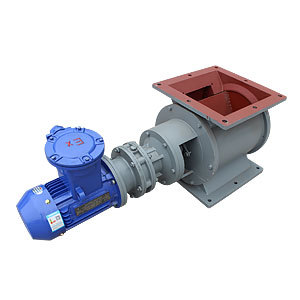
Star shaped unloader is the core auxiliary equipment of industrial dust removal system and material conveying system, mainly used for quantitative unloading and sealing of dust and particulate materials. Its operating energy consumption directly affects the operating cost of the entire system. This article summarizes the energy-saving operation and maintenance methods, parameter optimization techniques, and energy consumption control points of star shaped unloaders, providing practical energy-saving references for foreign trade practitioners and equipment operation and maintenance personnel, helping to control energy consumption and improve efficiency.
1、 Core principle of energy conservation: Adapt to working conditions and reduce ineffective energy consumption
The energy-saving core of the star shaped unloader is "on-demand operation and reduction of losses", which avoids the equipment from being in an overloaded and unreasonable operating state for a long time, and achieves a balance between energy consumption and unloading efficiency. The core principles are: adapting to material characteristics and unloading requirements, optimizing operating parameters, reducing mechanical wear and ineffective operation, and reducing energy consumption from the three dimensions of operation and maintenance, parameters, and structure.
2、 Practical energy-saving operation and maintenance methods
Daily operation and maintenance are the foundation of energy conservation, with a focus on reducing mechanical losses, optimizing operating conditions, and lowering energy consumption. The specific methods are as follows:
1. Regular lubrication and maintenance: Add suitable lubricating grease to rotating parts such as bearings and gears every month to avoid dry friction that increases operating resistance and consumes additional energy; Regularly clean impurities in the lubrication system to ensure lubrication effectiveness, extend component life, and reduce energy consumption caused by component wear.
2. Reduce material blockage: Conduct daily inspections of the discharge and feed ports, promptly clean up accumulated dust and clumped materials, and avoid blockages that may cause motor overload and increase energy consumption; Adjust the feeding speed according to the humidity and particle size of the material to avoid material accumulation and increase the operating load of the equipment.
3. Standardize start stop operations: avoid frequent start stop equipment, ensure that the start stop interval meets equipment requirements, and reduce instantaneous high energy consumption during startup; Before shutting down, empty the remaining materials in the equipment to avoid excessive motor load during the next start-up.
4. Regular maintenance of damaged parts: Check vulnerable parts such as blades, seals, and motors every quarter, replace severely worn blades and aging seals in a timely manner, and avoid energy waste caused by poor sealing or blade jamming; Check the operating status of the motor to avoid no-load and overload operation.
3、 Optimization of operating parameters: precise regulation to enhance energy-saving benefits
By optimizing the operating parameters, the star shaped unloader is in the optimal operating state, achieving the optimal balance between energy consumption and efficiency. The core optimization points are:
1. Speed regulation: Accurately adjust the equipment speed according to the discharge volume requirements, avoiding the "big horse pulling small car" - when there is no need for high discharge volume, reduce the speed and reduce motor energy consumption; When the demand for unloading volume increases, gradually increase the speed to avoid ineffective energy consumption caused by excessive speed.
2. Adapt to system pressure: The sealing performance of the star shaped unloader is closely related to the system pressure. Adjust the system pressure reasonably to avoid excessive pressure that increases equipment operating resistance; At the same time, check the sealing gap to ensure good sealing and reduce energy consumption caused by air and material leakage.
3. Motor adaptation optimization: If there is a situation of "overusing" the equipment motor, a motor with adapted power can be replaced to avoid energy waste caused by motor no-load operation; Prioritize the use of energy-saving motors to reduce energy consumption from the source.
4、 Precautions for energy consumption control
1. Avoid blindly pursuing high speed, the speed should match the discharge volume, excessively increasing the speed will only increase energy consumption and cannot improve the actual discharge efficiency;
2. Regularly monitor energy consumption data, compare energy consumption differences under different operating parameters, and optimize operation and maintenance plans;
3. It is strictly prohibited to operate in violation of regulations (such as running without load for a long time, overloading materials), to avoid equipment damage and energy waste;
4. Combining the overall working conditions of the dust removal system and conveying system, optimize the operation status of the star shaped unloader in a coordinated manner, and achieve energy saving throughout the entire system.
Summary: The energy-saving core of star shaped unloaders lies in "reducing daily operation and maintenance losses, optimizing parameters to improve efficiency", without the need for complex modifications. By implementing simple measures such as standardized lubrication, reducing blockages, and precise speed control, energy consumption can be effectively reduced. Reasonable energy-saving operation and maintenance can not only reduce operating costs, but also extend the service life of equipment, achieve the dual goals of "controlling energy consumption and improving efficiency", and provide support for efficient and energy-saving operation of industrial production.
Hot Tags:
PREVIOUS:

Contact Us
Tel:
WeChat:
WhatsApp:
E-mail:
Address:
338 National Road South, Longfengdian Village, Botou City, Hebei Province, China
JiuznTomine is expertly delivering technically complicated projects in markets & provides custom solutions for their customized need.


CONTACT INFO
Tel: +86 18531710311
WeChat: +86-18531710311
338 National Road South, Longfengdian Village, Botou City, Hebei Province, China