











Troubleshooting and Solutions for Industrial Dust Removal Equipment: Operation and Maintenance Strategies to Ensure Continuous Operation
Apr 13,2026

Industrial dust removal equipment is the core guarantee for dust control, environmental compliance, and continuous operation in industrial production. Long term exposure to high dust and high load conditions can easily lead to various malfunctions, affecting production efficiency and environmental compliance. This article simplifies and sorts out common faults, scientific troubleshooting ideas, and practical solutions for industrial dust removal equipment, and provides operation and maintenance strategies that are suitable for continuous operation. It provides practical references for foreign trade practitioners and equipment operation and maintenance personnel, balancing simplicity and practicality.
1、 Core principle of troubleshooting: efficient positioning, reducing downtime losses
The troubleshooting of industrial dust removal equipment should revolve around the three core principles of "rapid positioning, minimal shutdown, and safe operation", following the idea of "first intuitive and then deep, first common and then individual, and first easy and then difficult": prioritizing the initial positioning of faults through visual observation, parameter monitoring, and sound judgment; Priority should be given to identifying common vulnerable components such as filters, seals, valves, etc., before delving deeper into core systems such as fans, circuits, and dust cleaning systems; Before troubleshooting, it is necessary to cut off the main power supply, take measures to prevent dust and electric shock, and avoid secondary faults.
2、 Common faults+troubleshooting ideas+solutions
(1) Common fault 1: Decreased dust removal efficiency and non compliant dust emissions
Troubleshooting approach: Prioritize troubleshooting filter materials (blockage, damage, improper selection), then check sealing performance and dust cleaning system, and finally confirm whether the airflow distribution is uniform.
Solution:
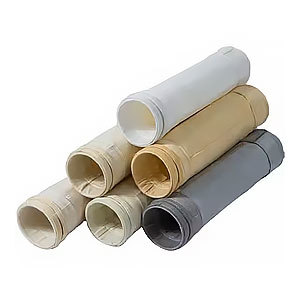
1. Filter material issues: For mild blockages, use pulse blowing or compressed air cleaning. For severe blockages or damages, replace the filter material with one that is suitable for dust characteristics (high-temperature resistant filter material for high temperatures, and anti stick filter material for high viscosity);
2. Sealing leakage: Check the equipment connections, warehouse doors, and pipeline interfaces, replace aging sealing strips, tighten fixing bolts, detect air leakage points with soapy water, and seal them;
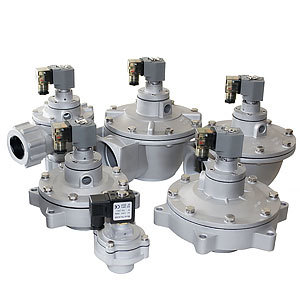
3. Abnormal dust cleaning: Adjust the blowing pressure and blowing cycle, clean the blockage of the blowing pipe, and replace the faulty electromagnetic pulse valve;
4. Uneven airflow: Adjust the internal guide plate, clean the accumulated dust in the pipeline, and avoid pipeline bending and unreasonable diameter changes.
(2) Common fault 2: The equipment operates with loud noise and severe vibration
Troubleshooting approach: Based on the type of noise and vibration, sharp sounds are mostly caused by component friction, dull vibrations are mostly caused by loose or unbalanced components, and resonance sounds are mostly caused by uneven installation.
Solution:
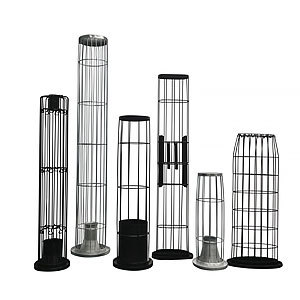
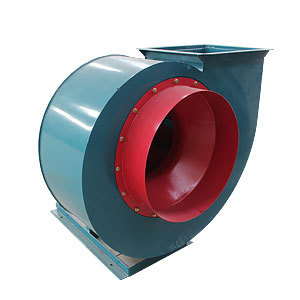
1. Component friction: Power off to correct the offset of the filter material skeleton and fan impeller, replenish lubricating grease for the fan bearings, and replace worn bearings;
2. Loose/unbalanced components: Tighten the equipment base, bracket, and fan fixing bolts, clean the dust accumulation on the impeller to correct the imbalance, and reinforce the pipeline fixing bracket;
3. Resonance issue: Flatten the equipment base, adjust the distance between the equipment and surrounding devices, and reduce resonance interference.
(3) Common fault 3: Equipment cannot start or immediately shuts down after starting
Troubleshooting approach: Prioritize troubleshooting the circuit system (power supply, switches, lines), then check overload protection and fan faults, and finally confirm whether the control signal is normal.
Solution:
1. Circuit issues: Check the power connection and switch contact status, repair damaged circuits, and confirm that the power phase sequence is correct (to avoid fan reversal);
2. Overload protection: After turning off the device cooling, clean the filter material and pipeline blockage to reduce the load, and reset the overload protection switch;
3. Fan/control malfunction: Check the fan wiring terminals, troubleshoot the motor burnout issue (requiring professional maintenance), inspect the control module signal transmission, and repair the faulty circuit.
(4) Common fault 4: The dust cleaning system does not work or the dust cleaning is not thorough enough
Troubleshooting approach: Follow the sequence of "gas source → injection pipeline → electromagnetic pulse valve → control circuit" for troubleshooting, with a focus on checking components that are prone to blockage and damage.
Solution:
1. Air source issue: Connect a stable air source, clean the oil-water separator, filter out moisture and oil in the air, and ensure that the air source pressure meets the standard;
2. Pipeline blockage: Clean up the accumulated dust inside the spray pipe, adjust the position of the spray pipe to ensure even spraying;
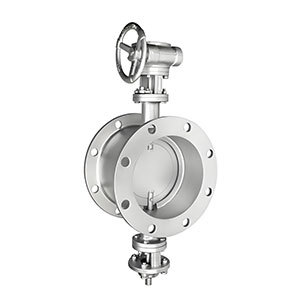
3. Pulse valve malfunction: Check the valve wiring, replace damaged or stuck electromagnetic pulse valves;
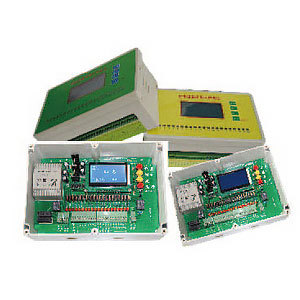
4. Control circuit: Check the control switch and time relay to ensure that the dust cleaning cycle and spraying duration are set reasonably.
(5) Individual faults: Exclusive fault supplements for different devices
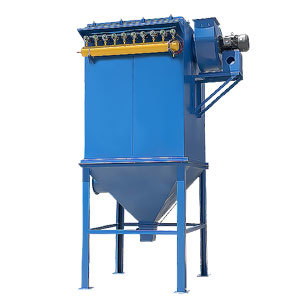
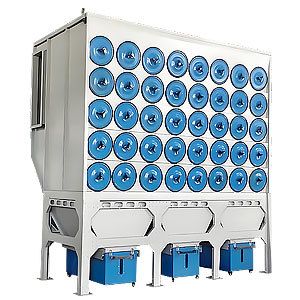
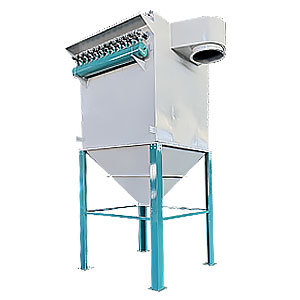
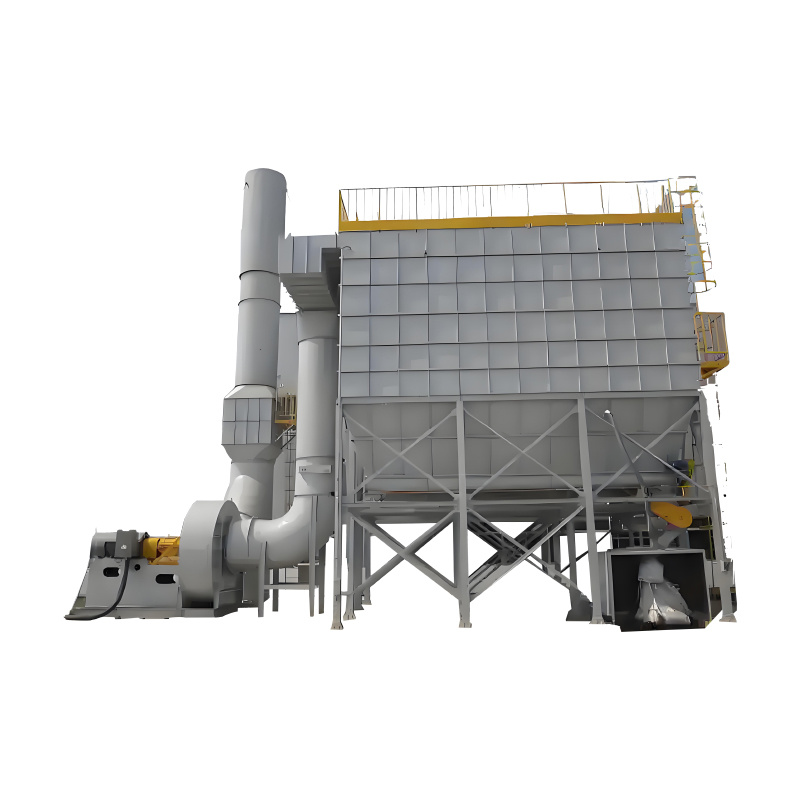
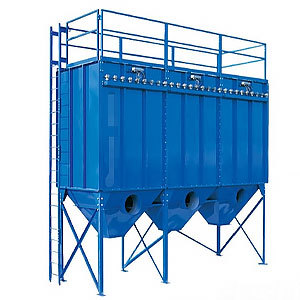
1. Bag/filter cartridge dust collector: The bag/filter cartridge paste bag needs to be cleaned of accumulated dust, the anti sticking filter material needs to be replaced, and the cleaning cycle needs to be optimized;
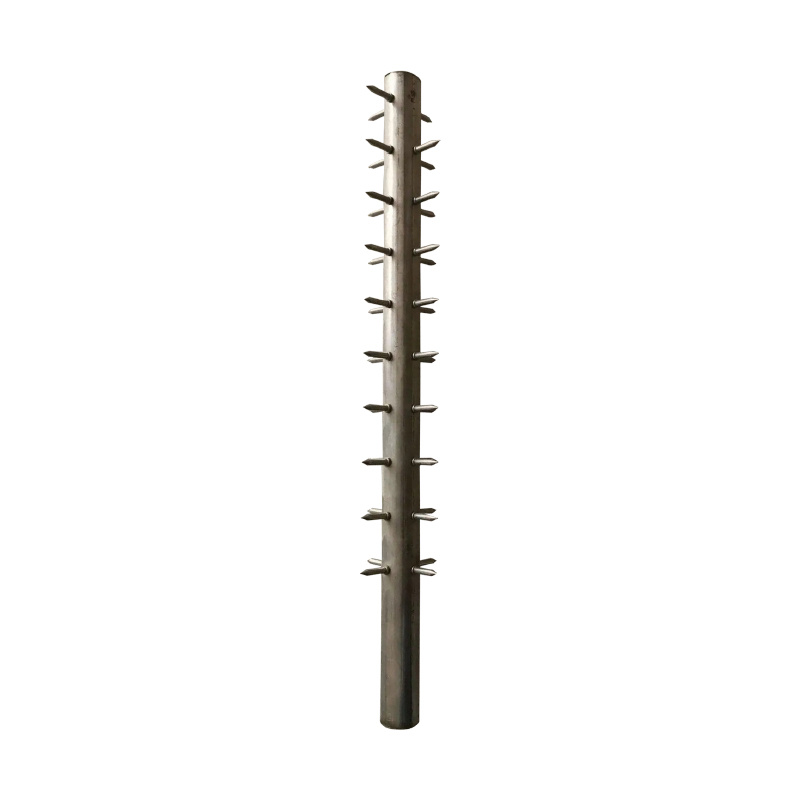
2. Electrostatic precipitator: Abnormal discharge of barbed wire, clean up the accumulated dust on the barbed wire, adjust the spacing, and check the high-voltage power supply system;
3. Spray tower: pipeline blockage, chemical failure, unclog the pipeline, replace the appropriate chemical and adjust the concentration;
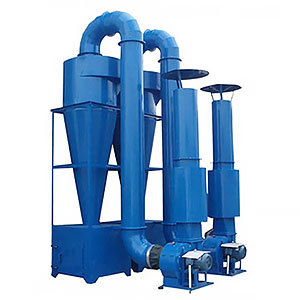
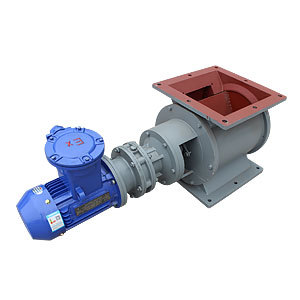
4. Cyclone dust collector: If the discharge is not smooth, clean the dust accumulation on the unloader and check the operation status of the star shaped unloader.
3、 Operation and maintenance strategy to ensure continuous operation
1. Regular inspection: Daily check of equipment operating parameters (air volume, pressure, noise), filter material status, and sealing condition; Clean up the accumulated dust in pipelines and fans every week, and inspect the dust removal system; Conduct a comprehensive monthly inspection of circuits, valves, and unloading devices, and replace aging and vulnerable parts;
2. Hierarchical maintenance: Develop a hierarchical maintenance plan based on equipment operating load and dust concentration, and shorten maintenance cycles under high load conditions;
3. Spare parts management: Reserve commonly used vulnerable parts (filter materials, seals, pulse valves, etc.) to avoid prolonged downtime due to a lack of spare parts after a malfunction;
4. Standardized operation: Operators must strictly follow the procedures for starting and stopping, avoiding illegal operations (such as starting the dust cleaning system without a gas source);
5. Fault archiving: Record the troubleshooting process and solutions for each fault, summarize common problems, optimize operation and maintenance plans, and reduce the recurrence of similar faults.
Summary: The faults of industrial dust removal equipment are mostly concentrated in filter materials, dust cleaning systems, fans, circuits, and sealing parts. Following a scientific troubleshooting approach can quickly solve most of the faults. Combining normalized and graded operation and maintenance strategies can not only reduce the occurrence rate of failures, but also ensure the continuous and stable operation of equipment, helping industrial production meet environmental standards and improve production efficiency.
Hot Tags:


Contact Us
Tel:
WeChat:
WhatsApp:
E-mail:
Address:
338 National Road South, Longfengdian Village, Botou City, Hebei Province, China
JiuznTomine is expertly delivering technically complicated projects in markets & provides custom solutions for their customized need.


CONTACT INFO
Tel: +86 18531710311
WeChat: +86-18531710311
338 National Road South, Longfengdian Village, Botou City, Hebei Province, China