











Quick Reference Manual for Grinding and Dust Removal Workbench Malfunctions: Troubleshooting Ideas+Solutions
Apr 13,2026

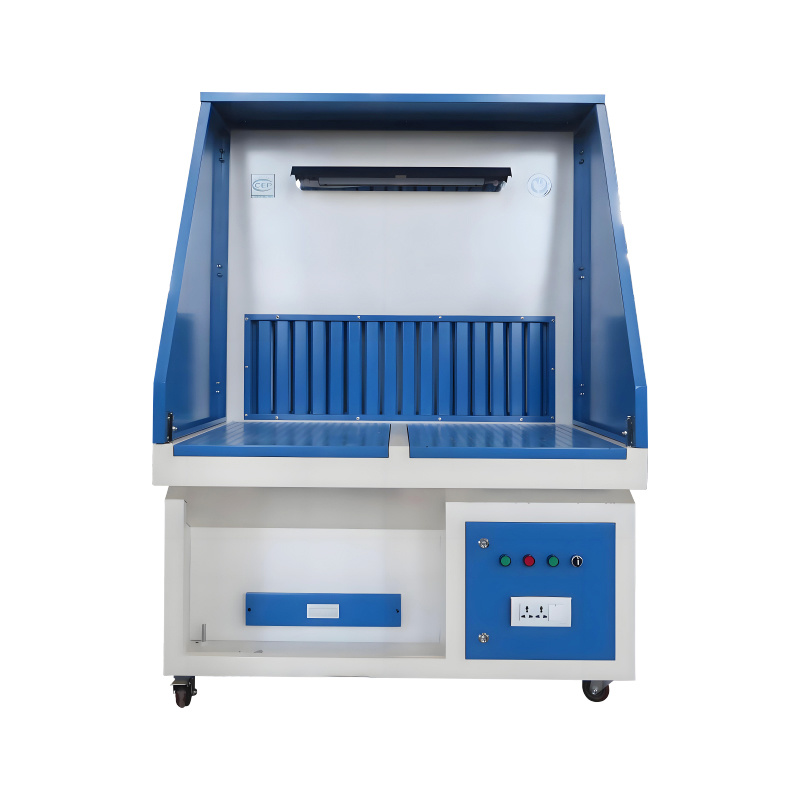
Grinding and dust removal workbench is a commonly used equipment for dust control in industries such as mechanical processing and hardware manufacturing. Long term high load operation is prone to various malfunctions, affecting the working environment and equipment life. This article simplifies and sorts out core faults, troubleshooting ideas, and practical solutions to help foreign trade practitioners and operation and maintenance personnel quickly locate problems and efficiently solve them, balancing practicality and simplicity.
1、 Core troubleshooting principle: Simple first, complex later, intuitive first, deep later
Troubleshooting should follow the core idea of "easy first, difficult later", prioritizing the inspection of intuitive and easy to operate parts, and then thoroughly examining the core components to avoid blind disassembly: the first step is to observe the appearance, operating sound, and indicator light status of the equipment, and preliminarily determine the direction of the fault; The second step is to inspect consumable components such as filter materials and seals; The third step is to inspect core components such as the power system and circuit system, reducing inspection time and maintenance costs.
2、 Common faults+troubleshooting ideas+solution tips
(1) Fault 1: Insufficient suction and reduced airflow on the workbench
Troubleshooting approach: Prioritize troubleshooting filter material blockage (the most common cause), then check sealing performance, air inlet and fan status, and finally confirm whether the pipeline is unobstructed.
Clever solution:
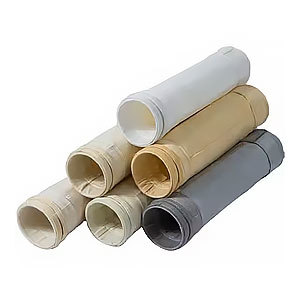
1. Filter material blockage: For mild blockage, use compressed air to blow back and clean. For severe blockage, replace the filter material with one that is suitable for the characteristics of the dust (high-precision filter cartridges are used for fine dust);
2. Poor sealing: Check the sealing components at the connection between the countertop, filter compartment, and fan, replace aging and damaged sealing strips, and tighten the fixing bolts;
3. Air inlet/pipeline blockage: Clean up obstacles at the air inlet, clear the accumulated dust in the pipeline, and avoid air loss caused by pipeline bending and unreasonable diameter changes;
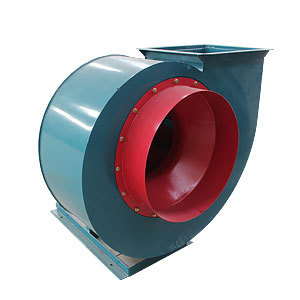
4. Fan abnormality: Clean the dust accumulation on the fan impeller, check the motor speed, and add bearing grease if necessary.
(2) Fault 2: Decreased dust removal efficiency and dust overflow from the air outlet
Troubleshooting approach: Focus on checking the condition of the filter material (damage, aging, or improper selection), then check the sealing performance, and finally confirm whether the dust cleaning system is normal.
Clever solution:
1. Filter material issue: Replace damaged or aged filter materials, and select based on the characteristics of polishing dust (anti stick filter materials are selected for high viscosity dust, and high-temperature resistant filter materials are selected for high temperature dust);
2. Sealing leakage: Apply soapy water to the sealing area, observe the bubbles to identify the leakage point, re tighten the connection or wrap the sealing tape;
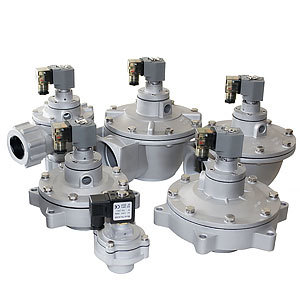
3. Abnormal dust cleaning: Check the pulse blowing system, clean the blockage in the blowing pipe, adjust the blowing pressure (usually 4-6 pressures), and ensure thorough dust cleaning.
(3) Fault 3: There is abnormal noise during equipment operation (sharp scraping sound, dull impact sound, etc.)
Troubleshooting approach: Locate the fault point based on the type of abnormal noise. Sharp sounds are mostly caused by component friction, dull sounds are mostly caused by foreign object impact or component loosening, and buzzing sounds are mostly caused by resonance or excessive load.
Clever solution:
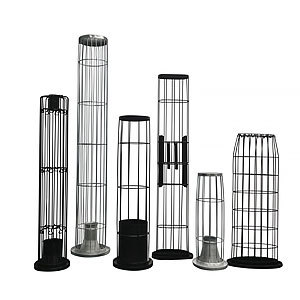
1. Sharp scraping sound: After power failure, correct the offset of the filter material, fix the loose skeleton, clean the dust accumulation on the fan impeller, and replenish lubricating grease or replace the worn bearings;
2. Dull impact sound: Open the fan inspection port to clean the internal foreign objects, tighten the fixing bolts of the base and bracket, and correct the unbalanced fan impeller;
3. Continuous buzzing sound: Flatten the equipment base to reduce resonance, clean filter materials and pipeline blockages to reduce fan load, and reinforce the motor base.
(4) Fault 4: The device cannot start or immediately shuts down after starting
Troubleshooting approach: Prioritize troubleshooting the circuit system (power supply, switches, circuits), and then check the fan overload protection and motor faults.
Clever solution:
1. Circuit issues: Check the power connection and switch contact status, repair damaged circuits, and ensure the correct phase sequence of the power supply (to avoid fan reversal);
2. Overload protection: After turning off the device cooling, clean the filter material blockage, reduce the fan load, and reset the overload protection switch;
3. Motor malfunction: Check the motor wiring terminals, investigate the problem of motor burnout, and require professional personnel to repair or replace.
(5) Fault 5: Dust cleaning system does not work
Troubleshooting approach: Investigate the gas source connection, spray pipe status, electromagnetic pulse valve, and control circuit in the order of "gas source → pipeline → valve → circuit".
Clever solution:
1. Air source issue: Connect the air source, check the oil-water separator, filter the moisture and oil in the air;
2. Blockage of spray pipe: Clean the accumulated dust inside the spray pipe, adjust the position of the spray pipe to ensure even spraying;
3. Electromagnetic pulse valve malfunction: Check the valve wiring and replace the damaged pulse valve;
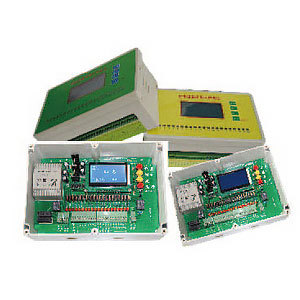
4. Control circuit: Check the control switches and circuits to ensure normal signal transmission.
3、 Fault prevention tips
1. Regular maintenance: Check the condition of the filter material, seals, and fixing bolts every week, clean the pipes and fans of accumulated dust every month, and replace the filter material every 3-12 months;
2. Standardized operation: Avoid metal debris and foreign objects from falling into the suction port, ensure that the air source is normal during operation, and adjust the blowing pressure according to the specifications;
3. Adaptation selection: Select filter materials with corresponding characteristics based on the particle size, viscosity, and temperature of the polishing dust to avoid frequent failures caused by improper selection;
4. Safety troubleshooting: Before troubleshooting, it is necessary to cut off the main power supply, take dust protection measures, and non professionals should not disassemble the core components without authorization.
Summary: The faults of the dust removal workbench are mostly concentrated in the filter material, seal, fan, dust cleaning system, and circuit. Following the troubleshooting idea of "easy first, difficult later", combined with the above tips, most common faults can be quickly solved. Daily simple maintenance can not only reduce the occurrence of faults, but also extend the service life of equipment, and adapt to the dust control needs of various industries' polishing operations.
Hot Tags:


Contact Us
Tel:
WeChat:
WhatsApp:
E-mail:
Address:
338 National Road South, Longfengdian Village, Botou City, Hebei Province, China
JiuznTomine is expertly delivering technically complicated projects in markets & provides custom solutions for their customized need.


CONTACT INFO
Tel: +86 18531710311
WeChat: +86-18531710311
338 National Road South, Longfengdian Village, Botou City, Hebei Province, China