


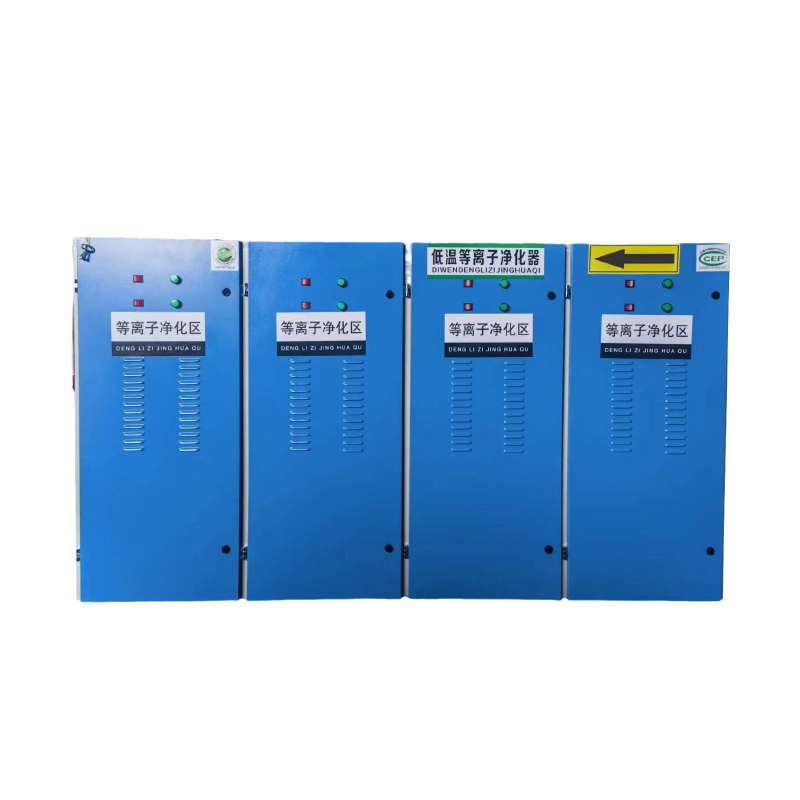
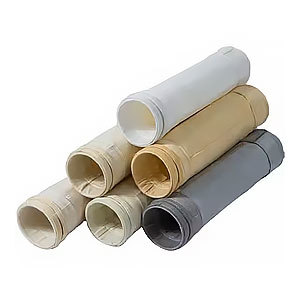
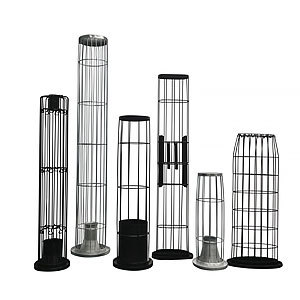
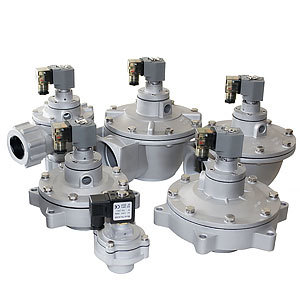









Accuracy and efficiency requirements for the selection of plastic fired plate dust collectors
Apr 09,2026
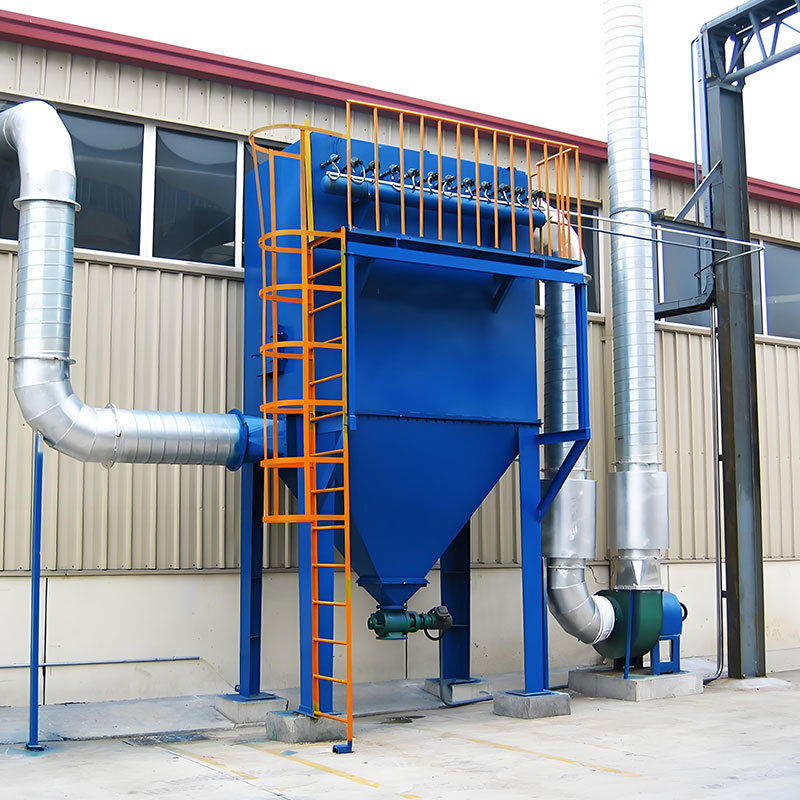
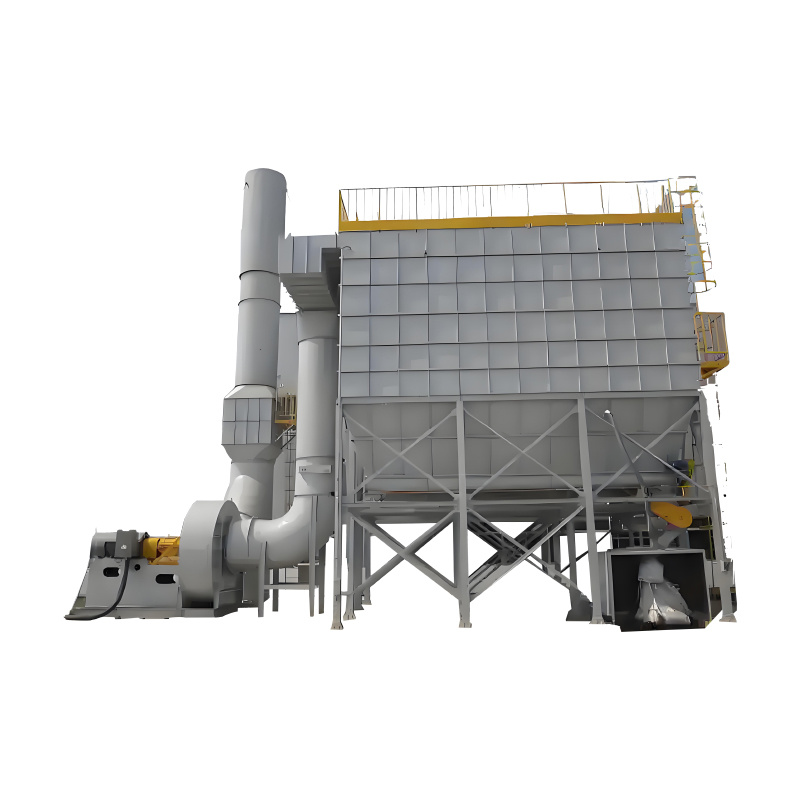
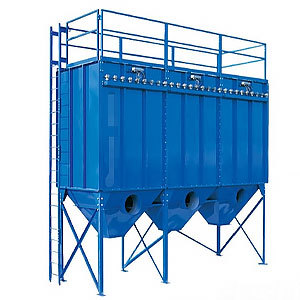
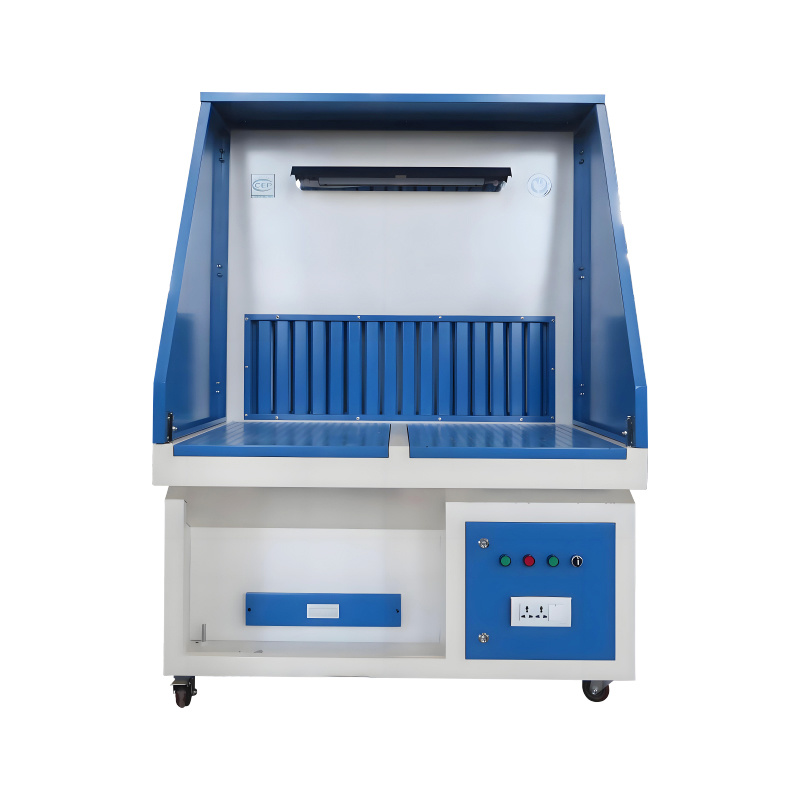
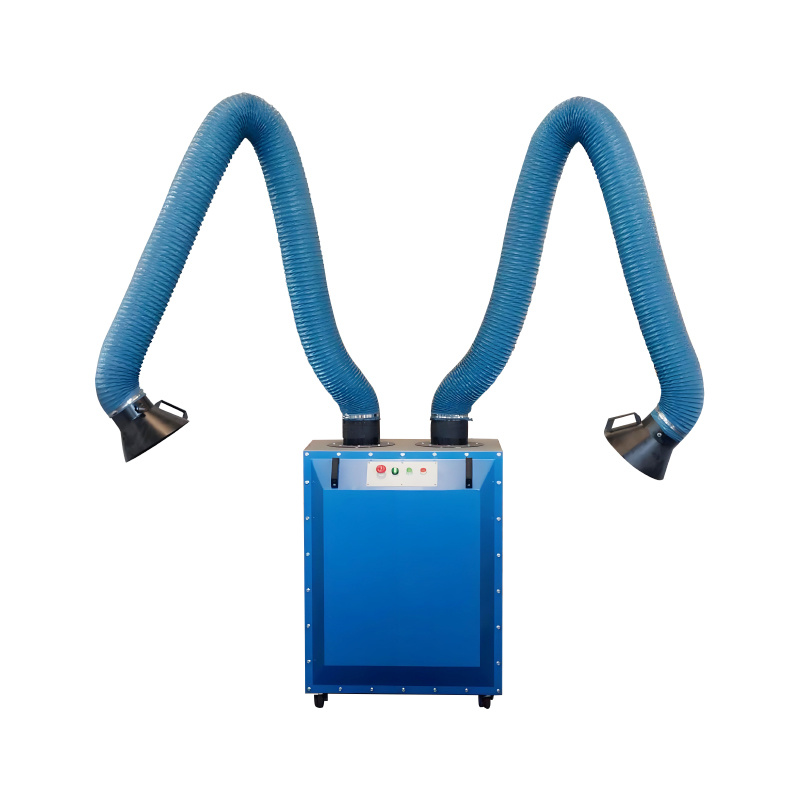
Plastic fired plate dust collectors are widely used in industrial dust control due to the advantages of rigid filter materials. The core of their selection is the matching accuracy and efficiency requirements, which directly determine the dust removal effect, environmental compliance, and long-term operational stability of the equipment. This article simplifies and analyzes the precision and efficiency requirements that need to be followed in the selection process, providing practical reference for foreign trade practitioners and equipment selection personnel, and meeting the practical application needs of multiple industries.
1、 Selection Core: Accuracy Requirements and Matching Principles
The filtration accuracy of the plastic fired plate dust collector is determined by the pore structure of the filter material. When selecting, it is necessary to combine industry environmental standards and dust characteristics to avoid blindly pursuing high accuracy and wasting costs. It is also necessary to prevent insufficient accuracy that cannot meet the standards. The core principle follows the "matching on demand" principle, and the accuracy range is clearly defined for different scenarios.
Conventional industrial scenarios (such as metallurgy, building materials, and mining coal transportation systems): The dust particle size is relatively large, and selecting an accuracy of 1-5 μ m can meet basic environmental protection requirements. It can effectively capture PM10 and some PM2.5, adapt to most conventional dust control needs, and does not require excessive configuration of high-precision filter materials to avoid increasing costs and operating resistance.
Precision manufacturing scenarios (such as electronics and semiconductor industries): To handle nanoscale fine dust, it is necessary to use plastic fired plates with a precision of 0.5-1 μ m to ensure that dust emissions meet standards and avoid dust affecting product accuracy and production environment.
Special industry scenarios (such as food and medicine): It is necessary to comply with relevant certification requirements such as FDA and GMP, and use high-precision filter materials of 0.1-0.5 μ m, combined with food grade sealing materials, to prevent dust pollution of products and ensure production hygiene standards.
In addition, precision selection should take into account the characteristics of the filter material, such as PTFE coated plastic fired plates, which can improve filtration accuracy and adapt to fine dust scenes; Corrosion resistant and high-temperature resistant filter materials can adapt to complex working conditions while ensuring accuracy.
2、 Selection key: efficiency requirements and influencing factors
The dust removal efficiency of the plastic fired plate dust collector refers to the dust collection efficiency. When selecting, it is necessary to consider the dust concentration and working conditions to ensure that the efficiency is stable and meets the standard, while also considering the operational economy. The key efficiency requirements and influencing factors are as follows.
Basic efficiency requirements: Under normal operating conditions, the dust removal efficiency of the plastic fired plate dust collector should not be less than 99.9%, and the high concentration dust should reach 99.99% or more to ensure that the export dust concentration meets industry environmental standards. In some harsh scenarios, it is necessary to control the dust concentration below 10mg/m ³ or even lower.
The core factors affecting efficiency are: firstly, the quality of filter materials. High quality plastic fired plate filter materials have uniform pores, which can improve dust interception efficiency and are not easily blocked. The service life can reach 8-10 years, indirectly ensuring long-term efficiency stability; The second is the adaptability of the dust cleaning system. The pulse dust cleaning pressure needs to be controlled within a reasonable range to ensure thorough dust cleaning without damaging the filter material, avoiding dust accumulation and blockage that may lead to efficiency decline. The high-pressure pulse dust cleaning system can improve the dust cleaning efficiency of wet dust, further ensuring the dust removal effect; The third is equipment structure design. Uniform airflow distribution can avoid excessive local filter material load, reduce dust leakage, and improve overall dust removal efficiency. Streamlined airflow channel design can reduce dust retention and help improve efficiency.
3、 Selection Attention: Collaborative Matching of Accuracy and Efficiency
When selecting, it is necessary to avoid the misconception of "emphasizing accuracy over efficiency" or "emphasizing efficiency over accuracy", and the two need to be matched together. If high-precision filter materials are paired with an unreasonable dust cleaning system, it can lead to filter material blockage, increased resistance, and ultimately reduce dust removal efficiency; On the contrary, if an efficient dust cleaning system is paired with low precision filter materials, it cannot achieve precise interception and is difficult to meet environmental requirements.
At the same time, it is necessary to adjust according to actual working conditions, such as high humidity and high viscosity dust scenes, and use superhydrophobic modified filter materials to ensure accuracy while avoiding dust adhesion and efficiency decline; High temperature conditions require the use of high-temperature resistant filter materials to ensure stable performance and maintain efficient dust removal.
Summary: The core precision requirement for the selection of plastic fired plate dust collectors is "matching according to demand and conforming to industry standards", while the core efficiency requirement is "stable compliance with standards while considering economy". When selecting, it is necessary to combine the characteristics of dust, environmental requirements, and working conditions to achieve a coordinated adaptation of accuracy and efficiency, in order to ensure the long-term stable operation of equipment, meet the needs of industrial dust control, and avoid unnecessary cost waste.
Hot Tags:


Contact Us
Tel:
WeChat:
WhatsApp:
E-mail:
Address:
338 National Road South, Longfengdian Village, Botou City, Hebei Province, China
JiuznTomine is expertly delivering technically complicated projects in markets & provides custom solutions for their customized need.


CONTACT INFO
Tel: +86 18531710311
WeChat: +86-18531710311
338 National Road South, Longfengdian Village, Botou City, Hebei Province, China