

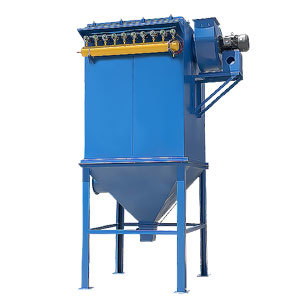
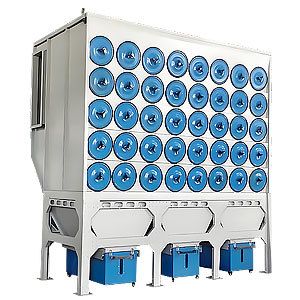
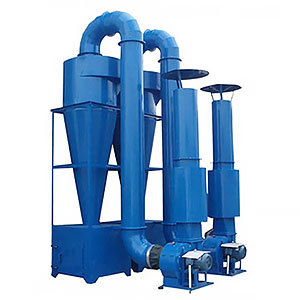

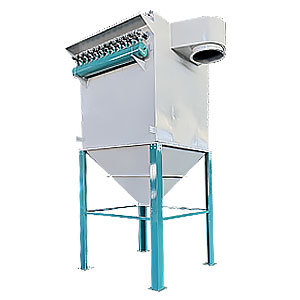
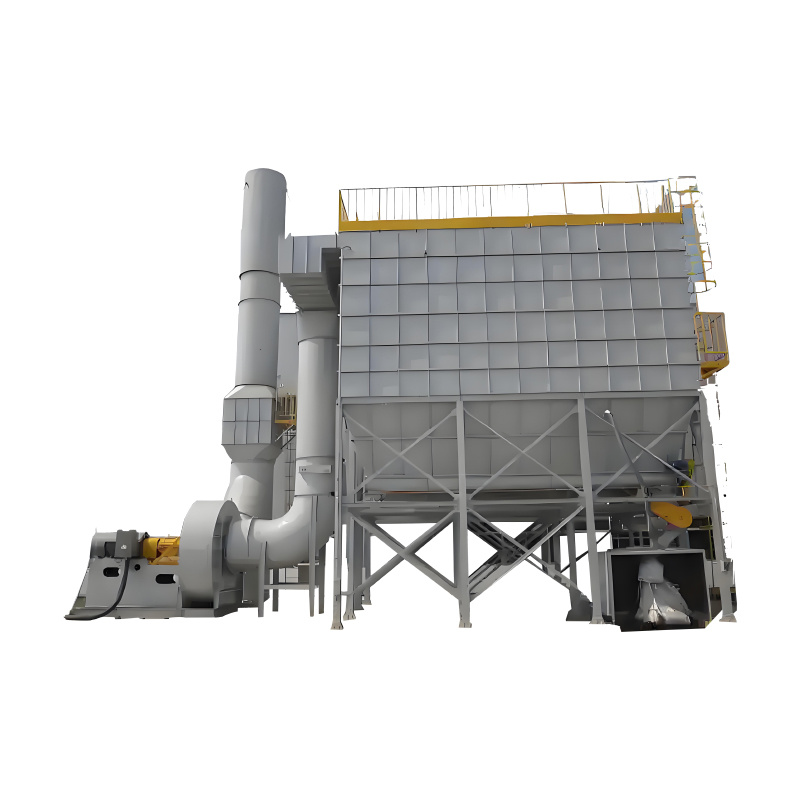
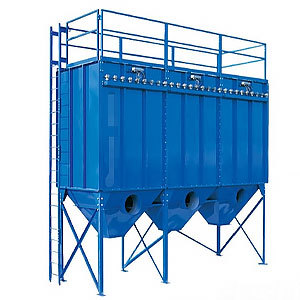
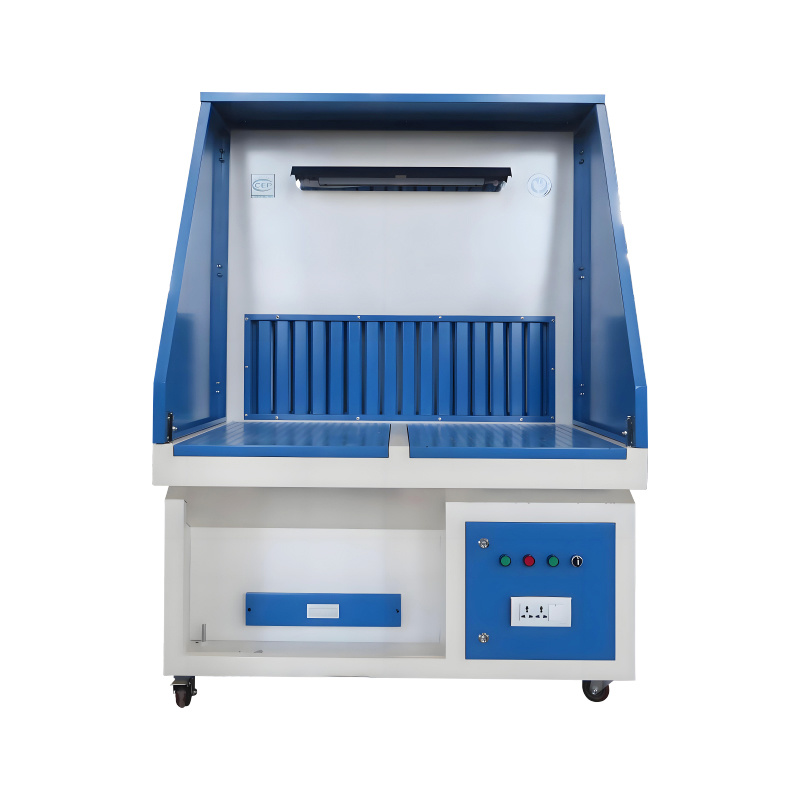
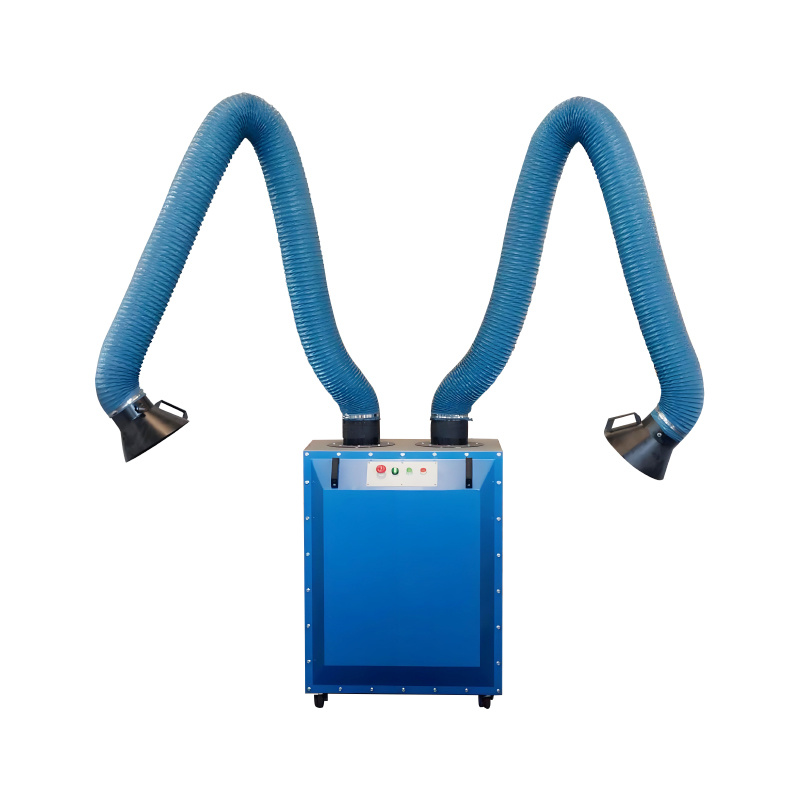










Key maintenance points for dust collectors in dusty environments
Mar 31,2026
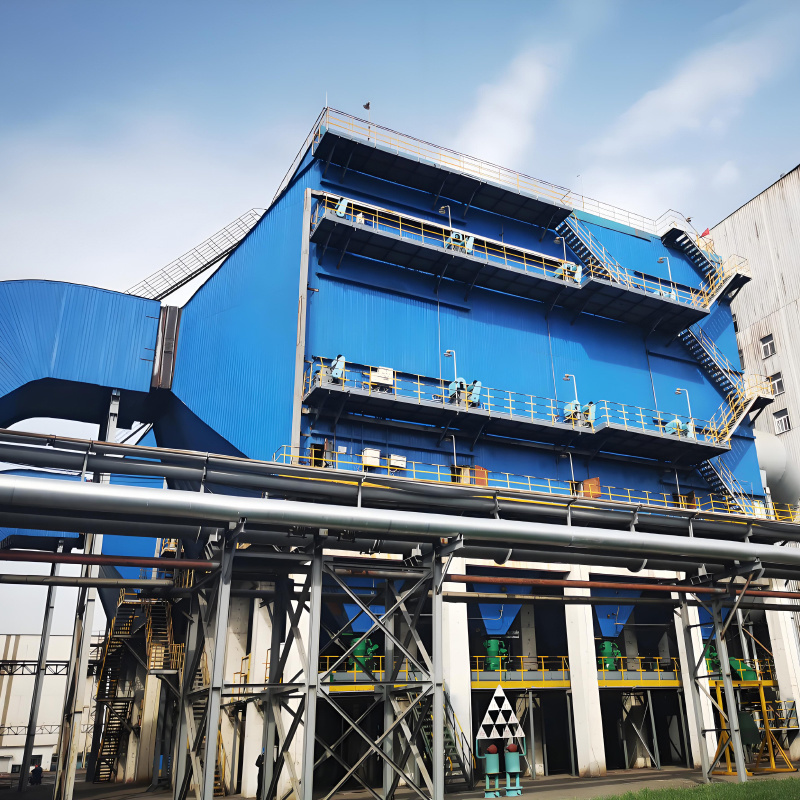
In environments with high levels of dust (such as metallurgy, cement, mining, chemical industry, etc.), dust collectors operate at high loads for a long time, resulting in faster dust accumulation and component wear, which can lead to decreased dust removal efficiency and equipment failures. This article summarizes the core maintenance points and covers the general maintenance logic of various dust collectors, helping overseas industrial users extend equipment life and ensure stable operation.
1、 Daily pre startup inspection (core pre steps)
In a dusty environment, it is necessary to quickly identify potential hazards before starting up daily to avoid equipment running with malfunctions
1. Check the sealing components (access doors, flanges, filter material interfaces), confirm that the sealing strips and gaskets are not aged or damaged, close and tighten them, and prevent air leakage (air leakage will reduce negative pressure and cause dust to escape).
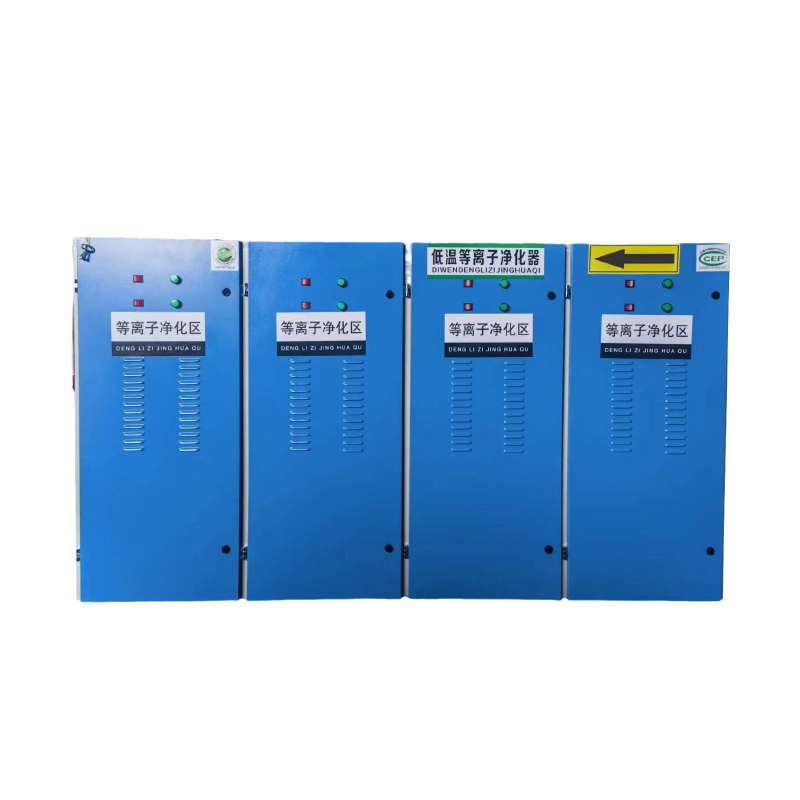
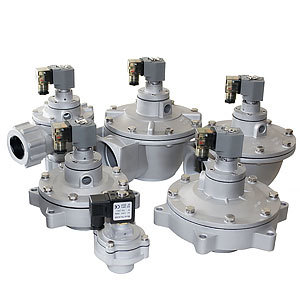
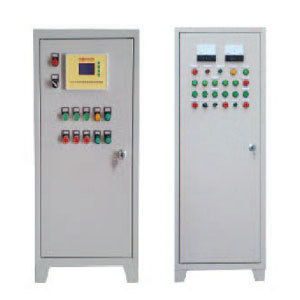
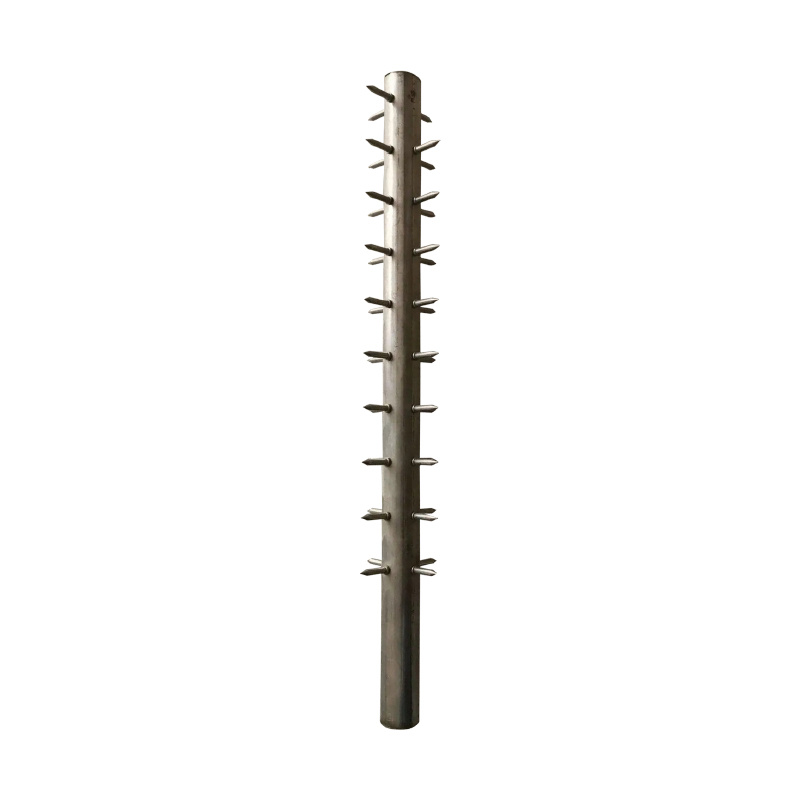
2. Check the dust cleaning system, inspect whether the pulse valve, spray pipe, and air bag are normal, and ensure that the spray force meets the standard; The electrostatic precipitator needs to be checked for the status of the high-voltage power supply device and electrodes, and there should be no dust accumulation or clumping.
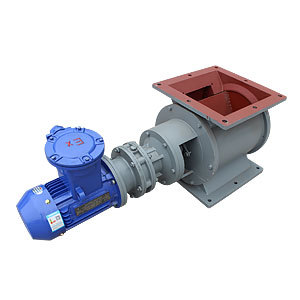
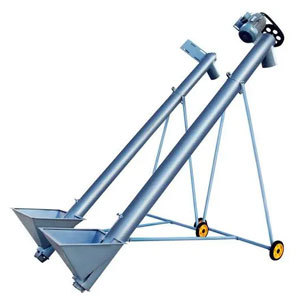
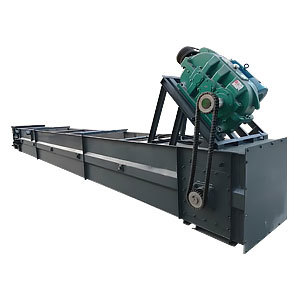
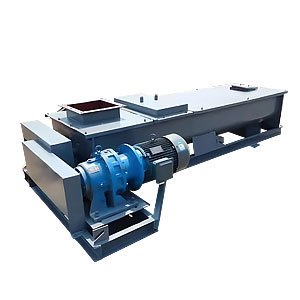
3. Check the accumulation of ash in the ash hopper, confirm that the ash discharge device (screw conveyor, ash discharge valve) is not blocked, ensure smooth discharge of accumulated ash, and avoid backflow that increases equipment load.
2、 Real time monitoring and maintenance during operation
During the operation of the equipment, focus on monitoring key parameters, promptly handling abnormalities, and reducing the expansion of faults:
1. Monitor the pressure difference and air volume. If the pressure difference suddenly rises, it is likely that the filter material is blocked (bag, filter cartridge) or the dust cleaning is ineffective. The dust cleaning frequency should be adjusted immediately, the blowing force should be increased, and if necessary, the machine should be stopped for cleaning.
2. Control the operating conditions to avoid excessive dust concentration and abnormal temperature (cooling devices are required for high temperature scenarios), prevent dust adhesion, filter material aging, or electrode scaling.
3. Regularly clean the dust accumulation inside the equipment, focusing on cleaning the dust accumulation on the surface of the filter material, electrodes, and the inner wall of the pipeline, to avoid dust accumulation and agglomeration, which affects the dust removal efficiency and equipment operation stability.
3、 Regular maintenance and replacement of components
Parts wear out quickly in dusty environments, and regular maintenance mechanisms need to be established to reduce failure rates
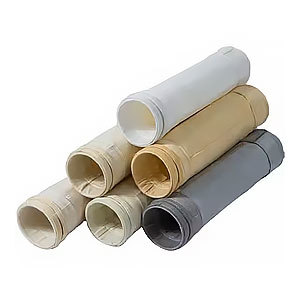
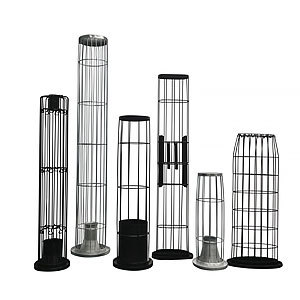
1. Filter material maintenance (bag, filter cartridge): Regularly check the damage and aging of the filter material, and replace it immediately if tearing or perforation occurs; According to the characteristics of dust, regularly blow the filter material offline to avoid blockage and extend its service life.
2. Replacement of vulnerable parts: Sealing strips, gaskets, pulse valve diaphragms and other vulnerable parts should be regularly inspected and replaced; Electrostatic precipitators require regular inspection of electrode wires and anode plates, cleaning of scaling, and proper anti-corrosion treatment.
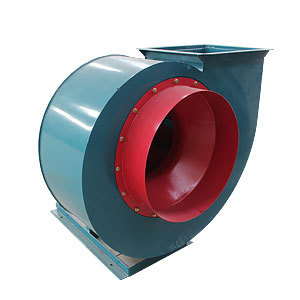
3. Maintenance of power components: Regularly check the operating status of fans, motors, and ash discharge devices, add lubricating oil, tighten loose parts, and avoid equipment shutdown caused by component wear.
4、 Key points for supplementary maintenance in special scenarios
1. High humidity and high dust environment: Proper moisture-proof treatment of equipment, installation of dehumidification devices, to prevent dust from getting damp and clumping, and corrosion of equipment components; Regularly check the moisture resistance of the filter material and replace the damp filter material in a timely manner.
2. High viscosity dust environment: Increase the frequency of dust cleaning, use anti sticking filter materials, regularly clean the sticky dust accumulation on the surface of the filter materials to avoid blockage; Regularly inspect pipelines to prevent the accumulation and blockage of sticky dust.
5、 Maintenance precautions
1. Maintenance operations require shutting down and cutting off power, taking safety precautions to avoid dust inhalation or equipment misoperation.
2. Maintain record retention, optimize maintenance cycles based on dust concentration and operating hours, and improve maintenance efficiency.
3. Component replacement should use compatible models, especially filter materials, that match dust characteristics and operating temperatures to avoid equipment failure caused by improper adaptation.
Hot Tags:

Contact Us
Tel:
WeChat:
WhatsApp:
E-mail:
Address:
338 National Road South, Longfengdian Village, Botou City, Hebei Province, China
JiuznTomine is expertly delivering technically complicated projects in markets & provides custom solutions for their customized need.


CONTACT INFO
Tel: +86 18531710311
WeChat: +86-18531710311
338 National Road South, Longfengdian Village, Botou City, Hebei Province, China