











Common faults of filter cartridge dust collector: filter cartridge blockage, air leakage solutions
Mar 30,2026

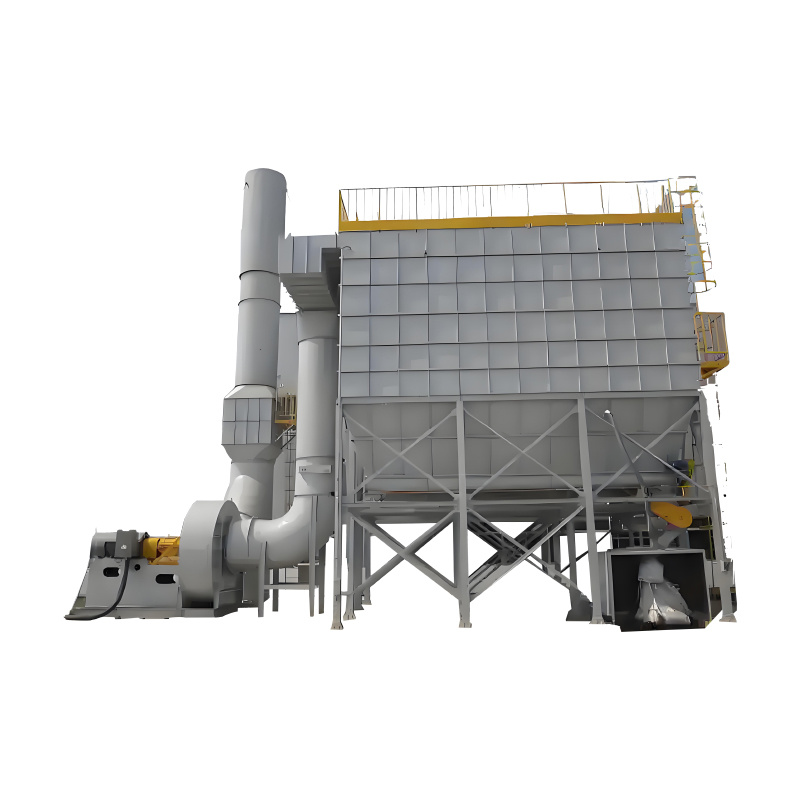
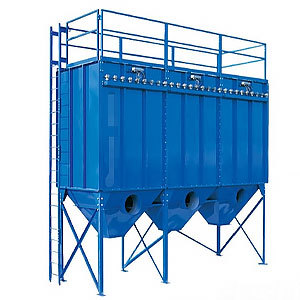
The filter cartridge dust collector is widely used in various industrial dust control scenarios due to its advantages of small size, high dust removal efficiency, and easy installation. In long-term operation, filter blockage and equipment air leakage are the two most common types of faults, which not only reduce dust removal efficiency, but also increase equipment load and shorten service life. This article summarizes the detailed causes and practical solutions of two types of faults, which facilitates the quick handling and restoration of equipment operation by maintenance personnel.
1、 Analysis and Solution of Filter Cartridge Blockage Fault
Blockage of the filter cartridge is the most common fault, which is manifested as an increase in equipment pressure difference, a decrease in suction force, and dust in the exhaust. In severe cases, it can cause the fan to overload. The core is that dust adheres to the surface of the filter material and cannot fall off, forming a plate after accumulation.
1. Main causes
The dust cleaning system has failed, with insufficient pulse blowing force and low frequency, making it impossible to effectively remove dust; Dust has high humidity and viscosity, and when it encounters water vapor, it clumps and adheres to the filter material; The dust concentration in the working condition exceeds the standard and exceeds the processing load of the filter cartridge; Improper selection of filter cartridge material, poor adaptability, and mismatch with dust characteristics; Long term operation without maintenance results in excessive dust accumulation on the filter material.
2. Practical solutions
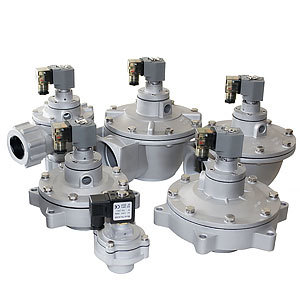
The first step is to adjust the cleaning parameters, shorten the spraying interval appropriately, increase the cleaning pressure, check whether the pulse valve and airbag are working properly, replace damaged diaphragms and solenoid valves, and ensure that the cleaning force meets the standard.
The second step is to do a good job in moisture prevention and control, seal the feed inlet, install dehumidification devices to prevent water vapor from entering the equipment, prevent dust from getting damp and clumping, and maintain ventilation and dryness in indoor working conditions.
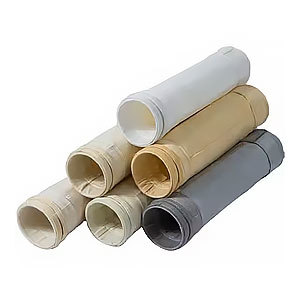
Step three, clean the dust accumulation in the filter cartridge. If there is slight blockage, offline dust cleaning and reverse blowing can be used; Severe blockage requires removal of the filter cartridge and reverse blowing with compressed air. Direct flushing with water is prohibited to prevent damage to the filter material.
The fourth step is to replace the adaptive filter cartridge. For high humidity, high viscosity, and high concentration dust, special filter media such as waterproof, oil proof, and film covering should be selected to improve the anti clogging performance.
Step five, establish a regular maintenance mechanism, regularly clean the accumulated dust in the ash hopper, avoid excessive dust accumulation and backflow, and increase the burden on the filter cartridge.
2、 Analysis and Solution of Equipment Air Leakage Fault
Air leakage can directly reduce the negative pressure suction of the equipment, resulting in incomplete dust collection and excessive exhaust. It can also allow cold air to enter the equipment, exacerbating the condensation and blockage of the filter cartridge. Air leakage is mostly concentrated at the connections between seals, pipelines, and shells.
1. Main causes
The sealing strips of maintenance doors and observation windows are aging, damaged, and not tightly closed; The filter cartridge is not installed properly, and the sealing gasket is not tightly compressed, resulting in gaps; Loose bolts and damaged sealing gasket at the flange connection of the pipeline; Cracking, collision, and damage to the welds on the equipment casing; The filter cartridge is damaged and the base seal is ineffective.
2. Practical solutions
The first step is to check the maintenance door and sealing components, replace aging or broken sealing strips, close the door lock tightly after closure, ensure a tight seal, and prevent air leakage from gaps.
Step 2, reinstall the filter cartridge, remove the filter cartridge to check the sealing gasket, replace the damaged gasket, align with the slot during installation, evenly compact, and ensure that the filter cartridge is tightly attached to the base.
Step three, inspect the pipeline and shell, tighten the flange connection bolts, and replace the aging sealing gasket; Repair the cracked part of the shell, polish the weld seam, seal and reinforce it, and eliminate the air leakage point.
Step four, investigate the damage of the filter cartridge. If it is found to be torn or perforated, immediately replace it with a new one to avoid direct discharge of dust, and repair the matching sealing components.
3、 Daily prevention tips
1. Check the installation status of seals and filter cartridges before starting up, regularly test the dust cleaning system, and identify potential hazards in advance.
2. Strictly control the humidity and dust concentration of the working conditions, avoid overloading operation, and extend the service life of the filter cartridge.
3. Regularly clean up accumulated dust, replace aging parts, maintain equipment properly, and reduce the incidence of malfunctions.
Hot Tags:
PREVIOUS:

Contact Us
Tel:
WeChat:
WhatsApp:
E-mail:
Address:
338 National Road South, Longfengdian Village, Botou City, Hebei Province, China
JiuznTomine is expertly delivering technically complicated projects in markets & provides custom solutions for their customized need.


CONTACT INFO
Tel: +86 18531710311
WeChat: +86-18531710311
338 National Road South, Longfengdian Village, Botou City, Hebei Province, China