











Interpretation of common fault codes for bag filter and quick identification of problems
Mar 30,2026

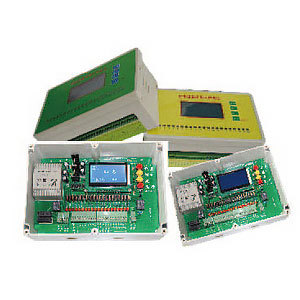
Bag filters are commonly used for industrial dust control, and equipment equipped with automatic control systems will prompt abnormalities through fault codes, saving time for manual troubleshooting. This article compiles common fault codes for mainstream models, providing a clear explanation of the meaning, causes, and simple troubleshooting methods, making it convenient for on-site operation and maintenance personnel to quickly locate and solve problems.
1、 Differential pressure fault code
E01/AL01- High pressure difference
Fault meaning: The pressure difference between the inlet and outlet of the dust collector exceeds the set threshold.
Common causes: clogged filter bags, failure of cleaning system, long cleaning cycle, excessive dust accumulation, pipe blockage due to dust accumulation, abnormal opening of air door.
Solution: Shorten the cleaning interval and strengthen the cleaning force; Check the working status of the pulse valve and airbag; Clean the dust accumulation on the filter bag and unclog the pipeline; Check if the unloader is discharging ash normally; Adjust the opening of the air door.
E02/AL02- Low pressure difference
Fault meaning: The system pressure difference is far below the normal value.
Common causes: damage and detachment of filter bags, air leakage in pipelines, inadequate closure of air doors, failure of shell sealing, and malfunction of differential pressure sensors.
Solution: Check the integrity of the filter bag and replace the damaged filter bag; Inspect the sealing of the shell and pipeline; Calibrate or replace the differential pressure sensor; Check the closed status of the air door.
2、 Temperature related fault codes
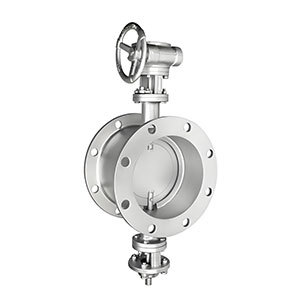
E03/AL03- Flue gas overheating
Fault meaning: The inlet flue gas temperature exceeds the equipment's tolerance limit.
Common causes: sudden temperature rise in front-end operating conditions, failure of mixed air cooling device, and malfunction of temperature measurement probe.
Solution: Activate cooling measures, check the cold air valve and mixing device; Check for abnormal front-end operating conditions; Calibrate and replace the temperature sensor.
E04/AL04- Low temperature/condensation warning
Fault meaning: If the flue gas temperature is lower than the dew point, condensation, bag sticking, and corrosion are likely to occur.
Common causes: low ambient temperature, high smoke humidity, ineffective insulation measures, and false alarms from probes.
Solution: Turn on the insulation or preheating device to increase the temperature of the flue gas; Check the insulation layer of the equipment; Reduce the humidity of flue gas; Calibrate the sensor.
3、 Dust cleaning system fault code
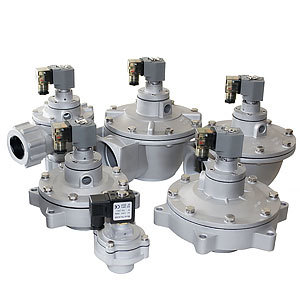
E05/AL05- Pulse valve malfunction
Fault meaning: Electromagnetic pulse valve does not operate, abnormal spraying.
Common causes: burnt solenoid valve, broken circuit, insufficient airbag pressure, damaged diaphragm, stuck valve core.
Solution: Check the circuit wiring and replace the damaged solenoid valve; Replace the diaphragm and clean the valve core; Check the air pressure to ensure sufficient gas supply.
E06/AL06- Insufficient dust cleaning pressure
Fault meaning: The compressed air pressure for dust cleaning does not meet the standard.
Common causes: air compressor failure, air pipe leakage, air bag leakage, pressure sensor failure.
Solution: Inspect the air compressor and repair the leaking pipeline; Check the sealing of the airbag; Calibrate the pressure sensor.
4、 Power and ash removal system fault codes
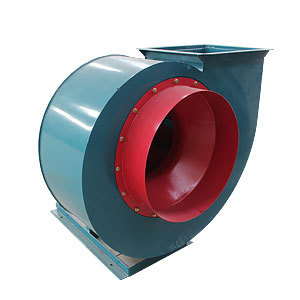
E07/AL07- Fan Overload/Fault
Fault meaning: The induced draft fan current exceeds the standard, stops, and operates abnormally.
Common causes: damage to fan bearings, overheating of motors, blockage of air ducts, excessive load, and circuit faults.
Solution: Stop the machine for maintenance of the motor and bearings; Clean up dust accumulation in the air duct; Check the circuit and reset the overload protection.
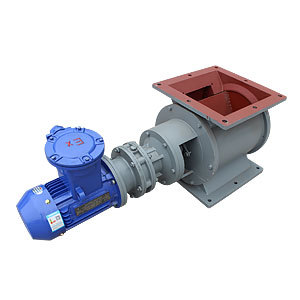
E08/AL08- Unloader malfunction
Fault meaning: The star shaped unloader is stuck, not rotating, and the motor is overloaded.
Common causes: dust agglomeration and jamming, motor burnout, bearing damage, and foreign object entry.
Solution: Stop the machine to clean up clumped dust and foreign objects; Repair motors and bearings; Check the transmission components.
5、 Other common fault codes
E09/AL09- Abnormal Air Leakage
Fault meaning: The equipment's air leakage rate exceeds the standard, affecting the dust removal efficiency.
Common causes: aging of maintenance door seals, cracking of pipeline welds, failure of flange seals, and loosening of filter bag openings.
Solution: Replace the sealing strip and repair the air leakage point; Tighten the flange bolts and tighten the filter bag mouth.
E10/AL10- Sensor malfunction
Fault meaning: Malfunction of probes for differential pressure, temperature, pressure, etc., and loss of signals.
Common causes: line short circuit, probe dust blockage, probe damage, abnormal power supply.
Solution: Clean the dust on the surface of the probe; Check the wiring; Calibrate the sensor and replace it directly if it is damaged.
E11/AL11- System emergency stop/interlock protection
Fault meaning: The equipment triggers a safety interlock and automatically shuts down for protection.
Common causes: over temperature and over pressure, motor overload, manual emergency stop, safety door opening.
Solution: Investigate front-end faults and eliminate safety hazards; Close the maintenance door and reset the emergency stop button; Restart the system.
Remarks
1. The fault codes of different manufacturers and control systems may vary slightly. This article is a general mainstream code, and the specific specifications are subject to the equipment manual.
2. After a malfunction occurs, priority should be given to identifying external causes that are easy to handle (blockage, air leakage, sensors) before repairing the core components.
3. During maintenance under high temperature and explosion-proof conditions, it is necessary to comply with safety regulations and operate only after shutting down the machine, cutting off power and gas.
Hot Tags:
PREVIOUS:


Contact Us
Tel:
WeChat:
WhatsApp:
E-mail:
Address:
338 National Road South, Longfengdian Village, Botou City, Hebei Province, China
JiuznTomine is expertly delivering technically complicated projects in markets & provides custom solutions for their customized need.


CONTACT INFO
Tel: +86 18531710311
WeChat: +86-18531710311
338 National Road South, Longfengdian Village, Botou City, Hebei Province, China