












Selection of dust collectors in the metallurgical industry: requirements for high temperature resistance performance
Mar 28,2026

The metallurgical industry has complex production processes, such as sintering, smelting, rolling, and furnace operations, which generate a large amount of high-temperature dust and flue gas, with large temperature fluctuations. Some working conditions are also accompanied by corrosiveness and high humidity, which require extremely high temperature resistance performance of dust collectors. Once the selection does not meet the high temperature resistance standards, problems such as filter material burning, equipment deformation, overall machine failure, and dust removal failure are highly likely to occur. To ensure stable operation of equipment and meet emission standards, it is necessary to strictly control the key points of high-temperature resistance selection and match equipment and accessories with the on-site working conditions.
1、 Characteristics of flue gas temperature in metallurgical industry
The temperature range of flue gas in metallurgical working conditions is large, with a conventional operating range of 120 ℃ -300 ℃. In some special furnaces and high-temperature discharge processes, the instantaneous temperature of flue gas can reach over 400 ℃, and even sparks and high-temperature particles may appear. Moreover, smoke is often not simply high temperature, but also mixed with acidic gases, metal dust, and water vapor. High temperature can exacerbate corrosion and wear, further improving the heat and damage resistance threshold of equipment.
Unlike normal temperature dust removal conditions, metallurgical dust removal cannot be applied to conventional normal temperature equipment. It must be based on the actual operating temperature, temperature fluctuation amplitude, and flue gas composition as the core criteria, with priority given to meeting high temperature resistance indicators, while also considering dust removal efficiency and operation and maintenance costs.
2、 Selection requirements for high temperature resistance of core components
1. Selection of filter material
Filter material is a high-temperature resistant core component, and its material directly determines the upper limit of equipment temperature resistance. It is strictly prohibited to use room temperature filter material.
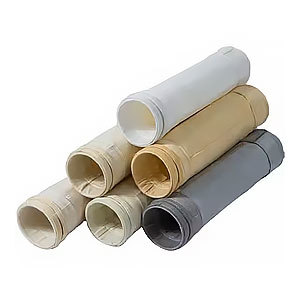
For conventional high temperature conditions with a temperature ≤ 180 ℃, * * Metas and Flumes * * filter materials are selected, which are heat-resistant, stable, acid and alkali resistant, cost-effective, and suitable for dust removal in most metallurgical room temperature ranges; * * P84, glass fiber membrane covered * * filter media are selected for medium and high temperature working conditions with a temperature of 180 ℃ -280 ℃, which has stronger high temperature resistance, heat shrinkage resistance and aging resistance; For ultra-high temperature conditions above 280 ℃, basalt filter media and metal filter media are selected to withstand instantaneous high temperatures and adapt to harsh environments such as furnaces and smelting exhaust gases.
All filter media must have good thermal stability, and operate at high temperatures for a long time without shrinkage, brittleness, or failure.
2. Selection of skeleton and shell materials
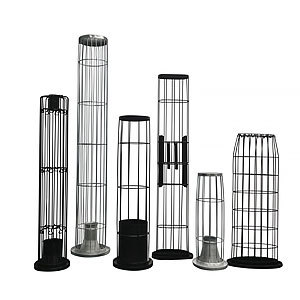
The dust removal framework should abandon ordinary carbon steel and use * * high-temperature resistant carbon steel and stainless steel 304/316 material * * to prevent high temperature softening and deformation, and prevent the filter bag from being stretched and broken; The surface can be sprayed with organic silicon at high temperature to enhance heat resistance and corrosion resistance.
The equipment shell is made of thickened high-temperature resistant steel plate, reinforced with support structure, to avoid deformation and air leakage caused by high temperature heating, ensuring the sealing and structural stability of the equipment.
3. Sealing and accessory selection
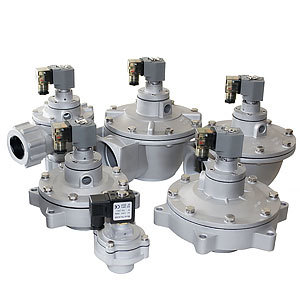
Ordinary rubber materials are prohibited for seals and rubber rings. High temperature resistant accessories such as fluororubber and silicone rubber are used to prevent high temperature melting, aging, and air leakage; Pneumatic components such as valves and pulse valves also need to be matched with high-temperature working conditions to ensure normal start stop in high-temperature environments.
3、 System supporting high temperature resistance design
For flue gas with ultra-high temperature and sparks, it is necessary to install flame arresters, cooling flues, and mixed air cooling devices to reduce the temperature of the flue gas in advance and prevent sparks from burning through the filter material; Reasonably design the air duct to avoid local heat accumulation, sudden temperature rise and drop, and reduce thermal stress damage.
Simultaneously equipped with * * temperature monitoring and over temperature alarm * * devices, real-time monitoring of flue gas temperature, automatic activation of cooling measures after exceeding the standard, to protect equipment safety.
4、 Key points for selecting other supporting equipment
In addition to high temperature resistance, dust characteristics should also be taken into account. Metallurgical dust is mostly hard metal particles with strong wear resistance, and the filter material needs to have a certain degree of wear resistance; In working conditions with acidic flue gas, the filter material and metal fittings need to be resistant to acid and alkali corrosion to avoid accelerated corrosion loss at high temperatures.
The preferred cleaning method is pulse cleaning, which is suitable for high temperature conditions. The cleaning force is sufficient to prevent high-temperature dust from sticking to the bag and ensure stable dust removal efficiency.
5、 Selection Summary
High temperature resistance is the first criterion for selecting dust collectors in the metallurgical industry. First, measure the long-term operating temperature and instantaneous peak temperature of the flue gas, and then match the corresponding temperature resistant filter material, material, and supporting equipment, taking into account both wear resistance and corrosion resistance.
Only by not blindly selecting ultra high end accessories, nor lowering heat resistance standards, and selecting products that are suitable for actual working conditions, can the equipment operate stably for a long time, reduce downtime for maintenance, and meet environmental emission requirements.
Hot Tags:
PREVIOUS:

Contact Us
Tel:
WeChat:
WhatsApp:
E-mail:
Address:
338 National Road South, Longfengdian Village, Botou City, Hebei Province, China
JiuznTomine is expertly delivering technically complicated projects in markets & provides custom solutions for their customized need.


CONTACT INFO
Tel: +86 18531710311
WeChat: +86-18531710311
338 National Road South, Longfengdian Village, Botou City, Hebei Province, China