











Dust removal skeleton material: Comparison and selection between carbon steel and stainless steel
Mar 28,2026

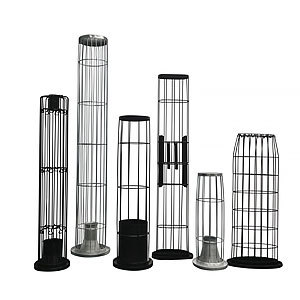
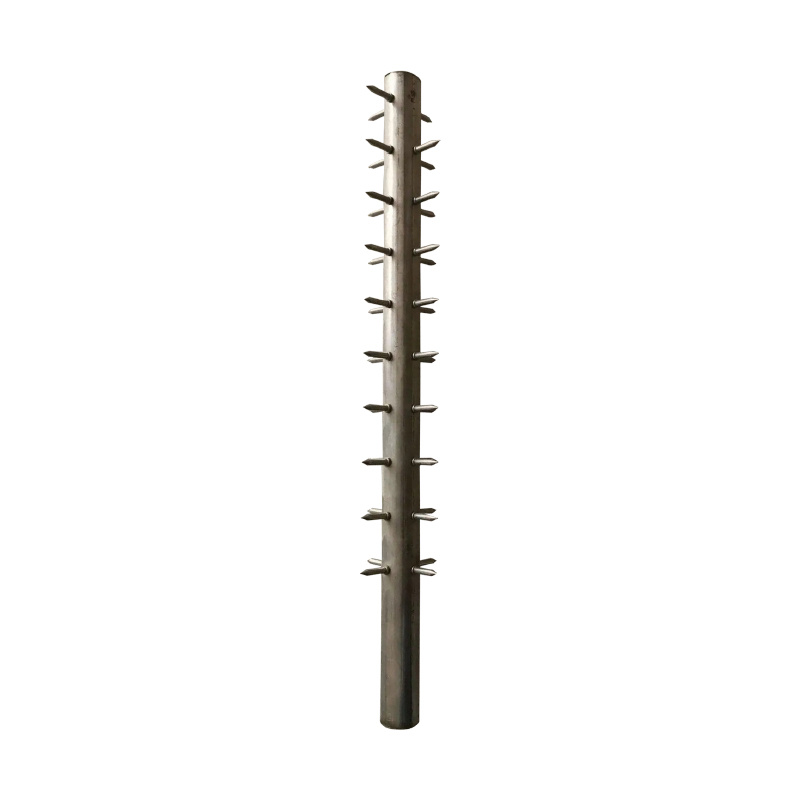
The dust removal skeleton is the core supporting component of the bag filter, and its material directly determines the durability, corrosion resistance, and adaptability to working conditions of the skeleton. The mainstream materials on the market are carbon steel and stainless steel. Both types of materials have their own applicable scenarios, with significant differences in cost and performance. When selecting, there is no need to blindly pursue high priced materials. The best solution is to fit the working conditions and match the requirements.
1、 Basic performance comparison
1. Carbon steel dust removal framework
Carbon steel is a common alloy material with sufficient mechanical strength and stable support performance, which can meet the stress requirements of conventional dust removal conditions. The texture is relatively hard, not easily deformed or bent, with low processing difficulty, mature production technology, complete size specifications, and suitable for the vast majority of conventional filter bag models.
Carbon steel itself does not have anti-corrosion ability. When exposed to moisture, acid and alkali substances, it is prone to rusting. After rusting, the surface will become rough, which not only scratches the filter bag but also adheres to dust, causing bag sticking and affecting dust removal efficiency. It must be treated with surface anti-corrosion before it can be put into use.
2. Stainless steel dust removal framework
Stainless steel contains alloy elements such as chromium and nickel, and has excellent anti-corrosion and rust prevention properties. The commonly used models are 304 stainless steel and 316 stainless steel, which have strength comparable to carbon steel and far exceed the high temperature resistance, acid and alkali resistance, and moisture resistance of ordinary carbon steel.
The surface of the material is smooth and dense, and it will not rust or peel after long-term use. It can minimize the friction and damage of the filter bag, and has strong stability. No additional surface anti-corrosion treatment is required, making it suitable for harsh and complex working conditions. The disadvantage is that the raw material cost is high, the processing difficulty is slightly higher, and the overall cost is much higher than carbon steel.
2、 Applicable working condition differentiation
1. Applicable scenarios for carbon steel skeleton
Suitable for normal working conditions at room temperature, dry, and non corrosive, such as dust treatment in ordinary workshops, woodworking dust, mining drying dust, metallurgical room temperature dust, etc. The ambient temperature is controlled within 130 ℃, the air is dry, and the dust does not contain corrosive substances such as acid, alkali, oil, etc. The use of carbon steel skeleton is sufficient to meet the usage requirements.
2. Applicable scenarios for stainless steel skeleton
Suitable for harsh working conditions with high temperature, high humidity, and corrosiveness, such as acidic and alkaline dust in the chemical industry, humid dust in the food and pharmaceutical industry, high-temperature flue gas dust removal, and humid salt spray environments at the seaside. 304 stainless steel is suitable for conventional corrosion conditions, while 316 stainless steel is suitable for harsh conditions such as strong acid and alkali, high salt spray, and ultra-high temperature. Its durability and stability far exceed carbon steel.
3、 Surface treatment and service life
To extend the service life of carbon steel skeleton, surface anti-corrosion treatment must be carried out. Common processes include galvanizing, spraying, and organic silicon spraying. Ordinary galvanizing treatment is suitable for dry and normal temperature conditions, with a service life of 2-3 years; Organic silicon spray coating is resistant to high temperature and corrosion, with a lifespan of up to 3-5 years. Once the surface coating is damaged, the internal carbon steel will quickly corrode, significantly reducing the overall lifespan.
The stainless steel skeleton comes with anti-corrosion properties and does not require additional coatings. It is not easy to rust or deform under normal use, and its service life can reach 8-10 years or even longer. The long-term operation failure rate is extremely low, and the maintenance workload in the later stage is minimal.
4、 Cost and cost-effectiveness
Carbon steel skeleton raw materials are cheap, processing costs are low, prices are affordable, and initial investment is low. It is suitable for scenarios with limited budgets and mild working conditions, and has extremely high cost-effectiveness for short-term use.
Stainless steel skeleton raw materials are expensive, processing costs are high, and the selling price is several times that of carbon steel skeleton. The initial investment is large, but the service life is long, maintenance costs are low, and long-term operation is more cost-effective. It is suitable for harsh working conditions, can reduce replacement frequency, and reduce downtime losses.
5、 Selection Summary
The selection of dust removal skeleton material depends on the working conditions: it is dry at room temperature, non corrosive, and pursues low cost. The preferred choice is * * carbon steel skeleton * *, combined with appropriate surface anti-corrosion treatment; High temperature, high humidity, acid and alkali corrosion, harsh environment, focus on long-term durability, choose * * stainless steel skeleton * *, select 304 or 316 models according to corrosion strength.
Suitable selection of working conditions can ensure stable operation of dust removal equipment, extend the service life of filter bags, and control costs to avoid material waste.
Hot Tags:


Contact Us
Tel:
WeChat:
WhatsApp:
E-mail:
Address:
338 National Road South, Longfengdian Village, Botou City, Hebei Province, China
JiuznTomine is expertly delivering technically complicated projects in markets & provides custom solutions for their customized need.


CONTACT INFO
Tel: +86 18531710311
WeChat: +86-18531710311
338 National Road South, Longfengdian Village, Botou City, Hebei Province, China