












Electrostatic precipitator ignition failure, safe handling methods
Mar 31,2026

Electrostatic precipitators, with their advantages of high air volume and high efficiency, are widely used in industrial high-temperature flue gas and dust control scenarios such as power plants, metallurgy, and chemical industries. Spark failure is a common safety hazard during its operation, which not only damages equipment components (such as plates and wires), reduces dust removal efficiency, but may also cause fires and explosions in severe cases. Especially when dealing with flammable and explosive dust, timely and standardized handling is necessary.
1、 The core cause of ignition failure in electrostatic precipitators
The essence of ignition failure is that the electric field strength between electrodes is too high, which breaks through the gas insulation limit and generates arc discharge. The common causes are mainly divided into four categories, and accurate determination of the causes can improve processing efficiency:
1. Excessive electrode dust accumulation: The surface area of the electrode plate and electrode wire is covered with dust clumps, resulting in a decrease in electrode spacing, concentration of electric field strength, and local ignition;
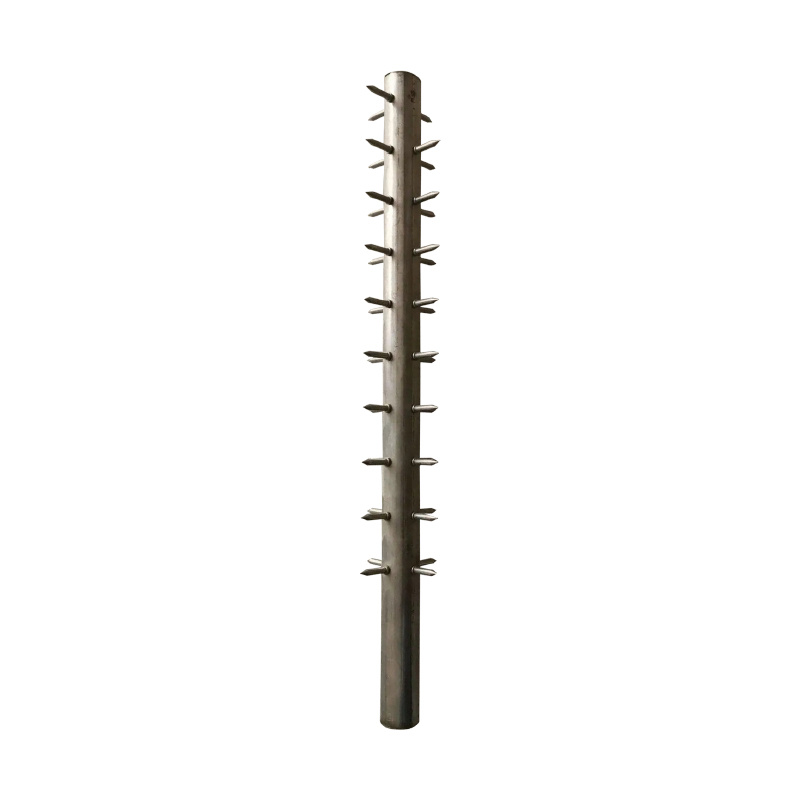
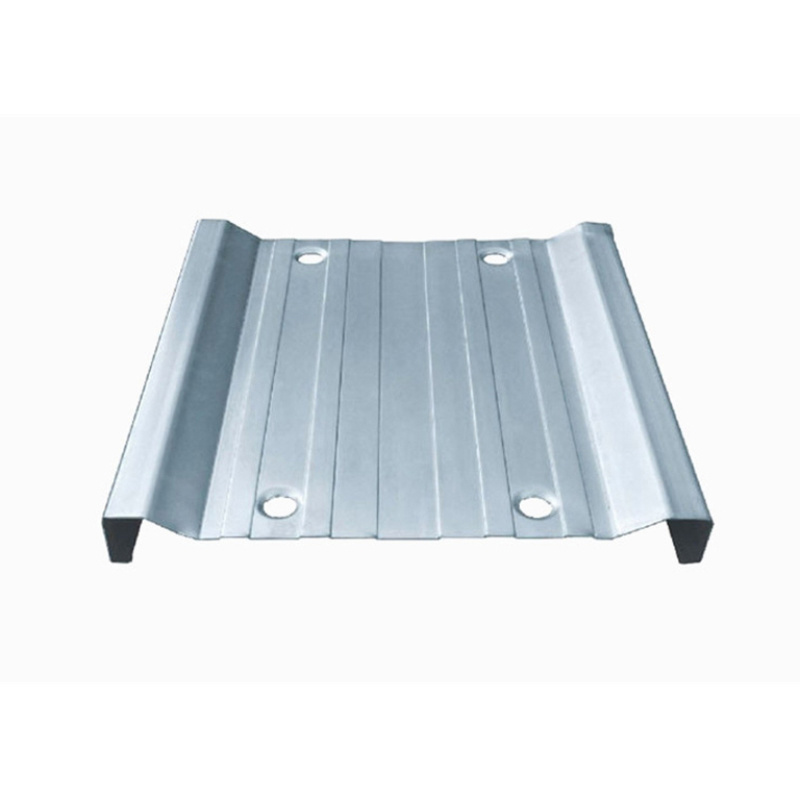
2. Electrode deformation or displacement: breakage or bending of electrode wires (such as barbed wires), deformation of electrode plates, resulting in uneven electrode spacing and excessive local electric field;
3. Abnormal operating parameters: The high voltage supply voltage and current are set too high, exceeding the equipment's adaptation range, resulting in electric field breakdown and ignition;
4. Other causes: Abnormal humidity and temperature of flue gas, leading to a decrease in insulation performance; The equipment is not tightly sealed, and external debris enters the electrode gap; Aging and damage of insulation components can cause electrical leakage and ignition.
2、 Safe handling process for ignition failure of electrostatic precipitator
The handling of ignition faults must strictly follow the process of "shutdown → troubleshooting → handling → reset", and live operation is strictly prohibited. Safety protection should be taken throughout the process:
1. Emergency shutdown, cutting off safety hazards (the first step, the most important)
Immediately press the emergency stop button of the equipment, cut off the high-voltage power supply, and at the same time, cut off the power supply of related equipment such as fans and feeders. Hang a warning sign that reads "Equipment maintenance, no closing" to prevent safety accidents caused by misoperation; Operation and maintenance personnel need to wear protective equipment such as insulated gloves and shoes. After the equipment is completely powered off and the electrode discharge is completed (usually waiting for 10-15 minutes), they can enter the maintenance area.
2. Conduct a comprehensive investigation and locate the source of the ignition
Based on the above causes, investigate point by point and accurately find the ignition location:
-Visual inspection: Open the equipment maintenance door and observe whether there is dust accumulation, clumping, deformation, fracture, or displacement on the electrode plates and wires, with a focus on checking whether the electrode spacing is uniform;
-Component inspection: Check whether the insulation components (insulators, insulation sleeves) are damaged, aged, or condensed, and whether the high-voltage cables have signs of damage or leakage;
-Parameter verification: Check the voltage and current parameters of the high-voltage power supply device to confirm whether they exceed the rated range of the equipment and whether there are any abnormal parameter settings.
3. Targeted handling to thoroughly solve the problem
According to the investigation results, corresponding measures should be taken to avoid perfunctory handling that may lead to repeated failures:
-Electrode dust treatment: Use compressed air blowing or manual cleaning (strictly prohibit hitting the electrode plate and wire with hard objects) to remove the dust and clumps on the surface of the electrode plate and wire, ensuring the cleanliness of the electrode surface;
-Electrode deformation treatment: Correct bent and offset pole wires and plates, replace broken pole wires (such as barbed wires), adjust electrode spacing to ensure uniform spacing and compliance with equipment design standards;
-Parameter adjustment: Reduce the high-voltage power supply voltage and current to the rated range. If the parameters are not suitable due to changes in flue gas conditions, they can be gradually adjusted until the equipment runs stably without ignition;
-Other treatments: replace aging or damaged insulation components and high-voltage cables; Repair the sealing of the equipment to prevent debris from entering; If the humidity and temperature of the flue gas are abnormal, adjust the operating parameters and take moisture-proof and cooling measures for the equipment.
4. Reset and test run to confirm that the fault has been eliminated
After the processing is completed, remove the warning signs, gradually restore the power supply to the equipment, conduct a no-load trial run first, observe the operating status of the equipment, and check if there is still any ignition phenomenon; After the no-load operation is normal, put it back into normal working conditions and continue monitoring for 1-2 hours to confirm that the fault has been completely eliminated and the equipment is running stably.
3、 Precautions for safe handling
1. Live operation is strictly prohibited throughout the process. After the equipment is powered off, it must wait for the plates to fully discharge before conducting maintenance to prevent electric shock;
2. When dealing with ignition faults under flammable and explosive dust conditions, it is necessary to first check whether there is dust accumulation on site, take explosion-proof measures, and avoid ignition causing explosions;
3. When cleaning up accumulated dust and calibrating electrodes, avoid scratching the electrode plates and wires with hard objects to prevent damage to equipment components and affect dust removal efficiency;
4. After troubleshooting, it is necessary to record the process, causes, and measures taken to facilitate the subsequent investigation of similar faults and optimize equipment operation and maintenance plans.
4、 Key points for preventing ignition faults
1. Regularly clean the accumulated dust on the electrode plates and wires, establish a normalized operation and maintenance mechanism, and avoid dust accumulation and agglomeration;
2. Regularly check the status of electrodes, insulation components, and high-voltage cables, replace aging and damaged parts in a timely manner, and correct deformed electrodes;
3. Adjust the high-voltage power supply parameters reasonably according to the changes in flue gas conditions to avoid electric field breakdown caused by excessively high parameters;
4. Take measures to seal, moisture-proof, and cool down the equipment, ensure its insulation performance, and prevent external debris from entering the electrode gap.
The core of handling the ignition fault of electrostatic precipitator is to first cut off the power to ensure safety, then search for the source, and finally deal with it to prevent recurrence. Standardized operation can not only quickly solve faults, but also extend the service life of equipment, avoid safety accidents, and adapt to the daily operation and maintenance needs of various industrial electrostatic precipitators.
Hot Tags:
PREVIOUS:
Contact Us
Tel:
WeChat:
WhatsApp:
E-mail:
Address:
338 National Road South, Longfengdian Village, Botou City, Hebei Province, China
JiuznTomine is expertly delivering technically complicated projects in markets & provides custom solutions for their customized need.


CONTACT INFO
Tel: +86 18531710311
WeChat: +86-18531710311
338 National Road South, Longfengdian Village, Botou City, Hebei Province, China