











Low efficiency of dust collector: problem investigation and solution ideas
Mar 25,2026

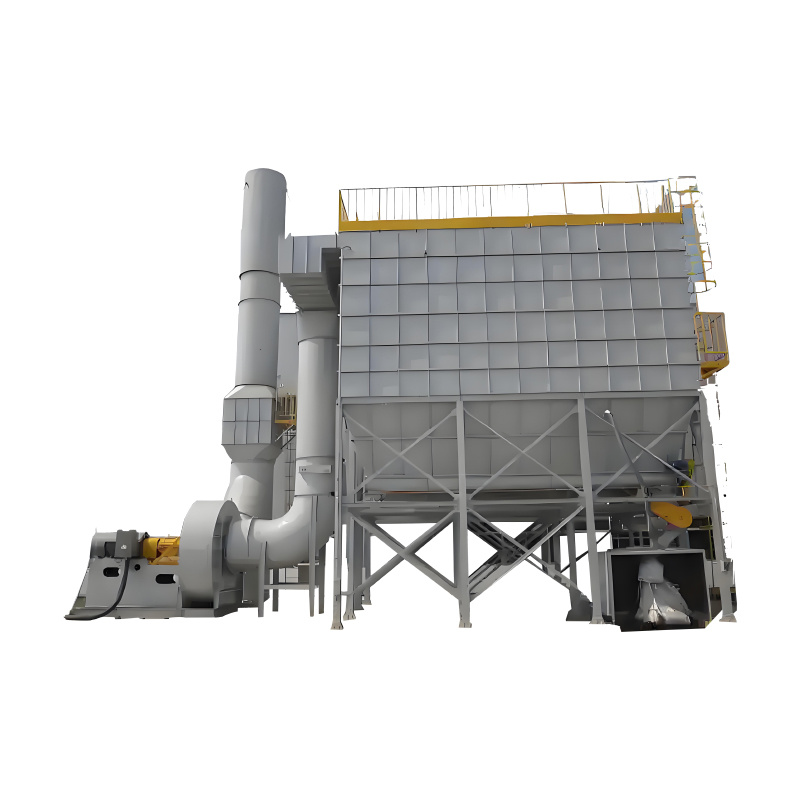
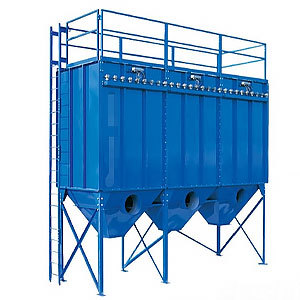
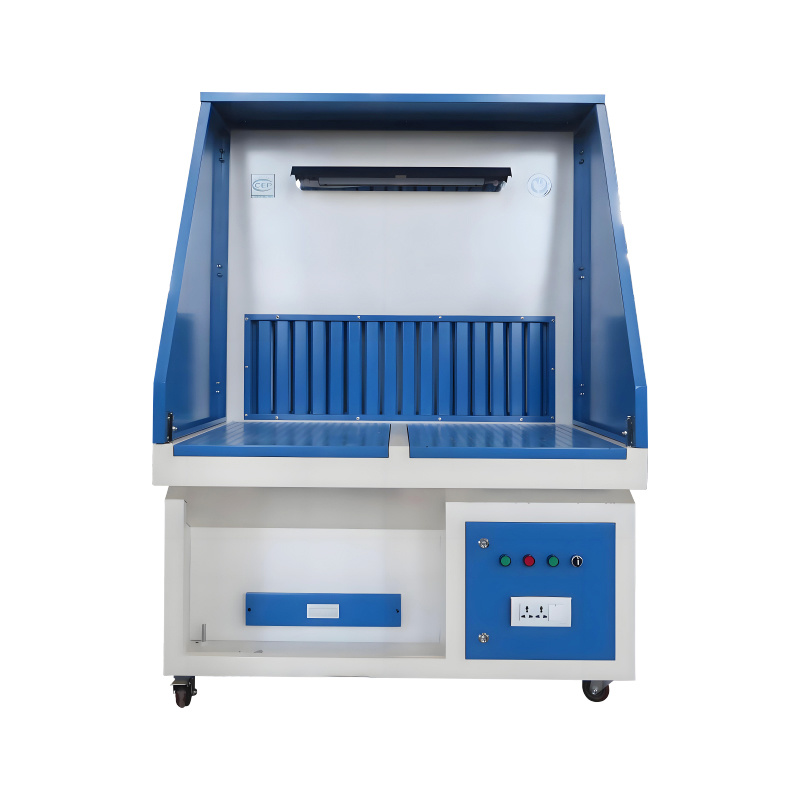
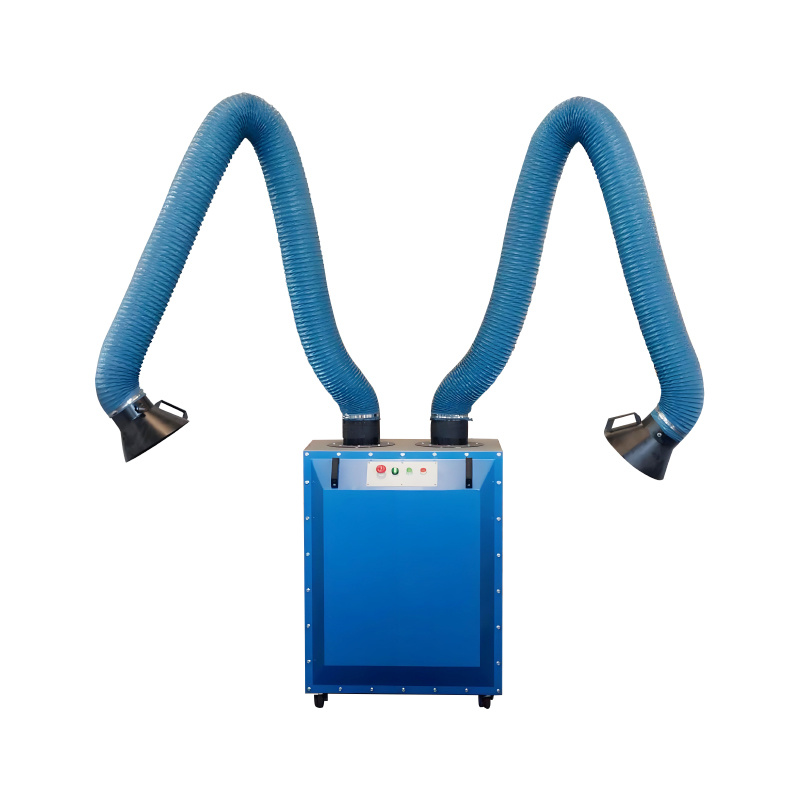
Dust collector is the core equipment for industrial waste gas purification and environmental emission standards, covering mainstream types such as cyclone, bag, filter cartridge, and electrostatic discharge. In actual operation, efficiency decline and excessive dust emissions are high-frequency pain points, with the root causes mainly concentrated in four categories: equipment selection mismatch, abnormal operating parameters, component aging and wear, and system air leakage and blockage.
1、 First, conduct precise investigation: identify the core causes of low efficiency
The low dust removal efficiency is not caused by a single factor. First, investigate in the order of "easy to difficult", quickly identify the root cause, and avoid blind rectification:
1. Verify the compatibility between the equipment and the working conditions: check whether the equipment's processing air volume, filtration area, temperature and corrosion resistance match the current dust concentration, particle size, humidity, and temperature; Small selection, insufficient air volume, and unsuitable filter material are the main reasons for inherent low efficiency.
2. Check the system for air leakage: Focus on inspecting the shell welds, maintenance doors, flange interfaces, ash discharge valves, and pipeline connections. Air leakage in the negative pressure section can dilute the dusty airflow, damage the flow field, and directly lower the separation/filtration efficiency.
3. Check for blockages and dust accumulation: Check for dust accumulation in the air duct, filter material, and ash hopper. Dust adhesion and bridging blockages can cause poor airflow and ineffective filtration or centrifugal separation functions.
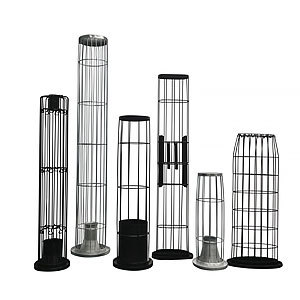
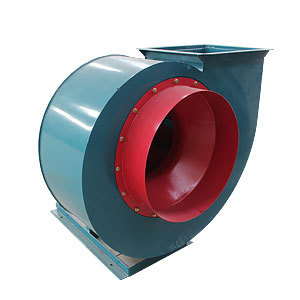
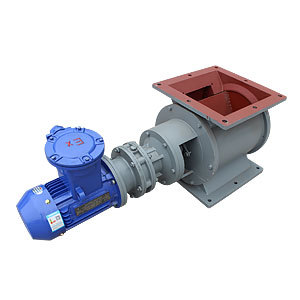
4. Verify the status of core components: whether the filter bag/filter cartridge is damaged or aged; Whether the wind pressure and air volume of the fan meet the standard; Whether the dust cleaning system (pulse blowback, vibration) is operating normally; Is the ash unloading mechanism stuck.
2、 Classification based targeted solution: efficient rectification plan
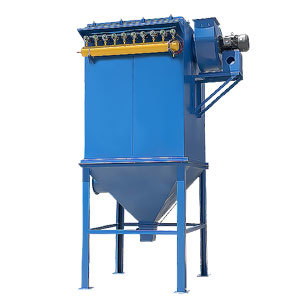
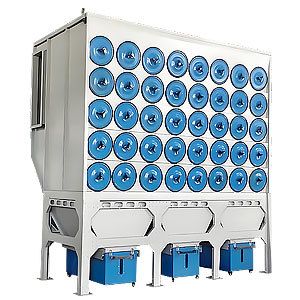
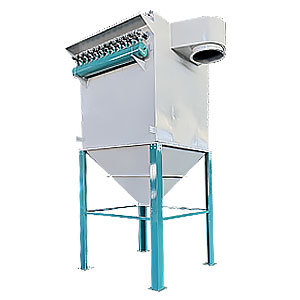
1. Low efficiency rectification of filter dust collector (bag/filter cartridge)
The low efficiency of filtering equipment is often related to filter media, dust cleaning, and air leakage. Priority should be given to rectifying the three key points:
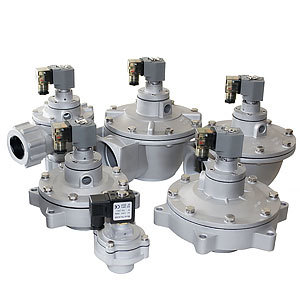
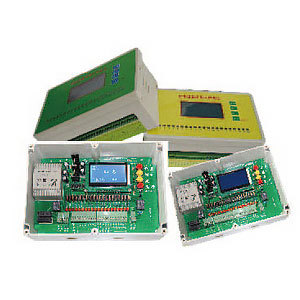
1. Standardize the cleaning mode: adjust the pulse blowback pressure, frequency, and interval. If the pressure is too high, it is easy to tear the filter material, and if it is too low, the cleaning will not be thorough; Eliminate excessive dust accumulation and resistance surge caused by long cleaning intervals in the filter material.
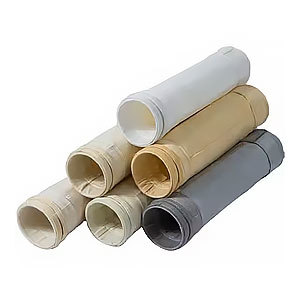
2. Replace failed filter media: Replace the filter media immediately if it is damaged, stuck in bags, hardened, or has poor breathability. Choose high temperature resistant, anti adhesive, and corrosion-resistant filter media according to the characteristics of dust to prevent dust short circuit penetration.
3. Block air leaks+unblock blockages: Use sealing gaskets and high-temperature resistant glue to block the leak points, clean up the accumulated dust on the flower board and the dust on the ash hopper bridge, and ensure that the airflow passes evenly through the filter material.
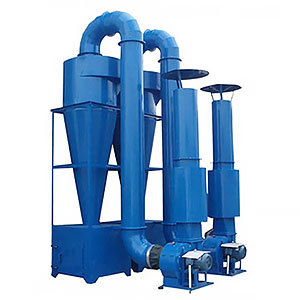
2. Inefficient rectification of cyclone dust collector
Cyclone equipment relies on centrifugal force for separation, and the root cause of low efficiency is often flow field disorder and parameter imbalance
1. Calibrate the inlet wind speed: Control it within a reasonable range of 12-20m/s. If the wind speed is too low, the centrifugal force will be insufficient, and if it is too high, it will intensify secondary dust. Stabilize the air flow by adjusting the valve.
2. Optimize structural defects: repair deformed cylinder bodies and worn exhaust pipes, adjust the insertion depth of exhaust pipes to prevent airflow short circuits; Ensure that the inclination angle of the ash hopper meets the standard to avoid dust accumulation and secondary suction.
3. General rectification of other types of dust collectors
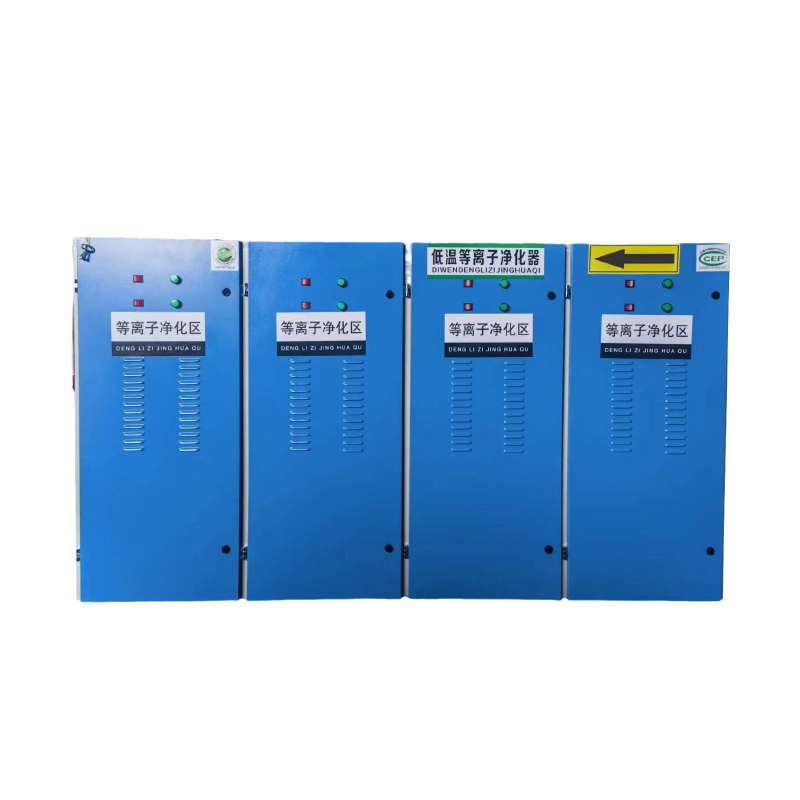
1. Electrostatic precipitator: Check the electric field voltage, cleanliness of electrode plates and wires, remove accumulated dust, repair deformed electrodes, and ensure normal ionization discharge.
2. Wet dust collector: Check the spray water volume and atomization effect, clean nozzle blockage, ensure sufficient gas-liquid contact, regularly replace circulating water to avoid impurity accumulation.
3、 Long term control: avoid repeated efficiency decline
1. Establish a regular operation and maintenance mechanism: regularly clean up dust, inspect components, calibrate parameters, promptly deal with minor hidden dangers, and prevent small problems from turning into efficiency drops.
2. Strictly control the fluctuation of working conditions: avoid excessive temperature, humidity, and concentration of dust entering the equipment, and install pre-treatment devices (such as pre separators and dryers) for special dust.
3. Eliminate illegal operations: Strictly start and stop equipment according to regulations, prohibit fan overload and negative pressure exceeding standards, and maintain stable system operating conditions.
Core Summary
To solve the problem of low efficiency in dust collectors, follow the logic of "first identifying air leaks and blockages, then calibrating operating parameters, replacing faulty components, and finally optimizing working condition adaptation". Timely technological upgrades for congenital selection defects and closed-loop rectification of operational omissions can not only quickly restore dust removal efficiency, but also ensure long-term stable operation of equipment.
Hot Tags:
PREVIOUS:

Contact Us
Tel:
WeChat:
WhatsApp:
E-mail:
Address:
338 National Road South, Longfengdian Village, Botou City, Hebei Province, China
JiuznTomine is expertly delivering technically complicated projects in markets & provides custom solutions for their customized need.


CONTACT INFO
Tel: +86 18531710311
WeChat: +86-18531710311
338 National Road South, Longfengdian Village, Botou City, Hebei Province, China