











How to extend the service life of the polishing and dust removal workbench? Practical operation and maintenance skills
Mar 25,2026

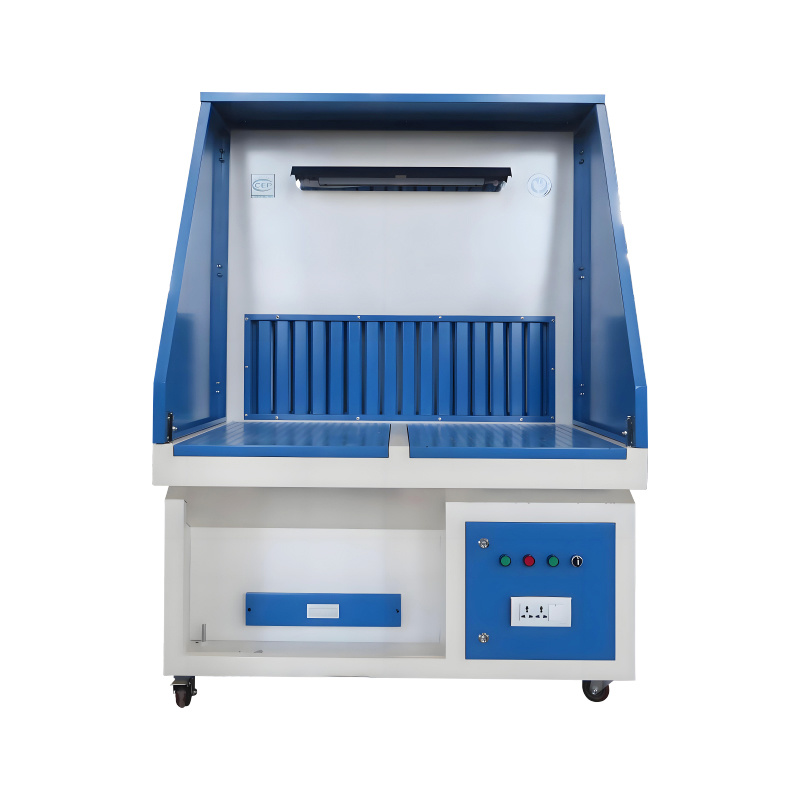
The polishing and dust removal workbench is a commonly used dust purification equipment in industries such as hardware, building materials, and mechanical processing. It integrates polishing operations with on-site dust removal. Long term exposure to high dust, high friction, and high vibration conditions can easily lead to problems such as filter material blockage, component wear, and fan failure. To extend the service life of equipment and reduce replacement costs, the core lies in standardized operation, scheduled maintenance, and precise protection.
1、 Strictly control usage standards and reduce losses from the source
Violation of regulations is the main cause of premature aging of equipment, and operating in accordance with the rated parameters of the equipment can avoid most of the hard damages.
1. Do not operate under overload: strictly follow the rated polishing power and processing air volume of the equipment, prohibit overloading polishing large and hard workpieces, avoid long-term overload heating of motors and fans, burn coils, and shorten bearing life.
2. Prevent foreign objects from entering: Clean the workbench before operation to prevent metal debris, welding slag, and hard particles from entering the dust removal duct and filter cartridge area, and to avoid scratching the filter material and wearing out the fan impeller; It is strictly prohibited for liquids or oil stains to drip onto the countertop to prevent filter material from forming and air ducts from rusting.
3. Compliance with start stop operation: Start the dust removal fan first, and then carry out the polishing operation; After the homework is completed, turn off the fan after a delay of 3-5 minutes to ensure that the residual dust in the air duct is completely suctioned and emptied, reducing dust accumulation and adhesion.
2、 Regular cleaning and maintenance to eliminate the hidden dangers of dust accumulation and corrosion
Dust accumulation is the core cause of filter material failure and component corrosion, and regular cleaning is a key step in extending lifespan. It does not require complex operations and can be normalized.
1. Cleaning of countertop and primary dust filter: After daily work, clean up the waste residue and floating dust on the workbench; Dismantle the primary filter screen weekly and use a high-pressure air gun to blow back or rinse with clean water (dry and reinstall) to avoid large particles of dust blocking the air inlet and increasing the load on the fan.
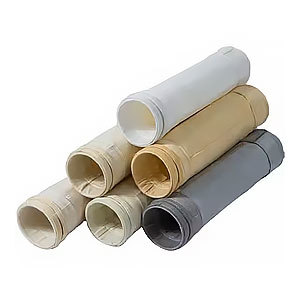
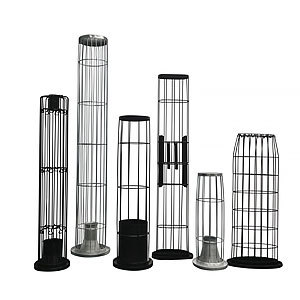
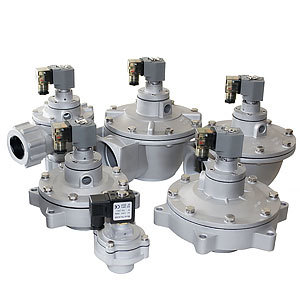
2. Maintenance of main filter cartridge/filter bag cleaning: Regularly clean the dust according to the dust concentration, and adjust the frequency and pressure of the pulse blowback equipment as needed to avoid tearing the filter material due to excessive blowback pressure; Manual dust cleaning requires gentle blowing and violent tapping is prohibited. When the filter material is damaged, compacted, or has poor air permeability, it should be replaced in a timely manner to prevent dust from penetrating and damaging the fan.
3. Rust removal of the box and air duct: Check the welding seams of the equipment box and air duct every month, wipe off moisture and dust, and apply paint protection for rust spots; In humid environments, maintain ventilation in the workshop to avoid equipment corrosion and deformation caused by condensation water.
3、 Special maintenance of core components to maintain the bottom line of equipment lifespan
Targeted maintenance is carried out for vulnerable components such as fans, motors, and seals to significantly reduce the probability of failure.
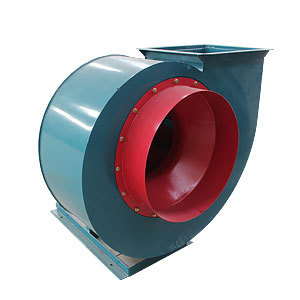
1. Fan and bearing maintenance: Check the dynamic balance of the fan impeller every 3-6 months and clean the attached dust; Regularly add high-temperature resistant lubricating grease to the bearings, check for abnormal noise and vibration, promptly calibrate the impeller, and replace aging bearings.
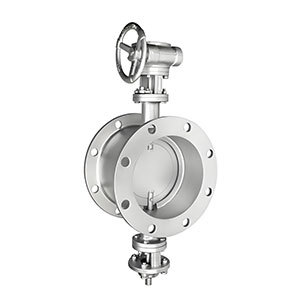
2. Sealing and valve maintenance: Regularly inspect door seals and air duct gaskets, replace them in a timely manner if they age or crack, and prevent air leakage from causing a decrease in dust removal efficiency and indirectly increasing equipment load.
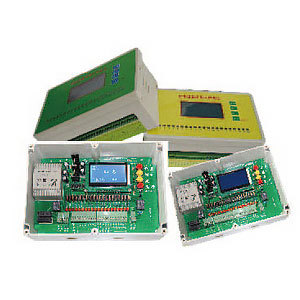
3. Circuit and control component inspection: Check power lines, switches, and control modules monthly, clean dust covers, and avoid short circuits and poor contacts; In outdoor or humid environments, ensure proper waterproof protection for electrical circuits.
4、 Adapt to working conditions and optimize to reduce extreme losses
For high hardness and high concentration dust, primary dust barriers can be installed to reduce the burden on the main filter material; For high-temperature dust, it is strictly prohibited to work at excessive temperatures. High temperature resistant filter materials should be used to avoid burning of the filter materials.
2. If the equipment is not used for a long time, it should be thoroughly cleaned of dust, stored in a dry and sealed environment, and regularly powered on for trial operation to prevent components from getting damp and stuck.
Summary of Life Extension Core
There is no shortcut to extending the lifespan of the polishing and dust removal workbench: compliant operation to control load, timed dust cleaning to prevent dust accumulation, specialized maintenance to protect the core, and adapting to working conditions to reduce losses. Doing a good job in regular basic management and maintenance can not only ensure dust removal efficiency, but also significantly extend the equipment's service life and reduce replacement and maintenance costs.
Hot Tags:

Contact Us
Tel:
WeChat:
WhatsApp:
E-mail:
Address:
338 National Road South, Longfengdian Village, Botou City, Hebei Province, China
JiuznTomine is expertly delivering technically complicated projects in markets & provides custom solutions for their customized need.


CONTACT INFO
Tel: +86 18531710311
WeChat: +86-18531710311
338 National Road South, Longfengdian Village, Botou City, Hebei Province, China