


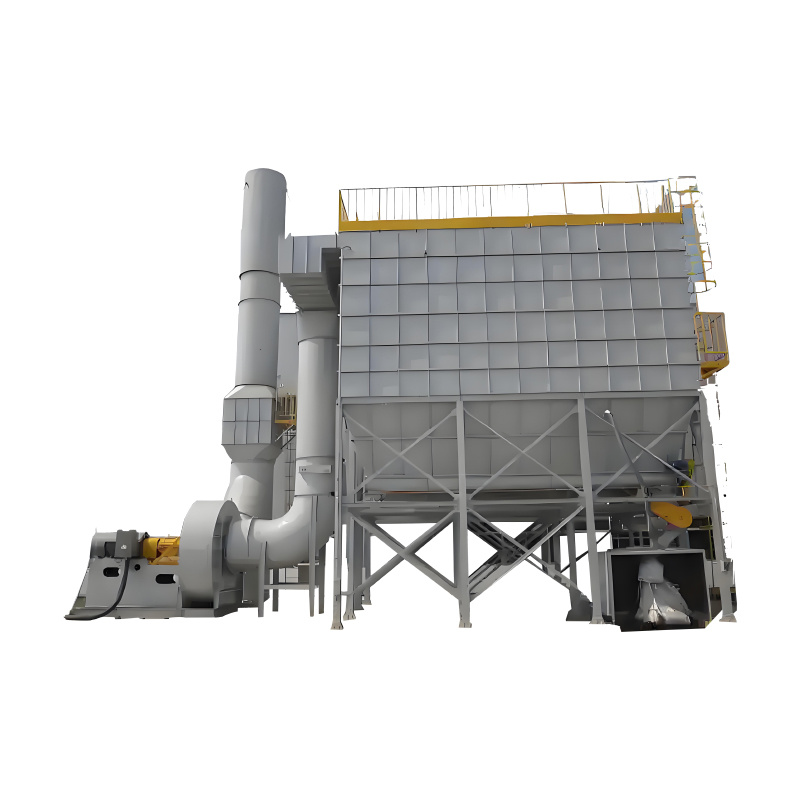
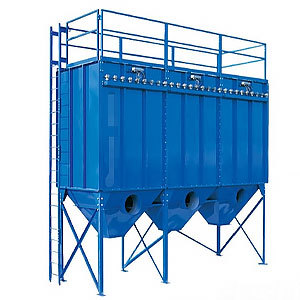
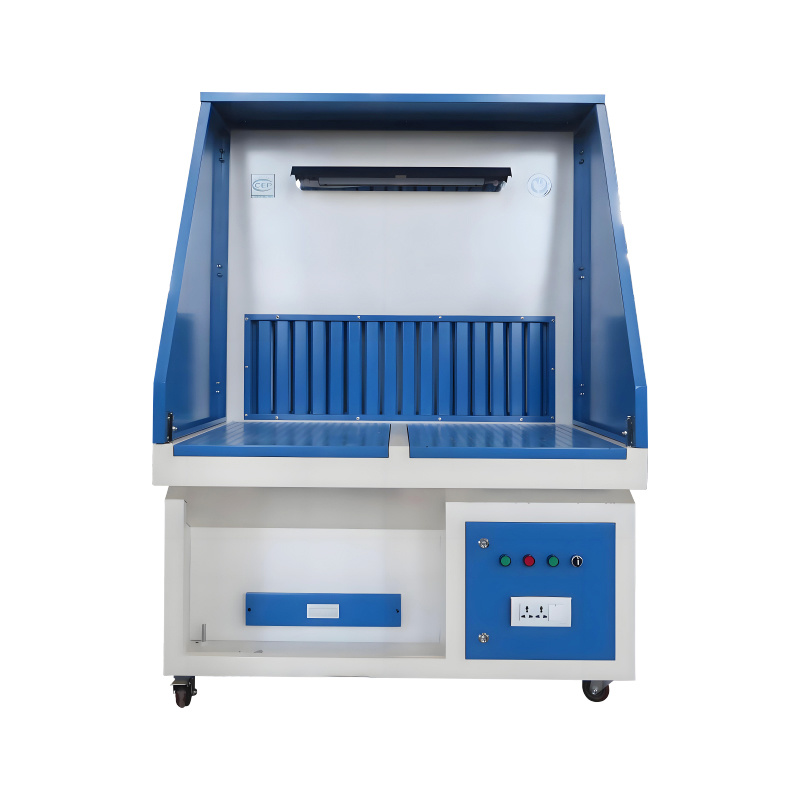
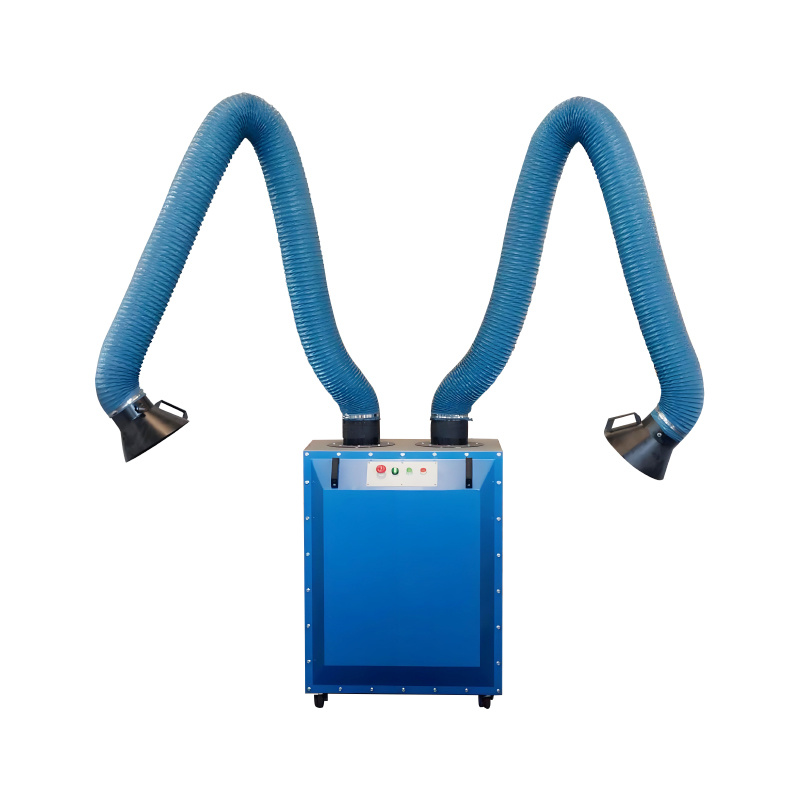










Key application points of plastic fired board dust collector in high humidity environment
Mar 20,2026
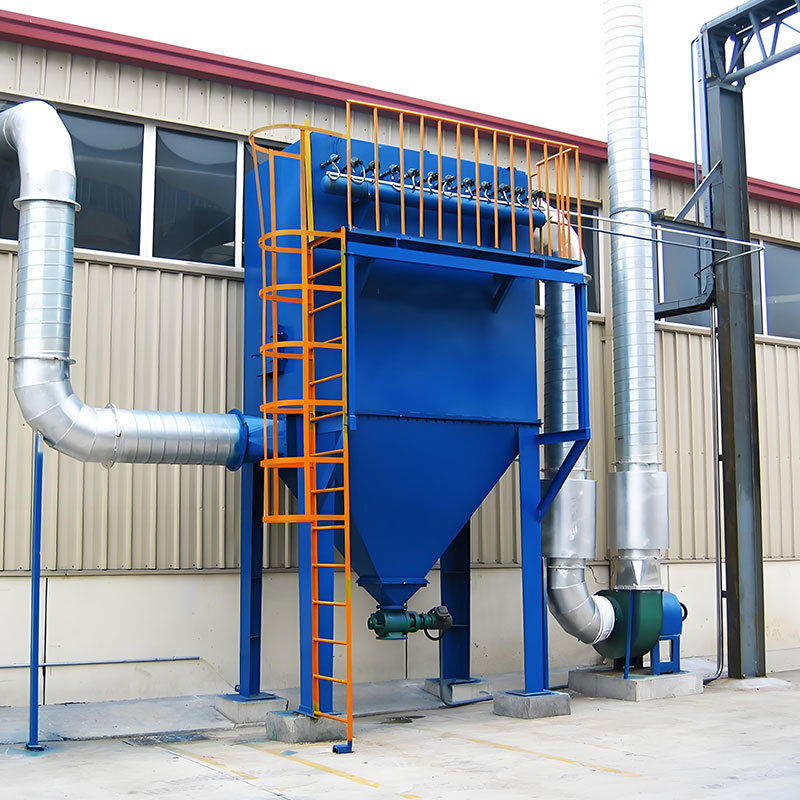
The plastic fired board dust collector has become the preferred dust removal equipment for high humidity and high viscosity dust conditions due to its hydrophobic rigid structure, anti condensation, and non stick board characteristics. However, in high humidity environments, it is still necessary to standardize the selection, operation, and maintenance details to ensure stable operation of the equipment, extend its service life, and avoid problems such as condensation, plate formation, and blockage.
1、 Pre selection: Adapt to core parameters of high humidity working conditions
In high humidity environments (smoke moisture content>8%, relative humidity>85%), the selection cannot simply follow conventional working conditions, and the following key points need to be matched:
1. Prioritize hydrophobic and moisture resistant filter material selection: PTFE film and superhydrophobic plastic fired plate are preferred, while ordinary hydrophilic materials are rejected; If the flue gas contains acidic and alkaline corrosive water vapor, corrosion-resistant filter materials and stainless steel shells should be selected simultaneously to resist water vapor erosion.
2. Strictly control the temperature and dew point difference: Calculate the dew point temperature of the flue gas, and ensure that the inlet temperature is consistently 10-15 ℃ higher than the dew point to prevent water vapor condensation from the source; Reserved air volume redundancy of 15% -20%, adapted to the characteristics of reduced fluidity of high humidity dust.
3. Advance planning for supporting auxiliary equipment: equipped with a standard air-water separator and compressed air drying and filtering device to avoid water in the air source; Reserve heating and vibration interfaces for the ash hopper to lay the foundation for subsequent anti caking measures.
2、 Operation control: eliminate condensation and dust adhesion
The parameter control and detail protection during the operation phase are key to avoiding high humidity faults, with the core revolving around the three major links of "temperature control, sealing, and dust cleaning":
1. Full process temperature control and anti condensation: Install insulation layer (thickness ≥ 50mm) on the equipment box and intake pipeline, and equip the ash hopper with electric/steam tracing to maintain the temperature above the dew point; It is strictly prohibited for cold air to infiltrate, and sealing treatment should be done for maintenance doors, flanges, and pipeline interfaces to avoid local temperature differences and condensation.
2. Optimize the dust cleaning mode: Adopt low-pressure high-frequency pulse dust cleaning, appropriately shorten the dust cleaning interval, extend the single blowing time, and avoid long-term adhesion of high humidity dust to the plate body; Compressed air needs to be degreased, dehydrated, and dusted to prevent secondary pollution of the filter plate by impurities in the air source.
3. Dynamic monitoring core indicators: Real time monitoring of inlet and outlet pressure difference, temperature and humidity, and material level. The normal pressure difference is controlled at 800-1200Pa; if the pressure difference suddenly rises or the temperature fluctuates beyond the standard, condensation and blockage problems should be immediately investigated.
3、 Daily operation and maintenance: extend the service life of equipment
Dust is prone to clumping in high humidity environments, and filter plates are prone to moisture aging. Standardized operation and maintenance can significantly reduce the probability of failure:
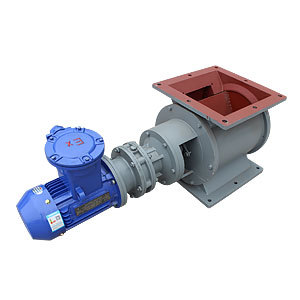
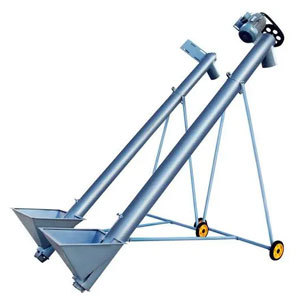
1. Timely unloading of ash to prevent compaction: The dust level in the ash hopper should be controlled below 1/2, and a combination of star shaped ash discharge valves and screw conveyors should be used for unloading to avoid prolonged accumulation and compaction of wet ash; Viscous dust can activate the ash hopper vibration device to assist in material dropping.
2. Regular inspection of filter plate status: Open the box every month to check the surface of the plastic fired plate for water accumulation, clumping, and deformation; Check the breathability and filtration efficiency every quarter. If the efficiency decreases by more than 5%, promptly clean or replace the filter plate offline.
3. Key points for shutdown protection: Before shutdown, idle and clean the dust, and discharge the accumulated dust in the ash hopper; Long term shutdown requires closing the inlet and outlet valves, keeping the interior of the equipment dry, and if necessary, introducing dry air to prevent moisture.
Core summary: The stable operation of plastic fired board dust collectors in high humidity environments does not rely on the performance of a single device, but on closed-loop control of selection and adaptation, strict temperature and humidity control, and refined operation and maintenance. By avoiding the two major pain points of condensation and compaction, the dust removal advantages of plastic fired boards can be fully utilized to adapt to various high humidity industrial conditions.
Hot Tags:


Contact Us
Tel:
WeChat:
WhatsApp:
E-mail:
Address:
338 National Road South, Longfengdian Village, Botou City, Hebei Province, China
JiuznTomine is expertly delivering technically complicated projects in markets & provides custom solutions for their customized need.


CONTACT INFO
Tel: +86 18531710311
WeChat: +86-18531710311
338 National Road South, Longfengdian Village, Botou City, Hebei Province, China