











Optimization of energy consumption and techniques for reducing operating costs of filter cartridge dust collectors
Mar 14,2026

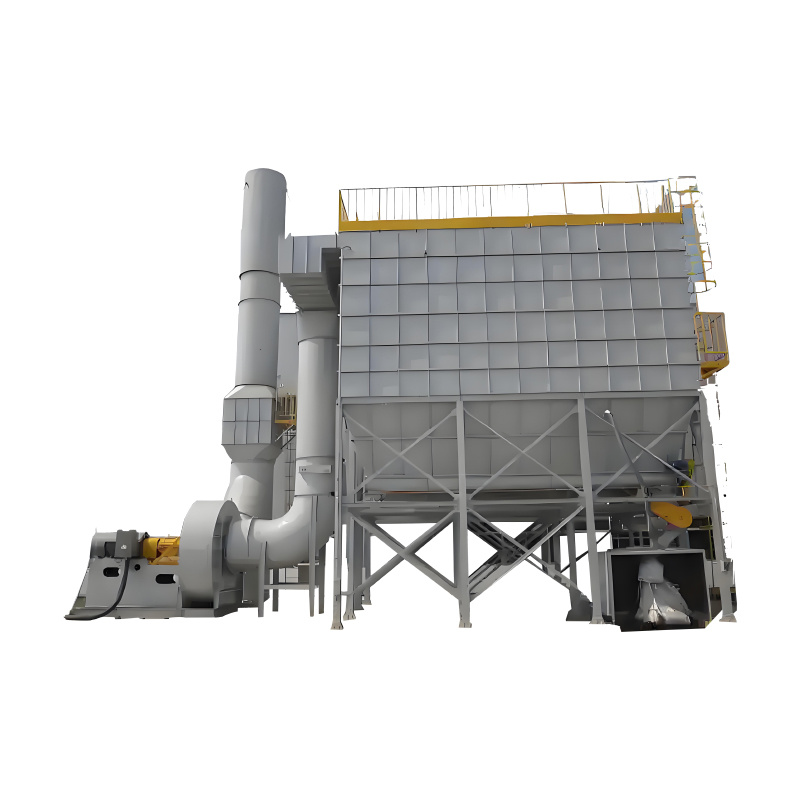
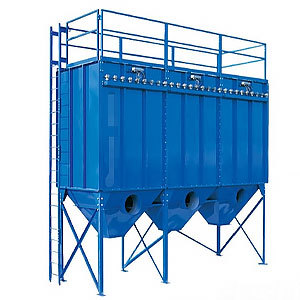
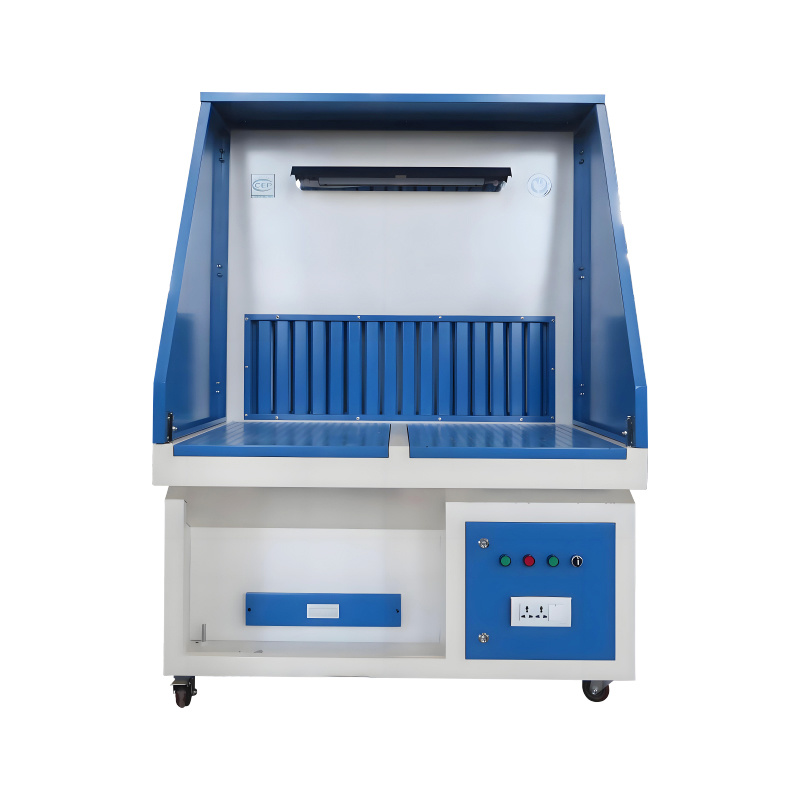
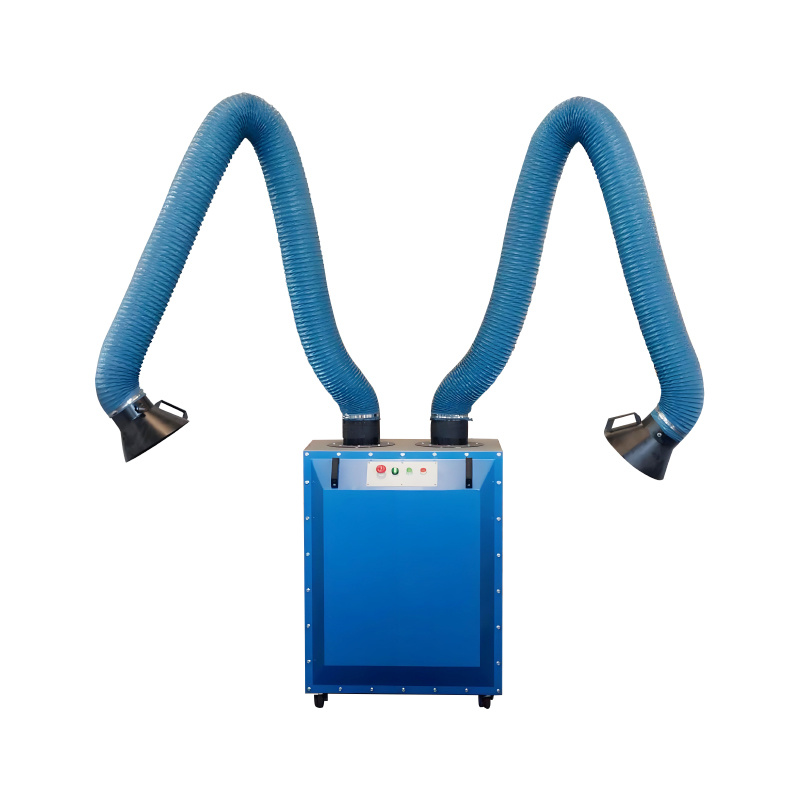
The filter cartridge dust collector has become the mainstream dust removal equipment in industries such as foreign trade processing and precision manufacturing due to its high filtration accuracy and small footprint. However, long-term operation issues such as fan power consumption, dust cleaning losses, and equipment failures can easily increase operation and maintenance costs. To reduce energy consumption while ensuring dust removal meets standards and does not affect production efficiency, the core is to achieve precise regulation, scientific operation and maintenance, and adaptive optimization.
1、 Fan system: the core optimization for energy consuming households
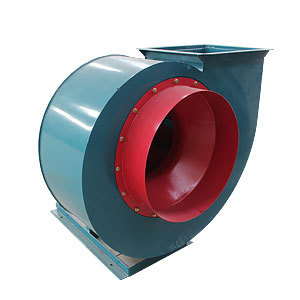
The power consumption of fans accounts for more than 70% of the total energy consumption of filter cartridges and dust collectors, which is the primary breakthrough point for energy conservation and cost reduction. Blind selection and extensive operation are the main reasons for high energy consumption.
1. Match air volume and pressure as needed to prevent large horses from pulling small cars: Many factories blindly choose high-power fans to pursue dust removal effects, and the actual working conditions far exceed the rated load, resulting in energy waste. It is recommended to accurately calculate the air volume and pressure based on the workshop dust concentration, processing area, and pipeline layout. Priority should be given to selecting variable frequency fans, and the speed should be adjusted in real time according to the production shift and dust volume. The operating power should be reduced during non peak hours, and the energy-saving effect can reach more than 30%.
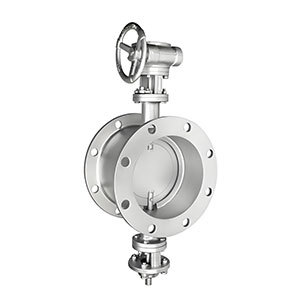
2. Clearing the air duct to reduce resistance loss: Pipeline dust accumulation, excessive bends, and valve blockage can increase the load on the fan, forcing the equipment to consume electricity beyond its capacity. Regularly clean the accumulated dust in the pipeline, optimize the layout of the air duct to reduce bend resistance, inspect and seal valve leakage points, maintain smooth airflow, and reduce the operating load of the fan.
2、 Dust cleaning system: precise control to reduce ineffective energy consumption
Cleaning the filter cartridge is the key to maintaining the filtration effect, but excessive cleaning and unreasonable cleaning parameters not only waste compressed air energy consumption, but also accelerate the loss of the filter cartridge, indirectly increasing costs.
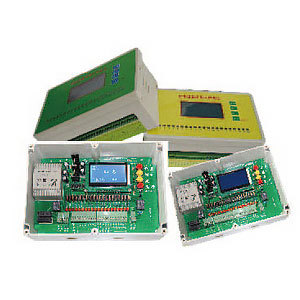
1. Customized debugging of dust cleaning parameters: Abandoning the fixed dust cleaning mode, adjust the pulse pressure, dust cleaning cycle, and spraying duration according to the characteristics of dust (thickness, humidity, viscosity) and dust concentration. Low pressure long cycle mode is adopted for fine dust and low concentration working conditions, while for coarse dust and high concentration working conditions, the pressure is appropriately increased and the cycle is shortened to avoid meaningless frequent blowing, reduce air compressor power consumption and filter cartridge wear.
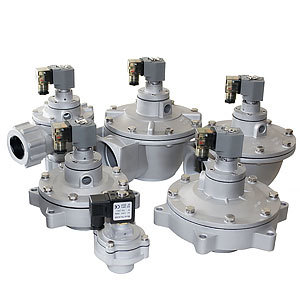
2. Optimize the cleaning components and improve the blowing efficiency: regularly inspect the pulse valve and blowing pipe to prevent blockage, air leakage, and blowing deviation problems; Replace aging seals to ensure the utilization rate of compressed air and avoid ineffective dust cleaning and repeated power consumption caused by pressure loss.
3、 Filter cartridge operation and maintenance: extending lifespan=reducing hidden energy consumption costs
Blockage or damage to the filter cartridge can lead to a surge in equipment resistance and overload operation of the fan. Replacing the filter cartridge will also increase the cost of consumables. Proper daily maintenance can significantly reduce hidden energy consumption.
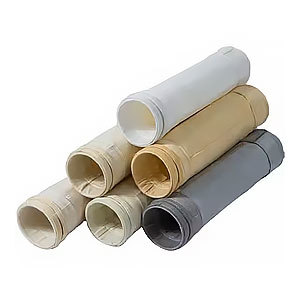
1. Strictly control the working conditions to prevent clogging of filter cartridges: high humidity, high temperature, and adhesive dust can easily cause filter cartridge clogging, increasing equipment load. Properly regulate the temperature and humidity in the workshop, install insulation devices to prevent condensation, reduce the burden on the filter cartridge through dust pretreatment, maintain the transparency of the filter cartridge, and reduce the operating resistance of the fan.
2. Regularly inspect and replace to avoid running with problems: replace damaged or aged filter cartridges in a timely manner, and clean the floating dust on the surface of the filter cartridges; Regularly adjust the installation gap of the filter cartridge, prevent air leakage and short circuit, ensure filtration efficiency, and prevent equipment from consuming excessive power to compensate for dust removal effects.
4、 Operation management: Fine control to achieve long-term energy conservation
1. Interlock production start stop to avoid no-load power consumption: The dust collector starts and closes synchronously with the production line, and stops in a timely manner during non production periods to prevent equipment from wasting energy during no-load operation; The multi station workshop can control the dust removal equipment in different areas and only activate the units in the work area.
2. Establish an energy consumption monitoring ledger: regularly record fan current, pressure difference, and compressed air consumption, identify energy consumption anomalies through data comparison, and adjust operating parameters accordingly; Foreign trade factories can combine export production plans, stagger electricity consumption, optimize operating periods, and further reduce electricity costs.
The optimization of energy consumption for filter cartridge dust collectors is not about sacrificing dust removal efficiency, but about reducing ineffective losses through precise matching, scientific regulation, and refined operation and maintenance. Foreign trade factories can balance environmental compliance and cost control. By implementing the above techniques, they can continuously reduce operational costs such as electricity and consumables while maintaining stable operation.
Hot Tags:
PREVIOUS:

Contact Us
Tel:
WeChat:
WhatsApp:
E-mail:
Address:
338 National Road South, Longfengdian Village, Botou City, Hebei Province, China
JiuznTomine is expertly delivering technically complicated projects in markets & provides custom solutions for their customized need.


CONTACT INFO
Tel: +86 18531710311
WeChat: +86-18531710311
338 National Road South, Longfengdian Village, Botou City, Hebei Province, China