











Factors affecting the dust removal efficiency of bag filter and a comprehensive strategy to improve its effectiveness
Mar 14,2026

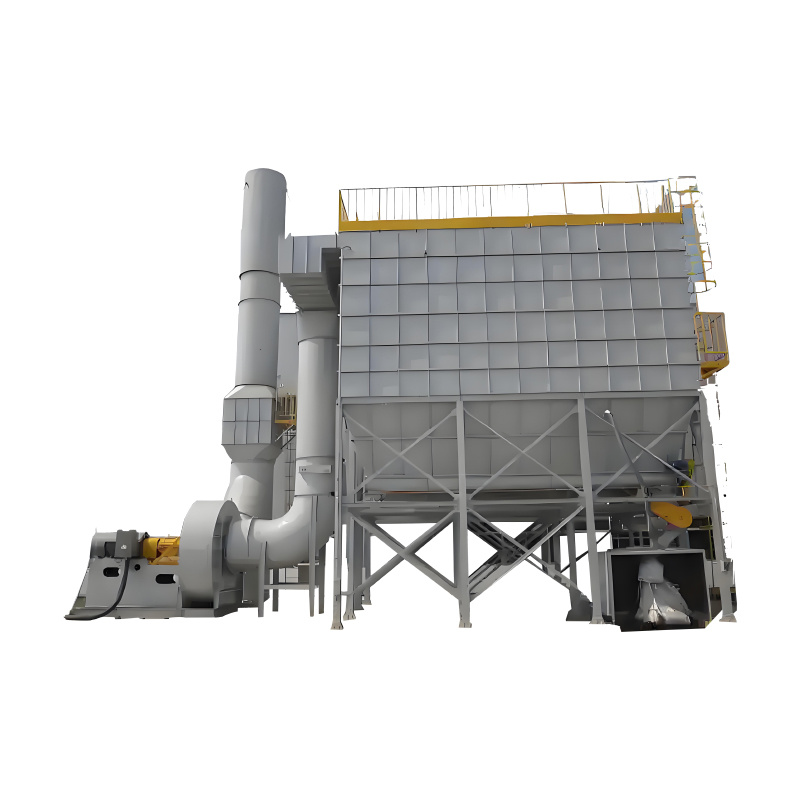
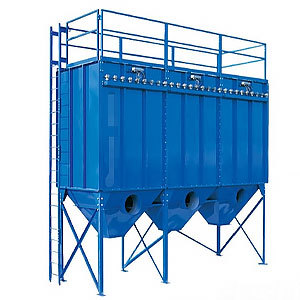
Bag filter is the mainstream equipment for industrial dust control, and its dust removal efficiency is directly related to environmental compliance, production safety, and workshop environment. For foreign trade factories, stable compliance can not only avoid export environmental risks, but also reduce operation and maintenance losses.
1、 Filter media and filter bags: the core substrate that determines dust removal efficiency
The filter bag is the "heart" of the dust collector, and the material, selection, and loss directly determine the filtration effect, which is also the primary cause of efficiency fluctuations.
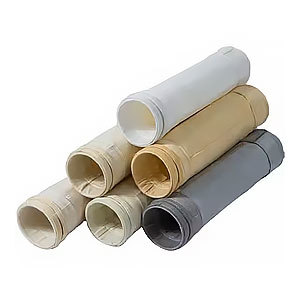
1. Key influencing factors: mismatch between filter material and working conditions (high temperature, corrosion, high humidity dust selection of wrong filter material), filter bag damage/aging, air leakage in filter bag installation gaps, poor adaptability of filter material mesh size; Conventional deep filtration with filter bags relies on dust filter cake, which can disrupt efficiency if the cake is too thick or falls off.
2. Enhancement strategy: Accurately select filter media based on dust characteristics (PPS/fiberglass filter media for high temperature conditions, membrane filter media for high humidity and sticky dust, wear-resistant materials for coarse grinding dust); Regularly inspect the damaged and detached filter bags, and promptly repair and replace them; Strictly control the installation accuracy and prevent air leakage at the connection between the bag mouth and bag cage; Avoid overloading the filter bag and maintain a stable filter cake layer.
2、 Dust cleaning system: a key link in maintaining long-term efficiency
Cleaning dust is the core of cleaning filter bag dust and restoring filtration performance. Unreasonable cleaning mode can directly lead to a sharp drop in efficiency.
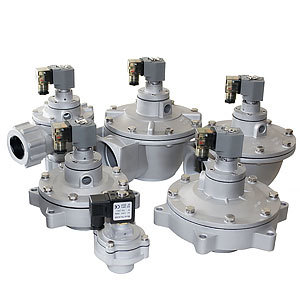
1. Key influencing factors: insufficient/excessive cleaning pressure, long/short cleaning cycle, clogged and offset cleaning nozzle, pulse valve failure; Excessive dust cleaning can damage the filter cake and cause dust to escape, while incomplete dust cleaning can cause filter bag blockage and increased resistance.
2. Improvement strategy: Adjust the cleaning parameters based on dust concentration and humidity, adapt to fine dust with low pressure long cycle, and adapt to high concentration coarse dust with high pressure short cycle; Regularly clean the nozzle and inspect the pulse valve to ensure even spraying; Real time monitoring of equipment resistance, optimizing the cleaning rhythm in a timely manner if the resistance exceeds the standard.
3、 Airflow and operating conditions: implicit interference from external environment
The operating conditions of the equipment and uneven airflow distribution can cause local filter bag overload, dust short circuit escape, and lower overall dust removal efficiency.
1. Key influencing factors: handling air volume exceeding the design value, uneven distribution of inlet and outlet airflow, system air leakage, sudden changes in dust temperature/humidity, and overloading of dust concentration exceeding the standard.
2. Improvement strategy: Strictly control the air volume of the equipment within the design range and install an airflow distribution plate to balance the intake; Inspect and repair the air leakage points at the connections of doors, pipelines, and flanges, and seal and leak them; Maintain good insulation and temperature control to prevent low-temperature condensation and sticking of bags; Pre treatment of high concentration dust to reduce the load on filter bags.
4、 Equipment structure and operation: Long term and stable guarantee
Defects in equipment structure design and inadequate daily operation and maintenance can trigger a chain reaction, continuously weakening the dust removal effect.
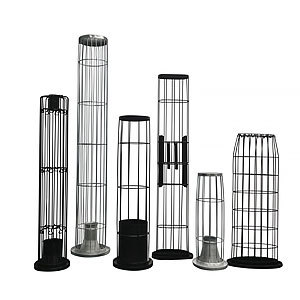
1. Key influencing factors: excessive ash accumulation in the ash hopper, material return, deformation of the bag cage and scratching of the filter bag, pipeline blockage, and malfunction of the ash unloading device; Lack of regular inspection and maintenance, minor issues have escalated into a sharp drop in efficiency.
2. Improvement strategy: Regularly clean the accumulated ash in the ash hopper to avoid clumping and backflow; Replace the deformed and corroded bag cage to protect the integrity of the filter bag; Clear blocked pipelines to ensure smooth airflow; Establish a regular operation and maintenance ledger to monitor resistance, pressure difference, and emission concentration on a regular basis.
5、 Tips for avoiding pitfalls in foreign trade factories
1. Export oriented factories need to match the environmental emission standards of the destination country, prioritize the use of compliant filter materials, and reserve efficiency redundancy;
2. Avoid blindly increasing the air volume, as overloading will only accelerate filter bag loss and reduce efficiency;
3. Stuffing and blockage are common culprits of efficiency decline, and strict temperature and humidity control and standardized dust cleaning are more efficient than post repair.
The dust removal efficiency of a bag filter is not a fixed value, but the result of the combined effects of filter material selection, dust cleaning regulation, working condition matching, and operation and maintenance management. By identifying the core issues and optimizing them in a targeted manner, stable compliance and long-term operation can be achieved, while balancing environmental protection and cost.
Hot Tags:


Contact Us
Tel:
WeChat:
WhatsApp:
E-mail:
Address:
338 National Road South, Longfengdian Village, Botou City, Hebei Province, China
JiuznTomine is expertly delivering technically complicated projects in markets & provides custom solutions for their customized need.


CONTACT INFO
Tel: +86 18531710311
WeChat: +86-18531710311
338 National Road South, Longfengdian Village, Botou City, Hebei Province, China