












Guide to solving common damage and sticking problems of dust removal bags
Mar 07,2026

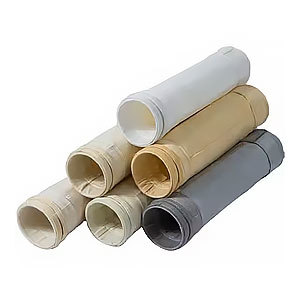
Dust bag is the core filtering component of bag filter, which directly affects the dust removal efficiency and equipment stability. It is widely used in industrial fields such as mining and chemical industry. During long-term operation, damage and bag sticking are high-frequency faults that can lead to excessive dust emissions and increased maintenance costs.
1、 Common damage problems of dust removal bags: causes and solutions
The main manifestations of damage to dust removal bags are chimney dust emission, excessive dust at the outlet, visible holes and cracked seams during inspections. The causes are concentrated in material selection, mechanical wear, aging, and installation operations, and require targeted treatment.
(1) Common causes of damage
1. Improper material selection: Not matching the temperature resistance, wear resistance, and corrosion resistance requirements of the working conditions. For example, polyester bags used for high-temperature flue gas will soften and break, and materials with poor wear resistance are easily washed and perforated under high hardness dust working conditions.
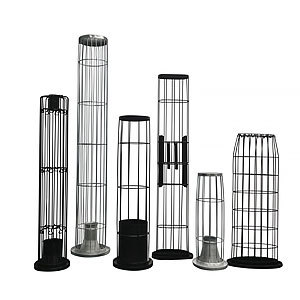
2. Mechanical wear and tear: The most common causes include friction between the cloth bag and the flower board, skeleton (improper installation, size mismatch, etc.), dust erosion (high concentration hard dust impact), and dust cleaning system failure (pulse valve blowing angle deviation blowing through the cloth bag).
3. Aging failure: High temperature, high humidity, corrosive environment or long-term use can cause fibers to become brittle and their strength to decrease. They can be easily damaged by slight external forces, which is normal wear and tear but can be extended through operation and maintenance.
4. Improper installation and operation: Pulling or not tightening during installation, resulting in poor sealing or fiber damage; Daily failure to check the condition of the cloth bag and timely cleaning of dust have exacerbated damage.
(2) Solution and handling steps for damage issues
1. Quickly locate damaged cloth bags: After stopping the machine, use the "leakage method" to check. Shine a flashlight on the flower board, and the leakage point is the damaged location. Focus on checking the airflow inlet, bag edge, and skeleton contact.
2. Targeted replacement and repair: Small damages (≤ 5cm) should be repaired with specialized glue or needle and thread to ensure sealing; If the bag is severely damaged or aged and brittle, replace it with a new one. When replacing, ensure that the size matches, the skeleton is intact, and the installation is firm.
2、 Common problems of dust bag sticking: causes and solutions
Pasting bags refer to the accumulation of dust on the surface of cloth bags, which makes it difficult to effectively remove dust. This is manifested by a sudden increase in equipment resistance, a decrease in air volume, and a decrease in dust removal efficiency. The core causes are dust adhesion, incomplete dust removal, or abnormal working conditions and humidity.
(1) Common causes of bag sticking
1. Insufficient adaptation of dust characteristics: When dealing with high humidity and high viscosity dust, the dust is easily adsorbed in the gaps between the fibers of the bag, gradually forming a paste bag.
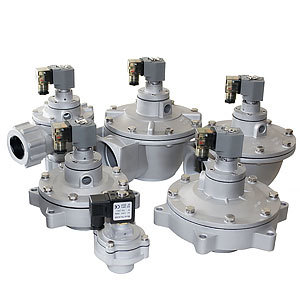
2. Insufficient efficiency of the dust cleaning system: The dust cleaning pressure is too low, the spraying frequency is inappropriate, or the pulse valve and spraying pipe malfunction, resulting in incomplete dust removal and long-term accumulation to form a plate.
3. Abnormal operating parameters: high humidity of flue gas, temperature close to dew point, dust easily condenses and adheres to the cloth bag; Smoke containing oil and water will intensify dust adhesion and form difficult to clean adhesive bags.
4. Delayed operation and maintenance: If the accumulated dust is not cleaned up for a long time, or if the cloth bag is used beyond its expiration date, the fiber gap will be blocked by dust, and the cleaning effect will be greatly reduced, ultimately resulting in a stuck bag.
(2) Solution and processing steps for bag sticking problem
1. Determine the degree of bag sticking: Based on equipment resistance data and changes in air volume, if the resistance continues to increase, the air volume significantly decreases, and there is no improvement after dust cleaning, it is considered bag sticking. The machine needs to be stopped to check the bag sticking condition.
2. Targeted cleaning and replacement: Mild burnt bags can be cleaned with compressed air back blowing and low-pressure water flushing (thoroughly dried); Heavy adhesive bags or cloth bags have become compacted and cannot be cleaned. They need to be replaced directly to avoid affecting the overall dust removal effect.
3. Optimize dust cleaning and operating parameters: adjust dust cleaning pressure, spray frequency, and inspect pulse valves and spray pipes; Control the humidity and temperature of the flue gas, avoid condensation, and optimize the pretreatment process for high viscosity dust.
3、 General preventive measures for damage and bag sticking issues
1. Scientific selection: Select the appropriate bag material based on parameters such as flue gas temperature, dust hardness, and viscosity to avoid selection deviation.
2. Standardized installation and maintenance: Install cloth bags and frames according to standards, regularly check whether the frames are deformed and whether the cloth bags are loose; Regularly inspect the dust cleaning system and replace faulty components in a timely manner.
3. Optimize daily operation and maintenance: Regularly inspect the status of cloth bags and clean up accumulated dust in a timely manner; Regularly replace the bag according to the working conditions and bag life to avoid expired use; Control the working conditions of smoke and reduce the risks of condensation and adhesion.
In summary, the core of the damage and sticking of dust removal bags lies in "adapting to working conditions, standardizing operations, and timely maintenance". By accurately investigating the causes, scientifically handling faults, and taking preventive measures, the service life of the bag can be effectively extended, operation and maintenance costs can be reduced, and the stable operation of the dust removal system can be guaranteed to meet the environmental protection and efficiency requirements of industrial production.
Hot Tags:
PREVIOUS:


Contact Us
Tel:
WeChat:
WhatsApp:
E-mail:
Address:
338 National Road South, Longfengdian Village, Botou City, Hebei Province, China
JiuznTomine is expertly delivering technically complicated projects in markets & provides custom solutions for their customized need.


CONTACT INFO
Tel: +86 18531710311
WeChat: +86-18531710311
338 National Road South, Longfengdian Village, Botou City, Hebei Province, China