












Common problems and maintenance methods of bag filter skeleton
Mar 07,2026

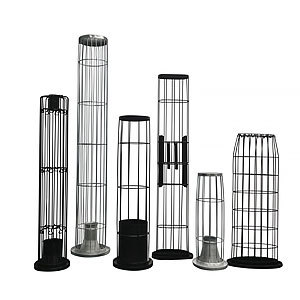
The bag filter frame (also known as the filter bag frame) is the core component that supports the dust removal bag, directly affecting the filtration effect, service life, and overall operational stability of the bag. It is widely used in industrial fields such as mining, chemical, and metallurgy. If the skeleton malfunctions, it is easy to cause bag damage, excessive dust emissions, and increase operation and maintenance costs.
1、 Common Problems and Causes of Bag Dust Collector Skeleton
The common problems with skeletons are mainly manifested as deformation, corrosion, desoldering, burrs, and scratches. The causes are often related to material selection, processing technology, adaptation to working conditions, and improper operation and maintenance, and require precise investigation.
(1) Core common problems and causes
1. Skeleton deformation: the highest frequency problem, often caused by insufficient material thickness, weak welding, or collision or compression during transportation/installation; Long term exposure to high temperature flue gas environment can cause an imbalance between thermal expansion and contraction of the skeleton metal, leading to bending and deformation, which in turn can compress the cloth bag and cause damage.
2. Corrosion and rusting: mainly occur in high humidity, corrosive flue gas conditions, or ordinary carbon steel skeletons without anti-corrosion treatment; The long-term erosion of acidic and alkaline substances, as well as water vapor in flue gas, can cause rust on the surface of the skeleton. The detachment of rust can block the fibers of the cloth bag and accelerate the damage to the skeleton structure.
3. Welding detachment/disconnection: During processing, the welding process is not up to standard, the welding points are not firm, or the skeleton is repeatedly subjected to cleaning pulse impact and airflow vibration during operation, resulting in detachment of the connection between the longitudinal reinforcement and the ring reinforcement, loss of support for the skeleton, and easy collapse and damage of the cloth bag.
4. Burr scratches: rough cutting and welding processes during processing, residual burrs and sharp corners on the surface of the skeleton, which can directly scratch the inner wall of the bag during installation or operation, resulting in bag damage and ash leakage; Long term friction can also exacerbate bag wear and tear.
(2) Key points of problem investigation
1. Daily inspection: Focus on observing whether the skeleton has obvious bending or deformation, whether the welding points have fallen off, and whether the surface is rusted or has burrs.
2. Shutdown inspection: Regularly disassemble the skeleton, check whether the inner walls and connections are intact, whether there is hidden corrosion or delamination, and also check the fit between the skeleton and the cloth bag.
3. Association investigation: If frequent damage or leakage of dust is found in the cloth bag, priority should be given to checking whether there are burrs, deformations, and other issues in the skeleton to eliminate the influence of skeleton factors.
2、 Scientific maintenance method for bag filter skeleton
The core of skeleton maintenance is "prevention first, timely handling". By optimizing the maintenance process based on the characteristics of the working conditions, the service life of the skeleton and cloth bag can be effectively extended, and the operation and maintenance costs can be reduced.
(1) Key points of daily maintenance
1. Standardized installation and storage: Handle with care during installation to avoid collision and compression of the skeleton, ensuring that the skeleton is tightly attached to the flower board and cloth bag without looseness; The idle skeleton should be stored in a dry and ventilated place to avoid moisture and rust, and protection should be taken during transportation.
2. Regular cleaning: For skeletons that are prone to dust accumulation, regularly blow the surface dust with compressed air to avoid dust clumping and squeezing the skeleton; If there is slight rust on the surface of the skeleton, polish and clean it with sandpaper in a timely manner, and apply rust inhibitor.
3. Adaptation and adjustment of working conditions: For high humidity and corrosive working conditions, it is necessary to strengthen inspection frequency and shorten maintenance cycles; Avoid sudden increases and decreases in flue gas temperature, and reduce the risk of thermal expansion and contraction deformation of the skeleton.
(2) Fault handling methods
1. Slight deformation: It can be repaired with calibration tools. After repair, check whether the welding points are firm, ensure that the skeleton is not loose, and the surface is free of burrs.
2. Corrosion and desoldering: Mild corrosion can be treated with anti-corrosion after grinding and rust removal; Re weld the detached area to ensure that the solder joint is full and firm; Severe corrosion or extensive desoldering require direct replacement of the skeleton to avoid affecting the use of the bag.
3. Burr treatment: Use sandpaper and a grinder to polish the burrs and sharp corners on the surface of the skeleton, ensuring a smooth surface and avoiding scratching the cloth bag. After treatment, clean the surface debris.
3、 Skeleton selection and maintenance precautions
1. Scientific selection: Based on the temperature, corrosiveness, and dust characteristics of the flue gas, select suitable materials (such as carbon steel for ordinary working conditions and stainless steel or galvanized skeleton for corrosive working conditions) to ensure that the skeleton thickness and welding process meet the equipment requirements.
2. Regular replacement: Based on the wear and tear of the skeleton, regularly replace the aging and severely damaged skeleton to avoid bag damage caused by skeleton failure and increase maintenance costs.
3. Synchronous maintenance: Skeleton maintenance needs to be carried out synchronously with bag maintenance. When checking the skeleton, the bag status should be checked synchronously to avoid mutual influence and ensure the stable operation of the dust removal system.
In summary, the faults of the bag filter skeleton are mainly caused by improper selection, process defects, and untimely operation and maintenance. Through precise troubleshooting, standardized daily maintenance, and scientific selection, it is possible to effectively reduce skeleton failures, extend equipment service life, ensure efficient and stable operation of dust removal systems, and meet the environmental protection needs of industrial production.
Hot Tags:


Contact Us
Tel:
WeChat:
WhatsApp:
E-mail:
Address:
338 National Road South, Longfengdian Village, Botou City, Hebei Province, China
JiuznTomine is expertly delivering technically complicated projects in markets & provides custom solutions for their customized need.


CONTACT INFO
Tel: +86 18531710311
WeChat: +86-18531710311
338 National Road South, Longfengdian Village, Botou City, Hebei Province, China