

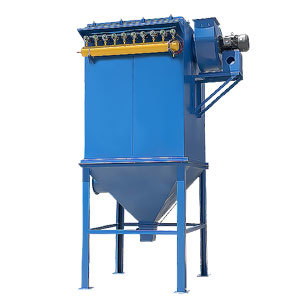
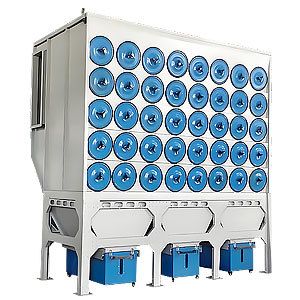
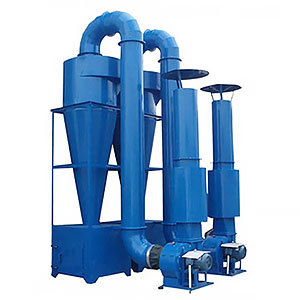

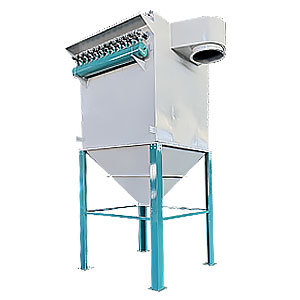









Solution to the problem of excessive emissions from filter cartridge dust collectors
Mar 06,2026

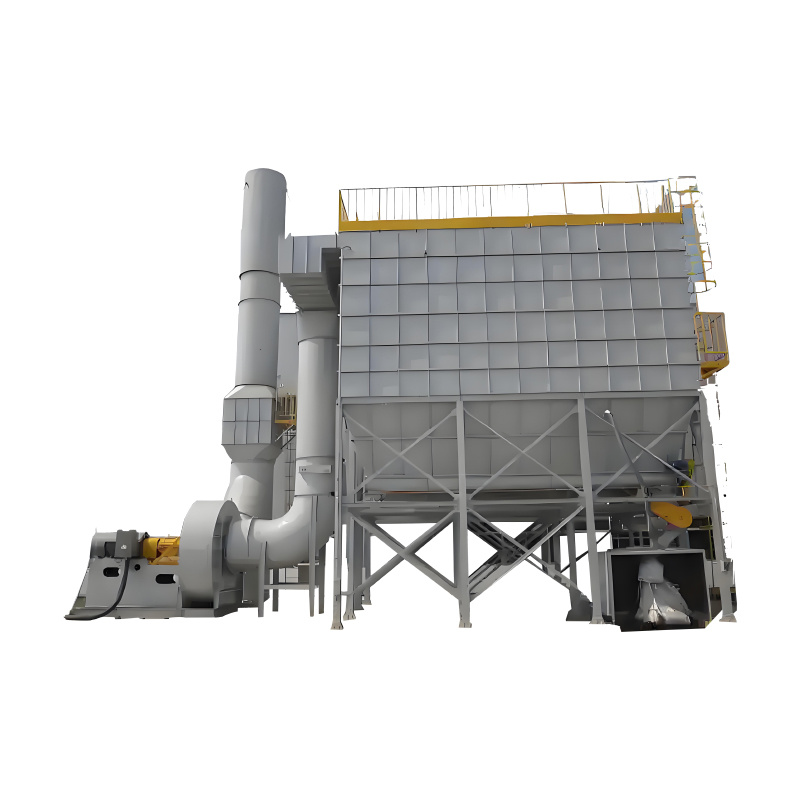
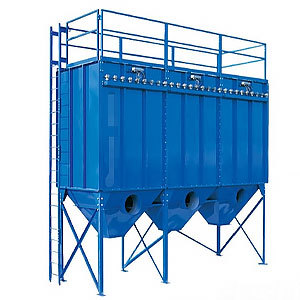
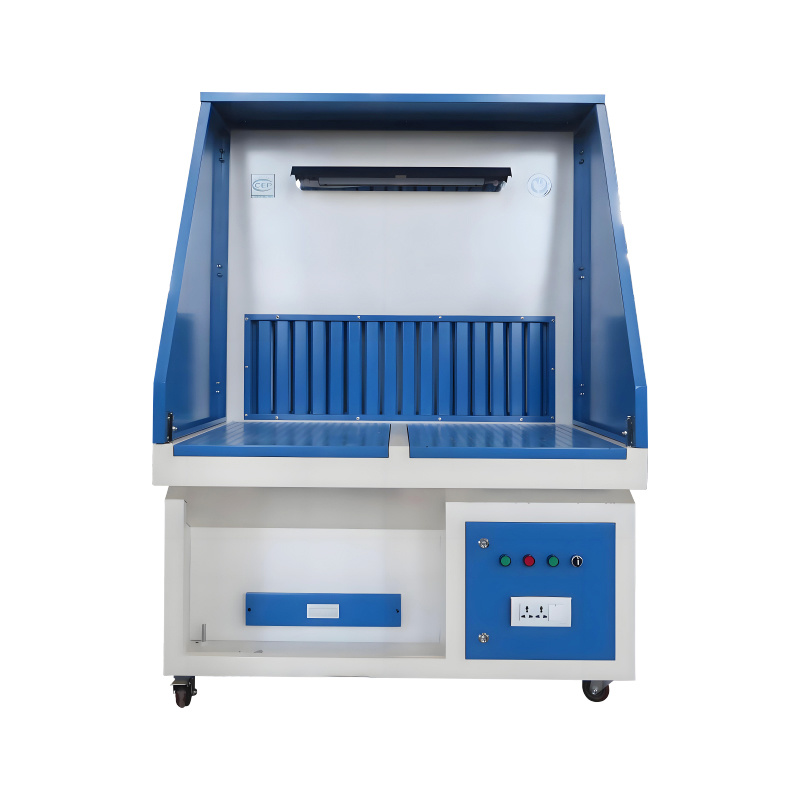
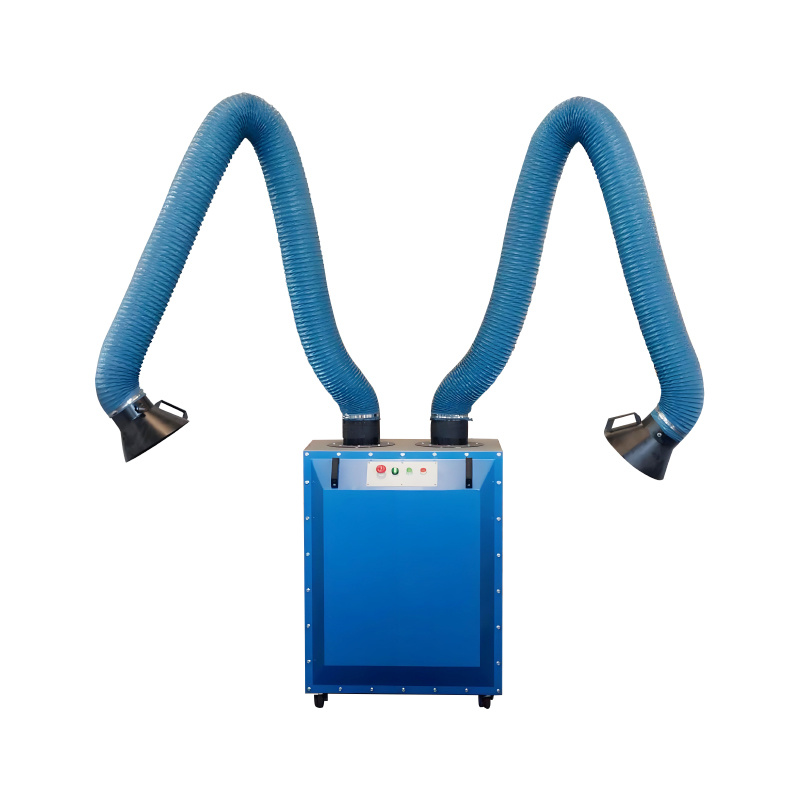
The filter cartridge dust collector is widely used in various industrial fields such as mechanical processing and powder metallurgy. With its advantages of compactness, efficiency, and easy maintenance, it has become the core equipment for enterprises to meet dust emission standards. However, in long-term operation, the problem of excessive emissions often occurs, which not only affects compliant production, but also may pollute the environment.
1、 Common reasons for excessive emissions from filter cartridge dust collectors
The core of excessive emissions is that the dust is not effectively intercepted, mainly due to five aspects: filter cartridge performance, dust cleaning system, operating parameters, maintenance operations, and dust adaptation, as follows:
(1) The performance of the filter cartridge itself deteriorates or is damaged
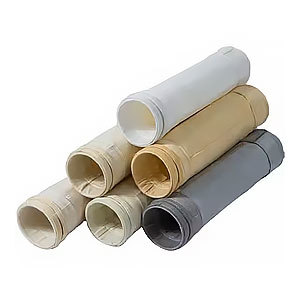
As the core filtering component, the state of the filter cartridge directly determines the dust removal effect: a long service life can cause clogging of the filter material, material and dust mismatch can lead to aging and damage, poor installation and sealing can cause airflow short circuits, or physical damage such as filter material tearing and end cap detachment can all cause dust to escape.
(2) Abnormal operation of pulse dust cleaning system
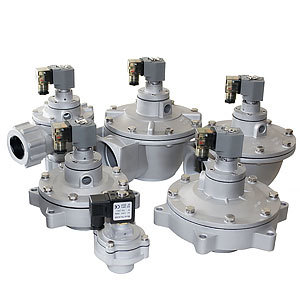
Dust cleaning system failures are common causes: electromagnetic pulse valve jamming, air leakage leading to insufficient blowing, imbalance of dust cleaning parameters (short cycle damaging the initial layer of dust, long cycle leading to filter cartridge blockage), or uneven dust cleaning caused by nozzle blockage or misalignment, all of which can reduce filtration efficiency.
(3) Equipment operating parameters do not match
Dealing with excessive air volume and high dust concentration at the inlet will increase the burden on the filter cartridge; Fan failure and pipeline leakage can lead to abnormal negative pressure, resulting in poor airflow, dust accumulation, short circuit emissions, and exceeding standards.
(4) Maintenance operations are not standardized
Failure to regularly inspect and replace damaged filter cartridges, untimely maintenance of the ash cleaning system, failure to clean the accumulated ash in the ash hopper, or operators arbitrarily adjusting parameters and ignoring sealing inspections can lead to repeated problems.
(5) Insufficient dust characteristics and equipment adaptability
Failure to use specialized filter cartridges for high humidity, high viscosity, and high temperature dust, or to install pre-treatment devices, can lead to filter cartridge blockage, aging, and damage, affecting dust removal efficiency.
2、 Targeted solutions for excessive emissions from filter cartridge dust collectors
Based on the above reasons and practical experience on site, the following precise measures can be taken to quickly restore equipment performance and ensure emissions meet standards:
(1) Check the status of the filter cartridge and replace or repair it in a timely manner
Thoroughly inspect the filter cartridge: if there is any damage or end cap detachment, immediately replace it with a compatible filter cartridge of the same model and ensure that it is sealed properly; If the filter cartridge is clogged or aged (with high resistance even after cleaning), replace it in a timely manner; Select high temperature resistant, anti stick, and waterproof filter cartridges based on dust characteristics; The washable filter cartridge should be cleaned at least 3 times to avoid damaging the filter material.
(2) Overhaul the pulse cleaning system and optimize the cleaning parameters
Repair the electromagnetic pulse valve, clean or replace the faulty valve; Smooth and calibrate the spray pipe to ensure even airflow coverage of the filter cartridge; Maintain the pressure of the airbag at 0.4-0.6MPa; Adjust parameters based on dust characteristics: fine dust extends the cleaning cycle (10-15 minutes) and shortens the blowing time (0.1-0.2 seconds), while high viscosity dust does the opposite.
(3) Adjust equipment operating parameters to match operational requirements
Control the air volume within the rated range and install pre-treatment devices such as cyclone dust collectors when the inlet dust concentration is too high; Check for fan malfunctions and pipeline leaks, repair seals, and maintain stable internal negative pressure (-500 to -1000 Pa).
(4) Standardize daily maintenance operations and establish a maintenance ledger
Develop a regular maintenance plan: inspect the filter cartridge and cleaning system weekly, clean the ash hopper monthly, and conduct comprehensive maintenance of core components every quarter; Standardize the filter cartridge replacement and cleaning process and keep records; Strengthen personnel training to avoid unauthorized operations.
(5) Optimize equipment adaptability and make targeted modifications
For high humidity and high viscosity dust, heating devices can be added or specialized filter cartridges can be used. For high-temperature dust, high-temperature resistant filter cartridges should be replaced and the shell insulation should be done well; When there is a large fluctuation in air volume, a regulating device should be added. If the equipment selection is insufficient, large processing capacity equipment should be replaced or parallel operation should be carried out.
3、 Preventive measures for excessive emissions
Early prevention can reduce the probability of failure and maintenance costs, ensuring compliant production:
1. Selection stage: Conduct research on dust characteristics, select suitable filter cartridges and equipment models, and ensure that the processing capacity meets the standard.
2. Installation stage: Strictly follow the specifications to ensure the sealing of the filter cartridge, accurate positioning of the spray pipe, and no leakage in the pipeline.
3. Operation phase: Monitor core parameters, establish a ledger, and adjust abnormal operating conditions in a timely manner.
4. Maintenance phase: Strictly follow the maintenance plan, replace damaged parts in a timely manner, and clean up accumulated dust.
5. Personnel training: Improve operation and maintenance skills to ensure standardized judgment and handling of equipment failures.
Excessive emissions from filter cartridge dust collectors are often caused by filter cartridge attenuation, abnormal dust cleaning, parameter imbalance, improper maintenance, or inadequate adaptation. Enterprises can follow the steps of "checking filter cartridges → repairing and cleaning dust → adjusting parameters → standardizing maintenance → optimizing adaptation" to investigate and solve the problem. At the same time, by standardizing selection, installation, operation, and maintenance for early prevention, it can not only ensure standard emissions, but also extend equipment life and reduce environmental risks.
There are significant differences in dust characteristics among different industries, and solutions need to be flexibly adjusted; If the problem persists, it is recommended to invite professionals to test and develop personalized solutions.
Hot Tags:


Contact Us
Tel:
WeChat:
WhatsApp:
E-mail:
Address:
338 National Road South, Longfengdian Village, Botou City, Hebei Province, China
JiuznTomine is expertly delivering technically complicated projects in markets & provides custom solutions for their customized need.


CONTACT INFO
Tel: +86 18531710311
WeChat: +86-18531710311
338 National Road South, Longfengdian Village, Botou City, Hebei Province, China