











High temperature dust treatment: comparison between electrostatic precipitator and bag filter
Mar 09,2026

High temperature dust control is a key challenge in industrial production. Electrostatic precipitators and bag filters are two mainstream high-temperature adaptation equipment widely used in high-temperature conditions such as boilers, metallurgy, and building materials. There are significant differences between the two in terms of filtration principle, high temperature adaptability, dust removal effect, and operation and maintenance logic. Reasonable selection directly affects processing efficiency, equipment life, and compliance.
1、 Differences in core working principles
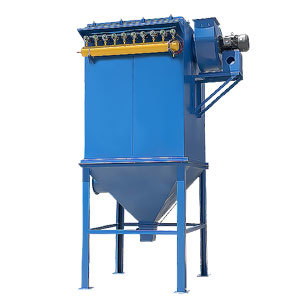
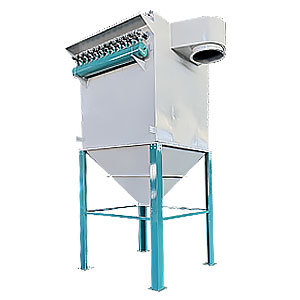
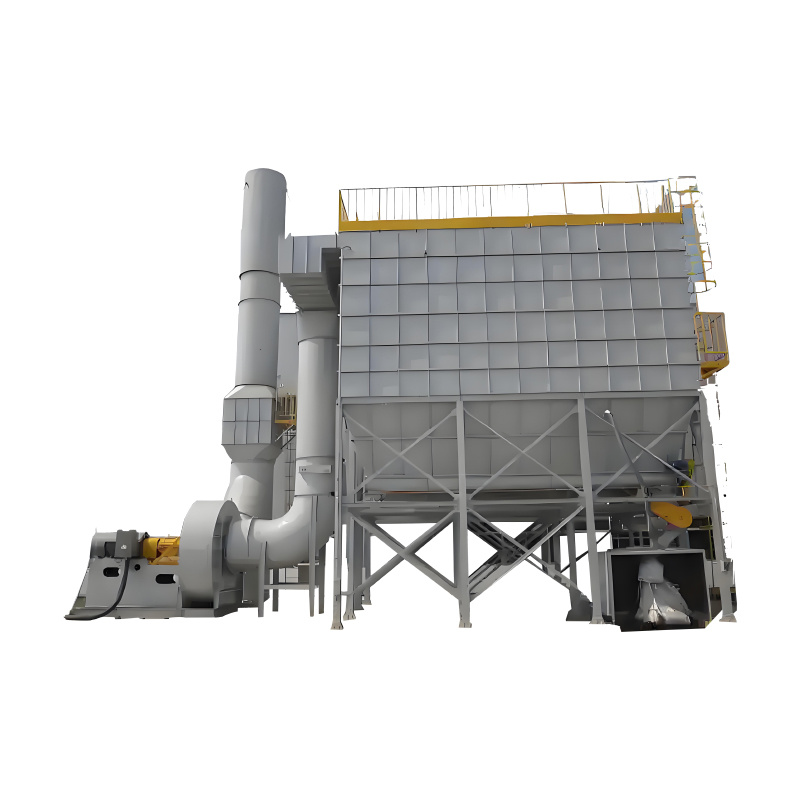
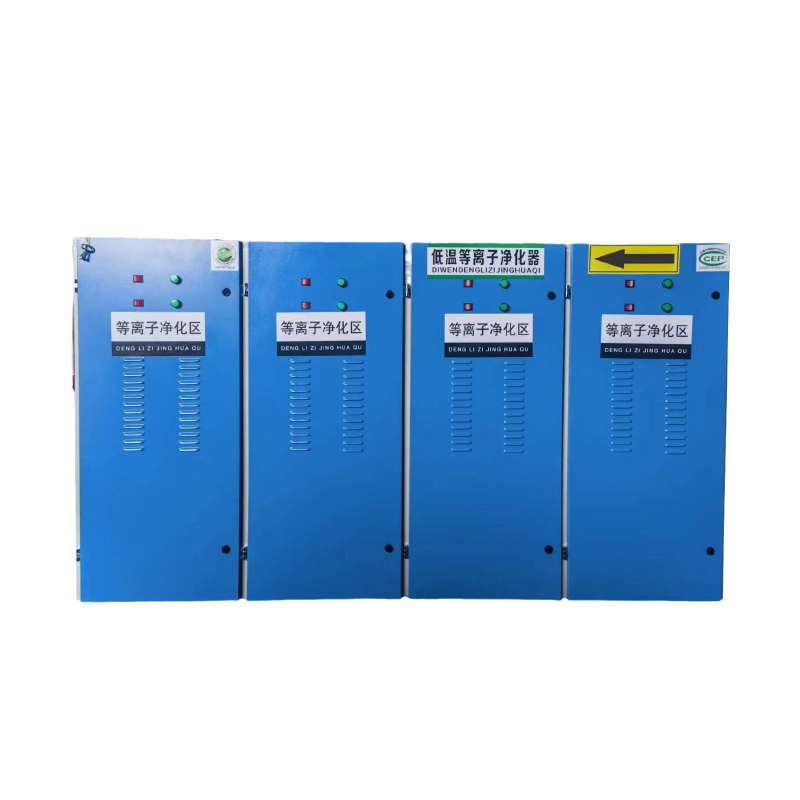
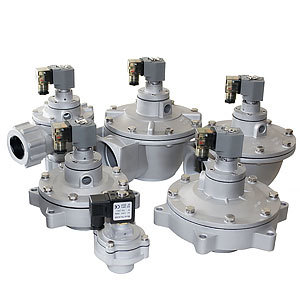
The electrostatic precipitator relies on the principle of electrostatic adsorption, which charges dust particles through a high-voltage electric field, adsorbs them onto the anode plate or cathode wire, and then peels off the dust through vibration to achieve solid gas separation without the need for filter materials to intercept directly. The bag filter adopts a filtering dust removal method, with a high-temperature resistant filter bag as the core component. When the high-temperature dusty gas passes through the filter bag, the dust is intercepted on the surface of the filter bag. During dust cleaning, the dust is stripped to the ash hopper through pulse spraying or mechanical vibration, and the core depends on the filtering performance of the filter material.
2、 High temperature adaptability and filter material/component characteristics
The electrostatic precipitator has no filter material, and the core components are polar plates and wires. The material is mostly high-temperature resistant steel, with a wide temperature range of adaptation. Conventional models can withstand temperatures of 200-400 ℃, while special customized models can cope with temperatures above 500 ℃ without being affected by dust viscosity or particle size. There is no risk of filter material aging or burning.
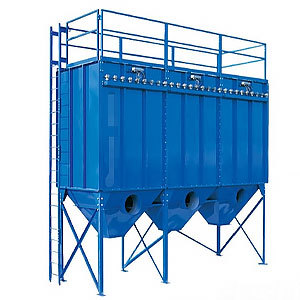
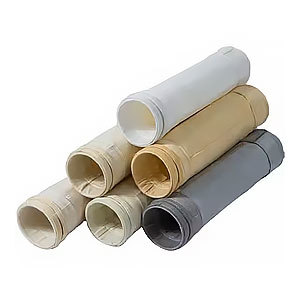
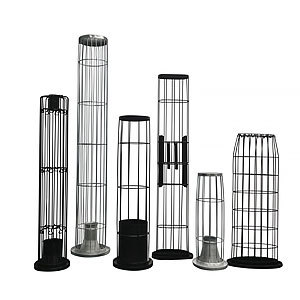
The high-temperature adaptability of bag filter completely depends on the material of the filter bag. Conventional high-temperature resistant filter bags can withstand 200-260 ℃, while ultra-high temperature filter bags can withstand around 300 ℃. Exceeding the tolerance temperature can easily cause the filter bag to melt or break; At the same time, filter bags are prone to aging in high-temperature environments, and their service life is greatly affected by temperature fluctuations. In addition, viscous dust is prone to adhere to the surface of filter bags, increasing the risk of clogging.
3、 Comparison of key performance and dust removal effect
1. Dust removal efficiency: Both can meet the high-efficiency dust removal standard. The electrostatic precipitator has a stable processing efficiency (over 99%) for coarse particulate dust (particle size>10 μ m), but has a slightly weaker interception effect on fine particulate dust (PM2.5), which is greatly affected by the specific resistance of the dust; The bag filter has a better interception efficiency for fine particulate dust (over 99.9%), is not affected by the specific resistance of dust, has a more stable dust removal effect, and is easier to meet strict emission requirements.
2. Resistance and energy consumption: Electrostatic precipitators have low operating resistance (usually 200-500Pa), and energy consumption is mainly concentrated in high-voltage power supply, suitable for high air volume and high temperature scenarios, with obvious energy consumption advantages; The operating resistance of the bag filter is relatively high (1000-1500Pa), which requires overcoming the resistance of the filter bag. The energy consumption of the fan is higher, and the cleaning process requires compressed air, further increasing energy consumption.
3. Stability: Electrostatic precipitators are greatly affected by fluctuations in operating conditions and are prone to back corona phenomena, leading to a decrease in dust removal efficiency; Bag filter has stronger stability. As long as the filter bag is not damaged or blocked, the dust removal efficiency can remain stable for a long time and is less affected by fluctuations in working conditions.
4、 Comparison of Applicable Scenarios and Operation and Maintenance Costs
Applicable scenarios: Electrostatic precipitators are more suitable for scenarios with high air volume, high temperature (above 200 ℃), high dust concentration, and no strong viscosity, such as power plant boilers, metallurgical sintering machines, etc; Bag filter is more suitable for scenarios with small and medium air volume, temperature ≤ 300 ℃, high proportion of fine particle dust, and strict emission requirements, such as building material kilns, chemical roasting, etc. It is not suitable for high concentration viscous dust and ultra-high temperature conditions.
Operation and maintenance costs: The initial investment of electrostatic precipitators is high, the structure is complex, and the installation and commissioning are difficult. However, there is no cost of replacing filter materials, and only regular maintenance of electrode plates and wires is required, resulting in lower long-term operation and maintenance costs; The initial investment of bag filter is relatively low, and it is easy to install. However, the filter bags are replaced frequently, and regular cleaning of the filter bags and inspection of the dust removal system are required. The long-term operation and maintenance costs are higher than those of electrostatic precipitators.
5、 Selection core suggestions
The core of selection is to match high temperature conditions, air volume, and emission requirements: if the operating temperature is high (>300 ℃), the air volume is large, the dust has no strong viscosity, and low energy consumption and long-term stable operation are pursued, electrostatic precipitators are preferred; If the operating temperature is ≤ 300 ℃, there is a lot of fine particulate dust, high emission requirements, and the initial budget is limited, a bag filter can be chosen, with a focus on the high temperature resistance of the filter bag.
Foreign trade practitioners should pay attention to the differences in environmental emission standards and working conditions in different regions, which may affect the selection of equipment. It is necessary to recommend equipment based on local policy requirements and industrial scene characteristics, while paying attention to the temperature resistance and anti-corrosion performance of the equipment to ensure compatibility with the local usage environment.
Hot Tags:

Contact Us
Tel:
WeChat:
WhatsApp:
E-mail:
Address:
338 National Road South, Longfengdian Village, Botou City, Hebei Province, China
JiuznTomine is expertly delivering technically complicated projects in markets & provides custom solutions for their customized need.


CONTACT INFO
Tel: +86 18531710311
WeChat: +86-18531710311
338 National Road South, Longfengdian Village, Botou City, Hebei Province, China