












Selection guide for star shaped unloaders corresponding to different types of dust
Mar 05,2026

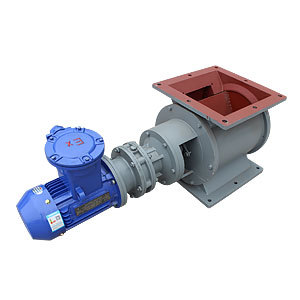
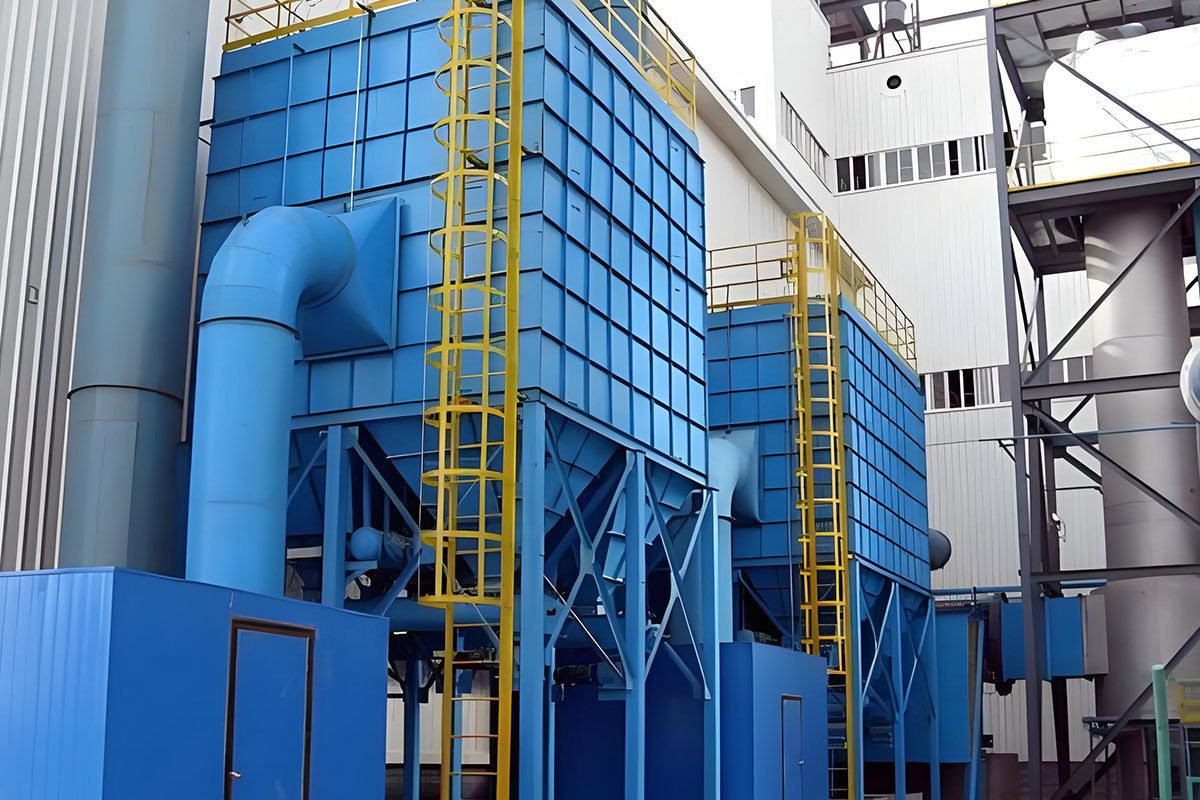
Star shaped unloader (also known as star shaped unloader valve or rotary unloader) is a core auxiliary equipment in industrial dust removal systems and material conveying systems. It is mainly used for unloading operations of equipment such as ash hoppers and silos, and has dual functions of sealing and unloading. The rationality of its selection directly affects the stability, unloading efficiency, and service life of the dust removal system. In industrial production, there are various types of dust, and the physical and chemical properties of different types of dust vary greatly. If the selection is improper, problems such as material jamming, wear, air leakage, and poor discharge may occur, and even affect the normal operation of the entire dust removal system.
1、 Common types and core characteristics of industrial dust (key focus in foreign trade scenarios)
In overseas industrial scenarios, dust types can be divided into four categories based on their physical and chemical properties. Different types of dust have significant differences in requirements for the material, structure, and speed of star shaped unloaders, which are the core basis for selection. Attention should be paid to the particle size, viscosity, temperature, corrosiveness, and flammability and explosiveness of dust. The specific classification and characteristics are as follows:
(1) Ordinary dry dust (most common type)
This type of dust is non sticky, non corrosive, has a low temperature, and a wide particle size distribution. It is commonly used in woodworking, grain processing, mining crushing, and other scenarios. Core characteristics: Dry, good fluidity, not easy to clump, no obvious wear and tear, temperature usually below 80 ℃, no risk of flammability and explosion.
(2) Fine dust/ultrafine dust
This type of dust has a small particle size, is dry and non sticky, and is commonly found in electronic factories, powder processing, pharmaceutical industries, and other scenarios. Core characteristics: Poor fluidity, easy suspension, small dust easily adheres to the blades of the unloader and the inner wall of the cavity, long-term accumulation may cause material jamming, high requirements for sealing performance, and some dust poses a risk of flammability and explosiveness.
(3) Highly viscous/humid dust
This type of dust contains a certain amount of moisture or has viscosity, and is commonly used in chemical industries, food processing, waste disposal, and other scenarios. Core characteristics: Easy to clump and adhere, prone to sticking to the blades and inner walls of the cavity during unloading, resulting in poor unloading, jamming, and even blockage of the unloading channel, requiring high requirements for blade structure and speed.
(4) High temperature/corrosive dust
This type of dust has a high temperature or chemical corrosiveness, and is commonly found in metallurgical, chemical, power plant, and other industries. Core feature: High temperature can easily cause deformation of the material of the unloader and aging of the sealing components; Corrosive dust can wear and corrode the discharge chamber and blades, shorten the service life of equipment, and require extremely high temperature and corrosion resistance of materials.
2、 Core elements for selecting star shaped unloaders (general principles)
Regardless of the type of dust, the following four core elements should be prioritized when selecting to ensure that the equipment is compatible with the dust removal system and dust characteristics, and to avoid malfunctions caused by parameter mismatches:
1. Unloading volume matching: Based on the processing air volume and dust production of the dust removal system, calculate the rated unloading volume of the required unloader to ensure that the unloading volume is greater than the actual dust production, avoiding ash accumulation and blockage in the ash hopper caused by delayed unloading.
2. Material selection: Material is the core of selection, directly determining the wear resistance, high temperature resistance, and corrosion resistance of the equipment. Suitable materials should be selected based on the wear resistance, temperature, and corrosion resistance of dust.
3. Structural design: The blade structure and cavity design should be adapted to the fluidity of dust. For viscous dust, anti stick blades should be selected, and for fine dust, the sealing structure should be optimized to avoid dust leakage.
4. Speed regulation: The speed directly affects the discharge efficiency and needs to be adjusted according to the flowability of dust. Dust with good flowability can increase the speed appropriately, while viscous and fine dust need to decrease the speed to avoid material jamming or dust suspension escape.
3、 Detailed guide for selecting star shaped unloaders corresponding to different types of dust
Based on the characteristics of dust and the core elements of selection mentioned above, specific selection schemes are provided for the four common types of dust, taking into account the practicality and adaptability of overseas industrial scenarios, which can be directly referred to in practice:
(1) Ordinary dry dust: Priority should be given to selecting standard star shaped unloaders
This type of dust has lower requirements for equipment, and the selection is mainly based on cost-effectiveness and stability. The specific plan is as follows:
1. Material selection: The cavity and blades are made of ordinary carbon steel, and the seals are made of nitrile rubber, which is suitable for normal temperature, non corrosive, and non high wear scenarios. The cost is low and it is suitable for small and medium-sized factories overseas.
2. Structural design: Adopting a standard straight blade structure, the gap between the blade and the cavity is controlled at 0.5-1mm, taking into account both unloading efficiency and sealing performance; No need to install additional anti sticking and wear-resistant structures, simplifying equipment maintenance.
3. Speed and specifications: The speed is selected as 15-30r/min, and the discharge volume is reserved with a margin based on the dust production; The specifications range from Φ 150 to Φ 300, suitable for the ash hopper size of most ordinary dust removal systems.
4. Precautions: Regularly clean the dust accumulation on the inner wall of the chamber to avoid slight material jamming caused by long-term dust accumulation; Check the wear of the seals and replace the gaskets every 6 months.
(2) Fine dust/ultrafine dust: Priority should be given to sealed star shaped unloaders
This type of dust is prone to suspension and leakage. The core selection is to strengthen the sealing performance and avoid dust escape. The specific plan is as follows:
1. Material selection: The cavity and blades are made of stainless steel to prevent fine dust from adhering and rusting; Fluororubber is selected as the sealing element to enhance sealing performance and prevent dust leakage from the shaft end.
2. Structural design: Adopting a sealed structure and installing double-layer sealing devices to reduce dust leakage; The blade adopts an arc-shaped structure to reduce the adhesion of fine dust, while optimizing the smoothness inside the cavity to avoid dust accumulation.
3. Speed and specifications: Choose a speed of 10-20r/min to reduce the speed and prevent fine dust from being carried away by the airflow; The specifications are selected based on the size of the ash hopper, ranging from Φ 200 to Φ 400. If the dust production is large, a dual outlet structure can be used.
4. Precautions: Regularly check the sealing performance of the sealing device and replace the sealing packing every 3-6 months; Regularly clean the blades and inner walls of the cavity to avoid blockage caused by fine dust clumping.
(3) High viscosity/humid dust: Priority should be given to anti stick star shaped unloaders
This type of dust is prone to clumping and sticking to walls. The core selection is to prevent material jamming and poor unloading. The specific plan is as follows:
1. Material selection: The cavity and blades are made of stainless steel, and the surface is polished to reduce dust adhesion; The sealing components are made of oil and water resistant rubber to prevent corrosion from moisture and dust.
2. Structural design: Adopting anti stick blade structure, it can real-time scrape off the attached dust on the inner wall of the cavity; The chamber is designed with a large volume structure to reduce dust accumulation; Some scenes can be equipped with heating devices to reduce dust viscosity and avoid clumping.
3. Speed and specifications: Choose a speed of 5-15r/min and operate at low speed to avoid sticky dust being thrown onto the inner wall of the cavity by the blades, while ensuring uniform discharge; The specification range is from Φ 300 to Φ 500, suitable for the discharge needs of large quantities of viscous dust.
4. Precautions: Regularly check the wear of the blade scraping edge, and replace it in a timely manner when the wear is severe; If a heating device is installed, it is necessary to regularly check the heating effect to avoid dust deterioration caused by high temperature.
(4) High temperature/corrosive dust: prioritize selecting high-temperature/corrosion-resistant star shaped unloaders
This type of dust has extremely high requirements for equipment materials and sealing performance. The core selection criteria are high temperature resistance, corrosion resistance, and extended equipment service life. The specific plan is as follows:
1. Material selection: High temperature dust is made of heat-resistant steel, the cavity and blades are made of heat-resistant materials, and the sealing components are made of high-temperature resistant fluororubber; Stainless steel or Hastelloy alloy is selected for corrosive dust to prevent material corrosion, and corrosion-resistant fluororubber or polytetrafluoroethylene is used for sealing components.
2. Structural design: Adopting high temperature/corrosion resistant structure, the shaft end adopts high temperature mechanical seal to avoid leakage of high temperature flue gas or corrosive dust; The blade is designed with a thickened structure to enhance wear resistance and high temperature resistance; Install a cooling device in the chamber to reduce the operating temperature of the equipment and protect the sealing components and materials.
3. Speed and specifications: The speed should be selected as 10-25r/min. For high-temperature dust, the speed should be reduced to avoid material deformation caused by high temperature and high-speed operation of the equipment; The specifications are selected based on the size of the dust hopper and the discharge capacity of the dust removal system, ranging from Φ 250 to Φ 500. Heavy duty structures can be used to improve equipment stability.
4. Precautions: Regularly check the corrosion and deformation of materials, check the sealing components every 3 months in high-temperature scenarios, and check them once a month in corrosive scenarios; Regularly clean the corrosion products and dust accumulation on the inner wall of the cavity to avoid blockage.
4、 Common selection misconceptions and avoidance methods (key reminder for foreign trade scenarios)
In overseas industrial projects, common misconceptions in the selection of star shaped unloaders can easily lead to equipment failures and increased maintenance costs. The following four points need to be avoided:
Misconception 1: Only focus on the discharge volume and ignore the characteristics of dust. Solution: Before selecting, clarify the core characteristics of dust such as viscosity, temperature, and corrosiveness, and then match the material and structure, rather than simply selecting specifications based on the discharge volume.
2. Misconception 2: Blindly pursuing low prices and choosing inferior materials. Solution: For high temperature and corrosive dust, it is necessary to use suitable materials that are resistant to high temperature and corrosion to avoid rapid equipment damage and increased maintenance costs due to substandard materials.
3. Misconception 3: The higher the speed, the better the unloading efficiency. Solution: The speed needs to be adjusted according to the fluidity of the dust. If the speed of viscous and fine dust is too high, it may cause material jamming or dust escape, and low-speed operation is required.
4. Misconception 4: Neglecting sealing performance can lead to dust leakage. Solution: Double layer sealing structure must be used for fine dust and high-temperature dust, and the wear of sealing components should be checked regularly to avoid dust leakage affecting the environment and equipment operation.
5、 Suggestions for daily maintenance after selection (suitable for long-term overseas operation scenarios)
Reasonable selection is the foundation, and daily maintenance can further extend the service life of the star shaped unloader, reduce the occurrence of failures, especially suitable for the long-term operation needs of overseas factories:
1. Regular lubrication: Add lubricating oil to the motor, reducer, and bearings every month. Choose high-temperature resistant lubricating oil for high temperature scenarios and corrosion-resistant lubricating oil for corrosive scenarios to ensure smooth equipment operation.
2. Regular cleaning: Depending on the type of dust, clean the accumulated dust and attached dust on the inner wall of the chamber and the blades every week or month to avoid material jamming and blockage; The cleaning frequency of viscous dust needs to be increased.
3. Regular inspection: Check the wear and corrosion of blades, seals, and materials every month, and replace them promptly if any problems are found; The inspection cycle needs to be shortened for high temperature and corrosive scenarios.
4. Standardized operation: Operators need to start and stop the equipment according to the regulations to avoid high-speed operation without load; If any jamming is found during the unloading process, the machine should be stopped for cleaning and forced operation is prohibited.
The core selection of star shaped unloaders is "matching dust characteristics". Different types of dust have significant differences in material, structure, and speed requirements. It is necessary to combine the dust characteristics of overseas industrial scenarios, prioritize the determination of core parameters such as viscosity, temperature, particle size, and corrosiveness of dust, and then select standard, sealed, anti stick, or high-temperature/corrosion-resistant equipment accordingly. At the same time, avoiding selection errors and performing daily maintenance can effectively improve equipment stability, extend service life, and ensure the normal operation of the dust removal system. It should be noted that there are significant differences in environmental standards and operating conditions in different regions overseas. When selecting, equipment parameters can be flexibly adjusted based on the specific needs of local production scenarios, and professional technical personnel can be contacted for assistance if necessary.
Hot Tags:
Contact Us
Tel:
WeChat:
WhatsApp:
E-mail:
Address:
338 National Road South, Longfengdian Village, Botou City, Hebei Province, China
JiuznTomine is expertly delivering technically complicated projects in markets & provides custom solutions for their customized need.


CONTACT INFO
Tel: +86 18531710311
WeChat: +86-18531710311
338 National Road South, Longfengdian Village, Botou City, Hebei Province, China