











Troubleshooting: Solution to the problem of excessive emissions from bag filters
Mar 05,2026
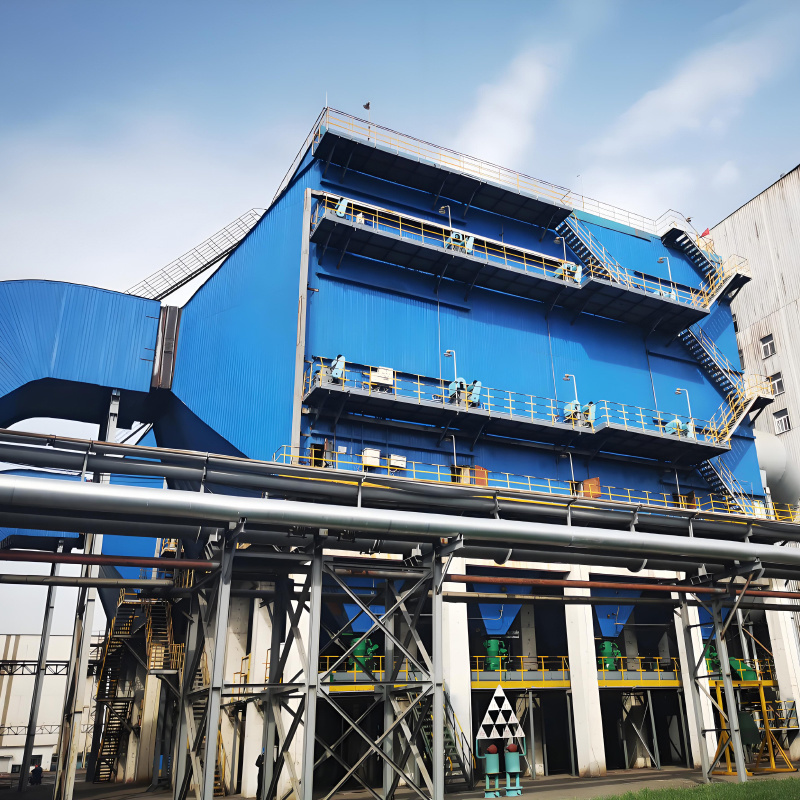
In industrial production, bag filter is widely used as an efficient dust removal equipment in various fields such as mining, chemical industry, metallurgy, woodworking, etc. Its emission standards are directly related to production compliance and environmental safety. However, in the long-term operation process, exceeding emission standards is one of the more common faults, which may not only face environmental penalties but also affect production progress.
1、 Quick location of emission exceeding standards faults
After discovering that the emissions of the bag filter exceed the standard, the first step is to complete the fault location through simple detection to avoid blind troubleshooting. There are three main methods for core positioning, which are easy to operate and do not require complex equipment, suitable for quick on-site judgment:
1. Visual observation method: Observe the smoke state at the outlet of the dust collector. If there is obvious dust overflow or abnormal smoke color, it indicates that the emissions have seriously exceeded the standard; At the same time, observe the accumulation of ash in the ash hopper. If there is no ash accumulation or too little ash accumulation in the ash hopper, there may be problems with excessive cleaning or damaged filter bags.
2. Instrument detection method: Use a dust concentration detector to conduct multi-point detection at the air outlet, compare with local environmental emission standards, confirm the degree of exceeding the standard, and provide a basis for subsequent investigation.
3. Segmented troubleshooting method: Close the inlet and outlet valves of the dust collector, disassemble and inspect key parts such as the filter bag chamber, ash cleaning system, air inlet, and ash hopper, and determine whether the problem of exceeding the standard is caused by a single link or a collaborative failure of multiple links.
2、 Analysis of the core reasons for excessive emissions
The excessive emissions of bag filters are essentially due to "ineffective interception of dust" or "secondary escape of intercepted dust". Based on long-term on-site operation and maintenance experience, the core reasons can be summarized into four categories, covering multiple dimensions such as equipment itself, operation, materials, etc., which are also the key directions for investigation:
(1) Filter bag related malfunctions (the most common cause, accounting for over 60%)
The filter bag is the core filtering component of the bag filter, and its state directly determines the dust removal efficiency. Common problems include:
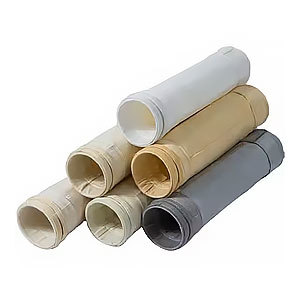
1. Filter bag damage: The aging of the filter bag material, high-temperature burning, mechanical wear, and chemical corrosion cause dust to directly penetrate through the damaged area, resulting in excessive emissions. Especially under high-temperature and highly corrosive working conditions, the probability of filter bag damage is higher.
2. Filter bag blockage: Excessive dust humidity, high dust viscosity, or failure to clean dust in a timely manner can cause dust to clump and block on the surface of the filter bag, increase filtration resistance, and allow unfiltered dust to escape when the airflow passes through; In addition, improper installation of filter bags can also lead to local dust accumulation and blockage.
3. Improper selection of filter bags: Failure to select suitable materials based on dust characteristics (temperature, humidity, viscosity, particle size), such as using room temperature filter bags for high-temperature flue gas, resulting in rapid aging and damage of filter bags; The use of filter bags with large pores for fine dust results in insufficient filtration accuracy.
(2) Dust cleaning system malfunction
The function of the dust cleaning system is to promptly remove the accumulated dust on the surface of the filter bag. If the dust cleaning effect is poor, it may cause the filter bag to become clogged; If the dust cleaning is excessive, it will damage the filter bag, both of which will cause excessive emissions:
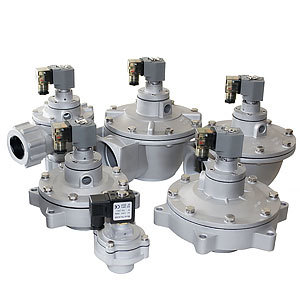
1. Insufficient dust cleaning pressure: Electromagnetic pulse valve failure, low air bag pressure, clogged or displaced spray pipe, resulting in insufficient spray force, ineffective dust removal, gradually clogged filter bag, and excessive emissions.
2. Unreasonable cleaning cycle: If the cleaning cycle is too short, it will cause the dust layer on the surface of the filter bag to be excessively removed, damaging the filter layer and allowing dust to penetrate directly; The cleaning cycle is too long, excessive dust accumulation clogs the filter bag, increases airflow resistance, and causes dust to escape.
3. Spray system malfunction: The spray pipe is damaged, the nozzle is blocked, or the angle is deviated, resulting in uneven spray airflow, some filter bags cannot be effectively cleaned of dust, and local dust accumulation is blocked, causing local emissions to exceed the standard.
(3) Poor sealing performance of equipment
Poor sealing of the dust collector body can cause external air to leak in or unfiltered dusty flue gas to short-circuit and escape. Common areas of air leakage include:
1. Box sealing: The sealing gasket of the dust collector box joint, maintenance door, and observation window is aging, damaged, or not installed tightly, resulting in air leakage.
2. Pipeline connection parts: The flange connections of the inlet and outlet pipelines, as well as the ash hopper discharge port, are not tight and have gaps, allowing dust and smoke to escape through the gaps.
3. Sealing of filter bag installation: The sealing surface between the filter bag and the flower plate is uneven, and the sealing gasket is damaged, resulting in dusty flue gas passing through the gap between the filter bag and the flower plate and being discharged directly without filtration.
(4) Other auxiliary system failures
In addition to the core reasons mentioned above, auxiliary system failures may also indirectly lead to excessive emissions, which are easily overlooked:
1. Uneven distribution of intake airflow: Improper design of the intake port or damage to the guide plate can result in uneven distribution of dusty flue gas inside the filter bag chamber, causing some filter bags to be overloaded and quickly clogged or damaged.
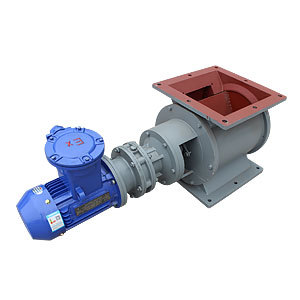
2. Ash hopper unloading malfunction: The star shaped unloader malfunction resulted in excessive ash accumulation in the ash hopper, causing dust to accumulate at the bottom of the filter bag, blocking the filter bag and affecting filtration efficiency.
3. Abnormal flue gas parameters: The flue gas temperature is too high, the humidity is too high, or the dust concentration exceeds the designed processing range of the dust collector, resulting in a decrease in the performance of the filter bag and a decrease in filtration efficiency.
3、 Step by step solution approach (from easy to difficult, efficient troubleshooting)
Based on the analysis of the cause of the malfunction, it is recommended to follow the principle of "easy first, difficult later, partial first, and overall later" to step-by-step investigate and solve the problem, avoid blindly disassembling the equipment, and save investigation time and cost:
Step 1: Quickly check the status of the filter bag (prioritize processing, easiest to solve)
1. After stopping the machine, open the inspection door of the filter bag room and visually check whether the filter bag is damaged, fallen off, wrinkled, etc. If any damaged filter bag is found, replace it immediately.
2. Check the surface area of the filter bag for dust accumulation. If the dust is too thick or clumped, it indicates that the cleaning is not timely or the filter bag is clogged. Manual cleaning can be carried out first. If the filter bag is severely clogged, it is recommended to replace it directly.
3. Check whether the material of the filter bag matches the working conditions. If there is improper selection, replace the filter bag with a suitable material.
Step 2: Check the dust cleaning system (core troubleshooting step)
1. Check the electromagnetic pulse valve: Start the dust cleaning system and observe whether the pulse valve operates normally, whether there is any air leakage, non blowing, etc. If the pulse valve malfunctions, it needs to be disassembled, cleaned, or replaced with valve cores and seals.
2. Check the pressure of the airbag: Ensure that the airbag pressure meets the design requirements. If the pressure is insufficient, check whether the air compressor and pressure reducing valve are normal, and eliminate the problem of pipeline leakage.
3. Adjust the cleaning cycle: Adjust the cleaning cycle and blowing time according to the dust concentration and filter bag dust accumulation to avoid excessive or insufficient cleaning.
4. Check the spray pipe and nozzle: Clean the accumulated dust inside the spray pipe, adjust the nozzle angle, and ensure that the spray airflow evenly covers the surface of the filter bag. If the spray pipe is damaged, repair or replace it in a timely manner.
Step 3: Check the sealing performance of the equipment
1. Check the sealing of the box: replace the aging or damaged sealing gasket, tighten the bolts of the maintenance door and observation window to ensure a tight seal; Apply sealant to the sealed area to enhance the sealing effect.
2. Check the pipeline connection parts: tighten the flange connection bolts, replace the damaged sealing gasket, seal the gaps to avoid air leakage.
3. Check the sealing between the filter bag and the flower board: Adjust the installation position of the filter bag to ensure that the sealing surface of the filter bag and the flower board are tightly fitted, replace the damaged sealing gasket, and avoid smoke short circuit.
Step 4: Investigate auxiliary systems and smoke parameters
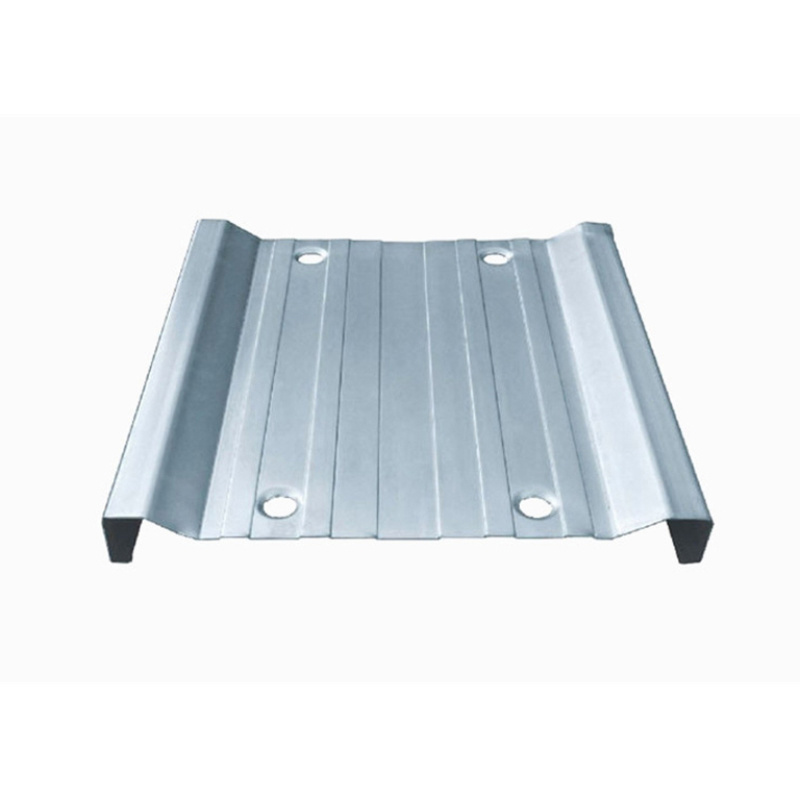
1. Check the intake guide plate: If the guide plate is damaged or displaced, repair and adjust it in a timely manner to ensure even distribution of smoke and avoid excessive load on local filter bags.
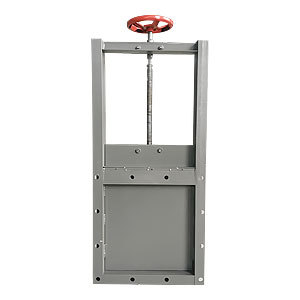
2. Check the star shaped unloader: Clean the stuck material inside the unloader, check whether the motor and reducer are normal, adjust the speed, ensure that the accumulated ash in the ash hopper is discharged in a timely manner, and avoid dust accumulation.
3. Detecting smoke parameters: Use instruments to detect smoke temperature, humidity, and dust concentration. If they exceed the design range, adjust the production process or replace the appropriate dust collector model.
Step 5: Trial operation verification
After completing the above investigation and handling, start the dust collector and conduct a trial run. Use a dust concentration detector to detect the emission concentration at the air outlet. If it meets environmental standards, it indicates that the fault has been resolved; If it still exceeds the standard, it is necessary to re-examine the unresolved links, focusing on checking the concealed air leakage parts and the local damage of the filter bag.
4、 Daily preventive measures (reducing the occurrence rate of emission exceeding standards)
It is better to take preventive measures in advance and carry out the following daily maintenance work in combination with the operating rules of equipment to effectively reduce the occurrence rate of emission exceeding standards:
1. Regular inspection of filter bags: Check the status of the filter bags weekly, clean the surface dust of the filter bags monthly, and replace the filter bags every 3-6 months according to the working conditions.
2. Maintain the dust cleaning system: Check the status of the electromagnetic pulse valve, spray pipe, and air bag every month, clean the accumulated dust in the pipeline, verify the dust cleaning pressure and cleaning cycle every six months, and ensure the normal operation of the dust cleaning system.
3. Check the sealing performance: Check the sealing condition of the box, pipeline, and filter bag every month, replace aging gaskets in a timely manner, tighten loose bolts, and avoid air leakage.
4. Monitoring flue gas parameters: Real time monitoring of flue gas temperature, humidity, and dust concentration, adjusting parameters in a timely manner to avoid exceeding the equipment design range and damaging filter bags and equipment.
5. Standardize operating procedures: Operators must strictly follow the operating procedures for starting, running, and stopping to avoid malfunctions caused by misoperation.
6. Establish a maintenance ledger: record the equipment's operating time, maintenance content, and fault handling status, in order to trace the cause of faults and optimize maintenance plans.
The core problem of excessive emissions in bag filters is mainly concentrated in three aspects: filter bags, dust cleaning systems, and sealing performance. When troubleshooting, the principle of "easy first, difficult later, local first, overall later" should be followed to quickly locate the fault point and handle it targetedly. At the same time, doing a good job in daily maintenance and optimizing operation procedures can effectively reduce the occurrence rate of failures, ensure long-term stable operation of equipment, and meet environmental emission requirements. It should be noted that there may be differences in the causes of faults under different working conditions, and the troubleshooting approach should be flexibly adjusted based on the actual situation on site. If necessary, professional technical personnel can be contacted for assistance in handling.
Hot Tags:

Contact Us
Tel:
WeChat:
WhatsApp:
E-mail:
Address:
338 National Road South, Longfengdian Village, Botou City, Hebei Province, China
JiuznTomine is expertly delivering technically complicated projects in markets & provides custom solutions for their customized need.


CONTACT INFO
Tel: +86 18531710311
WeChat: +86-18531710311
338 National Road South, Longfengdian Village, Botou City, Hebei Province, China