

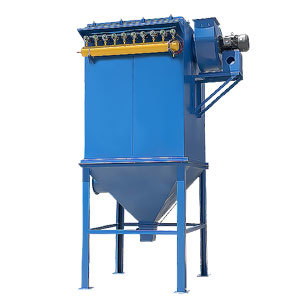
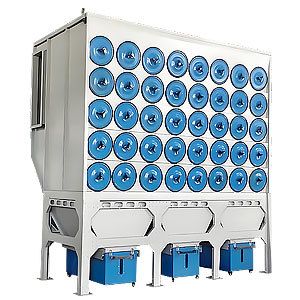
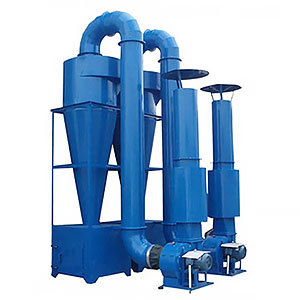

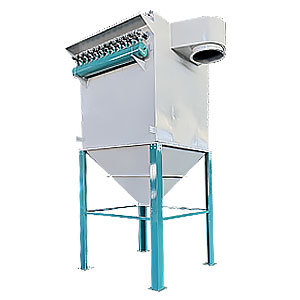










Common faults and solutions of plastic fired plate dust collectors
Mar 04,2026
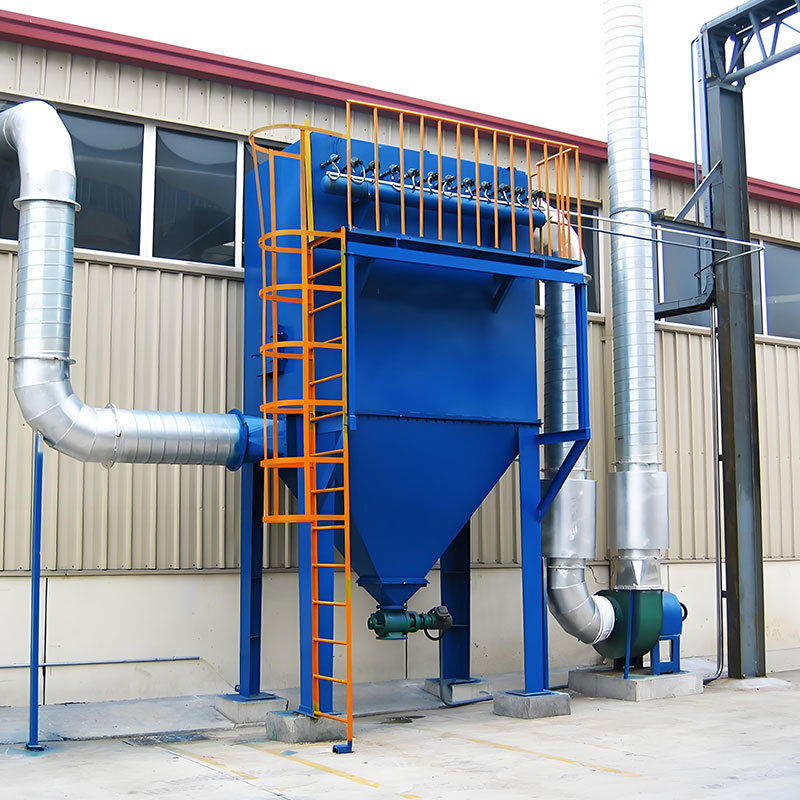
Plastic fired board dust collectors are widely used in industrial fields such as chemical and food industries due to their advantages of waterproofing, oil resistance, high humidity resistance, and anti clogging. They are particularly suitable for high humidity and high viscosity dust scenes overseas. Its stable operation is directly related to production efficiency and environmental compliance, but it is prone to malfunctions due to factors such as operating conditions and maintenance during long-term operation.
1、 The most common faults and solutions of plastic fired plate dust collectors
The main faults of the plastic fired plate dust collector are concentrated in dust removal efficiency, ash cleaning system, plastic fired plate components, and operational stability. The following reasons are explained and practical solutions suitable for overseas scenarios are provided.
(1) Fault 1: Decreased dust removal efficiency and excessive emission concentration
Manifested as excessive export dust concentration, diffuse workshop dust, strict overseas environmental compliance requirements, and the need for rapid processing.
1. Core reasons: Dust accumulation on the plastic fired board, damage to the filter material, and inadequate sealing; Imported dust concentration exceeds the standard without pre-treatment; Equipment seal leakage.
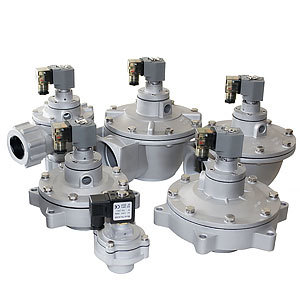
2. Solution: Check the dust cleaning system (pulse valve, spray pipe, compressed air pressure 0.3-0.5MPa), replace faulty components, and drain oil and water; Stop the machine for inspection and replace the damaged plastic fired board to ensure proper sealing; Add pre-treatment equipment such as cyclone dust collectors; Tighten the interface bolts and replace the aging sealing gasket to prevent leakage.
(2) Fault 2: Poor dust cleaning effect, blockage of plastic fired board
Manifested as operating resistance exceeding 1500Pa, sudden drop in air volume, and no improvement after dust cleaning, commonly found in high viscosity and high humidity scenarios.
1. Core reason: Unreasonable ash cleaning parameters; Compressed air contains oil and water; Condensation or aging of plastic fired boards; Accumulation of dust pores.
2. Solution: Optimize the cleaning parameters (cycle 30-60 minutes, spray 0.1-0.2 seconds/valve), and increase the spray intensity; Add oil-water separator to ensure the dryness of compressed air; Maintain insulation in high humidity environments to ensure that the operating temperature is 5-10 ℃ above the dew point; Replace the aging plastic fired board. If there is slight blockage, it can be blown back with high pressure or rinsed with water (used after drying).
(3) Fault 3: Excessive noise and noticeable vibration during equipment operation
Affects the operating environment of overseas factories and may also damage accessories, requiring timely investigation.
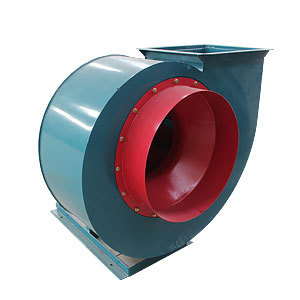
1. Core cause: Abnormal fan (dust accumulation, bearing wear); The equipment is not securely installed and resonates; Excessive accumulation of ash in the ash hopper; Excessive impact of jet airflow.
2. Solution: Clean the dust accumulation in the fan and replace the worn bearings; Tighten the foundation bolts and install shock-absorbing pads to reduce resonance; Timely clean up the accumulated ash in the ash hopper and check the unloading device; Optimize blowing parameters, fix blowing pipes, and reduce airflow impact noise.
(4) Fault 4: Unloading device malfunction, ash accumulation and blockage in the ash hopper
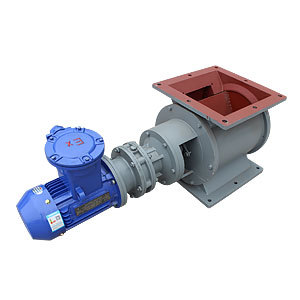
Malfunctions of the unloading device (mostly star shaped unloaders) can lead to ash accumulation and blockage, affecting equipment operation and even damaging the plastic fired plate.
1. Core reasons: Unloader motor failure, impeller blockage; Dust agglomeration blockage; Poor sealing leads to secondary flying.
2. Solution: Repair the unloader motor, clean the impeller debris; Manually clean up clumped dust or install arch breaking devices; Replace aging seals, lubricate regularly, and ensure smooth unloading.
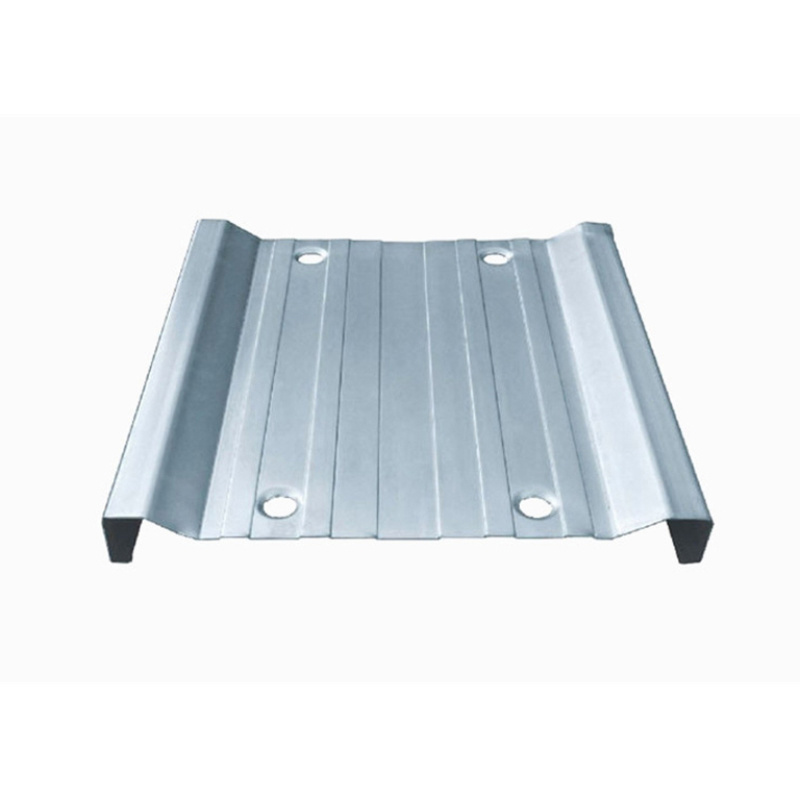
(5) Fault 5: Damaged or detached plastic fired board
Directly leading to dust removal failure, the overseas parts procurement cycle is long, and it is necessary to focus on prevention and control.
1. Core reasons: unstable installation, high dust cleaning pressure; Plastic fired board aging, sharp debris impact.
2. Solution: Standardize the installation of plastic fired boards to ensure a tight fit with the decorative board; Control the cleaning pressure within the rated range; Regularly inspect and replace aging plastic fired boards, install protective nets to intercept debris at the inlet, and conduct sealing tests after replacement.
2、 Special operation and maintenance precautions for overseas projects
Considering the characteristics of overseas project operation and maintenance, long procurement cycle of accessories, and significant differences in working conditions, the following points should be emphasized:
1. Establish an operation and maintenance ledger: record operating parameters, faults, and maintenance information for remote troubleshooting and parts procurement planning.
2. Adapt to overseas working conditions: Adjust parameters according to local temperature, humidity, and dust characteristics, and do a good job in insulation and drying treatment.
3. Strengthen preventive maintenance: conduct comprehensive monthly inspections, conduct in-depth quarterly maintenance, and identify potential hazards in advance.
4. Reserve commonly used accessories: Reserve vulnerable parts such as plastic fired plates and pulse valves in advance to reduce downtime.
The faults of plastic fired plate dust collectors are often related to the dust cleaning system, plastic fired plate components, unloading devices, and operating parameters. The core idea is to "investigate first, then handle, and focus on prevention". Overseas projects need to balance rapid fault resolution with localized operation and maintenance optimization, standardize operations, and conduct regular maintenance. This can ensure stable equipment operation, meet environmental requirements, extend service life, reduce operation and logistics costs, and fully play the role of dust control.
Hot Tags:
PREVIOUS:

Contact Us
Tel:
WeChat:
WhatsApp:
E-mail:
Address:
338 National Road South, Longfengdian Village, Botou City, Hebei Province, China
JiuznTomine is expertly delivering technically complicated projects in markets & provides custom solutions for their customized need.


CONTACT INFO
Tel: +86 18531710311
WeChat: +86-18531710311
338 National Road South, Longfengdian Village, Botou City, Hebei Province, China